

Colibacillosis, a bacterial infection caused by Escherichia coli (E. coli), is a significant health concern among poultry, including ducks. This disease, also known as avian colibacillosis, is primarily caused by specific pathogenic strains of E. coli that are capable of invading the host’s tissues and causing severe systemic infections. In ducks, avian pathogenic E. coli (APEC) is the primary causative agent, which can lead to a range of clinical manifestations, including respiratory distress, septicemia, and peritonitis. This disease is widespread in domestic duck populations, particularly in intensively raised flocks, where environmental stressors and poor management practices contribute to its prevalence.
Colibacillosis can have a devastating impact on duck health, leading to high mortality rates, reduced productivity, and economic losses for poultry farmers. The disease is especially concerning in hatchlings and young ducks, as their immune systems are still developing, making them more vulnerable to infections. In addition to direct health effects, colibacillosis also contributes to economic burden by reducing meat and egg production, increasing mortality rates, and necessitating costly treatment and prevention measures. Given its potential to cause significant harm to both individual birds and the poultry industry, understanding the causes, risk factors, clinical signs, and management strategies for colibacillosis is essential for effective disease control and prevention in ducks.
Causes and Contributing Factors of Colibacillosis in Ducks
Colibacillosis in ducks is primarily caused by Escherichia coli, a gram-negative bacterium that naturally inhabits the gastrointestinal tract but can become pathogenic under certain conditions. The specific strains responsible for this disease, known as avian pathogenic E. coli (APEC), possess virulence factors that enable them to invade host tissues and cause systemic infections. These bacteria can remain in the environment for extended periods, and their ability to adhere to mucosal surfaces and produce toxins facilitates the progression of the disease.
Environmental factors play a crucial role in the development and spread of colibacillosis in duck populations. Poor sanitation, overcrowding, and inadequate ventilation in duck houses contribute to the proliferation of E. coli, increasing the likelihood of infection. High levels of ammonia from accumulated manure can damage the mucosal lining of ducks, creating an environment conducive to bacterial invasion. Additionally, wet and humid conditions, particularly in poorly managed duck farms, promote the survival and transmission of E. coli, facilitating disease outbreaks. Ducks raised in unhygienic environments with contaminated water and feed are at a significantly higher risk of contracting colibacillosis.
Transmission of colibacillosis can occur through multiple routes, including contaminated feed, water, litter, and direct contact with infected birds. Vertical transmission from infected hens to ducklings via the egg is also possible, contributing to the persistence of the disease in breeding flocks. Furthermore, E. coli can be spread by mechanical vectors such as insects, footwear, and equipment. The pathogenesis of the disease involves the initial colonization of the gastrointestinal tract, followed by the invasion of systemic tissues, leading to symptoms such as respiratory distress, septicemia, and internal organ lesions.
Signs and Symptoms of Colibacillosis in Ducks
Colibacillosis manifests through a range of clinical signs and symptoms in ducks, varying depending on the severity of the infection and the affected tissues. One of the most common systemic symptoms is septicemia, where E. coli enters the bloodstream, leading to widespread infection. Affected ducks often show signs of depression, reluctance to move, and a noticeable drop in body temperature. In severe cases, ducks may experience sudden death due to rapid bacterial proliferation and organ failure. Another characteristic symptom of colibacillosis is localized infections, particularly in the joints, which can lead to lameness and swelling. Ducks with joint infections may exhibit limping or an inability to move normally due to the inflammatory response triggered by the bacteria.
Respiratory distress is also a common clinical manifestation, particularly in cases where E. coli affects the air sacs, trachea, or lungs. Infected ducks may show labored breathing, coughing, and nasal discharge. In some instances, the disease can lead to pericarditis, where the bacteria infiltrate the heart lining, causing fluid accumulation and impaired cardiac function. Additionally, ducks with colibacillosis may develop peritonitis, an inflammatory condition of the abdominal cavity, leading to abdominal swelling, discomfort, and reduced feed intake. The disease can also affect the reproductive system, causing salpingitis and subsequent egg production loss in breeding ducks.
Other observable symptoms include swollen joints, generalized weakness, and an increased susceptibility to secondary infections due to the compromised immune response. The progression of the disease can vary from acute to chronic, with acute cases resulting in high mortality rates, while chronic infections may lead to reduced weight gain and long-term health complications. Early detection of these clinical signs is critical for timely intervention and improved disease management in duck populations.
Duck Breeds at High Risk for Colibacillosis
Colibacillosis poses a significant risk to various duck breeds due to differences in immune response, environmental exposure, and management practices. Among domestic ducks, Pekin ducks are particularly vulnerable to this bacterial infection. Their high productivity and rapid growth rate make them more susceptible to stress and immune suppression, which can increase the likelihood of infection. Pekin ducks raised in intensive farming systems, where overcrowding and poor sanitation are common, are at an even greater risk of contracting colibacillosis. The dense population and high ammonia levels in poultry houses create an environment conducive to the proliferation of E. coli, facilitating disease transmission among flocks.
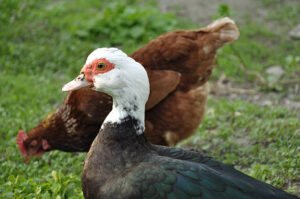
Muscovy ducks also exhibit a high susceptibility to colibacillosis, particularly when exposed to poor husbandry conditions. These ducks are often kept in backyard or semi-intensive systems, where biosecurity measures may be insufficient to prevent bacterial contamination. The stress of fluctuating environmental conditions, such as temperature changes and poor water quality, further weakens their immune defenses, making them more prone to E. coli infections. Additionally, Muscovy ducks are frequently exposed to contaminated feed and water sources, increasing their risk of colibacillosis. The disease can progress rapidly in these ducks, leading to severe clinical symptoms and high mortality rates if not promptly addressed.
Cherry Valley ducks are another breed with a heightened risk of colibacillosis due to their rapid growth and commercial breeding practices. These ducks are commonly raised in large-scale production systems where stressors such as poor ventilation, ammonia exposure, and close confinement accelerate disease transmission. The high stocking density and lack of proper hygiene in these environments contribute to the persistence of E. coli, making Cherry Valley ducks particularly vulnerable. Additionally, their young age at slaughter increases the likelihood of exposure to pathogens, requiring strict biosecurity measures to minimize the risk of colibacillosis outbreaks.
Lifestages Susceptible to Colibacillosis in Ducks
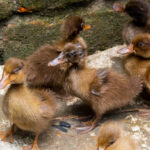
Colibacillosis can affect ducks at various stages of their life cycle, with certain lifestages being more vulnerable due to physiological, environmental, and immunological factors. Hatchlings and young ducks are particularly susceptible to this disease, as their immune systems are still developing and less capable of resisting infections. The first few weeks of life are critical, as ducks are often exposed to contaminated environments in hatcheries and brooding areas, where poor sanitation and high ammonia levels can facilitate the proliferation of E. coli. Additionally, the stress of transitioning from the hatchery to the rearing environment can further weaken their immune defenses, increasing the likelihood of infection. Young ducks raised in high-density conditions, such as in commercial duck farms, are at an even greater risk due to the rapid spread of the bacteria in close quarters.
In older ducks, particularly those in their growing and finishing stages, colibacillosis can still pose a significant threat. As ducks reach maturity, they are subjected to increased stress from rapid growth, production demands, and environmental fluctuations such as temperature extremes and ammonia exposure. These stressors can disrupt the normal functioning of the immune system, making ducks more prone to bacterial infections. Additionally, adult ducks raised in poorly managed systems with inadequate water and feed sanitation are at a heightened risk of contracting colibacillosis. The disease can manifest as respiratory distress, joint infections, or systemic septicemia, significantly impacting their health and productivity.
Environmental factors also play a crucial role in the susceptibility of older ducks to colibacillosis. Prolonged exposure to wet and unhygienic conditions can increase the persistence of E. coli in the environment, leading to continuous reinfection risks. Ducks raised in poorly ventilated housing with high ammonia levels may experience respiratory irritation, which weakens their natural defenses against bacterial invasion. Understanding the lifestages most at risk for colibacillosis is essential for implementing targeted prevention and management strategies to mitigate the disease’s impact on duck health and productivity.
Diagnosis of Colibacillosis in Ducks
Accurate diagnosis of colibacillosis in ducks is essential for effective disease management and treatment. The diagnostic process typically involves a combination of clinical evaluation, laboratory testing, and imaging techniques to confirm the presence of E. coli and assess the extent of the infection. Initially, veterinarians conduct a thorough clinical examination to identify characteristic symptoms such as depression, respiratory distress, swollen joints, and systemic signs of septicemia. These observable signs serve as preliminary indicators of colibacillosis, particularly when they coincide with environmental factors that promote bacterial proliferation.
Laboratory testing plays a crucial role in confirming the disease and differentiating it from other bacterial or viral infections with similar clinical manifestations. Bacterial isolation from affected tissues, such as the liver, spleen, or joint fluid, is a primary diagnostic method. Culturing E. coli from these samples allows for identification and antimicrobial sensitivity testing, which helps in determining the most effective treatment options. Polymerase chain reaction (PCR) assays can also be used to detect the presence of specific E. coli strains responsible for colibacillosis, providing a more rapid and accurate diagnosis compared to traditional culturing methods.
In addition to bacterial culture and PCR, blood culture is another diagnostic tool used to detect septicemia in affected ducks. A complete blood count may reveal elevated white blood cell levels, indicating an active infection. Histopathological examination of tissue samples, such as the liver or lungs, can further support the diagnosis by identifying characteristic lesions and inflammatory responses caused by E. coli. Imaging techniques, such as X-rays or ultrasound, may be employed to assess internal organ damage and fluid accumulation associated with peritonitis or pericarditis. A comprehensive approach combining clinical observations, laboratory analysis, and imaging is necessary for accurate diagnosis and the formulation of an effective treatment plan for colibacillosis in ducks.
Treatment Options for Colibacillosis in Ducks
Effective treatment of colibacillosis in ducks requires a combination of antimicrobial therapy, supportive care, and management strategies to eliminate the pathogen and promote recovery. The primary treatment involves the administration of broad-spectrum antibiotics that are active against avian pathogenic Escherichia coli (APEC). Commonly used antibiotics include fluoroquinolones (e.g., enrofloxacin), aminoglycosides (e.g., gentamicin), and third-generation cephalosporins (e.g., ceftiofur). These antibiotics are typically administered through drinking water, feed, or parenteral routes, depending on the severity of the infection and the management system in place. It is essential to conduct antimicrobial susceptibility testing to ensure that the selected drugs are effective against the specific E. coli strains causing the disease, as resistance to certain antibiotics is a growing concern in poultry populations.
Supportive care plays a crucial role in improving the survival rate of affected ducks. Fluid therapy and electrolyte supplementation are often necessary for dehydrated birds, especially those exhibiting signs of septicemia or respiratory distress. Antioxidants such as vitamin C and vitamin E may be administered to reduce oxidative stress and enhance immune function. Additionally, ducks suffering from pericarditis or peritonitis may benefit from anti-inflammatory medications to reduce systemic inflammation and discomfort. In severe cases, affected birds may require individual housing and close monitoring to prevent further complications.
In addition to medical treatment, effective management strategies are essential for controlling colibacillosis outbreaks. Prompt removal of sick birds helps prevent disease transmission, while improving hygiene and sanitation measures reduces environmental contamination. Adjusting feed and water sources to ensure cleanliness and proper nutrition further supports recovery. Implementing biosecurity protocols, such as limiting movement between flocks and maintaining clean housing conditions, is also crucial in preventing re-infection and minimizing disease spread within duck populations.
Prognosis and Complications Associated with Colibacillosis in Ducks
The prognosis for ducks infected with colibacillosis depends on several factors, including the severity of the infection, the timeliness of treatment, and the overall health status of the birds. In acute cases, where ducks exhibit severe symptoms such as septicemia and respiratory distress, the mortality rate can be high, often exceeding 40% if left untreated. Prompt administration of appropriate antibiotics and supportive care significantly improves the prognosis, allowing infected ducks to recover within a few weeks under proper management conditions. However, some ducks may experience long-term health complications, such as chronic joint infections or respiratory impairments, which can affect their growth and productivity.
Chronic colibacillosis can lead to persistent health challenges, particularly in affected flocks where the bacteria remain in the environment. Ducks that survive the initial infection may become carriers, shedding E. coli and maintaining the risk of recurrence or further spread within the flock. These persistent infections can result in reduced weight gain, poor egg production, and decreased meat quality, posing significant economic consequences for duck producers. In breeding flocks, colibacillosis can cause infertility, embryonic mortality, or weak hatchlings, further contributing to production losses. The cumulative financial impact of colibacillosis stems from increased veterinary costs, reduced marketable duck meat and eggs, and potential culling of severely affected birds.
The long-term implications of colibacillosis also extend to disease management and biosecurity measures in duck farming. Repeated outbreaks necessitate ongoing investment in sanitation, vaccination, and antibiotic use, all of which can increase production expenses. Additionally, the development of antibiotic-resistant E. coli strains due to excessive and improper antimicrobial use complicates treatment efforts, leading to prolonged illness and greater economic burden. Understanding the potential complications of colibacillosis is essential for implementing effective prevention and control strategies to mitigate its impact on duck health and the poultry industry.
Prevention Strategies for Colibacillosis in Ducks
Implementing effective prevention strategies is critical to reducing the risk of colibacillosis in duck populations. A comprehensive approach that includes biosecurity measures, proper hygiene practices, and vaccination can significantly lower the incidence of this bacterial disease. One of the primary methods of prevention is maintaining strict biosecurity protocols to limit the introduction and spread of E. coli. This includes restricting access to duck farms by unauthorized personnel, regularly disinfecting equipment, and implementing quarantine procedures for newly acquired birds. Additionally, minimizing the movement of infected birds between flocks helps prevent disease transmission across different production units.
Proper sanitation and hygiene are essential components of colibacillosis prevention. Duck housing should be kept clean and dry, with regular removal of manure to reduce ammonia levels and prevent the overgrowth of bacteria. Providing clean and uncontaminated drinking water and feed is crucial, as E. coli can persist in these sources and contribute to disease outbreaks. Waterers and feeders must be regularly disinfected, and the water supply should be tested for bacterial contamination to ensure the safety of the ducks. Maintaining optimal environmental conditions by ensuring good ventilation and managing humidity levels also helps reduce the risk of infection.
Vaccination is another effective preventive measure for colibacillosis, particularly in high-risk duck populations. Although vaccines for E. coli in poultry are not as widely available as those for other pathogens, certain bacterins or inactivated vaccines can be used to stimulate immunity against specific E. coli strains. Vaccination should be part of a broader disease control strategy that includes monitoring the flock for early signs of infection. Regular health inspections and laboratory testing can help identify potential carriers and prevent the establishment of persistent infections. By incorporating these prevention strategies, duck producers can significantly reduce the impact of colibacillosis and maintain the health and productivity of their flocks.
Dietary and Nutritional Considerations for Ducks with Colibacillosis
Proper nutrition plays a crucial role in supporting the immune system of ducks infected with colibacillosis and facilitating their recovery. A well-balanced diet provides essential nutrients that enhance resistance to infections and promote overall health. Ducks affected by E. coli should be fed a diet rich in high-quality proteins, vitamins, and minerals to support tissue repair and immune function. In particular, adequate levels of vitamin A, vitamin E, and selenium are important for maintaining the integrity of mucosal surfaces and reducing oxidative stress, which can exacerbate the effects of bacterial infections. Additionally, electrolyte supplementation may be necessary to prevent dehydration in ducks suffering from septicemia, respiratory distress, or poor feed intake.
In addition to macronutrient support, the role of clean water in disease prevention cannot be overstated. Ducks with colibacillosis must have access to uncontaminated water at all times, as hydration is essential for eliminating toxins and maintaining metabolic functions. Contaminated water can worsen the condition of infected ducks by exposing them to additional pathogens and weakening their immune response further. Regular cleaning and disinfection of waterers and drinkers help prevent the buildup of bacterial biofilms and reduce the risk of reinfection within the flock. Ensuring a consistent water supply with optimal pH levels also contributes to disease prevention by promoting the health of the ducks’ digestive and respiratory systems.
Feed quality is another critical factor in managing colibacillosis. Ducks should be provided with fresh, uncontaminated feed that is free from mold and harmful bacteria. Moldy feed can introduce additional stressors and toxins that negatively impact immune function, making ducks more susceptible to infections. Proper storage of feed in dry, well-ventilated areas helps prevent contamination and prolongs its shelf life. Incorporating probiotics or prebiotics into the diet can also enhance gut health and support a balanced microbiome, which plays a key role in preventing opportunistic infections like colibacillosis. By prioritizing good nutrition and water quality, duck producers can significantly improve the health outcomes of birds affected by this disease.
Zoonotic Risk and Human Safety Concerns Related to Colibacillosis in Ducks
Colibacillosis, caused by E. coli infection in ducks, presents a zoonotic risk, meaning it can potentially be transmitted from infected birds to humans. Although such transmission is relatively rare, it is essential for farmers, poultry workers, and consumers to be aware of the health risks associated with handling or consuming ducks affected by this disease. The primary mode of transmission between ducks and humans is through direct contact with contaminated feces, tissues, or environments where pathogenic E. coli strains are present. Individuals working in duck farms, slaughterhouses, or processing plants may be exposed to E. coli through contact with fecal matter or contaminated surfaces, increasing the risk of infection. Furthermore, improper food handling, such as undercooked duck meat or cross-contamination with other foods, can also contribute to the transmission of the bacteria to humans.
The health implications of colibacillosis for humans can vary from mild to severe, depending on the strain of E. coli and the individual’s immune status. Infections from avian pathogenic E. coli (APEC) can lead to gastrointestinal symptoms such as diarrhea, vomiting, and abdominal cramps, particularly if the bacteria are ingested through contaminated food. In some cases, individuals may develop more severe illnesses, including urinary tract infections or bloodstream infections, particularly in people with weakened immune systems, such as the elderly, young children, or those with chronic health conditions. It is, therefore, crucial to implement strict hygiene and food safety measures to minimize the risk of zoonotic transmission.
To prevent the spread of E. coli to humans, proper personal hygiene practices must be followed when handling ducks or duck products. This includes thorough handwashing with soap and water after working with birds, as well as the use of protective gloves and clothing in high-risk environments. Disinfecting equipment, cleaning workspaces, and ensuring proper sanitation in duck housing and processing areas can further reduce the risk of bacterial transmission. Additionally, consumers should ensure that duck meat is cooked to the appropriate temperature to kill any potential pathogens and avoid cross-contamination in the kitchen. By following these precautions, individuals can significantly reduce the risks associated with colibacillosis and promote overall food safety.
#AvianHealth #Colibacillosis #DuckDisease #PoultryHealth #DuckFarmer #EColiInfection #DuckHealth #DuckManagement #FarmHealth #DuckBreeder #PoultryDisease #EColiInPoultry #DuckCare #DuckVet #PoultrySafety #DuckHealthTips #DuckDiseaseControl #DuckHealthManagement #DuckMedicine #PoultryInfection #DuckDiseasePrevention #PoultryWellness #DuckHealthcare #DuckHealthAdvice #FarmDuckHealth #DuckHealthGuidelines #DuckHealthEducation #PoultryHealthAwareness #DuckHealthSupport #DuckHealthNews



Add comment