
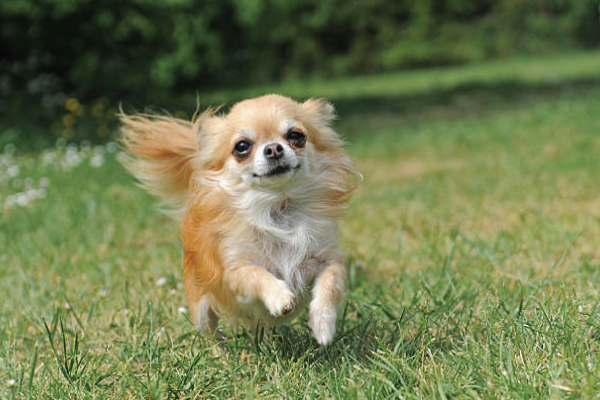
The recall—the instantaneous, enthusiastic response to the command to “Come!”—is arguably the most critical behavior a dog can learn. It is not merely a parlor trick; it is the ultimate safety mechanism, the invisible leash that grants your dog freedom while ensuring their immediate return from danger, temptation, or simply too much fun.
For many dog owners, achieving a reliable recall feels like chasing a mythical creature. Your dog might be perfect in the living room, but the instant a squirrel dashes across the path or another dog appears, your call becomes background noise.
This is the difference between a learned behavior and a proofed behavior.
This comprehensive, elaborate guide is dedicated to bridging that gap. We will move systematically from foundation training to advanced proofing techniques, ensuring that your dog’s response to the recall is not optional, but absolute—no matter the environment, distraction, or temptation.
Phase I: Building the Bulletproof Foundation
Before we venture into the real world, we must ensure the core association is unbreakable. The recall must be the single greatest, most rewarding thing that happens to your dog.
1. Choosing and Charging the Cue (The Recall Party)
Your recall cue must be distinct and used only for the purpose of an immediate return. Avoid using words like “Come here” randomly throughout the day, as this diminishes their urgency.
The Cue: Select a word or phrase (e.g., “Here,” “Emergency,” “Touch,” “Come”) and commit to it.
The Rewards (The Currency of Success): The reward for a successful recall must vastly outweigh whatever the dog is currently doing. This means skipping the basic kibble and breaking out the High-Value Rewards (HVRs): liver treats, cheese, boiled chicken, hot dogs, or a favorite squeaky toy reserved only for recall exercises.
The Charging Process (The Recall Party):
- Start Small (The Ping-Pong Game): In a small, enclosed, distraction-free space (like a hallway), have two people sit a few feet apart. One person calls the dog using the cue word, and when the dog arrives, they throw a massive “Recall Party”—praise, petting, and multiple HVRs. The dog is then immediately released, and the other person calls. This teaches the dog that running to the owner is the fastest way to get an unparalleled celebration.
- The Enthusiastic Arrival: Crucially, reward the enthusiasm of the arrival. If your dog saunters over, they get a medium reward. If they sprint and dive into your arms, they get the Jackpot (an overload of HVRs, praise, and play).
Note on Reinforcement: Always reinforce the act of coming, not the capture. Never grab the dog immediately. Reward, pet, and then release the dog back to play (if safe) to prevent the dog from associating coming to you with the end of fun.
2. The Relationship Between Recall and Release
A common error is making the recall a one-way ticket to being leashed and going home. This poisons the cue. Your dog must learn that coming to you is often followed by being released back to the activity.
The Three-Step Dance:
- Cue: “Here!” (Dog races back).
- Reward & Hold: Massive celebration, 10 seconds of feeding HVRs, collar grab practice (briefly hold the collar while rewarding).
- Release: “Go Play!” (Dog is released back to the fun).
If you are calling your dog to leave the park, do a few successful recalls and releases before the final call. The final call should be rewarded just as heavily, regardless of the imminent departure.
Phase II: Proofing Variables – The Systematic Approach
Proofing is the process of testing and reinforcing the behavior across all possible environments and circumstances. This must be done systematically, following the hierarchy of training variables: distance, duration, and distraction.
The Essential Tool: The Long Line
The long line (or long lead) is non-negotiable for proofing recall. This safety tether ensures that your dog cannot fail the exercise while you are building reliability.
- Start with a 15ft line, progressing to 30ft, and finally to 50ft or 100ft.
- Always attach the long line to a well-fitting harness, never a neck collar, to prevent injury if the dog hits the end of the line at a run.
1. Proofing Distance
Distance is the simplest variable. The dog must respond to the cue regardless of how far away they are.
| Step | Distance | Environment | Goal |
|---|---|---|---|
| P1 | 5 – 10 feet | Inside, no distractions | 100% success, high speed. |
| P2 | 15 – 30 feet | Fenced yard, low grass/leaves | Introduce the 15ft long line. Dog must run straight to you. |
| P3 | 30 – 50 feet | Quiet park, open area | Introduce the 30ft line. Ensure the line is mostly dragging, giving the illusion of freedom. |
| P4 | 50 – 100 feet | Large field, varied terrain | Introduce the 50ft line. Practice recalling the dog when they are focused on sniffing or exploring, but before a high-level distraction appears. |
Technique: The Urgent Retreat To build speed over distance, when you give the recall cue, immediately turn and enthusiastically run away from your dog. This triggers the dog’s natural chasing instinct (a prey drive component known as “social chasing”) and makes the recall more urgent. Stop running once the dog is near and issue the reward.
2. Proofing Duration and Delay
Duration proofing tests the dog’s patience and obedience when there is a delay between the command and the release. This is crucial for real-life safety (e.g., calling the dog and needing them to stay focused while you buckle their leash or wait for a hazard to pass).
- Hold the Arrival: When the dog arrives, reward them initially, but then practice holding them gently by the collar or chest for 5-10 seconds while continuing to feed HVRs before issuing the “Go Play” release.
- Delayed Release: Practice calling the dog, rewarding, and then waiting 30 seconds before releasing them or putting the leash on. This teaches them that arrival is not the automatic end of the game, nor the immediate end of the reward stream.
3. Proofing Distractions (The Hierarchy of Temptation)
This is where most recalls fail. The environment offers high-value competing motivations. You must introduce distractions incrementally, ensuring the dog succeeds 80% to 90% of the time before increasing the difficulty.
Level 1: Low-Level Distractions (The Environment)
- Scenario: Call the dog while they are sniffing a patch of interesting grass.
- Scenario: Call the dog while they are walking on a new type of terrain (gravel, mud, bridges).
- Scenario: Call the dog when you are hidden (recall from behind a tree or car, still using the long line).
Level 2: Medium-Level Distractions (Stationary People, Movement)
- Scenario 1: Food on the Ground: Place low-value foods (kibble) on the ground. Use the long line. Call the dog before they reach the food. If they ignore the cue, gently reel them in, reward the successful return, and then let them eat the kibble as a lower-value reward later.
- Scenario 2: Stationary People: Practice recall while a stranger is standing still 50 feet away. Slowly decrease the distance.
- Scenario 3: Movement: Practice recall while someone walks slowly 50 feet away.
Level 3: High-Level Distractions (Prey Drive, Play, High Excitement)
This level requires the use of space and distance as your primary tools. Never call your dog if you are 100% certain they will fail.
A. Mastering the Prey Drive (Squirrels, Birds, Bunnies):
- Distance Training: Find a location where wildlife is present but far away (e.g., squirrels 100-200 feet across a field). Practice recalls when the dog notices the distraction but before they initiate a hard chase.
- Visual Proofing: As the dog becomes reliable at 100 feet, slowly decrease the distance to 50 feet, 30 feet, etc., ensuring you have control via the long line.
- The Interrupter: If the dog is fixated, use a distinct, high-pitched noise (a kiss, a specific whistle) as an interrupter before giving the recall cue. The interrupter breaks fixation; the recall cue requires motion toward you.
B. Socialization Distraction (Other Dogs):
The temptation to play with an approaching dog is a powerful, self-reinforcing behavior that often overrides human commands.
- The Set-Up: Work with a trusted friend and their dog. Start with the two dogs 100 feet apart, securely leashed.
- The Approach: As the dogs move closer (still 50 feet apart), call your dog and immediately reward, ensuring your dog never gets close enough to initiate the high-excitement play sequence.
- The Differential Reward: When your dog successfully ignores the approaching, exciting dog to race back to you, deliver the biggest Jackpot reward of the day. They have just chosen you over a canine friend—that is worth gold.
- Practice Fading: Only after repeated success should you allow the dog to greet the other dog after a successful recall, reinforcing the idea that coming to you facilitates, rather than ends, social interaction.
Phase III: Advanced Real-World Scenarios and Specific Challenges
Once the variables are proofed, we move into specific environmental contexts that mimic actual outings.
1. The Urban Environment Recall
City environments present a unique challenge: constant, sudden, high-intensity distractions (sirens, scooters, rapid movement).
- The “Watch Me” Anchor: Before attempting recall, ensure your “Watch Me” or “Focus” command is rock solid. This command provides an emotional anchor by redirecting your dog’s attention away from the chaos and back to your face.
- Micro-Recalls: Practice short, 5-foot recalls between lampposts or cars instead of long-distance calls. In crowded areas, the goal is often immediate proximity and focus, not a 50-foot dash.
- The Emergency Recall: In urban settings, you need a word reserved for life-or-death situations. This word (e.g., “NOW!” or “Hurry!”) must be taught separately, always paired with the single highest-value reward possible (e.g., a mouthful of steak). Crucially: Once taught, never use the emergency recall unless the situation genuinely demands it.
2. The Wilderness/Trail Recall
Trails introduce olfactory distractions (game scents) and visual challenges (blind corners).
- Scent Trials: Practice calling your dog when they have their nose glued to the ground, tracking a scent. If they are too absorbed, use your interrupter cue first.
- Blind Recalls: Practice calling your dog when they are just out of sight around a corner on a trail (still secured by the long line). This prepares them for situations where they need to respond based on sound, not sight.
- Terrain Awareness: Ensure the dog can execute the recall while navigating obstacles like fallen logs, rocks, or steep embankments.
3. Proofing Against Self-Reinforcing Behaviors
Some activities are inherently rewarding, making them the ultimate competition for your recall.
| Competing Behavior | Strategy |
|---|---|
| Digging a Hole | Call before they start digging seriously. If you must interrupt, approach, offer a reward for leaving the hole, and then reward the recall. Never punish the digging. |
| Chasing Water (Waves/Pipes) | Use a toy (HVR) that is more exciting than the water to lure them back. Reward heavily the moment they leave the water for you. |
| Eating Garbage/Poop | This requires immediate interruption. Use the emergency recall and the highest reward. If you fail, practice “Leave It” and muzzle training in high-risk areas. |
Phase IV: Troubleshooting and Diagnosing Recall Failure
If your dog is failing the recall frequently (more than 20% of the time), you need to stop proofing in that context and regress to an easier level. Failures are teaching your dog that the cue is optional.
1. The Poisoned Cue
This is the most common reason for recall failure. A cue is poisoned when the dog associates responding to it with something negative.
Common Poisoning Scenarios:
- The End of Fun: Calling the dog only when it’s time to go home, resulting in the dog hiding or running away as soon as they hear the word.
- Punishment: Calling the dog back to scold them for chasing a squirrel or digging. (The dog learns: “Coming to Mom/Dad equals getting yelled at.”)
- Over-Correction: Repeatedly yanking the long line too hard when the dog ignores the cue, leading to fear or resentment toward the cue.
The Fix: Go back to Phase I. Run Recall Parties for a week in the living room using 100% HVRs. Stop using the poisoned word entirely in high-distraction environments only use the cue when you are certain of success. You may need to introduce a brand-new recall word.
2. The Fading Reward Mistake
Owners often assume that once a behavior is learned, the reward can be stopped completely. Recall must always be reinforced, though the schedule can change.
- The Fix: Transition to a Variable Reinforcement Schedule (VRS). This is the psychological principle used in slot machines—the dog never knows when the BIG reward is coming, so they keep trying.
- 9 out of 10 times: Small, quick praise/treat.
- 1 out of 10 times (Randomly): The Jackpot—a minute-long praise session, multiple treats, play, and a high-value toy.
By keeping the reward random and occasionally massive, the dog lives in constant anticipation that the next recall could be the biggest win of the day.
3. Lack of Physical Management
Trying to proof the recall without the long line is setting your dog up for failure and potentially death. If your dog is off-leash in an uncontained area, they are practicing ignoring you every time they fail to respond.
The Fix: If the recall is not 95% reliable on a 50ft line, the dog should not be off-leash.
4. Handler Enthusiasm Failure
If you call your dog in a bored, monotone voice, the reward (you) is not compelling enough to compete with a moving squirrel or a delicious scent.
The Fix: Act like the most exciting person in the world. High-pitched, happy, and urgent tones are essential for the recall cue. Your excitement must promise a better result than any distraction.
Phase V: Maintenance and Lifelong Reliability
A proofed recall is a perishable skill. You must continue to practice it for the dog’s entire life.
1. Daily Micro-Recalls
Integrate mini-recalls into your daily life. Call the dog from the other room and give a small reward. Call them away from their food bowl for a quick treat before releasing them back to eat. These low-distraction repetitions keep the cue sharp.
2. Surprise Proofing
Practice the recall in unexpected environments or situations (e.g., in the rain, when you are wearing a hat they don’t see often, or after a long car ride). These exercises solidify generalization.
3. The Annual Reliability Check
Once a year, or if you move to a new area, regress back to advanced proofing scenarios using the long line in the new environment. It’s always better to find a weakness safely than to discover it in a crisis.
4. The Whistle Recall
For long-distance performance or in situations where your voice might be drowned out (wind, water), consider conditioning a whistle cue. A quality referee whistle delivers a consistent, far-reaching sound that is less prone to emotional inflection than the human voice. Train it exactly like the vocal cue: whistle, treat, party.
Conclusion: The Gift of Freedom
A bulletproof recall is the ultimate achievement in dog training. It transforms a restrictive relationship into a partnership based on trust and safety. Mastering the recall is not about controlling your dog; it is about giving them the gift of freedom, knowing that they choose you, enthusiastically, every single time.
By diligently following the systematic proofing stages—from quiet indoor conditioning to high-level, real-world distractions—you will forge a bond that ensures your dog’s safety and allows both of you to confidently explore the world together.
#DogRecallTraining #ProofingTheRecall #ReliableDogRecall #ComeWhenCalledGuide #AdvancedDogTrainingTips #OffLeashDogTraining #CanineSafetyFirst #LongLineMethod #DogTrainingGuide #BehaviorModification, #RecallGoals #DogTrainingHacks #TrainingTips #ProofYourPup #DogLifeHacks #BestDogEver #AdventureDog #DogTrainingJourney #PupApproved #DogTrainerLife





Add comment