
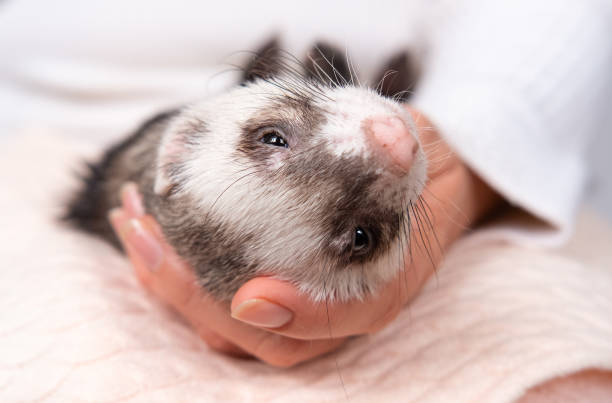
Zoonotic diseases are infections that can be transmitted between animals and humans. Ferrets, known for their playful and curious nature, are beloved pets but can carry pathogens that pose risks to human health. While ferrets are not inherently dangerous, their unique behaviors—such as gnawing, digging, and scavenging—can increase exposure to zoonotic agents. Understanding these risks is crucial for ferret owners to ensure their safety. Key zoonotic diseases in ferrets include ringworm, salmonellosis, giardiasis, botulism, and tularemia. This guide explores these diseases in detail, including their causes, symptoms, prevention, and treatment.
1. Ringworm (Dermatophytosis)
Causes & Transmission
Ringworm is a fungal infection caused by Microsporum or Trichophyton species. Ferrets can acquire it through contact with infected animals, contaminated environments, or humans. Transmission occurs via direct contact with skin lesions or indirect exposure to spores on fomites (e.g., bedding, brushes).
Signs and Symptoms
- In Ferrets: Circular hairless patches, redness, and itching. Chronic cases may develop secondary bacterial infections.
- In Humans: Red, itchy, scaly rashes forming annular patterns (hence “ringworm”).
Diagnosis
- Microscopic examination of skin scrapings or fungal culture.
- Wood’s lamp test (spores may fluoresce under UV light).
Treatment
- Ferrets: Antifungal medications (e.g., itraconazole, terbinafine). Topical treatments (e.g., miconazole shampoo) for mild cases.
- Humans: Over-the-counter antifungal creams (e.g., clotrimazole). Severe infections require oral antifungals.
Prognosis & Complications
- Early treatment ensures a full recovery. Untreated ringworm can spread to other animals or humans and cause chronic skin issues.
Prevention
- Quarantine new ferrets. Regularly disinfect enclosures and grooming tools. Avoid contact with infected ferrets until treatment is complete.
2. Salmonellosis
Causes & Transmission
Salmonella is a bacterial infection acquired through contaminated food (e.g., raw meat, unhygienic treats) or feces. Ferrets can spread the bacteria via their feces to humans, especially if they lick their fur or their environment is unsanitary.
Signs and Symptoms
- In Ferrets: Diarrhea, lethargy, vomiting. Some may be asymptomatic carriers.
- In Humans: Fever, diarrhea, abdominal cramps (within 6–72 hours of exposure).
Diagnosis
-Stool culture or PCR testing in both ferrets and humans.
Treatment
- Ferrets: Fluid therapy for dehydration. Antibiotics (e.g., amoxicillin) if symptoms are severe.
- Humans: Supportive care (hydration, rest). Antibiotics for high-risk individuals (e.g., children, elderly).
Prognosis & Complications
- Most cases resolve in 4–7 days. Severe infections can lead to bloodstream infections or reactive arthritis.
Prevention
- Avoid raw or unpasteurized diets. Wash hands after handling ferrets or their waste. Practice thorough environmental sanitation.
3. Giardiasis
Causes & Transmission
Giardia, a protozoan parasite, is transmitted via ingestion of contaminated water or fecal-oral contact. Ferrets often contract it from muddy environments or untreated water sources.
Signs and Symptoms
- In Ferrets: Watery diarrhea, weight loss, poor coat condition.
- In Humans: Diarrhea, bloating, nausea, and cramps. Chronic cases may cause malabsorption.
Diagnosis
- Fecal examination for trophozoites or cysts. PCR testing for accuracy.
Treatment
- Ferrets: Metronidazole or fenbendazole (antiparasitic medications).
- Humans: Metronidazole, tinidazole, or nitazoxanide.
Prognosis & Complications
- Prompt treatment leads to recovery. Untreated giardiasis can result in chronic fatigue or nutritional deficiencies.
Prevention
- Provide clean, filtered water. Clean enclosures thoroughly. Avoid letting ferrets drink or swim in natural water sources.
4. Botulism
Causes & Transmission
Botulism is caused by Clostridium botulinum toxin, which ferrets may ingest from decaying animal carcasses, contaminated food, or soil. Transmission to humans occurs via shared fomites or consumption of contaminated food handled by infected ferrets.
Signs and Symptoms
- In Ferrets: Lethargy, drooling, muscle weakness, difficulty breathing.
- In Humans: Muscle paralysis, blurred vision, respiratory failure (requires immediate medical attention).
Diagnosis
- Clinical signs, toxin detection in stool or food samples.
Treatment
- Ferrets: Antitoxin administration, supportive care (e.g., IV fluids, respiratory support).
- Humans: Antitoxin and intensive care (hospitalization is critical).
Prognosis & Complications
- Early treatment may allow full recovery. Delayed treatment can be fatal.
Prevention
- Avoid feeding ferrets decaying food or carcasses. Store food in airtight containers. Discourage scavenging behaviors.
5. Tularemia (Rabbit Fever)
Causes & Transmission
Tularemia is a bacterial infection caused by Francisella tularensis. Ferrets can contract it from ticks, fleas, or handling infected rodents. Transmission to humans occurs via insect vectors or contact with contaminated fur or bodily fluids.
Signs and Symptoms
- In Ferrets: Fever, swollen lymph nodes, skin ulcers.
- In Humans: Skin ulcers, fever, chills, swollen lymph nodes.
Diagnosis
- Serology tests, blood cultures, PCR.
Treatment
- Ferrets: Streptomycin or gentamicin injections.
- Humans: Doxycycline or ciprofloxacin.
Prognosis & Complications
- Most cases resolve with antibiotic treatment. Severe infections can lead to systemic illness.
Prevention
- Control ticks and fleas with preventive medications (e.g., selamectin). Avoid handling wild animals or their remains.
Diet and Nutrition: Role in Immune Health
A balanced diet is vital for ferrets to maintain a strong immune system and avoid zoonotic risks.
- Recommended Diet: High-protein, ferret-specific kibble or raw meat diets (if properly prepared and stored).
- Foods to Avoid: Raw eggs, uncooked meat (risk of salmonella), chocolate, caffeine, and dairy.
- Hydration: Fresh, filtered water to prevent giardiasis.
- Supplements: Multivitamins (as needed) but avoid over-supplementation (e.g., excess calcium).
Zoonotic Risks: Mitigation Strategies
- Hygiene Practices: Wash hands after handling ferrets, cleaning enclosures, or handling food.
- Quarantine: New ferrets should be isolated for 30–60 days for observation.
- Veterinary Care: Regular check-ups for early detection of infectious diseases.
- Education: Owners should be aware of symptoms in ferrets and human risk factors.
Conclusion
Ferrets can carry zoonotic diseases, but proactive care and hygiene significantly reduce risks. By understanding the signs, practicing prevention, and maintaining a nutritious diet for their pets, owners can safeguard both their ferrets and their own health. Always consult a veterinarian for suspicious symptoms and a healthcare provider for potential exposures.
#FerretHealth #ZoonoticDiseases #PetToHumanDiseases #FerretCare #AnimalBorneIllnesses #SafePetOwnership #FerretDiseasePrevention #PetOwnerHealth #FerretDiet #ZoonoticInfections #FerretWellness #PetSafetyTips #FerretFirstAid #PreventDiseaseSpread #FerretNutrition #ZoonosisAwareness #FerretVeterinaryCare #HealthyFerretLiving #FerretOwnerCommunity







Add comment