
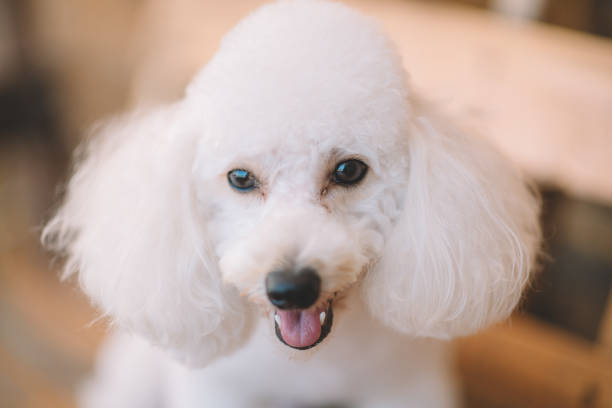
The world of a deaf dog is one of vibrant sights, powerful vibrations, and intricate scents. While the absence of sound presents unique challenges, it simultaneously opens doors to a deeper, more visually and physically connected bond between dog and owner. This guide provides a detailed framework for transitioning from verbal commands to a robust system of visual and tactile communication, integrated entirely through shared activities and consistent routines.
Part I: The Foundation – Understanding the Visual World
Before introducing specific activities, it is crucial to understand how a deaf dog perceives the world and how this sensory focus can be leveraged for communication.
1. Harnessing Other Senses
| Sensory Input | How to Utilize It for Communication |
|---|---|
| Vision | The primary channel. Signals must be clear, distinct, high-contrast, and consistent (e.g., using the whole body for a Down signal instead of just a hand flick). |
| Vibration | Deaf dogs are acutely sensitive to ground vibrations. Use a deliberate foot stomp, a gentle knock on the floor, or a vibration collar (used strictly for attention, never correction) to gain attention from a distance. |
| Scent | Used for enrichment and alerting. If you need to wake a sleeping dog, approach with a high-value treat near their nose before touching them gently. |
| Tactile Input | Direct physical touch (patting, scratching, light pressure) is used for calming, redirection, and as a specific set of cues (The Touch Alphabet). |
2. The Power of Consistency and Timing
For a deaf dog, there is no ambiguity. Every communication cue—whether a hand signal, a body posture, or a touch—must be performed identically every time. Timing is also critical; the reward (food, praise, or play) must be delivered within seconds of the dog successfully executing the visual command.
Part II: The Communication Toolkit
To effectively engage a deaf dog through activity, you need a defined, universal language.
A. Developing the Core Visual Language (Hand Signals)
Your hand signals must be large, distinct, and unique to each command.
| Command | Recommended Signal Type | Elaboration |
|---|---|---|
| Attention/Watch Me | Tapping your nose or pointing to your eyes. This is the most crucial signal. | Teach this first, linking it to high-value rewards. It signifies the start of any activity. |
| Sit | Flat palm moving upward (like stopping traffic). | Keep the signal smooth and firm. |
| Down | Flat hand sweeping horizontally toward the floor. | Use the entire arm for visibility. |
| Come/Recall | Large, sweeping motion of both arms moving inward, or clapping hands over the head. | Must be dramatic and recognizable from a distance. Always reward this heavily. |
| Stay/Wait | Palm held outward, away from the dog. | Used heavily in boundary games and structured play. |
B. The Touch Alphabet (Tactile Cues)
Tactile cues are essential for close-range communication, especially when the dog is focused elsewhere or cannot see you (e.g., on a walk in a group, or when resting).
| Cue | Location & Action | Purpose |
|---|---|---|
| Look at Me (Alert) | One light tap on the shoulder or chest. | Signals that the owner needs attention immediately. |
| Turn Left/Right | Gentle pressure (sweep) on the corresponding hip/flank. | Used for directional guidance on walks or in agility. |
| Stop | Light pressure applied straight downward on the back near the tail base. | A gentle brake cue, often used before crossing a road. |
| Good Dog (Praise) | A specific rhythmic scratch behind the ears or along the spine. | This touch becomes the dog’s physical equivalent of verbal praise. |
Part III: Communicating Through Structured Activity
The best way to solidify communication is to embed the visual and tactile cues into daily activities that the dog finds rewarding.
1. Safety and Focus Activities
These activities ensure the dog stays connected to the owner, reducing the risk of being startled or wandering off.
Protocol 1: The High-Value Visual Check-In
This activity trains the dog to habitually look at the owner for cues, establishing a default focus behavior.
- Setup: Start in a quiet area. Hold a treat near your eyes.
- Cue: Give the “Attention” hand signal.
- Action: The moment the dog’s eyes meet yours, mark the behavior (with a visual signal like a thumbs-up or a quick flash of the flashlight—see safety note below) and reward immediately.
- Progression: Practice this in different environments, increasing the duration the dog must maintain eye contact before receiving the reward. This turns checking in with the human from a command into a highly rewarding game.
Activity 2: Vibration Recall Practice
Since hearing is unavailable for emergency recall, vibration and visual cues must be linked to immediate reward.
- Setup: Dog is a short distance away, facing away from you (perhaps sniffing a toy).
- Cue: Stomp your foot firmly once on the ground (using vibration) OR activate a vibration collar (if using).
- Action: When the dog turns/looks, immediately give the dramatic “Come” hand signal.
- Reward: When the dog reaches you, provide an explosive, high-value reward (e.g., a burst of highly enthusiastic praise/touch and a favorite treat or tug toy). This makes your presence intensely rewarding.
2. Scent and Exploration Activities (Engagement without Vision)
Scent work is a vital outlet for deaf dogs, allowing them to engage their strongest sense and communicate their focus through nose-work behaviors.
Activity 3: The “Find It” Game
This game uses scent to communicate purpose and direction.
- Goal: The dog learns that the “Find It” signal means a highly rewarding search is about to begin.
- Setting the Cue: Show the dog the hand signal for “Find It” (e.g., a gentle waving motion of the hand over the ground) just before placing the treat in an obvious spot.
- Execution: Once the dog understands the link, hide treats in the room (under towels, behind furniture). Give the “Find It” cue, and then reward the dog with intense tactile praise when they successfully locate the scent.
- Elaboration: Use a designated snuffle mat or puzzle toy for this activity. When the mat comes out, the dog knows it’s time to communicate via scent-focused activity.
Activity 4: Boundary Games (The “Stay” Challenge)
Boundary games use visual structure to communicate limitations and expectations.
- Setup: Define a visual boundary (a mat, a towel, a rug). Use the “Stay/Wait” signal.
- Action: Reward the dog for staying within the boundary as you step away. Since the dog cannot hear you, they must rely solely on the visual position of your hands and body posture.
- Communication Benefits: This activity builds self-control and teaches the dog to monitor your movements closely, even when distracted.
3. Tactile and Relaxation Activities
Touch is not only a communication method but a crucial tool for calming and reassurance.
Activity 5: Capturing Calmness (Sensory Relaxation)
This activity links specific, gentle touch with a state of relaxation.
- Setup: When the dog is naturally resting or sleepy, approach gently.
- Cue: Begin a specific type of Tellington TTouch (e.g., small, circular rubbing motions) or a slow, rhythmic massage along the ears or spine.
- Action: If the dog relaxes and settles deeper, use your visual ‘Praise’ signal (e.g., a quiet thumbs-up) and continue the massage.
- Communication Benefits: This activity communicates safety and trust, building a physical language that signals, “It’s safe to rest now.” Taught consistently, this touch can be used in stressful environments (like the vet’s office) to communicate reassurance.
Part IV: Environmental Management and Safety Communication
For a deaf dog, the environment itself is part of the communication network.
1. Alerting the Sleeping Dog
Never surprise a sleeping or resting deaf dog. Startling a dog can lead to fear-based aggression.
- Protocol: Approach from the side (where they can see you if they open their eyes) or front.
- Cue: Gently stomp the ground nearby to create mild vibration. If this doesn’t work, use a soft touch (e.g., the “wake-up cue” described in the Touch Alphabet) or a puff of air across the dog’s nose.
- Reward: Immediately follow the awakening with a pleasant physical greeting (praise touch) to reinforce that waking up is a positive experience.
2. Communicating Location
Since the dog cannot hear you move around the house, they may experience anxiety when you leave their sight.
- The “Bell System”: Wear small bells on your pants or shoes. The subtle vibrations and visual movement signal your location without relying on verbal cues.
- The “Beacon” System: When leaving a room, give a distinct visual “Wait” signal, and then return quickly to reinforce patience. Use a brief, intense visual check-in the moment you return to communicate, “I’m back, and I saw you waiting.”
3. Outdoor Safety (Line of Sight)
Deaf dogs must be kept on leash unless in a securely fenced area.
- Activity: Use a long line (30-50 feet) in a secure field. Practice the dramatic Recall signal repeatedly. The long line allows you to communicate the consequence of ignoring the visual cue (a gentle reel-in), followed immediately by the visual reward. This activity ensures the recall signal is maintained regardless of distance.
Summary: The Active Bond
Communicating through activity requires patience and discipline in maintaining consistent signals. By dedicating time to structured visual games, scent work, and tactile relaxation, you tap into your deaf dog’s innate ability to observe, feel, and explore. This sophisticated non-verbal communication system fosters a bond that is based on mutual attention, trust, and shared experience, replacing the spoken word with a deeply felt connection.





Add comment