
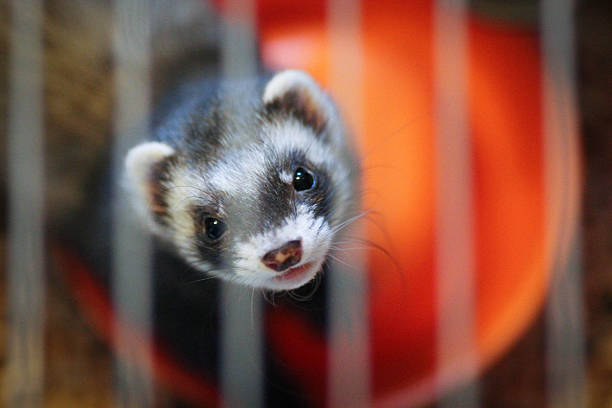
In recent years, the popularity of exotic pocket pets has surged among urban dwellers, apartment renters, and animal lovers seeking companionship beyond conventional cats and dogs. These small, often portable animals—ranging from ferrets and hedgehogs to sugar gliders and chinchillas—offer unique personalities, minimal space requirements, and adorable appearances that captivate pet owners. Among these, ferrets stand out as one of the most dynamic and socially engaging exotic pets. However, choosing the right pocket pet involves more than just looks; it requires understanding temperament, care needs, lifespan, diet, and compatibility with your lifestyle.
This guide offers a comprehensive comparison between ferrets and other leading exotic pocket pets: hedgehogs, sugar gliders, chinchillas, rats, hamsters, degus, and guinea pigs. We’ll deeply explore physical characteristics, husbandry requirements, behavioral traits, health concerns, social needs, and long-term commitments to help you determine which pet is right for you.
1. What Are Pocket Pets? Defining the Category
Despite the name, “pocket pets” aren’t actually small enough to fit in a pocket—they’re simply smaller domesticated animals that live in enclosed spaces and are considered exotic or non-traditional. These pets often require specialized care and environments, making them distinct from cats and dogs. Typical pocket pets are either mammals or small reptiles, with a focus on rodents, insectivores, marsupials, and mustelids (ferrets). The term is mostly used in the veterinary and pet-keeping community to denote small companion animals that live in cages or enclosures.
While traditional pets derive from domestication over centuries, many pocket pets are relatively new to the domestic scene. Some, like ferrets, have ancient roots in human society (bred for hunting as early as 1500 BC), while others, like sugar gliders, are still semi-wild and present greater care challenges. This guide examines seven major exotic pocket pets and evaluates them side-by-side with ferrets to provide a thorough analysis.
2. Ferrets: The Social Acrobat of the Pocket Pet World
Physical Traits and Lifespan
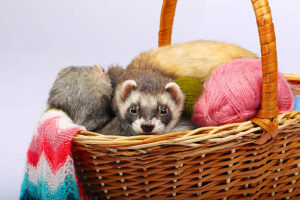
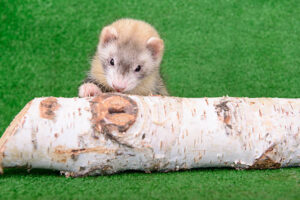
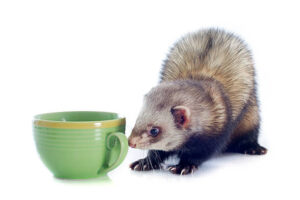
Ferrets (Mustela putorius furo) are members of the weasel family, with slender, elongated bodies, short legs, and carnivorous dentition. They typically weigh between 1.5 to 4.5 pounds and measure 18 to 24 inches long, including their short tail. Most are domesticated, with coat colors ranging from sable and albino to chocolate and silver. Ferrets are scent glands, which produce a musky odor—more pronounced in unneutered males. The odor can be managed through proper hygiene, diet, and neutering.
Ferrets have a relatively short lifespan of 6 to 10 years, with 7–8 years being average. High-quality care, regular vet visits, and a proper diet can extend their longevity.
Temperament and Social Behavior
Ferrets are incredibly social, intelligent, and curious creatures. They thrive on interaction and mental stimulation. Known for their playful “weasel war dance,” they engage in hopping, bouncing, and tail puffing when excited. Ferrets bond closely with their owners and can learn to respond to names, use litter boxes, and even walk on a leash with training.
They are highly social and prefer living in pairs or small groups. Solitary ferrets may develop depression or behavioral issues. They enjoy playtime outside their cages (minimum 4 hours daily) and require ferret-proofed living spaces due to their knack for squeezing into tight spaces.
Habitat and Enclosure Needs
A ferret cage should be spacious—minimum 3 feet high and 4 feet wide—with multiple levels, hammocks, tunnels, and sleeping areas. Ferrets need safe bedding (avoid wood shavings), and their cage should be cleaned frequently. However, they should not live in their cage full-time. Unlike solitary pets, ferrets demand significant “out-of-cage” time for mental health.
Diet and Nutrition
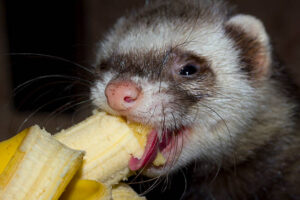
As obligate carnivores, ferrets require a high-protein, high-fat diet with minimal carbohydrates and fiber. Commercial ferret food or high-quality kitten food (grain-free, meat-based) is ideal. They eat 5–8 small meals daily due to their fast metabolism. Fresh water must always be available.
Ferrets cannot digest plant matter like fruits, vegetables, or grains. These foods may cause gastrointestinal blockages or insulinoma, a common endocrine disease in ferrets.
Health and Veterinary Care
Ferrets require specialized veterinary care from exotic animal veterinarians. Common health issues include:
- Insulinoma: Tumor of the pancreatic cells, leading to low blood sugar.
- Adrenal disease: Hormonal imbalance often requiring surgery.
- Cardiomyopathy: Heart disease.
- Dental disease: From poor diet.
- Distemper and rabies: Vaccines are essential.
Regular check-ups (twice a year), dental care, and neutering (to reduce odor and prevent reproductive cancers) are crucial.
Pros and Cons of Ferrets as Pocket Pets
Pros:
- Extremely affectionate and interactive
- Trainable and intelligent
- Can be litter box trained
- Great for active owners
- Entertaining and comical behavior
Cons:
- High maintenance; need constant supervision
- Strong musky odor
- Expensive veterinary care
- Need for out-of-cage playtime
- Not suitable for households with small children or other small pets
3. Hedgehogs: The Quiet, Nocturnal Charmer
Physical Traits and Lifespan
African pygmy hedgehogs (Atelerix albiventris) are the most common exotic pet hedgehog. They typically weigh 8 to 20 ounces and grow 5 to 8 inches long. Covered in spines (modified hairs), these hedgehogs roll into tight balls when frightened. With proper care, they live 4 to 6 years, though some reach 8 years.
Temperament and Social Behavior
Hedgehogs are solitary, nocturnal animals. They are generally shy and may hiss or puff when stressed. While they can become accustomed to handling, they rarely bond like ferrets or dogs. Interaction should be limited and gentle, as overhandling can lead to stress.
They are independent and enjoy quiet, low-stimulation environments. Not ideal for cuddling, they are better observed than held.
Habitat and Enclosure Needs
Hedgehogs require a solid-floor cage (minimum 4×2 feet), as wire floors hurt their feet. Temperature control is critical—they need a consistent 75–80°F (24–27°C) to prevent hibernation attempts, which can be fatal in captivity. Wheels, hideouts, and bedding (paper-based preferred) are essential.
Diet and Nutrition
Hedgehogs are insectivores. Their diet should include high-protein, low-fat commercial hedgehog food or high-quality cat food (meat-based, grain-free). They also enjoy mealworms, crickets, and occasional fruits/vegetables (in moderation). Obesity is a common issue, so portion control is vital.
Health and Veterinary Care
Common issues include dental disease, mites, respiratory infections, and Wobbly Hedgehog Syndrome (WHS), a degenerative neurological condition with no cure. Regular weigh-ins and vet visits are important.
Ferret vs. Hedgehog Comparison
| Aspect | Ferrets | Hedgehogs |
|---|---|---|
| Sociability | Highly social, crave interaction | Solitary, minimal bonding |
| Activity Time | Diurnal crepuscular (active dawn/dusk) | Nocturnal |
| Maintenance | High (playtime, cleaning) | Moderate |
| Handling | Enjoy being held and played with | Tolerant, but not affectionate |
| Odor | Musky, but manageable | Minimal odor |
| Space Needs | Large enclosure + play area | Smaller, temperature-controlled cage |
Verdict: Choose ferrets for companionship and interaction; hedgehogs for low-noise, low-handling pets.
4. Sugar Gliders: The Social Glider with High Commitment
Physical Traits and Lifespan
Sugar gliders (Petaurus breviceps) are small marsupials from Australia and New Guinea, weighing 3–5 ounces and living 10–15 years in captivity. They have large eyes, soft gray fur, and a gliding membrane (patagium) stretching from wrist to ankle, allowing them to glide up to 150 feet.
Temperament and Social Behavior
Sugar gliders are extremely social and require companionship—ideally pairs or groups. Isolated gliders suffer severe depression, self-mutilation, and vocalization. Bonding with humans takes time and daily interaction but is possible.
They are nocturnal, so bonding happens at night. They enjoy “pouching” (snuggling in clothing) and may groom their owners as a bonding behavior.
Habitat and Enclosure Needs
They need tall, spacious enclosures (minimum 24x24x36 inches) with multiple levels, branches, and hideouts. The cage must be escape-proof, as they are agile and curious. UVB lighting and climbing space are recommended.
Diet and Nutrition
A balanced diet is critical: 50% fresh fruits and vegetables, 25% protein (insects, cooked eggs), 25% specialized glider diet (e.g., HPW, Bourbon’s). Improper diet causes calcium deficiency and metabolic bone disease.
Health and Veterinary Care
Common issues include malnutrition, dental disease, and self-mutilation due to loneliness. Exotic vet care is essential, but resources are limited.
Ferret vs. Sugar Glider Comparison
| Aspect | Ferrets | Sugar Gliders |
|---|---|---|
| Social Needs | High, enjoy humans and other ferrets | Extremely high; require same-species companions |
| Bonding | Fast, playful interaction | Slow, requires nighttime attention |
| Space | Horizontal space for running | Vertical space for climbing/glider |
| Diet Complexity | Moderate (carnivore-focused) | High (three-component diet) |
| Lifespan | 6–10 years | 10–15 years |
Verdict: Sugar gliders demand more long-term commitment and specialized care. Ferrets are more adaptable to diverse households.
5. Chinchillas: The Dust-Bathing Fluffballs
Physical Traits and Lifespan
Chinchillas (Chinchilla lanigera) have thick, soft fur, large ears, and bushy tails. They weigh 1–2 pounds and can live 10–15 years, with some exceeding 20 years—the longest-living pocket pet.
Temperament and Social Behavior
Chinchillas are social but not cuddly. They enjoy companionship (preferably with another chinchilla) and communicate through barks, chirps, and foot-stomping. They are crepuscular, active at dawn and dusk.
They can be gentle but may bite if startled. Not ideal for frequent handling.
Habitat and Enclosure Needs
They require large, multi-level wire cages with solid shelves. Dust baths 2–3 times per week are essential for fur health. Temperatures must stay below 75°F to prevent heatstroke.
Diet and Nutrition
Herbivores needing high-fiber diets—unlimited hay (Timothy), chinchilla pellets, and fresh water. No fruits, vegetables, or high-sugar treats. Overfeeding causes digestive issues.
Health and Veterinary Care
Sensitive to heat and stress. Common issues include dental malocclusion (overgrown teeth), gastrointestinal stasis, and fur slip (fur loss when grabbed). Chew toys and regular vet checks are essential.
Ferret vs. Chinchilla Comparison
| Aspect | Ferrets | Chinchillas |
|---|---|---|
| Interaction Level | High, playful | Low to moderate, observe-only |
| Temperament | Mischievous, affectionate | Skittish, independent |
| Lifespan | 6–10 years | 10–20+ years |
| Noise Level | Minimal vocalization | Barking at night |
| Maintenance | Daily play, litter box | Dust baths, chew monitoring |
Verdict: Chinchillas are a lifelong commitment with less daily interaction. Ferrets offer more emotional engagement.
6. Rats: The Intelligent and Affectionate Roodent
Physical Traits and Lifespan
Rats (Rattus norvegicus domestics) come in various colors and patterns. They weigh 12–20 ounces and live 2–4 years, though some live up to 5 with excellent care.
Temperament and Social Behavior
Rats are highly intelligent, social, and affectionate. They form deep bonds with humans, respond to names, and enjoy cuddling. Must be kept in pairs or groups—solitary rats become depressed.
They are cleaner than ferrets and produce minimal odor when caged properly.
Habitat and Enclosure Needs
Wire cages with multiple levels (rat condos) and chew-safe toys are ideal. Bedding should be paper-based or aspen. Rats need enrichment: tunnels, ropes, and shelves.
Diet and Nutrition
Omnivores requiring balanced diets—commercial rat blocks, fresh fruits/vegetables (in moderation), and occasional protein (boiled egg, cooked chicken). Avoid sugary or fatty foods.
Health and Veterinary Care
Prone to respiratory infections and tumors (especially mammary). Regular vet checks and clean environments are key. Obesity is preventable with diet control.
Ferret vs. Rat Comparison
| Aspect | Ferrets | Rats |
|---|---|---|
| Intelligence | High | Very high |
| Affection | Playful, energetic | Calm, cuddly |
| Space Needs | Large + free roam | Moderate cage + play area |
| Lifespan | 6–10 years | 2–4 years |
| Odor | Moderate (musky) | Low (with cleaning) |
Verdict: Rats are quieter, less destructive, and easier to care for—ideal for first-time exotic pet owners.
7. Hamsters: The Classic Nocturnal Pet
Physical Traits and Lifespan
Common species include Syrian (larger, solitary) and dwarf types (smaller, can be social). Weigh 3–5 ounces, live 2–3 years. Syrian hamsters grow up to 7 inches.
Temperament and Social Behavior
Solitary by nature—Syrian hamsters fight if housed together. Dwarf hamsters may coexist but often fight. Nocturnal, so interaction occurs at night. Tame individuals may enjoy handling.
Minimal bonding compared to ferrets.
Habitat and Enclosure Needs
Minimum 450 sq in floor space. Glass tanks or large plastic bins preferred to prevent escape. Bedding, nesting material, and exercise wheel essential.
Diet and Nutrition
Omnivores eating commercial hamster mix, veggies, and occasional protein (mealworms, boiled egg). Avoid citrus and watery veggies. Fresh, clean water daily.
Health and Veterinary Care
Prone to wet tail (bacterial infection), diabetes (especially dwarfs), and eye issues. Hygiene is key.
Ferret vs. Hamster Comparison
| Aspect | Ferrets | Hamsters |
|---|---|---|
| Social Needs | High | None (solitary) |
| Handling | Enjoys interaction | Limited tolerance |
| Activity Level | High, long play sessions | Short bursts, mostly at night |
| Care Level | High | Low to moderate |
| Suitability for Kids | Cautious (nippy if startled) | Moderate (nocturnal) |
Verdict: Hamsters suit those seeking low-interaction pets; ferrets thrive on daily engagement.
8. Degus: The Social Chewers from Chile
Physical Traits and Lifespan
Degus (Octodon degus) resemble large rats with bushy tails. They weigh 7–10 ounces and live 6–9 years. Sensitive to light and sugar.
Temperament and Social Behavior
Highly social and intelligent. Must be kept in pairs or groups. Form strong bonds with humans and can be trained. Very active and curious.
Habitat and Enclosure Needs
Large wire cage (minimum 2x3x2 ft) with hideouts, chew toys, and climbing structures. Bedding must be dust-free. They need degu-safe environment.
Diet and Nutrition
Strict herbivore. No sugar! Prone to diabetes. Diet: hay (80%), degu pellets, leafy greens. Never give fruit, honey, or sugary treats.
Health and Veterinary Care
Dental issues and cataracts are common. Chew toys and vet check-ups essential.
Ferret vs. Degu Comparison
| Aspect | Ferrets | Degus |
|---|---|---|
| Sociality | High | Very high |
| Diet Risks | Insulinoma, poor diet | Diabetes, dental issues |
| Activity Level | Burrowing, tunneling | Climbing, running |
| Lifespan | 6–10 years | 6–9 years |
| Care Complexity | Moderate to high | High (sugar-sensitive) |
Verdict: Degus share ferrets’ social nature but require sugar-free diets and careful monitoring.
9. Guinea Pigs: The Gentle, Vocal Herbivore
Physical Traits and Lifespan
Larger than most pocket pets (1.5–2.5 lbs), guinea pigs (Cavia porcellus) live 5–8 years. Come in long-haired (Peruvian) and short-haired (American) varieties.
Temperament and Social Behavior
Docile and social. Must be kept in pairs or groups. Communicate with chirps, purrs, and wheeks. Enjoy being handled and petted.
Habitat and Enclosure Needs
Large floor space (minimum 7.5 sq ft for two). C&C (cube and coroplast) cages ideal. Paper or fleece bedding. Need hiding spots and chew toys.
Diet and Nutrition
Herbivores need unlimited hay (Timothy), fresh veggies (especially bell peppers for vitamin C), and guinea pig pellets. No vitamin C synthesis—deficiency causes scurvy.
Health and Veterinary Care
Prone to dental issues, respiratory infections, and urinary stones. Regular weigh-ins and vet visits are important.
Ferret vs. Guinea Pig Comparison
| Aspect | Ferrets | Guinea Pigs |
|---|---|---|
| Diet | Carnivore | Herbivore |
| Social Needs | Ferrets | Same-species pairs |
| Noise Level | Minimal | Very vocal |
| Playfulness | High energy | Calm, grazers |
| Cage Freedom | Require free roam | Can live in large pens |
Verdict: Guinea pigs are quieter, gentler, and ideal for families. Ferrets are more interactive and adventurous.
10. Comparative Summary Table: Ferrets vs. Other Pocket Pets
| Criteria | Ferret | Hedgehog | Sugar Glider | Chinchilla | Rat | Hamster | Degu | Guinea Pig |
|---|---|---|---|---|---|---|---|---|
| Lifespan | 6–10 yrs | 4–8 yrs | 10–15 yrs | 10–20+ yrs | 2–5 yrs | 2–3 yrs | 6–9 yrs | 5–8 yrs |
| Social Needs | High | Low | Very High | Moderate | Very High | Low | Very High | High |
| Temperament | Playful, mischievous | Shy, solitary | Affectionate, bonding | Skittish, calm | Intelligent, cuddly | Timid, nocturnal | Social, energetic | Gentle, vocal |
| Housing Space | Large + free roam | Medium (temp-controlled) | Tall, vertical | Large, cool | Medium | Medium-large | Large | Extra-large |
| Diet Type | Carnivore | Insectivore | Omnivore | Herbivore | Omnivore | Omnivore | Herbivore | Herbivore |
| Care Level | High | Moderate | Very High | High | Moderate | Low | High | Moderate |
| Odor | Moderate | Low | Low | Low | Low | Low | Low | Low |
| Child-Friendly? | Cautious | Poor | Poor | Poor | Good (supervised) | Fair | Fair | Good |
| Vet Specialization | Exotic (ferret-savvy) | Exotic | Exotic (rare) | Exotic | Exotic | Exotic | Exotic | Exotic |
| Nocturnal? | Crepuscular | Yes | Yes | Crepuscular | Nocturnal | Yes | Nocturnal | Diurnal |
11. Choosing the Right Pocket Pet for You: Decision Matrix
To help you decide, consider these questions:
- How much time can you dedicate daily?
- Ferrets >4 hours free roam
- Sugar gliders >2 hours at night
- Rats, degus, guinea pigs: 1–2 hours interaction
- Hedgehogs, chinchillas, hamsters: 15–30 minutes handling
- Do you prefer active or passive pets?
- Active: Ferrets, rats, degus
- Passive: Hedgehogs, chinchillas, guinea pigs
- Are you ready for long-term commitment?
- 10+ years: Chinchillas, sugar gliders
- 5–8 years: Ferrets, guinea pigs, degus
- <5 years: Rats, hamsters
- Do you want a cuddly companion or an observer pet?
- Cuddly: Ferrets, rats, guinea pigs, degus
- Observer: Hedgehogs, chinchillas, hamsters
- What’s your budget?
- Initial setup: $200–$500 (ferrets, sugar gliders, chinchillas higher)
- Monthly food: $30–$60
- Vet care: $200–$1,000/year (ferrets and sugar gliders cost more)
Final Thoughts: Ferrets Shine in Social Engagement, But Are They Right for You?
Ferrets occupy a unique niche: they combine the affection of a dog with the compact size of a pocket pet. Their intelligence, playful antics, and deep bonds make them stand out among exotic animals. However, their high maintenance, need for constant supervision, and significant veterinary costs are not to be underestimated.
If you seek a pet that interacts, learns, and plays daily, ferrets are unmatched. But if you prioritize quiet, low-maintenance companionship, consider hedgehogs, guinea pigs, or rats.
Ultimately, the best pocket pet is the one that aligns with your lifestyle, schedule, and emotional expectations. Research, visit breeders or rescues, and speak with exotic vets before deciding. A well-informed choice leads to a happy home—for you and your pet.
#FerretCare, #PocketPets, #ExoticPets, #FerretLife, #HedgehogLove, #SugarGlider, #ChinchillaCare, #RatMom, #HamsterLife, #GuineaPigLove, #DeguLife, #ExoticPetOwner, #FerretVsHedgehog, #SmallPets, #FerretAdventures, #FerretMom, #PetComparison, #ExoticPetGuide, #FerretTraining, #CageFreeFerrets, #FerretProofing, #PocketPetCare, #FerretHealth, #FerretDiet, #UrbanPets, #ApartmentPets, #PetLifestyle, #FerretPlaytime, #ExoticVet, #FerretBonding, #FerretLitterBox, #NocturnalPets, #PetAdvice, #FerretFun, #FerretCommunity, #PetLovers, #ExoticAnimals, #FerretOwner, #FerretWednesday
Add comment