
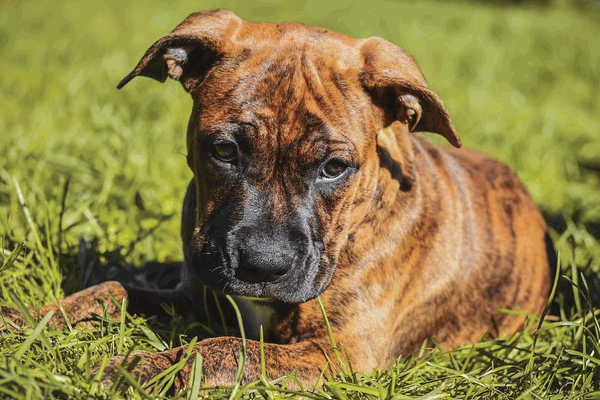
Embarking on the journey of bathing your dog can be a rewarding experience for both of you, transforming a potentially stressful chore into a bonding ritual. The key to a successful bath, however, lies not just in the shampoo, but in having the right supporting cast of tools.
This comprehensive guide will delve deep into three often-underestimated components of your dog bathing toolkit: Conditioners, Brushes, and Towels. Understanding their purpose, varieties, and proper usage will elevate your dog’s bathing experience from adequate to exceptional, ensuring a clean, healthy, and happy pet.
I. Conditioners: The Unsung Heroes of Canine Coat Health
While shampoo cleans, conditioner nourishes, protects, and enhances the coat. Skipping conditioner is like washing your hair without it – you’d likely end up with dry, tangled strands. For dogs, it’s even more crucial, as it impacts skin health, shed control, and mat prevention.
Why Use a Dog Conditioner?
- Moisture & Hydration: Shampoos, even gentle ones, can strip natural oils. Conditioner replenishes moisture in the skin and coat, preventing dryness, flakiness, and itchiness.
- Detangling & Dematting: It smooths the hair cuticles, making brushing easier and significantly reducing tangles and mats, especially in long or double-coated breeds.
- Shine & Softness: Healthy, moisturized coats reflect light better, leading to a lustrous shine and a softer feel.
- Reduced Static & Frizz: Conditioners help to neutralize static electricity, which is common in dry coats, especially during winter months.
- Skin Health: Many conditioners contain ingredients that soothe irritated skin, reduce inflammation, and support a healthy skin barrier.
- Shedding Reduction: By strengthening the hair shaft and promoting overall coat health, some conditioners can help reduce excessive shedding.
- Protection: They can form a protective barrier against environmental aggressors.
Types of Dog Conditioners:
- Rinse-Out Conditioners:
- Description: The most common type, applied after shampooing and then thoroughly rinsed out.
- Purpose: General moisturizing, detangling, and coat health.
- Ideal For: Most coat types and regular bathing routines.
- Key Ingredients to Look For: Oatmeal, aloe vera, shea butter, argan oil, coconut oil, ceramides, amino acids.
- Ingredients to Avoid: Harsh chemicals, artificial fragrances, parabens, sulfates, dyes, phthalates.
- Leave-In Conditioners/Sprays:
- Description: Applied to a clean, damp, or dry coat and not rinsed out. Often lighter formulations.
- Purpose: Extra hydration, continuous detangling support, frizz control, shine boost, and sometimes soothing properties for irritated skin. Excellent for between-bath touch-ups or pre-brushing.
- Ideal For: Long-haired breeds prone to tangles, dry or sensitive skin, or dogs needing extra coat protection.
- Application: Spray lightly and evenly, then brush through.
- De-Matting Conditioners/Sprays:
- Description: Specialty products often with higher concentrations of slip-enhancing ingredients. Can be rinse-out or leave-in.
- Purpose: Specifically formulated to loosen and lubricate knots and mats, making them easier to brush out without causing pain or damage.
- Ideal For: Dogs with existing mats or breeds highly prone to matting (e.g., Poodles, Shih Tzus, Goldendoodles).
- Application: Apply directly to the mat, let it sit for a few minutes, then gently work the mat out with your fingers and a comb.
How to Apply Conditioner Effectively:
- Thorough Rinse: After shampooing, rinse your dog’s coat completely until no suds remain. Residual shampoo can irritate the skin.
- Apply Generously: Squeeze out excess water from the coat. Apply conditioner liberally, working it into the entire coat, paying special attention to areas prone to matting (behind ears, armpits, tail, private areas) and dry skin.
- Massage In: Gently massage the conditioner into the skin and coat for 2-5 minutes. This helps penetration and can be a soothing experience for your dog.
- Dwell Time: Allow the conditioner to sit for the recommended time on the product label (usually 3-10 minutes) for maximum benefit.
- Rinse Thoroughly: This is crucial! Just like shampoo, residual conditioner can attract dirt, cause irritation, or make the coat feel greasy. Rinse until the water runs clear and the coat feels clean, not slippery. For long-haired dogs, this can take longer than rinsing shampoo.
Choosing the Right Conditioner:
- Coat Type:
- Long/Silky: Deeply moisturizing, detangling formulas.
- Double-Coated (e.g., Huskies, Shepherds): Lighter formulas that won’t weigh down the undercoat, but still provide hydration. De-shedding conditioners are excellent.
- Short/Smooth: Lighter moisturizers for shine and skin health.
- Curly/Wavy: Intense hydration and frizz control.
- Skin Condition:
- Dry/Itchy: Soothing ingredients like oatmeal, aloe, calendula.
- Sensitive: Hypoallergenic, fragrance-free options.
- Normal: Standard moisturizing conditioners.
- Specific Needs: Matting, shedding, static, dullness.
II. Brushes: The Foundation of Coat Care (Pre, During & Post-Bath)
Brushing isn’t just for looking good – it’s vital for skin health, circulation, and preventing painful mats. A good brush can make or break your bathing routine. Crucially, brushing before the bath is as important as after.
Why Brush Your Dog?
- Before Bathing:
- Remove Loose Hair: Prevents hair from clogging drains and helps shampoo penetrate effectively.
- Detangle & Demat: Never wet a matted dog! Water tightens mats, making them impossible to remove without shaving. Brushing out tangles beforehand is paramount.
- Distribute Natural Oils: Helps spread healthy oils throughout the coat.
- During Bathing:
- Work in Shampoo/Conditioner: Rubber curry brushes are excellent for massaging products into the coat and stimulating circulation.
- Loosen Dirt & Debris: Aids in cleaning.
- After Bathing:
- Finish Detangling: Prevents new tangles as the coat dries.
- Fluff & Style: Gives the coat its desired volume and appearance.
- Remove Remaining Loose Hair: Minimizes shedding.
Essential Brush Types for Your Toolkit:
- Slicker Brush:
- Description: Flat or curved head with fine, short, wire bristles close together at an angle.
- Purpose: Excellent for removing loose fur, tangles, and small mats from medium to long-haired or curly-coated dogs. Breaks up shedding undercoat.
- Ideal For: Poodles, Golden Retrievers, Collies, Shih Tzus, Terriers.
- Usage: Use with a light hand, making short, gentle strokes. Too much pressure can cause “brush burn.” Always brush in the direction of hair growth. Start from the ends and work your way up.
- Caution: Can be sharp; be very gentle, especially on thin-skinned areas.
- Pin Brush:
- Description: Oval-shaped head with widely spaced metal pins, often with rubber tips.
- Purpose: General brushing for long, silky, or curly coats. Good for untangling without pulling too much and for fluffing. Less aggressive than a slicker.
- Ideal For: Yorkies, Afghan Hounds, Poodles, Golden Retrievers.
- Usage: Use long, smooth strokes. Good for daily brushing to maintain a tangle-free coat.
- Bristle Brush:
- Description: Resembles human hair brushes with natural or synthetic bristles.
- Purpose: Best for short-haired, smooth-coated dogs. Distributes natural oils, adds shine, and removes loose surface hair and dirt.
- Ideal For: Beagles, Boxers, Greyhounds, Bulldogs, Labs.
- Usage: Use firm, even strokes. Great for a finishing touch.
- Undercoat Rake / De-shedding Rake:
- Description: Features one or two rows of long, widely spaced teeth designed to penetrate the topcoat and reach the undercoat.
- Purpose: Effectively removes loose, dead undercoat, significantly reducing shedding.
- Ideal For: Double-coated breeds like Huskies, German Shepherds, Malamutes, Great Pyrenees, Newfoundlands.
- Usage: Use in long, sweeping strokes, following the direction of hair growth. Be careful not to pull or scrape the skin. Do not use on single-coated dogs.
- Rubber Curry Brush / Grooming Glove:
- Description: Soft rubber nubs, often shaped like a mitt or palm-held brush.
- Purpose: Excellent for short-haired dogs to remove loose hair, stimulate circulation, and massage the skin. Invaluable during bathing for working in shampoo and conditioning treatments and loosening dirt.
- Ideal For: Labs, Beagles, Boxers, Pit Bulls, short-haired cats.
- Usage: Use in circular motions or long strokes. Gentle enough for daily use and great for sensitive skin.
- De-shedding Tools (e.g., FURminator):
- Description: Specialty tools with a fine-toothed blade designed to grab and remove large amounts of loose undercoat.
- Purpose: Highly effective at reducing shedding by removing dead hair from the undercoat.
- Ideal For: Most shedding breeds with an undercoat.
- Usage: Use sparingly and according to manufacturer instructions (usually once or twice a week, 10-20 minutes per session). Overuse can damage the topcoat or irritate the skin. Always use on a clean, dry, and tangle-free coat.
Choosing the Right Brush(es):
- Coat Length & Texture: This is the primary determinant.
- Short/Smooth: Bristle brush, Rubber Curry.
- Medium/Long/Straight: Pin brush, Slicker brush.
- Curly/Wavy: Slicker brush, Pin brush.
- Double-Coated (heavy shedder): Undercoat rake, De-shedding tool, Slicker brush.
- Purpose: De-matting, de-shedding, adding shine, general maintenance.
- Dog’s Sensitivity: Some dogs prefer softer brushes.
Brush Maintenance:
- Clean brushes regularly to remove trapped hair and debris.
- Wash rubber brushes with soap and water.
- Check metal brushes for bent or broken pins that could scratch your dog.
III. Towels: The Finishing Touch for a Faster, Drier Dog
Many people simply grab an old bath towel for their dog, but using the right drying tools can dramatically cut down drying time, prevent chills, and reduce the dreaded “wet dog shake” spraying water everywhere.
Why Regular Bath Towels Fall Short:
- Low Absorbency (Relative to Dog Hair): Standard cotton towels are designed for human skin, not dense dog fur. They quickly become saturated.
- Bulky & Heavy When Wet: Hard to maneuver around a large, wet dog.
- Inefficient Drying: You end up rubbing vigorously, which can create tangles and static.
- Takes Forever to Dry: Especially for a thick-coated dog.
Superior Towel Options for Dogs:
- Microfiber Towels (Dog-Specific):
- Description: Made from synthetic fibers (polyester, polyamide) that are much finer than cotton, creating more surface area to absorb water. Dog-specific versions are often larger, thicker, and have a higher GSM (grams per square meter) for even greater absorbency.
- Purpose: Super absorbent, quick-drying (for the towel itself), and gentle on the coat. They “wick” water away.
- Pros: Highly effective, reduces drying time significantly, lightweight even when saturated, less friction on the coat reduces tangles.
- Cons: Can be more expensive than cotton towels.
- Usage: Pat and squeeze the coat rather than rubbing vigorously. Can often dry two small dogs or one medium-large dog before needing to be wrung out.
- PVA (Polyvinyl Alcohol) Towels / Synthetic Chamois:
- Description: Sponge-like material, often feels stiff when dry but becomes pliable when wet.
- Purpose: Extremely absorbent, can hold many times its weight in water. You can wring it out completely, and it instantly regains its absorbency.
- Pros: Incredible drying power, excellent for removing the bulk of water from short-haired dogs or initial soak-up for longer coats.
- Cons: Not as soft or fluffy as microfiber, can feel a bit “grabby” on long hair.
- Usage: Squeeze water from the dog’s coat, then wring out the towel. Repeat. Great for quick drying or as a first pass before moving to a microfiber towel or dryer.
- High-Pile Cotton Towels (Dog-Specific):
- Description: Thicker, often larger, and more densely woven than standard human bath towels, designed with dog coats in mind.
- Purpose: Better absorbency than regular cotton, more plush and comforting.
- Pros: Familiar feel, good for dogs who prefer a softer towel.
- Cons: Still not as absorbent or quick-drying as microfiber or PVA.
- Usage: Pat and rub gently to absorb water.
Effective Drying Techniques with Towels:
- Immediate Wrap/Containment: As soon as the bath is done, wrap smaller dogs in a towel. For larger dogs, start with the head and work your way down. This minimizes the initial water spray from shaking.
- Pat and Squeeze, Don’t Rub: Aggressive rubbing can cause matting and damage the coat. Instead, gently press the towel against the coat to absorb water, then squeeze sections of fur within the towel.
- Work in Sections: Start with the head and ears, then the back, sides, legs, and finally the belly.
- Multiple Towels: Have at least 2-3 towels on hand for larger or very fluffy dogs. Swap out saturated towels for dry ones to maximize efficiency.
- Paw Drying: Don’t forget to thoroughly dry paws and between paw pads to prevent fungal growth or irritation.
- Follow with Brushing: Once the dog is towel-dried, a gentle brush (like a slicker or pin brush) can help open up the coat for air drying or blow-drying, further preventing tangles.
Towel Maintenance:
- Wash dog towels separately from human laundry to avoid spreading hair.
- Use a pet-safe detergent and avoid fabric softeners, which can reduce absorbency.
- Air dry or tumble on low heat to preserve microfiber properties.
IV. Building Your Ultimate Dog Bathing Toolkit Checklist
To truly set yourself up for bathing success, gather these essentials:
1. Conditioners: *
[ ] Rinse-Out Conditioner: Appropriate for your dog’s coat and skin type. *
[ ] Leave-In Conditioner/Detangling Spray: For maintenance and extra hydration (optional but highly recommended for long/curly coats). *
[ ] De-Matting Spray: If your dog is prone to tangles/mats (optional).
2. Brushes: *
[ ] Slicker Brush: For detangling and removing undercoat. *
[ ] Pin Brush: For longer coats and general brushing. *
[ ] Rubber Curry Brush/Glove: Essential for short coats and during the bath. *
[ ] Undercoat Rake / De-shedding Tool: If your dog has a dense undercoat (use with caution). *
[ ] Wide-toothed Comb: For final check for tangles, especially on longer coats.
3. Towels: *
[ ] Microfiber Dog Towels (2-3): For superior absorbency and quick drying. *
[ ] PVA Towel/Synthetic Chamois: For initial heavy water removal (optional but excellent). *
[ ] Old Cotton Towels: For protecting the floor or as an initial catch-all.
4. Other Essential Bathing Items: *
[ ] High-Quality Dog Shampoo: pH-balanced and appropriate for your dog’s coat/skin needs. *
[ ] Cotton Balls/Ear Cleanser: To protect ears from water and clean afterward. *
[ ] Non-Slip Mat: For the tub or bathing area to keep your dog safe and secure. *
[ ] Treats: For positive reinforcement! *
[ ] Apron: To keep yourself dry. *
[ ] Hair Dryer (Cool Setting/Pet Specific): For thorough drying, especially for double-coated breeds, but introduce slowly.
V. General Tips for a Successful Bathing Experience
- Preparation is Key: Gather ALL your supplies before getting your dog wet. Nothing is worse than realizing you’re missing a conditioning rinse while your dog is shivering in the tub.
- Establish a Routine: Regular baths (frequency depends on breed and lifestyle) help dogs get accustomed to the process.
- Positive Reinforcement: Use treats, praise, and a calm voice throughout the bath.
- Water Temperature: Use lukewarm water – test it on your wrist.
- Protect Ears and Eyes: Place cotton balls loosely in ears (remember to remove them!) and shield eyes from shampoo.
- Rinse, Rinse, Rinse! Residual shampoo or conditioner can cause skin irritation. Rinse until the water runs clear and the coat feels clean, not slippery.
- Dry Completely: Especially for double-coated breeds, ensure the undercoat is bone dry to prevent mildew, matting, and skin issues (hot spots).
- Make it Fun: A bath doesn’t have to be a battle. With the right tools and a positive attitude, it can be a pleasant bonding experience.
By investing in and understanding the proper use of conditioners, brushes, and towels, you’re not just buying products; you’re investing in your dog’s health, comfort, and the ease of your grooming routine. Happy bathing!
===============================
#DogBathing, #DogGrooming, #PetCare, #DogBathTime, #DogConditioner, #DogBrush, #DogTowel, #GroomingTools, #PetGrooming, #DogEssentials, #CleanDog, #DogHygiene, #PetSupplies, #DogHealth, #HappyDog





Add comment