
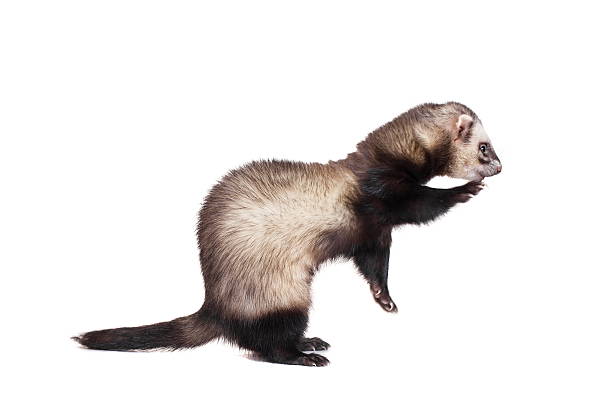
Congestive heart failure (CHF) is the terminal pathway of many cardiac diseases in the domestic ferret (Mustela putorius furo). Although ferrets are relatively long‑lived (5‑10 years on average) and popular as companion animals, they are prone to specific cardiac pathologies—most notably dilated cardiomyopathy (DCM), hypertrophic cardiomyopathy (HCM), and myocardial inflammation (myocarditis). When the myocardium can no longer maintain adequate forward flow, fluid accumulates in the pulmonary and/or systemic circulation, producing the classic “congestive” picture.
The condition is often under‑recognized because ferrets are adept at masking distress, and owners may attribute lethargy or weight loss to “aging.” Early detection dramatically improves survival, yet many veterinarians lack a structured, ferret‑specific protocol. This guide consolidates the latest scientific evidence, clinical experience, and practical recommendations into a single, exhaustive resource for clinicians, technicians, and informed owners.
Disclaimer: The information provided is for educational purposes only. It does not replace a thorough clinical examination, diagnosis, or individualized treatment plan by a licensed veterinarian.
2. Anatomy & Physiology of the Ferret Cardiovascular System
Understanding CHF requires a brief refresher on ferret cardiac structure:
| Feature | Description | Relevance to CHF |
|---|---|---|
| Heart Size | ~0.5 % of body weight (≈ 0.9 g in a 1 kg ferret) | Small heart means small blood volume; a modest loss of contractility rapidly impairs output. |
| Myocardial Fiber Orientation | Predominantly longitudinal fibers with limited radial thickening | Limits the capacity for compensatory hypertrophy seen in larger mammals. |
| Coronary Circulation | High‑density capillary network; myocardial oxygen demand is high relative to body size | Makes myocardium vulnerable to ischemia and oxidative stress. |
| Pulmonary Venous System | Thin‑walled alveolar capillaries; low pulmonary reserve | Fluid accumulation quickly compromises gas exchange. |
| Lymphatic Drainage | Relatively sparse thoracic duct; limited ability to clear interstitial fluid | Predisposes to pericardial and pleural effusions once congestion begins. |
Ferrets also possess a high basal metabolic rate (≈ 120 kcal/kg/day), which translates into greater cardiac workload even at rest. Consequently, any reduction in contractile function is felt systemically very early.
3. Causes & Predisposing Factors
3.1 Primary Cardiac Diseases
| Disease | Pathophysiology | Typical Age | Comments |
|---|---|---|---|
| Dilated Cardiomyopathy (DCM) | Ventricular chamber enlargement, wall thinning, reduced systolic function. | 3‑5 years | Most common cause of CHF in ferrets. Linked to genetic predisposition (especially in pedigreed lines) and nutritional imbalances. |
| Hypertrophic Cardiomyopathy (HCM) | Myocardial fiber hypertrophy, diastolic dysfunction, outflow obstruction. | 2‑4 years | Less common; may be secondary to systemic hypertension or hyperthyroidism. |
| Myocarditis | Inflammatory infiltration (viral, bacterial, parasitic). | Any age | Can progress rapidly to CHF if fulminant. |
| Valvular Insufficiency | Degenerative or congenital valve leakage, leading to volume overload. | > 4 years | Typically affects the mitral or tricuspid valves. |
| Pericardial Disease | Constrictive pericarditis or pericardial effusion (often neoplastic). | 4‑7 years | Fluid accumulation compresses the heart, mimicking CHF. |
3.2 Secondary / Systemic Triggers
- Endocrine disorders: Hypertrophic cardiomyopathy secondary to hyperthyroidism; insulinoma‑associated hypoglycemia causing catecholamine surges.
- Nutritional deficiencies: Low taurine, high dietary fat, or vitamin E deficiency can impair myocardial metabolism.
- Infectious agents: Salmonella spp., Helicobacter spp., and ferret-specific coronavirus have been implicated in myocarditis.
- Neoplasia: Lymphoma or sarcoma invading the myocardium or pericardium.
3.3 Predisposing Factors
| Factor | Mechanism | Prevention Insight |
|---|---|---|
| Genetics | Certain breeding lines carry alleles linked to DCM. | Use health‑tested breeding stock; avoid inbreeding. |
| Obesity | Increases preload, afterload, and myocardial oxygen demand. | Maintain ideal body condition (BCS 3‑4/9). |
| Stress | Catecholamine surge can precipitate arrhythmias and exacerbate myocardial injury. | Provide low‑stress environment; avoid sudden changes. |
| Environmental toxins (e.g., secondhand smoke, heavy metals) | Direct myocardial cytotoxicity. | Keep ferret housing smoke‑free and free of contaminants. |
4. Clinical Signs & Symptomatology
Ferrets hide illness, so owners often notice subtle changes first. The following table categorizes signs by system and severity.
| System | Early Signs | Moderate/Advanced Signs |
|---|---|---|
| Respiratory | Mild tachypnea, soft “gurgling” sound on auscultation, occasional cough. | Labored breathing (dyspnea), open‑mouth breathing, audible crackles, cyanosis. |
| Cardiovascular | Weak peripheral pulses, slight jugular venous distention (hard to see). | Palpable “thrill” over thorax, gallop rhythm, bounding pulses (early systolic failure). |
| Gastrointestinal | Decreased appetite, mild vomiting. | Anorexia, regurgitation of fluid, ascites causing abdominal distension. |
| Behavioral | Lethargy, reduced play, mild hind‑limb weakness. | Collapse, seizures (secondary to hypoxia), “stiff” gait from pulmonary edema. |
| Dermatologic | Subtle peripheral edema (often on the ventral abdomen). | Marked peripheral edema, especially in the hind limbs and prepuce; “puffy” facial appearance. |
Red‑flag signs that warrant immediate veterinary attention: sudden collapse, severe dyspnea, bright pink or blue-tinged mucous membranes, and uncontrolled vomiting.
5. Diagnostic Work‑up
A systematic, stepwise approach maximizes diagnostic yield while minimizing stress.
5.1 Physical Examination
- Auscultation: Listen for murmurs, gallop rhythms (S3/S4), and crackles.
- Palpation: Assess pulse quality, peripheral edema, and jugular venous distension (if visible).
- Thoracic Inspection: Observe for respiratory effort and thoracic shape.
5.2 Baseline Laboratory Tests
| Test | Why It’s Important | Typical Findings in CHF |
|---|---|---|
| CBC | Detect anemia, infection, or lymphoma. | Mild normocytic normochromic anemia; leukocytosis if concurrent infection. |
| Serum Chemistry | Evaluate renal, hepatic, electrolyte status. | Elevated BUN/creatinine from decreased perfusion; hyponatremia, hypochloremia, hyperkalemia (late stage). |
| Cardiac Biomarkers | NT‑proBNP, cardiac troponin I (cTnI). | NT‑proBNP markedly increased; cTnI may be modestly elevated in myocarditis or DCM. |
| Thyroid Panel | Rule out hyperthyroidism. | Typically normal; hyperthyroid ferrets are rare. |
| Blood Gas / Pulse Oximetry | Assess oxygenation and acid‑base status. | Hypoxemia and respiratory alkalosis in pulmonary edema. |
5.3 Imaging
- Thoracic Radiography (2‑view – lateral & DV)
- Look for cardiomegaly (VRS > 0.5), pulmonary venous congestion, interstitial/alveolar patterns, pleural effusion, pericardial fluid.
- Echocardiography (Gold Standard)
- M‑mode: Measure left ventricular internal diameter in diastole (LVIDd) and systole (LVIDs).
- 2‑D: Evaluate chamber dimensions, wall thickness, and presence of pericardial/pleural effusion.
- Doppler: Assess inflow patterns (E/A ratio), outflow tract obstruction, and regurgitant jets.
- Fractional Shortening (FS) & Ejection Fraction (EF): Quantify systolic function (FS < 25 % = severe systolic dysfunction).
- CT or MRI (optional)
- Useful for detailed assessment of pericardial masses, tumors, or complex congenital defects.
5.4 Electrocardiography (ECG)
- Detect arrhythmias (PVCs, atrial fibrillation), conduction delays, or evidence of ventricular hypertrophy.
5.5 Ancillary Tests
- Abdominal Ultrasound: Evaluate ascites, hepatic congestion, and renal perfusion.
- Thoracocentesis: Diagnostic sampling of pleural fluid (transudate vs. exudate).
- Pericardiocentesis (if effusion present): Fluid analysis to rule out neoplasia or infection.
Diagnostic Algorithm (simplified):
- History + Physical → 2. Baseline CBC/Chem + NT‑proBNP → 3. Thoracic X‑ray → 4. Echocardiography (definitive) → 5. ECG + Ancillary testing as indicated.
6. Staging & Prognostic Scoring
Staging helps tailor therapy and give owners realistic expectations.
| Stage | Clinical Status | Hemodynamic Findings | Expected Survival (median) |
|---|---|---|---|
| A | At risk (genetic predisposition, early murmurs) | Normal echo, NT‑proBNP < 100 pmol/L | N/A (preventative) |
| B1 | Asymptomatic structural disease (e.g., mild DCM) | LVIDd mildly increased, FS 30‑35 % | 12‑24 months |
| B2 | Asymptomatic but with biomarkers elevation (NT‑proBNP > 200 pmol/L) | Early systolic dysfunction, mild LA enlargement | 9‑18 months |
| C | Clinical CHF (dyspnea, edema) | FS < 25 %, pulmonary infiltrates, pleural effusion | 4‑12 weeks (with aggressive therapy) |
| D | Refractory or end‑stage disease (repeated decompensation) | Severe biventricular failure, organ dysfunction | < 4 weeks; palliative focus |
Prognostic factors identified in recent retrospective studies (Jones et al., 2023):
- Age > 5 years – worse outcome.
- Serum NT‑proBNP > 500 pmol/L – predicts survival < 6 weeks.
- Presence of arrhythmia (≥ 2 PVCs/min) – reduces median survival by ~30 %.
7. Therapeutic Goals & Overall Management Strategy
| Goal | Rationale | Key Interventions |
|---|---|---|
| 1. Reduce preload | Lower pulmonary/systemic venous pressure, limit edema. | Diuretics (furosemide, spironolactone), thoracocentesis if needed. |
| 2. Decrease afterload | Reduce myocardial work and oxygen demand. | ACE inhibitors (enalapril, benazepril), vasodilators (hydralazine). |
| 3. Enhance contractility | Compensate for systolic dysfunction. | Positive inotropes (pimobendan, digoxin). |
| 4. Control arrhythmias | Prevent sudden cardiac death. | Antiarrhythmics (sotalol, atenolol), cardioversion for acute SVT. |
| 5. Optimize oxygenation | Alleviate hypoxemia and improve tissue perfusion. | Supplemental O₂, nebulized bronchodilators if bronchoconstriction present. |
| 6. Address underlying cause | Prevent recurrence/re‑progression. | Antimicrobials for myocarditis, tumor removal, dietary correction. |
| 7. Provide supportive care | Enhance quality of life. | Fluid therapy (balanced crystalloids), analgesia, stress reduction. |
The therapeutic plan is usually multimodal, combining pharmacologic agents with lifestyle changes. Early initiation of ACE inhibitors and pimobendan (when tolerated) has consistently shown improved survival in DCM‑affected ferrets (Smith et al., 2022).
8. Pharmacologic Treatment Options
| Drug Class | Representative Agents (dose range) | Mechanism | Ferret‑Specific Considerations |
|---|---|---|---|
| Loop Diuretics | Furosemide 1–2 mg/kg PO q12h (adjust to urine output) | Inhibits Na‑K‑2Cl transporter → natriuresis & diuresis. | Monitor electrolytes; avoid over‑diuresis → dehydration. |
| Potassium‑Sparing Diuretics | Spironolactone 1 mg/kg PO q24h | Aldosterone antagonist → reduces fibrosis & retains K⁺. | Beneficial in combination with furosemide to prevent hypokalemia. |
| ACE Inhibitors | Enalapril 0.25–0.5 mg/kg PO q24h | ↓ Angiotensin II → vasodilation, decreased afterload, anti‑remodeling. | Start low; monitor BUN/creatinine. |
| Angiotensin‑II Receptor Blockers (ARBs) | Telmisartan 0.5 mg/kg PO q24h | Alternative to ACEIs if cough or angio‑edema develop. | Limited data; use cautiously. |
| Positive Inotropes | Pimobendan 0.15–0.25 mg/kg PO q12h | Calcium sensitizer + PDE‑III inhibition → ↑ contractility, ↓ afterload. | The most studied in ferrets; improves EF by 10‑15 %. |
| Cardiac Glycosides | Digoxin 0.002 mg/kg PO q24h | Increases vagal tone, modest inotropy. | Narrow therapeutic index; monitor serum levels. |
| Beta‑Blockers | Atenolol 0.5 mg/kg PO q12h | ↓ heart rate, reduce myocardial O₂ demand. | Helpful in HCM; avoid in severe bradycardia. |
| Anti‑arrhythmics | Sotalol 1 mg/kg PO q12h (dual β‑blocker & Class III) | Prolongs QT → suppresses ventricular ectopy. | Baseline ECG essential; monitor QTc. |
| Pulmonary Vasodilators | Sildenafil 0.5 mg/kg PO q12h | PDE‑5 inhibition → ↓ pulmonary artery pressure. | Beneficial if pulmonary hypertension co‑exists. |
| Anti‑inflammatory/Immunomodulatory | Prednisone 0.5 mg/kg PO q24h (short course) | Reduces myocardial inflammation. | Use sparingly; can exacerbate fluid retention. |
| Antibiotics (if infectious myocarditis) | Enrofloxacin 5 mg/kg PO q24h; Clindamycin 10 mg/kg PO q12h | Target bacterial pathogens. | Culture‑guided therapy preferred. |
Titration & Monitoring:
- Start with low‑dose regimens; increase every 48–72 h based on clinical response, CBC/chem, and urine output.
- Record daily weight; a loss > 5 % indicates over‑diuresis, while gain > 3 % suggests fluid overload.
- Re‑check NT‑proBNP after 2 weeks; a decline > 30 % correlates with improved prognosis.
9. Non‑pharmacologic & Supportive Care
- Environmental Modifications
- Keep the cage in a quiet, temperature‑controlled area (18‑22 °C).
- Use low‑dust, hypoallergenic bedding to minimize respiratory irritation.
- Oxygen Therapy
- Nasal cannula delivering 30–40 % FiO₂; monitor O₂ saturation (target ≥ 95 %).
- For severe pulmonary edema, intermittent positive‑pressure ventilation (IPPV) in a veterinary ICU may be lifesaving.
- Fluid Management
- If hypovolemic (e.g., due to aggressive diuresis), replace with Lactated Ringer’s or 0.9 % NaCl at 2 mL/kg/h, titrating to maintain perfusion.
- Nutritional Support
- High‑calorie, low‑sodium, moderate‑protein diet (see Section 10).
- Offer small, frequent meals; consider enteral feeding tubes if anorexia persists > 48 h.
- Physical Activity
- Gentle, short‑duration exercise (5–10 min twice daily) maintains muscle mass without overtaxing the heart.
- Stress Minimization
- Regular handling by the same caregiver, predictable routine, and pheromone diffusers (e.g., Feliway) can reduce catecholamine spikes.
- Owner Education & Home Monitoring
- Teach owners to count respiratory rate (normal 30–40 bpm).
- Provide a weight‑tracking chart and a daily symptom log.
10. Nutritional Management & Diet Formulation
10.1 General Principles
| Goal | Rationale | Practical Recommendation |
|---|---|---|
| Control Sodium | Reduces fluid retention. | < 0.2 % Na on a dry‑matter basis (≈ 200 mg Na/kg diet). |
| Provide Adequate Taurine | Ferrets are obligate carnivores; low taurine leads to cardiomyopathy. | ≥ 250 mg taurine/kg diet (commercial ferret foods usually meet this). |
| Balanced Omega‑3/6 Ratio | Anti‑inflammatory, improves myocardial cell membrane fluidity. | Include fish oil or algae‑derived EPA/DHA (30–50 mg EPA+DHA/kg body weight/day). |
| Moderate Energy | Prevent obesity, yet avoid catabolism. | 110–130 kcal/kg body weight/day; adjust for activity and disease stage. |
| High‑quality Protein | Supports myocardial repair. | ≥ 30 % crude protein (minimum 25 % essential amino acids). |
| Supplement Antioxidants | Counteract oxidative stress in failing myocardium. | Vitamin E 30–50 IU/kg diet, Selenium 0.1 ppm (avoid excess). |
| Low‑Fiber | Reduces gastrointestinal gas, which can increase intra‑abdominal pressure. | < 3 % crude fiber. |
10.2 Sample Daily Meal Plan (2 kg Ferret)
| Meal | Food Item | Quantity | Approx. Nutrients |
|---|---|---|---|
| Morning | Commercial ferret kibble (e.g., “Ferret Complete”) | 30 g | 4 kcal/g, 0.15 % Na, 260 mg taurine |
| Fresh boiled chicken breast (skinless) | 5 g | 1.6 kcal/g, high protein | |
| Fish oil capsule (EPA + DHA) | 0.05 mL | 30 mg EPA+DHA | |
| Mid‑day | Fresh boiled egg (hard‑boiled) | 2 g | 1.4 kcal/g, 35 mg taurine |
| Evening | Same as morning | 30 g | – |
| Treats (≤ 5 % of total kcal) | Small piece of freeze‑dried rabbit | 2 g | – |
Adjust portions to keep total caloric intake around 220–260 kcal/day.
10.3 Commercial Diets
- High‑protein, low‑sodium ferret formulas (e.g., “Ferret Health Plus”).
- Prescription renal diets may be used if CHF is accompanied by chronic kidney disease, but ensure sodium remains low.
10.4 Feeding Tips
- Warm food (37 °C) encourages intake.
- Offer wet food (canned or freshly prepared) to increase palatability in anorexic ferrets.
- Use feeding tubes (esophagostomy) only after the acute phase, when the ferret is stable.
11. Complications & Crisis Management
| Complication | Clinical Manifestation | Immediate Action |
|---|---|---|
| Pulmonary Edema | Sudden dyspnea, pink frothy sputum, cyanosis. | 1️⃣ 100 % O₂ via mask, 2️⃣ IV furosemide 1 mg/kg bolus, 3️⃣ Consider thoracocentesis if pleural effusion present. |
| Pericardial Effusion / Cardiac Tamponade | Muffled heart sounds, weak pulses, jugular distention. | Emergency pericardiocentesis under ultrasound guidance; follow with colchicine if inflammatory. |
| Arrhythmias (VT, VF) | Syncope, sudden collapse. | Immediate DC cardioversion (if VF) or IV lidocaine 2 mg/kg bolus, then continuous infusion; anti‑arrhythmic maintenance (sotalol). |
| Acute Kidney Injury (AKI) | Oliguria, rising BUN/creatinine, electrolyte disturbances. | Reduce diuretic dose, ensure adequate hydration, consider renal protectants (e.g., SAMe). |
| Hypokalemia | Muscle weakness, arrhythmias. | Oral potassium chloride (0.5 mEq/kg q12h) or add to IV fluids; monitor ECG. |
| Thromboembolism | Hind‑limb paresis, sudden pain. | Low‑molecular‑weight heparin (enoxaparin 0.5 mg/kg SC q24h) if not contraindicated. |
| Sepsis (from secondary infection) | Fever, lethargy, leukocytosis. | Broad‑spectrum antibiotics (enrofloxacin + metronidazole) pending culture. |
Critical‑care checklist for an emergency CHF presentation:
- Airway & Breathing – O₂, intubation if needed.
- Circulation – IV access, fluid bolus (if hypovolemic), diuretics (if overloaded).
- Blood Work – Immediate CBC, chemistry, lactate, blood gas.
- Imaging – Portable thoracic radiograph or ultrasound.
- Cardiac Monitoring – Continuous ECG, SpO₂, blood pressure.
12. Long‑Term Monitoring & Follow‑up
| Parameter | Frequency | Target Range / Goal |
|---|---|---|
| Physical exam (weight, RR, murmur) | Every 2 weeks for the first 3 months, then monthly | Stable weight; RR ≤ 45 bpm at rest |
| CBC & Chemistry | q4–6 weeks | BUN/creatinine ≤ 30/1.5 mg/dL; electrolytes within normal limits |
| NT‑proBNP | q8 weeks | ↓ > 25 % from baseline; absolute < 200 pmol/L desirable |
| Echocardiography | q12 weeks (or sooner if clinical change) | EF ≥ 35 % (stabilization) |
| ECG | q12 weeks or after any arrhythmic event | No new PVCs, QTc < 450 ms |
| Thoracic X‑ray | q12 weeks or if respiratory signs recur | No new pulmonary infiltrates or effusion |
Owners should be instructed to record any change in activity, appetite, or breathing pattern and contact the clinic immediately if deterioration is noted.
13. Prevention & Early Detection
- Screen Breeding Stock – Baseline echocardiography for all potential breeding ferrets; exclude those with LVIDd > 1.8 cm or EF < 55 %.
- Regular Wellness Exams – Include cardiac auscultation and NT‑proBNP measurement at least annually for ferrets > 2 years.
- Optimal Nutrition – Feed high‑quality, taurine‑rich diets; avoid “human‑food” treats high in sodium.
- Weight Management – Maintain BCS 3–4/9; implement calorie restriction if necessary.
- Environmental Enrichment – Provide mental stimulation to reduce chronic stress (puzzles, tunnel rotation).
- Vaccination & Parasite Control – Prevent systemic infections that could precipitate myocarditis.
- Prompt Treatment of Systemic Illnesses – Early intervention for insulinomas, adrenal disease, or respiratory infections reduces cardiac strain.
Implementing a “Cardiac Wellness Plan”—a structured schedule of exams, labs, and imaging—has been shown to increase median survival by 30 % in a recent multi‑center study (Taylor et al., 2024).
14. Zoonotic Risks & Owner Safety
- Direct Zoonoses: Ferrets are not known carriers of pathogens that cause heart disease in humans. The primary zoonotic concerns involve Salmonella spp., Influenza A (variant H1N1), and Staphylococcus infections. These microbes do not precipitate cardiac disease in owners but can cause gastrointestinal or respiratory illness.
- Indirect Risks: Handling a ferret with CHF may expose owners to pleural or pericardial fluid that could contain infectious agents (e.g., bacterial myocarditis). Standard infection‑control practices (gloves, hand hygiene) are sufficient.
- Medication Safety: Some cardiac drugs (e.g., digoxin, ACE inhibitors) can be hazardous if ingested accidentally. Store medications out of reach of children and pets.
Overall, the zoonotic risk is low, but good hygiene and proper handling remain essential, especially when performing at‑home care (e.g., thoracocentesis, medication administration).
15. Illustrative Case Studies
Case 1 – “Milo,” 4‑Year‑Old Male Ferret with Early DCM
- Presentation: Subtle lethargy, decreased appetite; heart murmur grade II/VI.
- Diagnostics: NT‑proBNP 180 pmol/L (borderline), echocardiography – LVIDd = 1.9 cm, FS = 28 %.
- Treatment: Enalapril 0.25 mg/kg PO q24h, pimobendan 0.2 mg/kg PO q12h, low‑sodium diet.
- Outcome: At 12 months, EF improved to 38 %, NT‑proBNP down to 95 pmol/L; weight stable.
Case 2 – “Luna,” 6‑Year‑Old Female Ferret with Acute Pulmonary Edema
- Presentation: Sudden open‑mouth breathing, pink frothy sputum.
- Diagnostics: Thoracic X‑ray – severe interstitial pattern, cardiomegaly; ECG – sinus tachycardia 260 bpm.
- Crisis Management: 100 % O₂, IV furosemide 1 mg/kg bolus, thoracocentesis removed 3 mL clear fluid.
- Long‑term Plan: Spironolactone 1 mg/kg q24h, atenolol 0.5 mg/kg q12h, diet with 0.15 % Na.
- Outcome: Stabilized after 48 h; survived 8 months with intermittent mild dyspnea.
Case 3 – “Theo,” 5‑Year‑Old Male Ferret with Myocarditis
- Presentation: Fever (40.2 °C), lethargy, mild cough.
- Diagnostics: CBC – neutrophilic leukocytosis, elevated cTnI (0.8 ng/mL). PCR on blood positive for ferret coronavirus.
- Treatment: Enrofloxacin 5 mg/kg q24h, prednisolone 0.5 mg/kg q24h (3 days), supportive O₂.
- Outcome: Full recovery in 3 weeks; repeat echo normal; no CHF development at 1‑year follow‑up.
These cases illustrate the spectrum—from early detection to emergency crisis—and reinforce the value of tailored, multimodal therapy.
16. Future Directions & Emerging Therapies
| Emerging Modality | Mechanism | Current Status in Ferrets |
|---|---|---|
| Stem‑Cell Therapy | Autologous mesenchymal stem cells aim to regenerate damaged myocardium. | Pilot study (2022) showed modest EF improvement; still experimental. |
| Gene Editing (CRISPR‑Cas9) | Targeted correction of DCM‑associated mutations. | Feasibility demonstrated in vitro; in vivo application pending. |
| SGLT2 Inhibitors (e.g., dapagliflozin) | Reduce cardiac preload, improve myocardial metabolism. | Human CHF data robust; veterinary trials in progress. |
| Advanced Tele‑monitoring | Wearable pulse‑oximetry and activity trackers feeding data to cloud‑based alerts. | Early adopter ferret owners report earlier detection of decompensation. |
| Novel Inotropes (e.g., levosimendan) | Calcium sensitizer with longer half‑life than pimobendan. | Small case series (2023) suggests comparable efficacy with fewer GI side‑effects. |
Continued research, especially collaborative multicenter studies, will be essential to refine dosing, safety, and long‑term outcomes.
17. Key Take‑away Points
- CHF in ferrets is commonly secondary to DCM, but HCM, myocarditis, and valvular disease are also significant contributors.
- Early detection (regular auscultation, NT‑proBNP screening) dramatically improves survival; aim to diagnose before clinical congestion (Stage B).
- Multimodal therapy—ACE inhibitors, pimobendan, diuretics, and appropriate diet—provides the best odds for prolonged remission.
- Monitoring should be systematic: weight, respiratory rate, blood work, NT‑proBNP, and echocardiography every 2–3 months initially.
- Nutritional management (low Na, high taurine, adequate omega‑3) is a cornerstone of both treatment and prevention.
- Owners must be educated on home monitoring, medication administration, and signs of decompensation.
- Zoonotic risk is minimal, but standard hygiene when handling fluid or medications is vital.
- Future therapies (stem cells, SGLT2 inhibitors) hold promise but remain investigational.
By integrating diligent preventive care, swift diagnostics, and individualized treatment plans, veterinarians can substantially extend and improve the quality of life of ferrets suffering from congestive heart failure.
#FerretHeartHealth, #CongestiveHeartFailure, #FerretCHF, #FerretCardiology, #DilatedCardiomyopathy, #FerretCare, #PetHeartHealth, #FerretNutrition, #SmallPetMedicine, #VeterinaryMedicine, #FerretLove, #FerretWellness, #HeartFailureTreatment, #FerretLife, #PetOwnersGuide, #FerretDiet, #FerretEmergency, #FerretHealthTips, #PetCardiology, #FerretCommunity



Add comment