
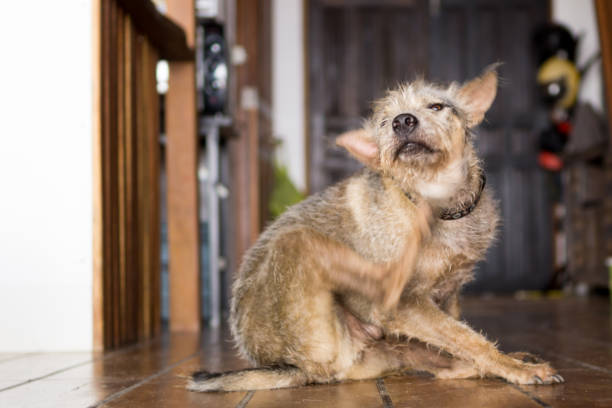
Why Routine Matters
A predictable daily structure does more than make life easier for you—it profoundly influences a dog’s physical health, emotional stability, and behavioural repertoire.
| Physiological Benefits | Behavioural & Emotional Benefits |
|---|---|
| Regulated metabolism & stable blood glucose | Reduced anxiety & fear‑based reactions |
| Consistent circadian rhythm → better sleep | Clear expectations → less destructive behaviour |
| Predictable bowel movements → easier house‑training | Strengthened human‑dog bond through shared rituals |
| Optimised immune function via regular vaccination/health checks | Improves learning & recall during training sessions |
Scientific Insight:
Research published in Applied Animal Behaviour Science (2021) shows that dogs living in households with structured feeding, walking, and playtimes exhibit 30‑45 % lower cortisol levels—an objective marker of stress—than dogs with erratic schedules. Moreover, routine aids in the formation of habituation, allowing dogs to anticipate events, which in turn reduces the activation of the amygdala (the brain’s fear centre).
2. Understanding Your Dog’s Basic Needs
Before drafting a schedule, it’s crucial to internalise the seven foundational pillars of canine welfare:
| Pillar | Key Components | Typical Frequency |
|---|---|---|
| Nutrition | Balanced diet (protein, fat, carbs, micronutrients), fresh water | 2‑3 meals/day (puppies) ➜ 1‑2 meals/day (adults) |
| Exercise | Walks, runs, fetch, agility, swimming | 30‑120 min total, split across the day |
| Mental Stimulation | Puzzle toys, scent games, obedience training | 10‑30 min multiple times per day |
| Social Interaction | Human bonding, dog‑to‑dog play, exposure to new environments | Daily, varied |
| Rest | Uninterrupted sleep, safe den | 12‑14 hr for adults, up to 18‑20 hr for puppies |
| Health Care | Vaccinations, parasite control, dental care, vet checks | Yearly or as directed |
| Grooming | Brushing, bathing, nail trimming, ear cleaning | Breed‑specific (weekly‑monthly) |
A well‑rounded routine will address each pillar at least once a day, with the frequency modified to suit age, breed, health status, and lifestyle.
3. Core Elements of a Daily Dog Routine
3.1 Feeding & Hydration
- Set Fixed Meal Times – Choose two consistent windows (e.g., 7 am & 6 pm). Use a digital kitchen timer or calendar reminder.
- Portion Control – Follow the manufacturer’s feeding chart and adjust for activity level, body condition score (BCS), and any weight‑loss/maintenance goals.
- Water Access – Ensure fresh, clean water is available at all times. Rotate water bowls daily to prevent biofilm buildup.
Tip: If your dog is food‑motivated, incorporate “training treats” into the meal to reinforce obedience during the feeding window.
3.2 Physical Activity & Play
| Activity | Ideal Duration | Best Time of Day |
|---|---|---|
| Morning Walk | 20‑30 min brisk | 7‑9 am (after breakfast) |
| Mid‑day Play (fetch, tug) | 10‑15 min | 12‑2 pm (if home) |
| Evening Walk | 30‑45 min relaxed | 5‑7 pm (pre‑dinner) |
| Night “Wind‑Down” Stretch | 5‑10 min | 8‑9 pm (post‑dinner) |
Exercise Variations:
- Structured: Leash walks on varied terrain, treadmill (if trained), agility circuits.
- Unstructured: Free‑range yard time, swimming, scent‑work scavenger hunts.
Safety Check: Always assess temperature (heat index > 28 °C for short breeds, > 24 °C for brachycephalic dogs) and adjust intensity or indoor options accordingly.
3.3 Training & Behavioural Enrichment
A 10‑15 minute focused training session, 2‑3 times per day, is optimal for most dogs.
- Morning Session: Basic obedience (sit, stay, come) – reinforces focus after the first walk.
- Afternoon Session: Trick training or scent detection – mental fatigue reduces afternoon misbehaviour.
- Evening Session: “Calm‑down” cues (place, settle) – prepares the dog for nighttime rest.
Use positive reinforcement (high‑value treats, praise, clicker) and keep sessions short, specific, and fun.
3.4 Grooming & Hygiene
| Task | Frequency | Best Timing |
|---|---|---|
| Brushing (coat) | 2‑3 × /week (short hair) / daily (long hair) | After morning walk |
| Dental Chew/Brush | Daily | After dinner |
| Nail Trim | Every 3‑4 weeks | Weekend “self‑care” slot |
| Bath (shampoo) | Every 6‑8 weeks (or as needed) | Mid‑week, after a vigorous play session |
| Ear Cleaning | Weekly (if breed‑prone) | After shower or bath |
Integrating grooming into the routine fosters trust and makes veterinary exams less stressful.
3.5 Health Monitoring & Preventive Care
- Daily Checks: Inspect paws, coat, eyes, and mouth for abnormalities.
- Weekly Log: Record weight, appetite, bowel movements, and any unusual behaviours.
- Monthly Reminder: Administer heartworm, flea/tick preventatives, and any prescribed medications.
Create a digital health journal (Google Sheets, DogLog app) to track trends over time.
3.6 Mental Stimulation & Puzzle Play
- Interactive Toys: Kong® stuffed with frozen peanut butter (15‑20 min).
- Scent Games: Hide treats around a room; gradually increase difficulty.
- Problem‑Solving: Sliding puzzles, treat‑dispenser balls, DIY cardboard maze.
Aim for 10‑15 minutes of new mental challenges at least once daily, preferably after a physical activity when the dog is primed for learning.
3.7 Socialisation & Human Interaction
- Human Bonding: 5‑10 minutes of calm petting, massage, or “lap time” after the evening walk.
- Dog‑to‑Dog Play: Supervised park visits 1‑2 × week (if safe).
- New Experiences: Weekly “adventure” (different park, bike ride, grocery store trip) – short exposure to novel sights, sounds, and smells.
Key Principle: Keep social encounters positive and short initially; gradually extend duration as confidence builds.
3.8 Sleep & Rest
- Designated Sleeping Area: A quiet, temperature‑controlled crate or bed in a low‑traffic zone.
- Night‑time Routine: Dim lights 30 min before bedtime, calming music, a short “settle‑down” cue (“Go to your bed”).
- Nap Management: Allow 2‑3 short naps during the day, especially after vigorous activity.
A consistent sleep schedule aligns the dog’s circadian rhythm, leading to better digestion, hormone regulation, and overall mood.
4. Designing a Tailored Schedule
4.1 Identify Constraints
| Constraint | Questions to Ask |
|---|---|
| Work Hours | What are your start/end times? Do you have a flexible schedule or remote days? |
| Household Members | Who else shares the dog’s care? Are there kids or seniors? |
| Living Situation | Apartment vs. house; yard access; nearby parks? |
| Dog Profile | Age, breed, health issues, energy level? |
4.2 Draft a Blueprint
- Morning Block (6:30 am‑9:30 am)
- 6:45 am – Water refill & quick coat check
- 7:00 am – Breakfast + 5‑min training cue
- 7:30 am – 20‑30 min walk (core exercise)
- 8:15 am – Post‑walk bathroom break & brief play
- Mid‑Day Block (12:00 pm‑2:00 pm)
- 12:15 pm – Light snack (healthy chew) + mental puzzle (10 min)
- 12:45 pm – Short indoor play session (fetch, tug)
- Evening Block (5:00 pm‑9:00 pm)
- 5:30 pm – Dinner + dental chew
- 6:00 pm – Longer walk (exploration, socialisation)
- 7:00 pm – Grooming/brush + calming massage (5 min)
- 7:30 pm – Training refinement (new cue or trick)
- 8:00 pm – Wind‑down routine (quiet time, settle cue)
- Night (9:30 pm‑10:30 pm)
- 9:45 pm – Final bathroom break
- 10:00 pm – Lights dim, soft music, crate/bed time
Customization Tips:
- High‑Energy Breeds (Border Collie, Australian Shepherd): Add an extra 15‑20 min of structured play (agility, fetch) mid‑day.
- Senior Dogs: Shorter, slower walks; more focus on joint‑support supplements, low‑impact mental games.
- Multi‑Dog Households: Stagger feeding times to prevent competition; rotate walk partners to keep social dynamics balanced.
4.3 Test, Refine, and Document
- Week 1 – Observation Phase: Record any signs of stress (pacing, whining), missed bathroom accidents, weight changes.
- Week 2 – Adjustment Phase: Tweak timing (e.g., move evening walk earlier if dog is overtired) and note impact.
- Week 3 – Stabilisation Phase: Lock in the schedule that yields calm behaviour, healthy weight, and satisfied mental engagement.
5. Tools, Apps, and Resources
| Category | Recommended Options | Key Features |
|---|---|---|
| Calendar & Reminders | Google Calendar, Cozi Family Organizer | Color‑coded blocks, email push notifications |
| Activity Tracker | Whistle GPS Collar, FitBark 2 | Real‑time step count, sleep monitoring |
| Health Log | DogLog, PetDesk, Excel template | Vaccination alerts, weight trend charts |
| Training Aid | Clicker App, Dogo – Training App | Video demos, progress streaks |
| Puzzle Toys | KONG® Classic, Outward Hound Nina Ottosson | Variable difficulty levels |
| Grooming Scheduler | GroomIt, Trello board | Task checklists, recurring cards |
| Professional Support | Local veterinary clinic, Certified Applied Animal Behaviourist (CAAB) | Routine health checks, behavior plan reviews |
Pro Tip: Sync your phone’s calendar with a smart speaker (e.g., Amazon Echo) to receive voice prompts: “It’s time for Max’s afternoon walk.”
6. Overcoming Common Obstacles
| Obstacle | Practical Solutions |
|---|---|
| Irregular Work Hours | Use a dog‑walker or pet‑sitting service for midday breaks; set automatic feeder for consistent meals. |
| Frequent Travel | Portable crate, travel‑size food, and a pre‑packed “routine bag”; maintain core activities (short walks, mental games) wherever you stay. |
| Multiple Dogs with Different Needs | Create individual “mini‑routines” within the household schedule; stagger walks and feeding. |
| Seasonal Weather Extremes | Indoor treadmill or indoor scent games for heat; heated bed and paw protection for winter. |
| Health Setbacks (injury, illness) | Consult vet for modified activity levels; focus on low‑impact mental enrichment and gentle physiotherapy. |
When life throws curveballs, maintain at least one anchor (e.g., feeding time) to preserve a sense of stability for your dog.
7. Tracking Progress & Adjusting the Plan
7.1 Success Indicators
- Behavioral: Decreased barking, less destructive chewing, consistent house‑training.
- Physical: Stable weight within the ideal BCS (4‑5/9), healthy coat, regular bowel movements.
- Emotional: Calm greeting at the door, relaxed body language, eagerness for scheduled activities.
7.2 Warning Signals
- Increased Panting/Lethargy: May signal over‑exercise or health issue.
- Escalating Anxiety (e.g., separation): Could indicate an overly rigid routine lacking flexibility or enrichment.
- Frequent Accidents: Could be a sign of missed bathroom breaks or digestive upset.
7.3 Routine Revision Checklist (Quarterly)
- Re‑evaluate Energy Levels – Adjust walk length or intensity.
- Check Nutritional Needs – Update food type/portion based on weight changes.
- Update Enrichment – Rotate puzzle toys to avoid habituation.
- Health Review – Schedule vet check‑up; update vaccinations and parasite control.
- Family Feedback – Ensure all household members are comfortable with the schedule.
8. Case Studies
Case Study 1 – “Bella,” a 2‑Year‑Old Border Collie (High‑Energy)
- Initial Issue: Hyperactivity, frequent “zoomies,” occasional destructive chewing.
- Implemented Routine:
- Added a 30‑minute morning agility circuit (5 am‑5:30 am).
- Integrated twice‑daily 15‑minute scent hunts (mid‑day & evening).
- Switched to high‑protein diet split into three meals.
- Outcome (8 weeks): 70 % reduction in unwanted indoor running, calmer evenings, weight stabilized at optimal BCS.
Case Study 2 – “Milo,” a 9‑Year‑Old Labrador Retriever (Senior)
- Initial Issue: Joint stiffness, irregular bathroom schedule, decreased appetite.
- Implemented Routine:
- Shortened walks to 15‑minute low‑impact leash strolls (twice daily).
- Introduced daily joint‑support supplement and warm water bath on Wednesdays.
- Added slow‑feed puzzle bowl for breakfast to extend chewing time.
- Outcome (12 weeks): Improved mobility, regular toileting, weight gain back to healthy range, enhanced enthusiasm for short play sessions.
Case Study 3 – “Luna,” a 6‑Month‑Old Shih Tzu (Apartment Living)
- Initial Issue: Inconsistent house‑training, separation anxiety when owner left for work.
- Implemented Routine:
- Established strict feeding/ bathroom schedule (7 am, 12 pm, 5 pm).
- Used crate training with a comforting blanket, gradually increasing alone time.
- Employed interactive video call during lunch break for brief visual interaction.
- Outcome (4 weeks): Accidents reduced from 5 days to 0, calmer departures and arrivals, better sleep through the night.
9. Frequently Asked Questions
| Question | Brief Answer |
|---|---|
| How many walks does my dog need? | Minimum two walks (morning & evening); total duration 30‑120 min depending on breed, age, health. |
| Can I skip a day of training? | Consistency is key, but occasional breaks are okay; keep them brief and resume the next day. |
| What if my dog refuses a new routine? | Introduce changes gradually (5‑10 min increments), use high‑value rewards, and stay patient. |
| How do I adjust routine for a dog with chronic illness? | Prioritise low‑impact activity, frequent small meals, and regular vet‑guided medication timing. |
| Is it okay to let my dog nap during the day? | Yes—dogs need 12‑14 hr of sleep (more for puppies/seniors). Just ensure naps don’t replace scheduled activity. |
| Should I use an automatic feeder? | Helpful for consistency, especially if you travel; ensure the device is reliable and food is kept fresh. |
| How often should I change my dog’s diet? | Typically every 6‑12 months or when life stage changes; consult your vet. |
10. Final Take‑aways & Action Checklist
- Map Your Dog’s Core Needs (nutrition, exercise, mental play, social, rest, health, grooming).
- Create a Visual Daily Schedule – use a wall‑mounted calendar or digital app.
- Anchor the Day with Fixed Meal Times – the first and most reliable consistency cue.
- Layer Activities – walk → training → mental game → grooming → calm‑down → sleep.
- Track & Review Weekly – log weight, mood, bathroom habits, and adjust as needed.
- Prepare for Disruptions – have a backup walker, portable routine bag, and a “minimum‑essential” schedule.
- Celebrate Small Wins – a calm greeting, a clean house, a wagging tail—these signal the routine is working.
Remember: A dog’s well‑being thrives on predictability, balanced stimulation, and loving interaction. By weaving together a thoughtfully designed routine, you not only meet your dog’s physiological demands but also nurture a deep, trust‑filled partnership that lasts a lifetime.
#DogRoutine, #CanineWellBeing, #PetCareTips, #DogTraining, #ConsistentCare, #HealthyDogLife, #DogExercise, #DogMentalStimulation, #DogGrooming, #DogHealthCheck, #DogSleep, #DogSocialisation, #PetRoutine, #DogParents, #DogLifestyle, #DogWellness, #RoutineMatters, #HappyDogHappyLife, #DogCareGuide, #DailyDogSchedule, #DogBehavior, #PetHealth, #DogNutrition, #DogFitness, #DogBonding, #SeniorDogCare, #PuppyRoutine, #ActiveDog, #DogTrainingTips, #DogEnrichment, #PetRoutinePlanner







Add comment