
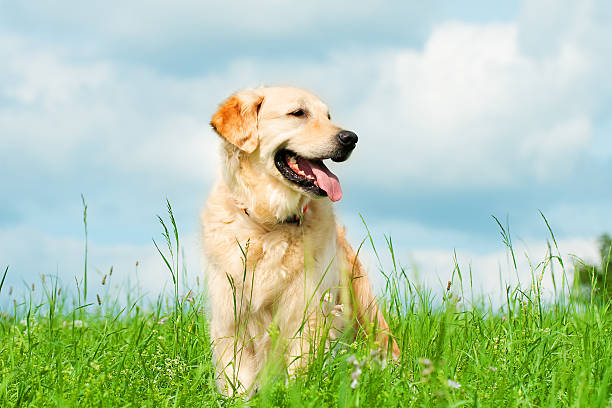
Cool weather, characterized by cold, dry air, wind, and rapid temperature changes, poses a significant challenge for dogs suffering from respiratory conditions. These conditions—including Tracheal Collapse, Chronic Bronchitis, Canine Asthma, Laryngeal Paralysis, or residual effects from Kennel Cough—mean that the airways are already compromised. Cold air acts as a bronchoconstrictor, tightening the airways and making exercise risky.
This guide provides structured protocols and activity suggestions that prioritize mental enrichment and low-impact physical activity, ensuring safety while maintaining a high quality of life.
SECTION 1: Foundational Safety & Respiratory Protocols
Before engaging in any cool-weather activity, strict adherence to medical and environmental protocols is mandatory.
1. Medical Assessment & Consultation
- Veterinary Approval: Never change activity levels without confirming with your veterinarian. They can provide specific guidelines based on the dog’s medication schedule (e.g., bronchodilators, steroids) and diagnosis.
- The Danger Zone: Many dogs with sensitive airways suffer discomfort or severe irritation when temperatures drop below 40°F (4°C), especially if combined with wind chill or high humidity.
- Medication Readiness: Always have prescribed emergency medications (such as nebulizer solutions or quick-acting inhalers, if applicable) immediately accessible during and after outdoor excursions.
2. Gear & Environment Control
| Protocol | Rationale for Respiratory Dogs |
|---|---|
| Harness Only | NEVER use a neck collar. Any pressure or tension on the trachea can trigger a coughing fit, exacerbate tracheal collapse, or limit airflow. Use a well-fitted Y-front or step-in harness that distributes pressure across the chest. |
| Protective Outerwear | Invest in coats or sweaters that cover the core to help regulate body temperature, reducing the body’s need to pant excessively to cool down or shiver to warm up. |
| Pre-Warm the Air (Optional) | For severe cases, some specialized harnesses or snoods can cover the dog’s mouth and nose, allowing them to pre-warm the air slightly before it enters the lungs. |
| Control Indoor Air Quality | Avoid using strongly scented candles, air fresheners, or heavy cleaning chemicals, as these airborne irritants can trigger episodes indoors. Use a HEPA filter and maintain appropriate indoor humidity (40-50%). |
| Avoid Dust/Smoke | Steer clear of dusty trails, areas where leaf blowers are operating, or places where people are smoking or burning fires. |
3. Pacing and Timing
The 10-Minute Rule: For severe sensitivities, outdoor walks should be limited to 5 to 10 minutes, purely for necessary elimination. The key is to keep movement slow and deliberate.
Warm-Up/Cool-Down: Avoid rapid transitions. Before going outside, have the dog sit calmly near the door for a minute. Upon returning, ensure they are dried immediately (if damp) and rested near their bed, not near a cold draft or a blasting heat vent.
SECTION 2: Low-Impact Outdoor Activities (Controlled Exertion)
The goal of outdoor time is enrichment and necessary elimination, not aerobic exercise. Any activity that encourages rapid, deep breathing or panting must be avoided.
1. The Supervised Sniffari
A “Sniffari” leverages the dog’s mental acuity while keeping physical exertion minimal. Scent work is incredibly tiring for dogs and is an ideal form of low-impact exercise.
- How to Execute: Take the dog to a small, contained area (your yard or a quiet street patch). Allow them to move at their own pace, slowly investigating odors in the grass, bushes, or cracks in the pavement.
- Pacing Check: If the dog starts pulling or trotting, slow them down immediately. The entire experience should resemble a slow, meditative walk.
2. Controlled Leash Walking (Short Duration)
- The ‘Sashay’ Walk: Walk no faster than the dog naturally wants to move. Avoid sidewalks with steep inclines or declines.
- Focus on Flat Ground: Stick to short, level stretches. Hills require more effort, triggering increased heart rate and respiration.
- Wind Awareness: Walk away from the wind first. The cold air hitting the dog’s face while walking into the wind can be a major trigger for coughing and irritation. Walk back with the wind at their back.
3. Controlled Patio Time
On bright, windless days, simply allowing the dog ten minutes of sunbathing or gentle observation on a covered patio or deck can provide mental stimulation without respiratory stress. Ensure the surface is dry and that they are wearing a core-warming jacket.
4. Activities to Strictly AVOID Outdoors
| High-Risk Activity | Reason for Exclusion |
|---|---|
| Fetch or Throwing Toys | Triggers rapid acceleration, excitement, and excessive panting, leading to airway inflammation and potential collapse. |
| Dog Parks or Group Play | Social stress and excitement cause shallow, rapid breathing and hyperventilation, compounding airway issues. Also exposes the dog to infectious diseases (like Kennel Cough). |
| Long, Sustained Jogging/Running | High aerobic demand is too strenuous for a compromised respiratory system. |
| Swimming (Cold Water) | Cold water constricts blood vessels and requires heavy exertion to regulate body temperature, stressing the heart and lungs. |
SECTION 3: Engaging Indoor Activities (Mental Enrichment is Key)
When the weather is too cold, windy, or volatile, indoor activities are paramount. Mental exertion can tire a dog as effectively as physical exercise, without the risk of respiratory distress.
1. Advanced Nose Work and Scent Games (The Gold Standard)
Scent work is the best way to expend energy safely.
- Hide-and-Seek (Scent-Focused): Have the dog “Stay” in a room while you hide high-value treats (or specific scent oils, if trained) in easy-to-reach locations (under a towel, behind a sofa leg, under an upside-down cup). Release them to search slowly.
- The Shell Game: Use three opaque cups. Show the dog a treat, place it under one cup, and slowly move the cups. This uses deep focus and requires minimal movement.
2. Puzzle Toys and Food Dispensers
These activities slow down eating, provide focused mental work, and keep the dog calm and stationary.
- LickiMats: Spreading peanut butter, yogurt, or soft food on a LickiMat encourages slow, calming licking, which has a naturally soothing effect.
- Kongs and Toppls: Stuffing these with frozen food creates a long-lasting, stationary activity.
- Snuffle Mats: Hiding kibble deep within the fabric mat encourages slow, focused foraging.
3. Low-Impact Training and Obedience
Focus on tricks and commands that require the dog to remain low to the ground and relaxed.
- Basic Stays: Practicing long-duration “Stay” commands in different parts of the house.
- Targeting: Teaching the dog to touch their nose to your hand or a specific object.
- “Find Your Bed”: A command that encourages the dog to calmly move a short distance and settle down. (Avoid “Roll Over” or commands that involve vigorous body contortion.)
4. Passive Enrichment
- Window Watching (Supervised): If the dog has a favorite window, allow them monitored viewing time. They can observe the outside world without exposure to the cold air.
- Massage and Brushing: Gentle massage and thorough brushing can be very relaxing, lowering heart rate and promoting calmness.
SECTION 4: Monitoring, Symptoms, and Emergency Signs
Always monitor your dog’s breathing patterns closely during and after any activity.
1. The Respiratory Rate Check
Learn your dog’s resting respiratory rate (breaths per minute, counted while they are asleep or completely calm). A normal resting rate is typically 15 to 30 breaths per minute.
- If the dog’s rate is significantly elevated (e.g., above 35-40 breaths per minute) after a short walk, the activity level was too high.
2. Overt Signs of Respiratory Distress
Stop all activity immediately and seek veterinary care if you observe any of the following:
| Symptom | Description & Urgency |
|---|---|
| Non-Stop Coughing/Hacking | A persistent, honking cough (classic sign of tracheal irritation or collapse) that does not resolve after a few minutes of rest. |
| Reverse Sneezing | While often benign, if a reverse sneeze episode is prolonged and causes visible distress, it is a sign of severe airway irritation. |
| Blue or Purple Gums | EMERGENCY. Indicates severe lack of oxygen (cyanosis). Immediate veterinary attention is required. |
| Exaggerated Abdominal Effort | Visible, heavy effort used by the belly and chest muscles to push air in and out. |
| Reluctance to Move | The dog stops abruptly during a walk and refuses to continue, indicating they are struggling. |
| Audible Wheezing or Stridor | High-pitched, noisy breathing that can be heard without a stethoscope, indicating a narrowed airway. |
3. Post-Activity Cool Down
Following any excursion, ensure your dog is completely dry and settled. Provide fresh, room-temperature water. Monitor them closely for the next 30 minutes. If coughing or heavy breathing persists 15 minutes after returning indoors, consult your vet immediately.






Add comment