
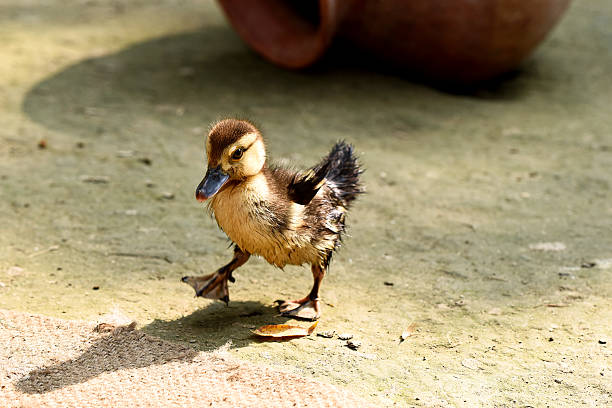
Copper Metabolism in Ducks – A Brief Overview
| Step | Physiological Process | Key Organs / Molecules |
|---|---|---|
| Absorption | Primarily in the duodenum and proximal jejunum via copper transporter 1 (CTR1) and divalent metal transporter‑1 (DMT‑1). | Intestinal mucosa, metallothionein (MT) binding proteins. |
| Transport | Bound to ceruloplasmin, albumin, and α‑2‑macroglobulin in plasma. | Liver (central hub for copper distribution). |
| Storage | Hepatic metallothionein sequesters excess copper; smaller amounts stored in kidney, brain, and skeletal muscle. | Hepatocytes, lysosomes. |
| Excretion | Biliary excretion is the dominant route; minor urinary loss. | Bile → feces. |
When intake exceeds the liver’s storage capacity, free copper ions (Cu²⁺) accumulate, catalyzing Fenton‑type reactions that generate reactive oxygen species (ROS). ROS damage lipids, proteins, and DNA, especially in the liver, kidneys, and central nervous system—organs most vulnerable to copper overload.
3. Causes of Copper Toxicity
3.1 Excess Dietary Copper
| Source | Typical Concentration | Potential for Toxicity |
|---|---|---|
| Commercial waterfowl feeds (standard formulation) | 8–15 mg kg⁻¹ (dry matter) | Generally safe; toxicity rare unless feed is over‑supplemented. |
| “High‑copper” breeder feeds (often for pigmentation) | 30–60 mg kg⁻¹ | Can cause sub‑clinical hepatic accumulation over weeks. |
| Homemade grain mixes with copper sulfate or copper chelate | Highly variable; 100+ mg kg⁻¹ easily achievable | Common source of acute poisoning if mis‑measured. |
| Pasture or foraged greens growing on copper‑treated soils (e.g., copper‑based fungicides, livestock mineral blocks) | Up to 200 mg kg⁻¹ in plant tissue | Chronic exposure, especially in free‑range flocks. |
Key point: The LD₅₀ (dose lethal to 50 % of population) for ducks is estimated at ~ 300 mg kg⁻¹ feed (≈ 30 mg Cu per kg body weight per day). Sub‑lethal chronic exposure can cause liver damage at far lower levels (≈ 15–20 mg kg⁻¹ feed for > 4 weeks).
3.2 Environmental Contamination
- Copper‑based fungicides & algaecides used in ponds, rice paddies, or aquaculture systems can leach into water, leading to ingestion of copper‑laden water and invertebrates.
- Industrial effluents (copper smelting, mining runoff) raise ambient water concentrations; ducks feeding on aquatic vegetation or invertebrates accumulate copper via the food chain.
- Corroded copper water lines or copper pipes in domestic water systems can release soluble Cu²⁺, especially when water is acidic (pH < 6.5).
3.3 Genetic or Physiologic Predisposition
- Certain duck lines possess lower hepatic metallothionein expression, reducing their buffering capacity.
- Young ducklings have immature biliary excretion pathways, making them more susceptible to accumulation.
- Concurrent liver disease (e.g., aflatoxicosis, viral hepatitis) impairs copper clearance, precipitating toxicity at lower intake levels.
3.4 Iatrogenic (Veterinary/Management) Causes
- Over‑correction of copper deficiency with injectable copper‑containing preparations.
- Accidental ingestion of copper sulfate used for weed control in adjacent fields.
4. Clinical Signs & Symptoms
Copper toxicity manifests as a multisystemic disease. Clinical presentation varies with dose, duration, and individual susceptibility.
| System | Typical Signs | Pathophysiology |
|---|---|---|
| Gastrointestinal | Anorexia, watery or bloody diarrhea, regurgitation, crop stasis | Mucosal erosion from ROS, bile reflux. |
| Hepatic | Hepatomegaly (palpable), icterus (yellowing of sclera, skin, egg yolk), elevated liver enzymes (AST, ALT, GGT) | Copper‑induced hepatocyte necrosis, cholestasis. |
| Renal | Polyuria, polydipsia, increased uric acid, renal tubular degeneration | Direct tubular copper toxicity. |
| Neurologic | Tremors, ataxia, seizures, circling, opisthotonus (arched back) | Copper accumulation in basal ganglia, oxidative neuronal injury. |
| Dermatologic | Darkened feather quills, greenish‑blue iridescence of beak and toenails, feather loss | Copper deposition in keratinized tissues. |
| Reproductive | Decreased egg production, thin‑shell eggs, embryonic mortality, reduced hatchability | Disrupted copper‑dependent enzymes in oviduct. |
| Respiratory | Dyspnea, increased respiratory rate (in severe systemic collapse) | Secondary to metabolic acidosis, hepatic encephalopathy. |
Onset:
- Acute high‑dose exposure (≥ 300 mg kg⁻¹ feed) → signs appear within 12–48 h.
- Chronic low‑dose exposure (15–30 mg kg⁻¹ feed) → insidious signs evolve over weeks to months (poor growth, mild jaundice, feather discoloration).
Severity grading (adapted from Avian Toxicology Society, 2023):
| Grade | Clinical Picture | Prognosis (with treatment) |
|---|---|---|
| I (Mild) | Subclinical liver enzyme elevation, slight feather discoloration, normal appetite. | Excellent; full recovery with dietary correction. |
| II (Moderate) | Anorexia, mild jaundice, hepatic enlargement, occasional tremors. | Good if treated within 48 h; some residual hepatic scarring possible. |
| III (Severe) | Profound anorexia, marked icterus, neurologic signs, hematuria, high mortality risk. | Guarded; rapid intervention required, many birds may not survive. |
| IV (Fatal) | Multi‑organ failure, severe encephalopathy, refractory seizures. | Poor; euthanasia often the humane option. |
5. Duck Breeds at Risk
While copper toxicity can affect any duck, certain breeds and production lines exhibit heightened vulnerability due to genetics, management practices, or typical feeding regimes.
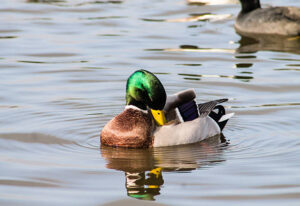
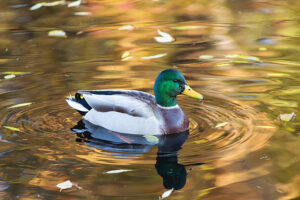
5.1 Mallard‑Derived Domestic Breeds (e.g., Pekin, Aylesbury, Rouen)
These commercial meat and egg producers are frequently reared on high‑protein, high‑energy feeds that sometimes incorporate copper chelates to promote feather pigmentation and disease resistance. Their rapid growth rate demands large feed intakes, magnifying the absolute copper load. Moreover, intensive breeding farms often use copper‑based footbaths to control coccidiosis, which can be ingested inadvertently.
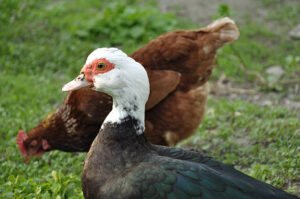
5.2 Muscovy Ducks (Cairina moschata)
Muscovies have a naturally higher hepatic copper storage capacity, but paradoxically, they are often kept in pasture‑based systems where they graze on vegetation growing on copper‑treated soils. The combination of a robust liver that can accumulate copper and a foraging habit increases the risk of chronic intoxication.
5.3 Heritage & Fancy Breeds (e.g., Call Ducks, Chinese Crested, Khaki Campbell)
These smaller, often ornamental ducks receive supplemented feeds that may contain “beauty” additives like copper sulfate to enhance feather sheen. Their lower body mass means that per‑kilogram copper doses are proportionally higher, pushing them quickly into toxic thresholds.
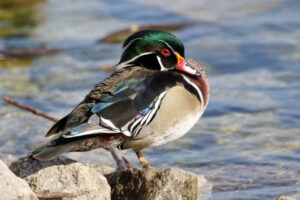
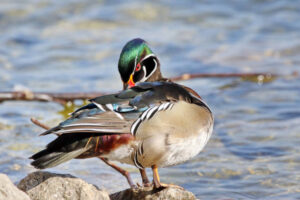
5.4 Wild and Semi‑Wild Populations (e.g., Wood Ducks, Bufflehead, Whistling Ducks)
Although not part of typical domestic production, wild waterfowl feeding in copper‑contaminated wetlands (e.g., near mining operations) have shown hepatic copper concentrations exceeding safe limits, leading to population‑level health concerns.
Bottom line: Any duck breed receiving an unmonitored source of copper—whether through formulated feed, environmental exposure, or supplemental treatments—should be considered at risk.
6. Life‑Stage Susceptibility
| Life Stage | Physiological Reason for Susceptibility | Typical Exposure Scenarios |
|---|---|---|
| Embryo (in‑egg) | Egg yolk is a reservoir for maternal copper; excess leads to embryonic liver overload. | Breeder hens fed high‑copper diets → yolk deposition; copper‑containing incubator water. |
| Hatchlings (0–4 weeks) | Immature biliary excretion, high feed intake relative to body weight, porous skin enabling dermal absorption. | Sudden switch to “starter” feed with copper premix; contaminated brooder water. |
| Juveniles (4–12 weeks) | Rapid growth demands high feed consumption; still developing hepatic metallothionein. | Transition to grower feed; exposure to copper‑treated pond water. |
| Adults (≥ 12 weeks) | Fully functional excretory pathways but cumulative load can cause chronic disease. | Long‑term breeder diets, environmental copper sources. |
| Seniors (≥ 2 years) | Declining liver regenerative capacity; possible concurrent age‑related hepatic disease. | Chronic low‑dose exposure, reduced detoxification efficiency. |
Critical window: the first 4 weeks of life are the most sensitive; a single overdose during this period can cause irreversible hepatic necrosis and high mortality.
7. Diagnosis
7.1 Clinical Assessment
- History taking – Recent feed changes, use of copper‑based fungicides, water source, exposure to mineral blocks, and any sudden mortality in the flock.
- Physical exam – Palpation for hepatomegaly, evaluation of scleral/jaw coloration, neurologic testing (wing‑flap, gait).
- Scoring systems – Use the AviPro Copper Toxicity Score (ACTS) (0–10) to standardize severity evaluation.
7.2 Laboratory Testing
| Test | What It Reveals | Interpretation in Copper Toxicity |
|---|---|---|
| Serum copper concentration (ICP‑MS) | Total circulating copper. | > 150 µg dL⁻¹ (normal ≈ 30–80 µg dL⁻¹) suggests overload. |
| Hepatic copper concentration (liver biopsy, ICP‑MS) | Direct tissue load. | > 400 µg g⁻¹ dry weight (threshold for chronic toxicity). |
| Liver enzymes (AST, ALT, GGT, ALP) | Hepatocellular injury. | Marked elevation (> 3× reference) is typical. |
| Bilirubin (total & direct) | Jaundice severity. | Elevated > 2 mg dL⁻¹ (hyperbilirubinemia). |
| Uric acid & renal panel | Renal involvement. | Increased uric acid, BUN, creatinine indicate nephrotoxicity. |
| Complete blood count (CBC) | Anemia, hemolysis. | Regenerative anemia may develop. |
| Oxidative stress markers (MDA, SOD) – Research setting | ROS burden. | Elevated malondialdehyde (MDA) confirms oxidative damage. |
Sample handling: Liver tissue should be flash‑frozen in liquid nitrogen and stored at ‑80 °C until analysis to prevent copper leaching.
7.3 Imaging
- Ultrasonography – Detects hepatomegaly, echogenic changes, and biliary stasis.
- Radiography – Rarely diagnostic, but may reveal mineralized liver nodules in chronic cases.
7.4 Differential Diagnosis
| Condition | Key Distinguishing Features |
|---|---|
| Aflatoxicosis | Presence of mycotoxins in feed; similar liver lesions but no copper elevation. |
| Lead poisoning | Neurologic signs with dark‑colored beak/feathers; high blood lead levels. |
| Vitamin E deficiency | Muscle necrosis, hemorrhages, low plasma α‑tocopherol. |
| Bacterial hepatitis (e.g., Salmonella) | Fever, leukocytosis, culture positive. |
| Copper-deficiency (swayback) | Neurologic signs but low hepatic copper; usually seen in hatchlings with low copper diets. |
7.5 Confirmatory Diagnosis
The gold standard: Quantitative hepatic copper concentration > 400 µg g⁻¹ (dry) combined with compatible clinicopathologic findings.
8. Treatment
Goal: Reduce circulating copper, mitigate oxidative damage, support hepatic/renal function, and prevent secondary infections.
8.1 Immediate Management
| Action | Details |
|---|---|
| Remove the offending source | Switch to a copper‑free or low‑copper diet (< 5 mg kg⁻¹). Discontinue copper‑containing water additives. |
| Fluid therapy | 0.9 % NaCl or lactated Ringer’s, 30–40 mL kg⁻¹ day⁻¹, to maintain perfusion and promote biliary excretion. |
| Chelation therapy | Penicillamine (2–5 mg kg⁻¹ PO q12h) or D-penicillamine (10 mg kg⁻¹ PO q24h) – binds copper for urinary and fecal excretion. Use cautiously: monitor for hypokalemia and renal toxicity. |
| Vitamin E and Selenium supplementation | 50 IU kg⁻¹ vitamin E + 0.2 mg kg⁻¹ Se orally daily – combats oxidative stress. |
| Antioxidant therapy | N‑acetylcysteine (NAC) 50 mg kg⁻¹ IV q12h for 3 days – replenishes glutathione stores. |
| Hepatoprotectants | S‑adenosyl‑L‑methionine (SAMe) 25 mg kg⁻¹ PO q24h; silymarin 100 mg kg⁻¹ PO q12h. |
| Supportive nutrition | High‑energy, low‑protein diet (e.g., boiled rice + boiled egg yolk) to reduce metabolic load on the liver. |
8.2 Advanced Interventions
| Therapy | Indications | Protocol |
|---|---|---|
| Liver dialysis (peritoneal lavage) | Severe hepatic overload (> 600 µg g⁻¹) with refractory icterus. | 0.5 L kg⁻¹ sterile isotonic solution per lavage, repeated every 12 h for 2–3 days. |
| Intravenous lipid emulsion (ILE) | Acute copper intoxication causing neurologic signs. | 20 % lipid emulsion 1 mL kg⁻¹ bolus, then 0.5 mL kg⁻¹ h⁻¹ for 4 h. |
| Antibiotic prophylaxis | Secondary bacterial translocation from gut due to liver barrier breakdown. | Enrofloxacin 10 mg kg⁻¹ PO q24h (if no contraindication). |
| Seizure control | Tremors, seizures. | Diazepam 0.5 mg kg⁻¹ IV once, repeat q2h if needed. |
8.3 Monitoring
- Daily: Body weight, feed intake, fecal consistency, neurologic exam.
- Every 48 h: Serum copper, liver enzymes, bilirubin.
- Weekly (until stable): Hepatic copper (if biopsy feasible), uric acid, electrolytes.
8.4 Prognosis
| Severity | Expected Outcome with Prompt Treatment |
|---|---|
| Grade I–II | > 90 % survival; full functional recovery usually within 2–3 weeks. |
| Grade III | 60–80 % survival; may develop chronic liver fibrosis; long‑term monitoring required. |
| Grade IV | < 30 % survival; high risk of irreversible neurologic deficits. Euthanasia often recommended to prevent suffering. |
Long‑term sequelae: Persistent hepatic copper deposits, reduced egg quality, and occasional delayed neurologic deficits.
9. Complications
- Secondary bacterial infections (e.g., Clostridium perfringens necrotic enteritis) due to compromised gut barrier.
- Hepatic fibrosis leading to chronic cholestasis and reduced albumin synthesis.
- Renal tubular necrosis causing chronic gout‑like conditions (excess uric acid).
- Reproductive failure – embryonic mortality, weak hatchlings, malformed chick skeletons.
- Neurologic sequelae – persistent tremors, ataxia, and impaired foraging behavior.
10. Prevention
10.1 Nutritional Strategies
- Formulate feeds according to the NRC (National Research Council) guidelines for waterfowl: ≤ 10 mg kg⁻¹ copper for adult diets; ≤ 5 mg kg⁻¹ for starter feeds.
- Avoid copper chelates (e.g., copper methionine) unless a specific deficiency is documented.
- Rotate mineral supplements: Use zinc, manganese, and iron at appropriate ratios to competitively inhibit copper absorption.
10.2 Environmental Management
- Test water sources for copper (ICP‑MS) at least quarterly; aim for < 0.2 mg L⁻¹.
- Replace copper‑based footbaths with zinc‑based alternatives.
- Implement buffer zones (≥ 5 m) between duck ponds and fields treated with copper fungicides.
- Use phytoremediation (e.g., willows, poplars) to absorb excess soil copper in contaminated pastures.
10.3 Biosecurity & Monitoring
- Routine copper screening: Sample a random subset (5 % of the flock) monthly for hepatic copper via a minimally invasive liver biopsy or feather analysis.
- Record‑keeping: Maintain a feed‑ingredient log, water‑quality reports, and any copper‑containing product usage.
- Educate staff on safe handling of copper compounds and the importance of accurate dosing when mixing feeds.
10.4 Genetic Selection
- Encourage breeding programs that select for higher hepatic metallothionein expression (identified via genomic markers). Though still experimental, emerging data suggest a modest protective effect.
11. Diet & Nutrition – Optimizing Copper Balance
| Nutrient | Recommended Level for Ducks | Role in Copper Homeostasis |
|---|---|---|
| Copper | 5–10 mg kg⁻¹ (starter); 8–12 mg kg⁻¹ (grower); 10–15 mg kg⁻¹ (lay) – Never exceed 30 mg kg⁻¹ | Essential trace element; co‑factor for cytochrome c oxidase, superoxide dismutase. |
| Zinc | 45–80 mg kg⁻¹ | Competes for intestinal transporters; excess zinc can reduce copper absorption. |
| Manganese | 30–60 mg kg⁻¹ | Shared transporter (DMT‑1); balanced levels prevent copper overload. |
| Iron | 80–120 mg kg⁻¹ | Required for ceruloplasmin synthesis; iron deficiency can increase copper absorption. |
| Vitamin E | 50–100 IU kg⁻¹ (plus 10 IU g⁻¹ feed) | Antioxidant; mitigates copper‑induced lipid peroxidation. |
| Selenium | 0.15–0.4 mg kg⁻¹ | Works with vitamin E; bolsters glutathione peroxidase. |
| Methionine & Cysteine (sulphur amino acids) | 1.5 %–2 % of diet | Required for metallothionein synthesis, enhancing copper sequestration. |
| Fiber | 3–5 % (e.g., oat hulls) | Reduces copper absorption by binding in the gut. |
Feed‑formulation tip: Incorporate phytate‑binding enzymes (phytase) to improve mineral bioavailability while keeping copper levels low.
Sample low‑copper starter mash (per kg):
- 500 g wheat middlings
- 250 g corn gluten feed
- 150 g soy protein concentrate
- 40 g calcium carbonate (for ash balance)
- 30 g bone meal (source of calcium and phosphorus)
- 20 g vitamin‑mineral premix (copper ≤ 5 mg)
- 5 g DL‑methionine
- 5 g vitamin E (α‑tocopherol acetate)
All ingredients should be tested for copper content before mixing.
12. Zoonotic Risk
Copper toxicity itself is not zoonotic; copper does not transmit from ducks to humans. However, several secondary concerns merit attention:
- Secondary bacterial infections (e.g., Salmonella spp.) can be shed in the feces of compromised ducks, posing a food‑borne risk to handlers.
- Copper‑contaminated eggs: Excess copper can be deposited in the yolk, potentially exceeding safe dietary limits for vulnerable human populations (e.g., individuals with Wilson’s disease). While occasional consumption is unlikely to cause harm, large‑scale egg production from affected flocks should be avoided.
- Environmental exposure: Improper disposal of copper‑laden carcasses or manure can contaminate soil and water used for human agriculture.
Preventive measures:
- Follow strict personal protective equipment (PPE) protocols when handling sick birds or contaminated feed.
- Dispose of carcasses by incineration or deep burial away from water sources.
- Treat manure (e.g., compost at ≥ 70 °C) before field application to immobilize copper.
13. Summary Checklist for Duck Keepers
| Item | What to Do |
|---|---|
| Feed audit | Verify copper content ≤ 10 mg kg⁻¹ for starter feeds. |
| Water testing | Check for Cu²⁺ > 0.2 mg L⁻¹; treat with reverse osmosis if needed. |
| Environmental survey | Identify copper‑based pesticides, footbaths, or mineral blocks; replace with alternatives. |
| Clinical monitoring | Look for jaundice, feather discoloration, neurologic signs, reduced egg production. |
| Laboratory screening | Monthly serum copper & liver enzymes for any suspicion. |
| Record keeping | Log feed formulations, water source changes, and any copper‑containing product use. |
| Emergency protocol | Have chelation agents (penicillamine), IV fluids, and antioxidant supplies on‑hand. |
| Education | Train staff on correct mixing ratios and safe handling of copper compounds. |
#CopperToxicity #DuckHealth #WaterfowlWellness #AvianMedicine #VeterinaryGuide #DuckNutrition #CopperPoisoning #PekinDuck #MuscovyDuck #HeritageDucks #DuckBreeders #AvianToxicology #PetBirdCare #FarmSafety #CopperFreeFeed #WildWaterfowl #EggQuality #BirdVeterinarian #AnimalHealth #Zoonosis #EcoFarming #SustainablePoultry #CopperAwareness #DuckRescue #AquaticBirds #FeatherHealth #BirdOwners #DuckLife #AnimalWelfare #FoodSafety
Add comment