
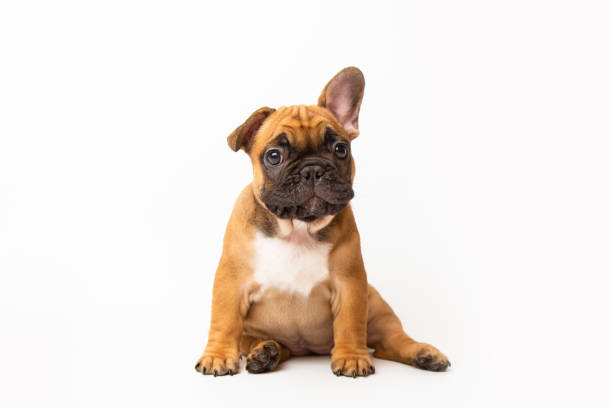
Bringing a new puppy into your home is an incredibly rewarding experience, but it also comes with the significant responsibility of housetraining. This process requires patience, consistency, and a deep understanding of your puppy’s needs. This guide will walk you through every step of the housetraining journey, with a special focus on the invaluable role of crate training.
Understanding the Basics of Puppy Housetraining
Before diving into specific techniques, let’s establish some foundational principles:
- Puppies have small bladders: They can’t hold it for long, especially when they’re young. Frequent potty breaks are key.
- They are instinctually clean: Dogs generally don’t want to soil their den. Housetraining is about teaching them where the appropriate place to eliminate is.
- Consistency is paramount: Every family member needs to be on the same page with the training routine.
- Positive reinforcement is the most effective method: Rewarding good behavior encourages them to repeat it. Punishment will only create fear and anxiety, hindering the process.
- Accidents will happen: Don’t get discouraged. They are learning, and these are opportunities to reinforce the correct behavior.
Essential Tools for Housetraining
Gather these items before your puppy arrives or at the beginning of your training journey:
- Crate: The cornerstone of effective housetraining.
- High-value treats: Small, delicious treats that your puppy absolutely loves. These are for rewarding potty success.
- Enzymatic cleaner: Essential for thoroughly cleaning up accidents. Regular cleaners won’t eliminate the odor, which can encourage the puppy to go in the same spot again.
- Leash and collar/harness: For taking your puppy outside.
- Puppy pads (optional): Can be useful for very young puppies or in specific circumstances, but the goal is outdoor elimination.
- A designated potty spot outside: Choose a specific area in your yard.
The Housetraining Routine: A Step-by-Step Approach
- Establish a Strict Schedule:
- First thing in the morning: Take your puppy out immediately upon waking.
- After waking from naps: Another immediate potty break.
- After meals and drinking: Puppies need to eliminate about 15-30 minutes after eating or drinking.
- After playtime and excitement: Vigorous activity can stimulate the urge to go.
- Before bedtime: A final potty break to empty their bladder.
- Throughout the day: For very young puppies (8-12 weeks), you’ll need to take them out every 1-2 hours. As they get older, the intervals can increase. A general rule of thumb is their age in months + 1 hour (e.g., a 3-month-old puppy can typically hold it for about 4 hours).
- Choose a Command Word:
- Select a consistent word like “go potty,” “do your business,” or “potty.”
- Say the command word calmly as your puppy is eliminating. This helps them associate the word with the action.
- Supervise Constantly:
- When your puppy is not in their crate, they need to be under your direct supervision.
- Watch for signs that they need to go: circling, sniffing the ground intently, whining, looking restless, or heading towards a previously soiled spot.
- If you see these signs, immediately scoop them up and take them outside to their designated spot.
- Reward Generously:
- When your puppy successfully eliminates in the designated spot, praise them enthusiastically as they finish and immediately give them a high-value treat and more praise.
- This immediate positive reinforcement is crucial for them to understand what they’re being rewarded for. Don’t wait until you get back inside.
- Handle Accidents Calmly and Effectively:
- If you catch them in the act: Clap your hands loudly to startle them (not to scare them) and immediately take them outside. If they finish outside, praise and reward.
- If you find an accident after it happened: Do not scold, punish, or rub their nose in it. This will only make them afraid of you and more likely to hide their accidents.
- Clean thoroughly: Use an enzymatic cleaner to completely remove the odor. This is vital to prevent them from returning to the same spot.
- Limit Freedom When Unsupervised:
- When you can’t actively supervise your puppy, they should be in their crate or a confined, puppy-proofed area. This prevents accidents from happening unnoticed.
Crate Training for Potty Success
Crate training is an incredibly effective tool for housetraining because it leverages a dog’s natural instinct to keep their den clean. However, it’s crucial to introduce the crate positively.
The Principles of Crate Training for Housetraining:
- The Crate as a Den: The crate should be seen as a safe, comfortable den, not a punishment.
- Appropriate Size: The crate should be just large enough for your puppy to stand up, turn around, and lie down comfortably. If it’s too large, they may use one end as a potty area and sleep in the other. You can use dividers for larger crates.
- Positive Association: The crate should be a place of good things – treats, toys, and comfortable bedding.
How to Introduce the Crate:
- Make it Inviting:
- Place the crate in a common living area where the family spends time.
- Put comfortable bedding inside.
- Toss treats or kibble into the crate, encouraging your puppy to go in to get them.
- Feed your puppy their meals inside the crate.
- Short Stays:
- Start with very short periods. Close the door for a few seconds, then a minute, gradually increasing the time.
- If your puppy whines or barks, wait for a moment of quiet before opening the door. This teaches them that quiet is rewarded. Don’t let them out when they are demanding attention due to distress.
- Introduce Toys and Chews:
- Give your puppy a safe chew toy or a stuffed Kong inside the crate to keep them occupied.
- Nighttime Crate Training:
- Initially, place the crate in your bedroom so you can hear if your puppy needs to go out during the night.
- Take them out for a potty break right before bed.
- If they wake up and whine, take them out immediately for a quick potty break. Keep it boring – no play, minimal praise, just business. Then, back to the crate.
Using the Crate for Potty Training:
- When can’t supervise, the crate is the answer: If you can’t actively watch your puppy, they should be in their crate. This prevents accidents in the house.
- Scheduled poty breaks from the crate: Upon letting your puppy out of the crate (first thing in the morning, after naps, after meals, etc.), immediately take them to their designated potty spot outside.
- Do not use the crate for punishment: Never force a puppy into the crate if they are scared, and never use it as a place to send them when they’ve misbehaved. This will ruin the positive association.
- Do not leave your puppy in the crate for too long: Puppies have limits. Over-crating can lead to anxiety and accidents within the crate, which defeats the purpose.
Common Housetraining Challenges and Solutions
- Puppy is going in their crate:
- Too large: Ensure the crate is the correct size.
- Left too long: They may be out of desperation. Reduce crate time and increase potty breaks.
- Accident after being let out: Ensure you’re taking them out immediately after being released from the crate.
- Punishment was used previously: This can make them feel they must eliminate quickly, even in their den. Rebuild positive crate association.
- Puppy is going in a specific spot indoors:
- Thorough cleaning needed: Use enzymatic cleaner to eliminate all scent traces.
- Restrict access: Block off the area temporarily.
- Supervise more closely: Watch for signs and redirect.
- Puppy is not going in the designated potty spot outside:
- Make it rewarding: Ensure you’re giving high-value treats and enthusiastic praise immediately after they go.
- Familiarize them: Spend time outside with them, even if they don’t go right away. Play a little.
- Consider a scent cue: Some owners find it helpful to place a tiny bit of their puppy’s urine from an accident onto the designated potty spot (use a paper towel – don’t make it gross!). This can help them recognize the scent.
- Puppies with Multiple Owners:
- Unified approach: Ensure everyone in the household is using the same commands, schedule, and reward system.
When to Seek Professional Help
Most puppies are successfully housetrained within a few months. However, if you are struggling significantly, experiencing consistent accidents despite diligent effort, or suspect a medical issue, consult with:
- Your veterinarian: To rule out any underlying medical conditions (urinary tract infections, bladder stones, etc.) that could be causing accidents.
- A certified professional dog trainer or behaviorist: They can assess your specific situation and provide tailored guidance and support.
The Long Game: Patience and Positivity
Housetraining is a marathon, not a sprint. There will be good days and frustrating days. Remember to:
- Celebrate successes: Acknowledge every step forward.
- Be patient: Puppies learn at different paces.
- Stay positive: Your attitude significantly impacts your puppy’s learning and your overall experience.
- Build a strong bond: Housetraining is a fantastic opportunity to build trust and communication with your new canine companion.
By understanding your puppy’s needs, implementing a consistent routine, and utilizing the power of positive reinforcement and crate training, you’ll be well on your way to a clean and happy home with your well-behaved puppy!







Add comment