
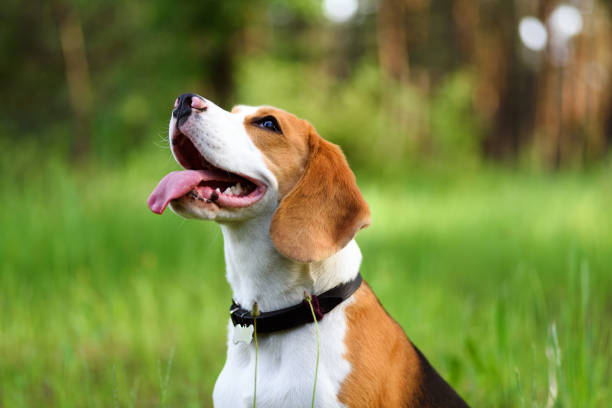
When a dog spends a significant portion of its life inside the house—whether due to weather, urban living, mobility restrictions, or owner schedules—the indoor environment becomes its primary ecosystem. A well‑designed home can:
- Prevent injuries caused by slipped floors, sharp corners, or toxic objects.
- Reduce anxiety and destructive behaviors that arise from boredom or overstimulation.
- Promote physical health by providing safe avenues for exercise, stretching, and weight management.
- Strengthen the human‑dog bond through shared spaces designed for interaction and play.
Creating a safe, stimulating indoor habitat isn’t just about “dog‑proofing.” It’s about enriching the dog’s life while protecting it from the subtle dangers that hide in everyday surroundings.
2. Understanding Your Dog’s Physical & Psychological Needs
| Need | Why It Matters | Typical Signs of Deficiency |
|---|---|---|
| Physical Exercise | Maintains muscle tone, joint health, cardiovascular fitness. | Restlessness, pacing, excessive barking. |
| Mental Stimulation | Prevents boredom‑driven problem behaviours. | Chewing furniture, digging, repetitive vocalizations. |
| Safe Resting Area | Allows restorative sleep, reduces stress. | Panting, inability to settle, hyper‑alertness. |
| Social Interaction | Satisfies pack‑instinct, reduces separation anxiety. | Withdrawal, clinginess, destructive self‑soothing. |
| Sensory Enrichment (smell, sound, light) | Mimics outdoor experiences, satisfies natural curiosity. | Apathetic demeanor, lack of curiosity, heightened fear responses. |
| Predictable Routine | Provides security, reduces anxiety. | Pacing around feeding times, aggressive guarding. |
| Health Monitoring | Early detection of illness, injury. | Changes in appetite, lethargy, altered gait. |
Every dog, regardless of breed, benefits from a balance of these elements. The indoor environment must deliver them in ways that fit the specific dog’s size, energy level, age, and temperament.
3. Safety First: Identifying & Eliminating Hazards
3.1 Structural Hazards
| Hazard | Example | Prevention | Tips |
|---|---|---|---|
| Slippery Floors | Polished hardwood or tile. | Add non‑slip runners or rugs; use area‑specific rug pads. | Ensure rugs are anchored to prevent tripping. |
| Sharp Edges | Coffee tables, exposed nails. | Use corner protectors, sand rough surfaces. | Opt for rounded‑edge furniture where possible. |
| Low‑Clearance Gaps | Space beneath appliances where a small dog can slip. | Seal gaps with removable panels; block access with pet gates. | Periodically check after moving appliances. |
| Unstable Objects | Top‑heavy bookshelves. | Anchor to wall with brackets. | Keep heavy items low to the ground. |
3.2 Toxic Substances
| Substance | Common Source | Toxic Effect | Safe Alternatives |
|---|---|---|---|
| Chocolate | Human snacks, leftovers. | Cardiovascular & neurologic signs. | Offer dog‑specific treats only. |
| Xylitol | Sugar‑free gum, some peanut butters. | Severe hypoglycemia, liver failure. | Use natural sweeteners like honey sparingly. |
| Essential Oils | Diffusers, cleaning sprays. | Respiratory irritation, dermatitis. | Use pet‑safe, vet‑approved oils; keep diffusers in another room. |
| Houseplants | Poinsettia, philodendron, aloe. | GI upset, organ damage. | Choose non‑toxic plants (e.g., spider plant, Boston fern). |
| Cleaning Agents | Bleach, ammonia, vinegar concentrates. | Burns, respiratory distress. | Store in locked cabinets; rinse surfaces thoroughly after use. |
Action Plan: Conduct a walk‑through audit with a notepad. Mark each item with a red (danger) or green (safe) sticker. Re‑evaluate quarterly.
3.3 Electrical & Mechanical Risks
- Loose Cords: Dogs love to chew; exposed wires can cause electrocution.
Solution: Use cord protectors, conceal wires inside PVC conduits, or run them behind furniture. - Appliance Hazards: Open washing‑machine doors, dishwasher racks, or dryer lint traps.
Solution: Keep lids closed, use child‑proof locks, and install safety covers. - Heating Elements: Radiators, baseboard heaters, and portable space heaters.
Solution: Place a heat‑resistant barrier (e.g., a sturdy rug) and never leave unattended.
4. Designing a Dog‑Friendly Layout
4.1 Traffic Flow & “Dog Zones”
- Core Pathway – A clear corridor (minimum 3‑4 ft wide) that runs from the main entry to the kitchen, bathroom, and sleeping area.
- Play Zone – A dedicated spot (≈ 6 ft² for small breeds, 12 ft²+ for large) with toys, puzzle feeders, and a soft surface.
- Rest Zone – Quiet corner with a dog bed, away from high‑traffic and noisy appliances.
- Feeding Zone – Ideally close to a water source but separate from the main walkway to prevent spills.
Use visual cues (different rug colors or floor patterns) to subtly delineate zones while preserving aesthetic continuity.
4.2 Furniture Selection & Placement
| Furniture | Dog‑Friendly Features | Placement Advice |
|---|---|---|
| Sofas/Sectionals | Removable, washable slipcovers; low‑height entry. | Keep far from sharp corners and beneath coffee tables. |
| Side Tables | Rounded edges; sturdy legs. | Use coasters to protect surfaces from scratching or chewing. |
| Bookshelves | Anchored, without open back panels. | Store lighter items on lower shelves to avoid tipping. |
| Dining Table | Rounded corners; smooth surface. | Provide a “dog‑under” space if the dog likes to be near family meals. |
| Pet‑Specific Furniture | Elevated dog beds with non‑slip bases, built‑in storage for toys. | Place near a window for natural light, but away from direct sunlight to avoid overheating. |
4.3 Flooring Choices
| Flooring Type | Pros | Cons | Dog‑Specific Tips |
|---|---|---|---|
| Solid Hardwood | Easy to clean, aesthetic. | Slippery when wet. | Use area rugs with non‑slip backing; apply a matte finish. |
| Engineered Wood | Stable with humidity changes. | Similar slip risk. | Same rug strategy as hardwood. |
| Luxury Vinyl Tile (LVT) | Waterproof, durable, softer under paws. | May emit VOCs initially. | Choose low‑VOC products; air‑out before installation. |
| Ceramic/Porcelain Tile | Very easy to mop, resistant to stains. | Extremely hard; can be tough on joints of large breeds. | Place a thick, washable rug in resting zones. |
| Cork | Natural, insulating, slightly cushiony. | Susceptible to moisture damage. | Seal with a pet‑safe finish; replace if water‑logged. |
| Pet‑Specific Interlocking Foam Tiles | Cushioned, easy to replace. | Can be chewed if not reinforced. | Use in play zones; secure edges with tape or interlock system. |
5. Climate & Air Quality Control
5.1 Temperature & Humidity
- Ideal Range: 68‑74 °F (20‑23 °C) with 45‑55 % relative humidity.
- Large Breeds & Older Dogs: Slightly cooler temps help prevent overheating of joints.
- Small or Short‑Haired Breeds: Warm micro‑climates (e.g., heated pads) can be beneficial in winter.
Tools: Smart thermostats that can be programmed for “dog‑hours” (times when the dog is home). Consider a thermometer with a pet‑specific alert that notifies you if temperatures exceed safe limits.
5.2 Ventilation & Air Purification
- Air Purifiers: HEPA filters capture dander, dust, and pollen. Choose models with activated carbon to neutralize odors.
- Ventilation: Install low‑noise exhaust fans in kitchen/bathroom; open windows safely using pet‑proof screens.
- Odor Control: Regularly wash bedding and use enzymatic cleaners for accidents; avoid aerosol sprays that could irritate a dog’s nasal passages.
6. Enrichment & Stimulation Strategies
A bored dog may resort to destructive chewing, excessive barking, or even self‑injury. Enrichment is the antidote.
6.1 Physical Exercise (Indoors)
- Short “Fetch” Sessions – Use a lightweight, soft ball or a plush fetch toy. Keep the distance limited to avoid collisions with furniture.
- Stair Climbing – If your home has a safe staircase, walk up and down with the dog (avoid for senior dogs with joint issues).
- Tug‑of‑War – A sturdy rope toy; great for strength and bonding. Teach “release” command to keep play controlled.
- Obstacle Courses – Use couch cushions, low benches, and tunnels (DIY or commercial). This builds coordination and confidence.
Goal: Minimum 30‑45 minutes of varied activity per day for moderate‑energy dogs; up to 2 hours for high‑energy breeds (e.g., Border Collie, Australian Shepherd).
6.2 Mental Stimulation & Puzzle Toys
| Toy Type | How It Works | Ideal For |
|---|---|---|
| Treat‑Dispensing Balls | Roll, bounce; treats released gradually. | Dogs that love to chew and need slow feeding. |
| Interactive Mats | Hide kibble under fabric flaps. | Scent‑driven dogs (e.g., hounds). |
| Snuffle Boxes | Loose filler (e.g., shredded paper) hides kibble. | Dogs with a strong foraging instinct. |
| Electronic Puzzle Games | Press buttons or slide levers for a reward. | Highly intelligent breeds (e.g., Poodles, German Shepherds). |
| DIY Bottle Toys | Empty plastic bottle with kibble; roll to dispense. | Budget‑friendly, recyclable solutions. |
Progression: Start simple, then increase difficulty as the dog masters each level. Rotate toys weekly to maintain novelty.
6.3 Sensory Enrichment (Scent, Sound, Light)
a. Scent Enrichment
- Herb Gardens: Small indoor pots of rosemary, mint, or lavender (non‑toxic). Dogs love the aroma and can sniff them safely.
- Scentscapes: Place a few drops of dog‑safe essential oils on a cotton ball (e.g., chamomile) inside a closed container; let the dog investigate.
b. Auditory Enrichment
- Calm Music: Classical or specially formulated “dog relaxation” playlists reduce stress.
- Nature Sounds: Gentle rain, birdsong, or ocean waves can be soothing, especially for dogs prone to separation anxiety.
c. Visual Enrichment
- Window Perches: A low‑profile bench near a secure window offers visual stimulation (watching passersby, squirrels).
- Projection Toys: Laser pointers (used responsibly) for chase play; ensure you never point the beam at the dog’s eyes.
7. DIY Projects that Add Value & Fun
7.1 Build a Custom Play Pen
Materials:
- 2 × 4 lumber (pressure‑treated)
- Plywood panels (½‑inch)
- Pet‑safe non‑slip rubber flooring
- Hinges, latch hardware
Steps (approx. 4 hours):
- Measure the desired footprint (e.g., 8 ft × 6 ft).
- Build a rectangular frame using 2 × 4s, securing corners with metal brackets.
- Attach plywood panels to the frame; leave one side with a hinged door using a latch that can be opened with a simple push.
- Lay rubber flooring inside; secure edges with carpet tape.
- Paint or seal the wood with a low‑VOC, pet‑safe finish.
Result: A safe, enclosed area where the dog can play without supervision, ideal for puppies or when you have guests.
7.2 Homemade Agility Equipment
Equipment List:
- PVC pipe (½‑inch) and connectors
- Foam pipe insulation (to prevent splinters)
- Collapsible tunnel (or use a large cardboard box).
Build a Tunnel & Weave Poles:
- Cut PVC to 4‑ft lengths for poles, attach to a base board.
- Space poles 18‑inches apart for small breeds; 24‑inches for larger dogs.
- Tape tunnel to the base board; secure ends with Velcro so you can roll it up for storage.
Training Tip: Use a clicker and high‑value treats to guide the dog through each obstacle, reinforcing confidence.
7.3 Interactive Feeding Stations
Concept: Combine a feeding bowl with a puzzle to slow feeding and stimulate the brain.
Materials:
- A shallow, sturdy storage container (e.g., a plastic bin).
- Drill a few 1‑inch holes in a staggered pattern.
- Place a standard food bowl inside the bin, so kibble only falls through one hole at a time.
Customization: Add small obstacles (e.g., a rolled towel) inside the bin to further increase difficulty.
8. Technology & Smart Home Integration
8.1 Pet Cameras & Monitors
- Live‑Stream Cameras – Wi‑Fi enabled, 1080p, night vision.
- Two‑Way Audio – Allows you to talk to your dog; helpful for calming anxious pups.
- Activity Alerts – Motion sensors trigger notifications when the dog is active in a designated zone.
Recommended Brands (2024): Furbo Dog Cam, Petcube Bites 2, and Google Nest Cam Indoor (with pet‑friendly motion detection mode).
8.2 Automated Feeders & Water Fountains
- Programmable Feeders – Set portion sizes and schedule; ideal for weight management.
- Water Fountains – Keep water circulating to encourage drinking; filter to remove impurities.
Integration: Sync feeders with your smart thermostat; the feeder can pause during extreme heat or cold to avoid spoilage.
8.3 Smart Locks & Doorbells for Safe Access
- Pet‑Friendly Smart Locks – Allow door opening via a pet collar tag or a designated “dog mode,” preventing accidental exits.
- Video Doorbells – Receive alerts when a visitor approaches; you can talk to the dog through the intercom.
Safety Note: Always have a manual override (traditional key) in case of power failure.
9. Cleaning, Maintenance & Hygiene
9.1 Daily Routines
- Spot‑Clean any accidents with enzyme‑based cleaners to eliminate odor.
- Refresh Water – Fill water bowl with fresh water twice a day.
- Brush Fur – Reduces shedding and distributes natural oils.
9.2 Deep‑Cleaning Protocols
| Area | Frequency | Method |
|---|---|---|
| Carpets & Rugs | Weekly (vacuum); Monthly (steam clean) | Use a vacuum with a HEPA filter; steam clean with pet‑safe solution. |
| Hard Floors | Daily sweep, weekly mop | Microfiber mop with diluted vinegar (1 : 10) or a pet‑safe floor cleaner. |
| Dog Bed | Weekly wash (if removable) | Machine‑wash on low‑heat; tumble dry on low. |
| Furniture Upholstery | Monthly vacuum; spot‑clean as needed | Use a upholstery brush attachment; avoid harsh chemicals. |
| Air Filters | Replace every 3 months (or as per manufacturer) | Check pressure drop; use filters rated MERV‑13 or higher. |
9.3 Odor & Allergen Management
- Baking Soda: Sprinkle on carpets before vacuuming.
- Air Purifier with Activated Carbon: Captures VOCs from pet waste and cleaning agents.
- Allergen‑Reducing Linens: Choose hypoallergenic, dust‑mite resistant covers for bedding.
10. Health Monitoring & Emergency Preparedness
10.1 First‑Aid Kit & Supplies
| Item | Purpose |
|---|---|
| Gauze Pads & Bandages | Control bleeding, wrap wounds. |
| Antiseptic Solution (e.g., chlorhexidine) | Clean wounds without irritating tissue. |
| Hydrogen Peroxide (3 %) | Induce vomiting (only under vet guidance). |
| Digital Thermometer | Measure rectal temperature (normal: 101‑102.5 °F). |
| Tweezers | Remove splinters, thorns, or foreign objects. |
| Activated Charcoal Tablets | Treat certain ingestions (vet‑approved). |
| Emergency Contact Sheet | Vet phone, local 24‑hr animal hospital, poison control hotline (1‑800‑273‑8255). |
Store the kit in a clearly labeled, waterproof container near the kitchen or utility room.
10.2 Emergency Evacuation Plan
- Identify Safe Rooms – A room with a pet gate and a stocked pet emergency bag (food, water, meds).
- Escape Routes – Ensure windows and doors are unobstructed.
- Practice Drills – Simulate a fire or severe weather scenario; use a harness and leash for quick extraction.
10.3 Routine Veterinary Checks & Home Care
- Annual Exams – Physical exam, blood work, dental cleaning.
- Vaccination Schedule – Rabies, DHPP, leptospirosis, Bordetella (as needed).
- Parasite Prevention – Monthly heartworm and flea/tick preventatives.
- Weight Monitoring – Use a scale; maintain a body condition score (BCS) of 4–5/9.
11. Special Considerations for Different Breeds & Ages
| Category | Key Concerns | Tailored Solutions |
|---|---|---|
| Toy Breeds (e.g., Chihuahua, Pomeranian) | Fragile bones, susceptibility to cold. | Provide heated beds; avoid high‑impact toys; use soft, lightweight chew toys. |
| Large Breeds (e.g., Labrador, Great Dane) | Joint stress, size‑related ergonomics. | Use orthopedic memory foam beds; avoid steep stairs; provide low‑impact exercise like indoor fetch on carpet. |
| Working Breeds (e.g., Border Collie, German Shepherd) | High mental energy, need for problem‑solving. | Rotate complex puzzles; set up indoor agility; schedule multiple short training sessions daily. |
| Senior Dogs | Arthritis, vision/hearing loss. | Non‑slip flooring; low‑step entryways; night‑lights; soft bedding; gentle, low‑impact activities (e.g., scent work). |
| Puppies | Chewing, house‑training. | Provide ample chew toys, puppy‑proof cords, and a consistent potty schedule with indoor grass pads if needed. |
12. Travel, Guests & Multi‑Pet Households
12.1 When Guests Arrive
- Dog‑Free Zones – Designate a quiet room with the dog’s bed and toys for the dog to retreat.
- Introduce Gradually – Allow the dog to sniff a blanket belonging to the guest before meeting.
- Supervise Interactions – Keep an eye on body language; intervene at signs of stress (tail tucked, lip licking).
12.2 Multiple Dogs
- Separate Feeding Stations – Prevent competition and food guarding.
- Individual Rest Areas – Each dog should have a personal safe spot.
- Group Play Sessions – Use larger play zones so dogs can interact without crowding.
12.3 Travel & Temporary Relocation
- Portable Crate or Playpen – Keep the dog’s familiar scent and routine.
- Travel‑Friendly Toys – Compact puzzle toys that can be stuffed into a suitcase.
- Home‑Automation – Schedule lighting and temperature to mimic normal daily rhythms while you’re away.
13. Checklist & Quick Reference Guide
| ✅ | Item | Frequency |
|---|---|---|
| 1 | Inspect cords, furniture, and décor for chewable or breakable parts. | Monthly |
| 2 | Test smoke & carbon monoxide detectors; ensure pet‑safe placement. | Quarterly |
| 3 | Rotate toys & puzzles to maintain novelty. | Weekly |
| 4 | Clean water bowls and feeding stations. | Daily |
| 5 | Vacuum carpets and rugs (HEPA). | Daily |
| 6 | Wash dog bedding and blankets. | Weekly |
| 7 | Verify pet‑friendly locks on doors & gates. | Monthly |
| 8 | Update emergency contact sheet (vet, hospital, poison control). | Annually |
| 9 | Check indoor temperature & humidity levels. | Hourly (smart thermostat) |
| 10 | Schedule vet wellness exam & vaccinations. | Annually or as advised |
14. Conclusion – A Home That Loves Back
Creating a safe and stimulating indoor environment is more than a checklist; it’s an evolving partnership between you, your dog, and the space you share. By:
- Eliminating hazards,
- Designing purposeful zones,
- Providing varied physical and mental enrichment,
- Harnessing technology wisely, and
- Maintaining rigorous cleaning and health protocols,
you transform your home into a well‑balanced sanctuary where your dog can thrive, regardless of weather, schedule, or lifestyle constraints.
A happy, healthy dog reciprocates with loyalty, companionship, and countless moments of joy—reminding us that the effort we invest in their environment is, ultimately, an investment in our own well‑being.
Take the first step today. Choose one area from the checklist, implement it, and watch your dog’s tail wag a little higher.
#DogSafety #PetProofHome #IndoorDogLife #DogEnrichment #DogExerciseIndoors #DogFriendlyDesign #DIYDogPlaypen #SmartPetTech #DogHealthTips #PetFirstAid #DogMentalStimulation #DogTrainingAtHome #DogWellness #IndoorDogPlay #PetSafety #DogLovers #DogParenting #HealthyDogHome #DogFriendlyLiving #DogCare #CanineComfort #DogHappiness #PetFriendlyHome #DogObedience #DogAdventure #DogLife #DogMom #DogDad #DogHouse #DogGym #DogPlaytime #DogMentalHealth #DogFitness #PetHealth #DogSafetyFirst #DogPlayZone #DogRestArea #DogFeedingStation #DogEnrichmentIdeas #DogDIY #DogTech #DogTravelTips #DogEmergencyPrep #DogSeniorCare #PuppySafety #DogBreedSpecific #DogLifestyle #DogWellbeing





Add comment