
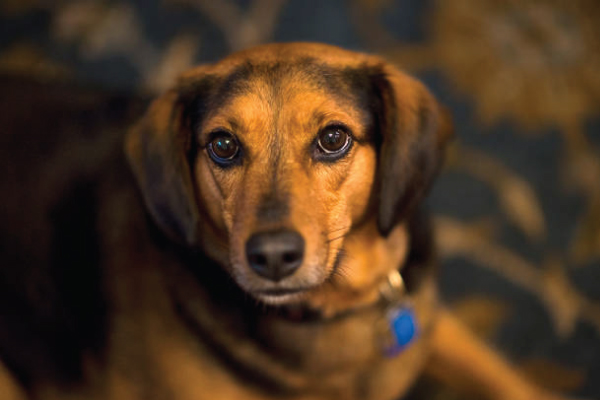
Bathing your beloved canine companion can be a bonding experience, but often it turns into a messy, back-breaking chore. Creating a dedicated dog bathing station, whether a simple DIY solution or a more elaborate setup, can transform this task into a more efficient, enjoyable, and less stressful routine for both you and your pet.
This comprehensive guide will walk you through everything you need to know about setting up the perfect dog bathing station, tailored for any space and budget.
The Ultimate Guide to Creating the Perfect Dog Bathing Station: Setup Ideas for Any Space
Introduction: Why a Dedicated Dog Bathing Station?
Before diving into the “how,” let’s consider the “why.” A dedicated bathing station offers numerous benefits:
- Reduces Mess: Confines hair, water, and soap to one area, making cleanup significantly easier.
- Saves Your Back: Elevated tubs or walk-in stations eliminate excessive bending and kneeling.
- Enhances Dog Comfort & Safety: Non-slip surfaces, appropriate water temperature, and secure restraints make the experience less anxiety-inducing for your dog.
- Efficiency: Everything you need is in one place, streamlining the bathing process.
- Protects Your Home: Prevents damage to personal bathtubs, showers, and surrounding areas from scratches, excess moisture, and pet hair.
- Customization: Allows you to tailor the setup to your specific dog’s size, breed, and temperament.
I. Key Considerations Before You Begin
The “perfect” station looks different for everyone. Consider these factors to determine what’s best for you:
- Dog Size & Breed:
- Small Dogs (under 25 lbs): Kitchen sink, utility sink, portable tub.
- Medium Dogs (25-60 lbs): Laundry room sink, walk-in shower, dedicated elevated tub.
- Large/Giant Dogs (60+ lbs): Walk-in shower, dedicated low-entry tub, outdoor wash station, DIY tub in a garage/basement.
- Coat Type: Double-coated breeds need powerful drying; long-haired breeds might need specific grooming tools.
- Space Available:
- Indoors: Bathroom, laundry room, mudroom, garage, basement.
- Outdoors: Yard, patio, deck.
- Temporary/Portable: For renters, small spaces, or occasional use.
- Budget:
- DIY & Budget-Friendly: Utilize existing resources (sink, hose, kiddie pool).
- Mid-Range: Dedicated utility tub, portable pet wash station, shower modifications.
- High-End/Permanent: Professional pet washing tubs, custom-built stations with plumbing.
- Frequency of Baths:
- Daily/Weekly (working dogs, allergy sufferers): Justifies a more permanent, ergonomic setup.
- Monthly/Quarterly (most pets): A simpler or portable solution might suffice.
- Your Physical Abilities: If you have back problems or mobility issues, an elevated tub or a walk-in shower with a ramp is crucial.
- Water Source & Drainage:
- Hot & Cold Water Access: Essential for indoor setups.
- Adequate Drainage: Prevents flooding and clogs. Special hair traps are a must.
- Water Pressure: A good sprayer needs decent pressure.
II. Essential Components of Any Dog Bathing Station
Regardless of your chosen setup, these elements are fundamental:
- The Bathing Vessel:
- Options: Utility sink, laundry room sink, walk-in shower, standard bathtub (with modifications), dedicated pet tub (freestanding or built-in), large plastic tote, kiddie pool.
- Key Feature: Must be appropriately sized for your dog and have sufficient depth to hold water without overflow.
- Water Delivery System:
- Options: Handheld shower spray attachment (critical!), hose with a spray nozzle, utility sink faucet with sprayer.
- Key Feature: Offers precise control over water flow and direction, making rinsing much easier.
- Drainage:
- Options: Standard drain, utility drain, sump pump (for garage/basement).
- Key Feature: A robust hair trap or strainer is non-negotiable to prevent clogs.
- Restraint System:
- Options: Sturdy D-rings bolted to the wall/tub, grooming arm with a noose, a simple leash attached to a secure point.
- Key Feature: Keeps your dog safely contained, preventing escapes or excessive movement. Never leave your dog unattended while restrained.
- Non-Slip Surface:
- Options: Rubber mat, textured tub surface, non-slip adhesive strips.
- Key Feature: Prevents slips and falls, reducing anxiety for your dog and risk of injury.
- Drying Area/Tools:
- Options: Absorbent towels, high-velocity pet dryer, grooming towel rack, drying stand.
- Key Feature: Efficient drying prevents “wet dog” smell, skin issues, and shivering.
- Storage:
- Options: Shelves, caddies, wall-mounted bins, hooks.
- Key Feature: Keeps shampoo, conditioner, brushes, and towels organized and within easy reach.
- Splatter Protection:
- Options: Shower curtains, plastic sheeting, waterproof wall panels (for permanent setups).
- Key Feature: Protects surrounding walls and floors from water and suds.
III. Setup Ideas for Any Space
Let’s explore practical configurations for various environments.
A. Indoor Solutions
1. The Bathroom (Most Common & Convenient)
- A. Walk-in Shower Conversion:
- Ideal for: Medium to large dogs, people with back issues.
- Pros: Existing plumbing, easy entry for dogs, less bending for you.
- Cons: Can be slippery, dog hair can clog drains, potential for splashing.
- Setup:
- Handheld Shower Sprayer: Essential! Replace your existing shower head or add an adapter.
- Non-Slip Mat: Crucial for safety.
- Drain Hair Catcher: Absolute must-have.
- Restraint: Install a sturdy D-ring bolt into a stud in the shower wall (if tile permits) or use a temporary suction cup restraint.
- Splatter Guard: An extra-long shower curtain or even a plastic sheet clipped to the top of the existing curtain rod can help contain splashes.
- Drying: Keep a stack of old towels, or consider a dedicated pet drying area nearby.
- Pro Tip: Train your dog to “step in” and “step out” to make entries and exits smoother.
- B. Standard Bathtub Modification:
- Ideal for: Small to medium dogs, budget-conscious.
- Pros: Existing plumbing, contained space.
- Cons: Bending over, dog can jump out, potential scratches on tub surface.
- Setup:
- Handheld Shower Sprayer: Again, non-negotiable for control.
- Non-Slip Mat: Prevents slips and protects the tub bottom.
- Tub-Specific Hair Catcher: Essential.
- Restraint: Attach a leash to the faucet base (if sturdy) or install a wall-mounted D-ring above the tub.
- Splatter Guard: Use a second shower curtain liner on the outside of the tub, or tension rods with plastic sheeting.
- Elevating Small Dogs: Place a plastic laundry basket or utility tub inside the larger tub to bring smaller dogs to a more comfortable height.
- C. Dedicated Shower Stall (DIY or Professional):
- Ideal for: Multi-dog households, large/giant breeds, professionals, those with a higher budget.
- Pros: Custom-designed for pet bathing, ultimate ergonomics, easy cleaning.
- Cons: Requires significant plumbing and construction, high cost.
- Setup:
- Slope: Floor slopes to a dedicated drain with a large hair trap.
- Tiles/Waterproof Panels: Easy to clean and durable.
- Raised Platform: For smaller dogs, can be removable.
- Multiple Sprayers: Possible to have a fixed and a handheld.
- Grooming Arm: Permanently installed for secure restraint.
- Ramp: Essential for giant breeds or elderly dogs.
2. The Laundry Room / Mudroom (Practical & Functional)
- A. Utility Sink:
- Ideal for: Small to medium dogs, puppies, quick rinses.
- Pros: Deep basin, often elevated, existing plumbing, durable.
- Cons: Too small for large dogs, can strain your back for medium dogs.
- Setup:
- Faucet Sprayer: Attach a pull-down sprayer or a separate hose attachment.
- Non-Slip Insert: A small mat or even a towel on the bottom.
- Hair Strainer: For the drain.
- Restraint: Attach leash to the faucet or install a wall hook.
- Splatter: Use a plastic sheet or old shower curtain on the wall behind.
- B. Laundry Tub / Sink with Added Counter Space:
- Ideal for: Similar to utility sink, but with more room to maneuver.
- Pros: Often deeper, wider, and more stable than a utility sink.
- Cons: May still be too small for very large dogs.
- Setup: Similar to the utility sink, but potentially with more integrated storage for bathing supplies.
3. The Garage or Basement (Dedicated & Mess-Tolerant)
- A. Dedicated Pet Washing Tub:
- Ideal for: All dog sizes, frequent groomers, professional feel.
- Pros: Designed specifically for pets, often elevated and durable, deep.
- Cons: Requires plumbing (hot/cold water, drainage), can be expensive.
- Setup:
- Type: Stainless steel, heavy-duty plastic, or fiberglass. Look for models with a ramp or steps for large dogs.
- Plumbing: Professional installation might be needed for a permanent setup.
- Grooming Arm: Many tubs come with built-in grooming arms.
- Shelving: Install shelves or a pegboard system for supplies.
- Floor Drainage: Consider a sloped concrete floor with a floor drain for easy cleanup of splashes.
- Ventilation: Important to prevent mold/mildew.
- B. DIY Concrete or Tile Tub:
- Ideal for: Handymen, budget-conscious with construction skills, specific aesthetic needs.
- Pros: Fully customizable size and depth, extremely durable.
- Cons: Labor-intensive, requires advanced plumbing and tiling skills.
- Setup: Build a reinforced frame, pour concrete or line with cement board, waterproof, add tiles, install plumbing for hot/cold water and a large drain with hair trap.
- C. Large Basin/Tote with Sump Pump (Temporary/Budget):
- Ideal for: Occasional use, no permanent plumbing desired, garage or outdoor areas.
- Pros: Portable, no permanent installation, low cost.
- Cons: Requires manual water filling, noisy sump pump, can be cumbersome.
- Setup: Use a large plastic storage tote or livestock water trough. Fill with warm water manually (or via an outdoor spigot and hose). Use a submersible sump pump to drain the water into a larger drain or outside.
4. Portable Indoor Solutions (Apartments, Small Spaces, Renters)
- A. Collapsible Pet Tubs:
- Ideal for: Small to medium dogs, apartments, travel.
- Pros: Folds flat for storage, can be used in a regular shower/tub, backyard, or even a patio.
- Cons: Not suitable for large dogs, some may lack sturdy legs.
- Setup: Place in your regular shower, a large walk-in shower, or even on a patio. Fill with water, use a handheld sprayer. Drains usually have a plug.
- B. Inflatable Pet Pools:
- Ideal for: Small to medium dogs, novelty, outdoor fun.
- Pros: Soft, lightweight, easy to store (deflated).
- Cons: Prone to punctures, less depth/stability than harder tubs.
- Setup: Primarily outdoor, but can be used in large showers or on protected bathroom floors.
B. Outdoor Solutions
1. Dedicated Outdoor Washing Station:
- Ideal for: All size dogs, especially very dirty dogs, year-round use in mild climates.
- Pros: Keeps mess out of the house, easy to hose down the area.
- Cons: Weather-dependent, requires outdoor plumbing (hot/cold water access is a bonus but not always necessary).
- Setup:
- Location: Near an outdoor spigot, on a concrete slab or gravel area for good drainage.
- Structure: Can be as simple as a raised platform with a tub, or a more elaborate structure with a roof, walls, and built-in amenities.
- Tub: Use a large utility sink, a converted livestock trough, or a dedicated outdoor dog tub.
- Water: Connect a hose to a hot/cold outdoor mixer (if available) or use a “cheater” hose that connects to indoor hot water.
- Drainage: A floor drain connected to a french drain or simply draining into a permeable area of the yard (use eco-friendly shampoos!).
- Grooming Arm: Install a sturdy pole with a grooming arm.
2. Hose & Kiddie Pool:
- Ideal for: All dog sizes, budget-friendly, occasional use, summer fun.
- Pros: Extremely cheap, easy to set up, good for dogs who love water.
- Cons: Weather-dependent, no hot water (unless you run a hose from indoors), can be messy.
- Setup:
- Location: Flat, well-draining area of your yard.
- Pool: Hard plastic kiddie pool (more durable) or inflatable.
- Water: Garden hose with a good spray nozzle.
- Restraint: Attach leash to a nearby fence post or stake.
- Drying: Lots of towels!
3. Wash Station on a Deck or Patio:
- Ideal for: Small to medium dogs, quick rinses, contained outdoor mess.
- Pros: Elevated (less bending), easy access to water (if spigot nearby), contained.
- Cons: Can be slippery, water runoff needs to be managed.
- Setup:
- Tub: Large plastic tote, repurposed kitchen sink, or a portable pet wash station.
- Water: Garden hose.
- Restraint: Clamp-on grooming arm for tables, or secure to a deck railing.
- Drainage: Position over a permeable area, or use a hose to direct runoff away from the deck’s foundation.
- Non-Slip: Rubber mat inside the tub and on the surrounding patio/deck.
4. Portable Outdoor Pet Wash Stations:
- Ideal for: All dog sizes, camping, travel, people without permanent outdoor plumbing.
- Pros: Self-contained, often has a water tank and pump, can be used anywhere.
- Cons: Limited water capacity, can be bulky.
- Setup: Fill the water tank, turn on the pump, use the handheld sprayer. Some have heating elements.
IV. Ergonomics & Accessibility
Making your bathing station comfortable for both you and your dog is key to perfection.
- Height:
- For You: The tub rim should be somewhere between your waist and chest height to minimize bending. Consider adjustable height grooming tubs.
- For Your Dog: For large or elderly dogs, a low-entry tub or a ramp is essential. For small dogs, a raised platform inside a larger tub brings them to your level.
- Ramps/Steps: Absolutely critical for large, elderly, or anxious dogs to safely enter and exit the bathing vessel without being lifted. Ensure they are non-slip.
- Lighting: Good, bright lighting reduces shadows and allows you to thoroughly clean and rinse your dog.
- Accessibility: Keep all shampoos, conditioners, brushes, and towels within arm’s reach.
V. Beyond the Basics: Advanced Features & Customizations
For those looking to truly create a “perfect” and luxurious bathing experience:
- Heated Water Supply: Essential for comfort, especially in colder climates or for dogs with sensitive skin.
- Hydrotherapy Jets: Some tubs offer gentle jets for a massaging effect, great for arthritic or older dogs.
- Built-in Storage: Custom shelving, pull-out drawers, or recessed niches for a seamless look.
- Hair Traps & Filtration Systems: Professional-grade systems can trap even the finest pet hair before it enters your plumbing, drastically reducing clog risks.
- Exhaust Fan: Crucial for indoor stations to manage humidity and odors, preventing mold and mildew.
- Dedicated Drying Station: A separate area with a high-velocity dryer, anti-fatigue mat, and perhaps even a drying cage for professional groomers or multiple dogs.
- Integrated Scales: Some high-end pet tubs have built-in scales for easy weight monitoring.
- Foot Control Pedals: For water flow and temperature, allowing hands-free operation.
VI. Essential Tools & Products for Your Station
Once your station is set up, make sure you have the right accessories:
- Shampoo & Conditioner: Dog-specific, tearless, hypoallergenic, or specialized for coat type.
- Brushes/Combs: Deshedding tools (e.g., Furminator), slicker brushes, wide-tooth combs.
- Towels: Plenty of old, absorbent towels specifically for pet use. Microfiber drying towels are excellent.
- High-Velocity Pet Dryer: Drastically reduces drying time and removes loose undercoat.
- Cotton Balls/Ear Cleaner: To clean ears and prevent water from entering.
- Nail Clippers/Grinder: Often easier to do nails after a bath when they are softer.
- Waterproof Apron: For you!
- Treats: For positive reinforcement!
VII. Safety First!
No matter how elaborate your station, safety is paramount:
- Water Temperature: Always test the water temperature with your elbow or wrist before applying to your dog. Lukewarm is best.
- Non-Slip Surfaces: Absolutely critical to prevent falls.
- Restraint Use: Always use a restraint to prevent jumping out, but ensure it’s not too tight or left unattended.
- Supervision: Never leave your dog unattended in the bathing station, especially with water running or while restrained.
- Ear Protection: For high-velocity dryers, consider ear muffs for your dog.
- Electrical Safety: Ensure all electrical appliances (dryers) are kept away from water and used with GFCI outlets.
- Ventilation: Good airflow prevents humidity build-up and ensures comfort.
VIII. Maintenance & Cleaning
To keep your bathing station in tip-top shape:
- Regular Cleaning: Rinse down all surfaces immediately after each bath to remove soap residue and hair.
- Disinfect: Periodically clean with a pet-safe disinfectant to prevent bacteria and odors.
- Hair Traps: Empty hair traps and strainers after every bath.
- Drain Maintenance: Run hot water down the drain after cleaning, and occasionally use an enzymatic drain cleaner designed for pet hair.
- Check Restraints: Periodically inspect any D-rings, clips, or grooming arms for wear and tear.
Conclusion: Enjoy the Bathing!
Creating the perfect dog bathing station is an investment in time, effort, and sometimes money, but the rewards are well worth it. By carefully considering your dog’s needs, your available space, and your budget, you can design a functional, comfortable, and efficient setup that transforms dog bath time from a dreaded chore into a manageable, even enjoyable, part of your pet care routine. Happy bathing!
=======================
#DogBathingStation, #DIYDogBath, #DogGrooming, #PetGrooming, #DogWash, #PetStation, #GroomingTips, #CleanDog, #DogHacks, #PetCare, #DogShower, #HomeGrooming, #DogSetup, #DIYPetProject, #DogLife, #DogLovers, #HappyDog, #DogMom, #DogDad, #HomeImprovement, #MuddyPaws, #PetTips, #PerfectDogBath







Add comment