
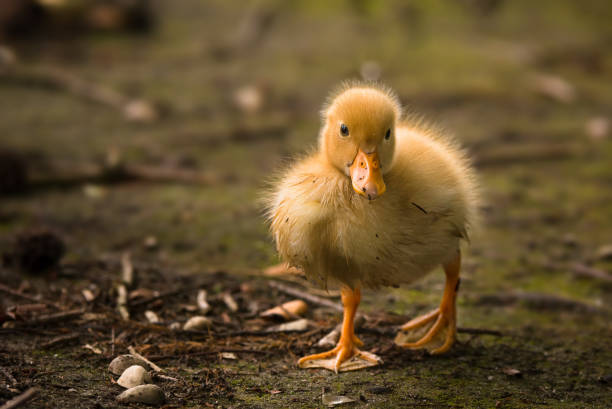
Crossed beak, also known as scissor beak, is a congenital or acquired developmental deformity in ducks where the upper and lower mandibles of the beak fail to align properly. This condition results in a twisted or misaligned beak, significantly impairing the duck’s ability to feed, preen, and interact with its environment. Crossed beak can range from a minor cosmetic issue to a severe disability that threatens survival. This guide explores the causes, symptoms, at-risk breeds, diagnosis, treatment, prevention, and long-term implications of this condition, providing actionable insights for poultry farmers, veterinarians, and duck enthusiasts.
2. Causes and Risk Factors
A. Genetic Factors
Genetic predisposition is a primary cause of crossed beak. Breeds selected for rapid growth or specific size traits, such as Pekin ducks, may inherit a higher risk of developmental abnormalities. Inbreeding or poor genetic diversity within breeding flocks increases the likelihood of malformed beaks. Genetic mutations affecting cartilage and bone development during embryogenesis are believed to play a role.
B. Nutritional Deficiencies
Nutritional imbalances during critical growth stages, particularly in ducklings, are a leading cause. Key deficiencies include:
- Vitamin A: Essential for epithelial cell development and beak keratinization. A deficiency can lead to weakened, abnormally formed beaks.
- Choline and B Vitamins: Critical for neural tube formation and cellular function.
- Calcium and Phosphorus: Vital for bone mineralization. Deficiencies can cause softened or malformed beaks.
- Protein Inadequacy: Affects collagen synthesis and tissue repair.
C. Trauma During Hatching or Early Life
Physical trauma to the beak or skull during hatching, such as improper positioning in the egg or excessive pressure from siblings, can lead to misalignment. Post-hatch injuries from accidental strikes, equipment misuse, or predator attacks also contribute to acquired crossed beak.
D. Environmental Stressors
Overcrowding in brooder houses, improper lighting, or exposure to toxins may stress developing ducklings, indirectly affecting beak growth. High ammonia levels in poultry houses have been linked to respiratory and developmental issues, including beak deformities.
E. Viral or Bacterial Infections
While rare, infections like avian influenza or chlamydiosis can cause inflammation of the skull or beak cartilage, leading to malformation.
3. Signs and Symptoms
Recognizing crossed beak early is critical for intervention. Key indicators include:
- Misaligned Beak: Upper and lower mandibles are visibly twisted or offset, resembling a scissor-like angle (hence the name).
- Feeding Difficulties: Ducks struggle to grasp food, leading to weight loss, stunted growth, and reliance on wet or softened feed.
- Asymmetrical Beak Growth: One mandible grows faster than the other, exacerbating the deformity.
- Secondary Complications: In severe cases, ducks may develop ulcers, infections, or overgrowths from uneven contact with food or surfaces.
- Behavioral Changes: Affected ducks may become lethargic, isolate themselves, or exhibit aggression due to discomfort.
4. Duck Breeds at Risk
A. Pekin Ducks
Pekins are prone to crossed beak due to their rapid growth rate and high metabolic demands. Selective breeding for size and meat production has inadvertently increased susceptibility to developmental abnormalities.
B. Khaki Campbell Ducks
These egg-laying ducks face risks during hatching due to their high energy expenditure. Poor nutrition in breeder flocks can translate to vitamin deficiencies in hatching eggs.
C. Runner Ducks
Their flat body shape and upright posture make them vulnerable to inbreeding-related genetic issues, including beak deformities.
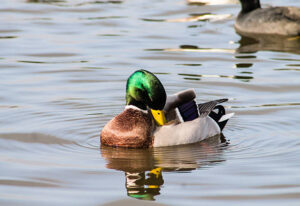
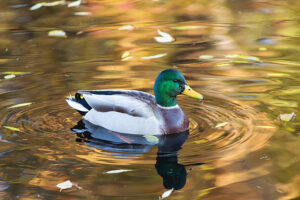
D. Mallard Ducks (Wild Populations)
While less common than in domestic breeds, wild ducks may develop crossed beak due to environmental toxins or nutritional scarcity.
Paragraph Explanation:
Breeds with high production demands or genetic bottlenecks face a greater likelihood of crossed beak. Breeding programs that prioritize rapid growth without considering skeletal development inadvertently increase this risk. Addressing these factors through genetic screening and balanced nutrition is essential for prevention.
5. Life Stage Affected
Crossed beak is most prevalent in ducklings under 8 weeks of age, as the beak is still soft and cartilaginous. Early detection allows for corrective interventions. If left untreated, the beak hardens over time, making correction more difficult. Adult ducks with untreated crossed beak may suffer chronic malnutrition, reduced egg production, or secondary infections.
6. Diagnosis
A. Physical Examination
A veterinarian or experienced breeder can identify crossed beak through visual inspection and palpation. The beak’s symmetry, hardness, and alignment are assessed.
B. Differentiating from Trauma
Trauma-induced crossed beak often presents with swelling, bruising, or fractures, unlike congenital cases.
C. Imaging Techniques
X-rays or CT scans may be used to evaluate skeletal abnormalities in severe cases, particularly when planning surgical correction.
7. Treatment Options
A. Surgical Correction
- Beak Trimming: Under sedation, the beak is trimmed and realigned using specialized tools (e.g., thermocoagulators). Recurvature may be applied to promote regrowth in the correct position.
- Orthodontic Devices: Custom-made appliances (e.g., acrylic braces) can gradually realign the beak. These are more common in avian clinics with advanced facilities.
B. Nutritional Supplementation
Administering vitamin A (5,000 IU/kg diet), choline, and vitamin D3 can support tissue healing and proper mineralization. Consult a veterinarian for dosing.
C. Environmental Adjustments
Provide soft, moist feed and elevate food bowls to reduce strain on the beak. Ensuring proper hygiene prevents secondary infections.
8. Prognosis and Complications
A. Prognosis
- Early Intervention: Success rates for surgical correction are high (80–90%) if performed within the first 12 weeks.
- Untreated Cases: Chronic issues like malnutrition, stunted growth, and mortality risks may persist.
B. Complications
- Infection: Open wounds from trimming can lead to bacterial infections.
- Beak Overgrowth: Untreated misalignment may worsen over time.
- Behavioral Issues: Affected ducks may become aggressive or reclusive.
9. Prevention Strategies
A. Genetic Management
- Avoid inbreeding and use diversified breeding stock.
- Screen breeding ducks for developmental disorders.
B. Nutritional Protocols
- Use complete feed formulations with 100% of NRC (National Research Council) vitamin and mineral requirements.
- Supplement with choline (500–1,000 mg/kg) and vitamin A (5,000–10,000 IU/kg).
C. Optimal Hatching Conditions
- Monitor hatchery temperature (99.5°F/37.5°C) and humidity (55–60%).
- Ensure clean, well-ventilated incubators to reduce physical trauma.
D. Regular Monitoring
Inspect ducklings weekly for early signs of beak misalignment.
10. Diet and Nutrition
A. Essential Nutrients
- Vitamin A: Supports epithelial tissue and keratin formation. Sources: carrots, fish meal, synthetic supplements.
- Calcium and Phosphorus: Maintain beak hardness (Ca:P ratio 2:1). Sources: oyster shell, bone meal.
- Choline: Aids cell membrane integrity. Sources: soybean oil, eggs.
B. Sample Feed Recipe
- Base Mix: Corn (30%), wheat (20%), soybean meal (25%).
- Supplements: Calcium carbonate (1.5%), phosphate (1%), vitamin premix (0.5%), choline chloride (500 mg/kg).
11. Zoonotic Risk
Crossed beak is not zoonotic; it does not pose a direct risk to humans. However, poor sanitation in infected duck flocks can increase the spread of other diseases like salmonellosis or avian influenza. Always practice biosecurity when handling affected ducks.
12. Conclusion
Crossed beak is a manageable condition with early diagnosis and proactive care. By addressing genetic, nutritional, and environmental factors, duck owners can minimize its impact. Collaboration between breeders, veterinarians, and poultry nutritionists is key to sustainable prevention.
#DuckHealth #CrossbeakTreatment #PoultryCare #DuckBreeding #AvianNutrition #DucklingCare #PoultryDiseases #BeakDeformity #DuckVetTips #ZoonoticPrevention #DuckFarming #VitaminDeficiency #BirdHealth #AgriScience #PoultryFarmers
Add comment