
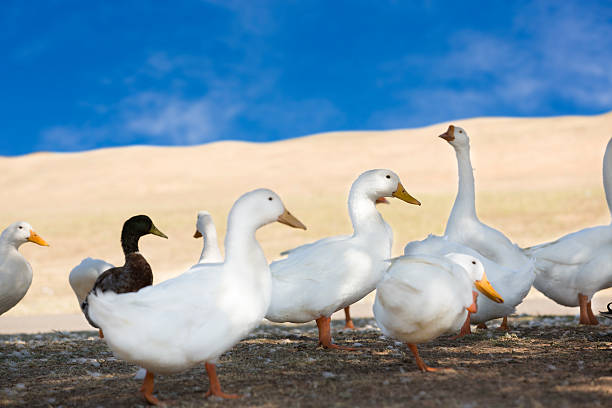
Ducks are among the most widely farmed waterfowl globally, prized not only for their meat and eggs but also for their feathers and role in integrated agricultural systems. However, as poultry production intensifies to meet rising global demand, ducks are increasingly reared in high-density environments, which significantly increases their susceptibility to stress—particularly crowding stress. This phenomenon, often overlooked in favor of more visible health concerns, is a severe welfare and productivity issue in duck farming across both backyard and commercial settings.
Crowding stress refers to the physiological, emotional, and behavioral disturbances experienced by ducks when they are forced to live in spaces inadequate to meet their basic behavioral, movement, and comfort needs. Unlike temporary overcrowding during transport or short-term events, chronic crowding stress can lead to systemic health issues, suppressed growth, increased mortality rates, and long-term welfare degradation. This comprehensive guide delves into the causes, signs and symptoms, duck breeds at risk, affected life stages, diagnosis, treatment, prognosis, complications, prevention strategies, dietary considerations, and zoonotic implications of crowding stress in ducks. By understanding and addressing this issue holistically, producers, veterinarians, animal welfare officers, and backyard farmers can significantly improve duck health, productivity, and ethical standards.
CAUSES OF CROWDING STRESS IN DUCKS
Crowding stress arises when the population density in a duck’s living environment exceeds the space required for normal movement, feeding, drinking, resting, and social interaction. Key causes include:
- Overstocking for Economic Gain: Many commercial farms prioritize profit margins over animal welfare, leading to overcrowded pens where ducks are packed beyond recommended stocking densities. For example, while recommended space per duckling is 0.5–1 sq ft (up to 3 weeks), many farms exceed this, reducing space to less than 0.4 sq ft per bird.
- Inadequate Housing Infrastructure: Poorly designed or outdated housing systems lack proper ventilation, lighting, or sufficient space allocation. In small-scale or backyard operations, enclosures may be improvised and not expanded as duck populations grow.
- Lack of Regulatory Enforcement: In regions with weak animal welfare laws or poor enforcement, farmers may ignore or circumvent space requirements altogether.
- Rapid Growth and High-Density Rearing Systems: Selective breeding for fast growth (especially in meat breeds like Pekin) necessitates more resources, but these ducks are often raised in confined spaces that restrict movement, increasing competition for food and water.
- Seasonal or Temporary Overcrowding: Events such as sudden flock expansions, delayed sales, or lack of transport availability can lead to temporary overcrowding, which still triggers stress responses.
- Poor Flock Management: Failure to separate ducklings by size or age, or not adjusting space as ducks grow, results in competition and aggression—common stress triggers.
- Insufficient Access to Resources: Even if space appears adequate, having only one or two feeding or watering stations in a large pen forces ducks to compete, causing similar stress patterns as physical overcrowding.
- Environmental Stressors Compounding Overcrowding: Heat, poor air quality, high ammonia levels in crowded pens, and damp bedding can exacerbate the physiological impact of crowding, leading to a vicious cycle of degradation.
- Lack of Enrichment or Behavioral Space: Ducks are naturally active birds that forage, swim, and explore. Without access to water for swimming or floor space for movement, behavioral restriction becomes a major stress source.
SIGNS AND SYMPTOMS OF CROWDING STRESS IN DUCKS
Recognizing crowding stress early is vital for mitigation. Ducks cannot articulate distress, so behavioral and physical indicators must be observed carefully. Symptoms are categorized into behavioral, physical, and physiological changes.
Behavioral Signs
- Increased Aggression: Biting, pecking, chasing, and feather pulling—especially around the head and neck—are common in overcrowded environments. This behavior arises from heightened competition and inability to escape.
- Reduced Movement and Activity: Ducks become lethargic, reluctant to move, and may huddle together due to lack of space or fear of confrontation.
- Stereotypies: Repetitive, non-functional behaviors like head bobbing, pacing in confined zones, or self-mutilation indicate psychological distress.
- Altered Feeding Patterns: Some ducks dominate feeders, while others are excluded. Timid individuals may eat less or only during off-hours, leading to weight loss.
- Increased Vocalization: Excessive quacking or distress calls signal discomfort, especially when new birds are added or space is further reduced.
- Social Withdrawal: Subordinate ducks avoid group interactions, stay at the periphery, and are often the first to show health issues.
Physical Signs
- Feather Loss and Skin Lesions: Chronic pecking leads to bald patches, inflamed skin, and open wounds prone to infection.
- Poor Feather Condition: Ducks in crowded conditions often have ruffled, dirty, or broken feathers due to inability to preen properly or lack of access to water.
- Foot and Leg Injuries: Prolonged standing on wet, manure-soaked litter causes footpad dermatitis, bumblefoot, or leg deformities.
- Poor Body Condition: Emaciation in some birds, while others may be overweight due to overeating when resources are monopolized.
- Increased Mortality: Sudden or frequent deaths, often due to trampling, suffocation, or secondary infections.
Physiological Signs
- Elevated Corticosterone Levels: This stress hormone increases in blood serum and can be measured through lab analysis. High levels suppress the immune system and increase vulnerability to disease.
- Reduced Weight Gain: Chronic stress diverts energy from growth to coping mechanisms, reducing feed conversion efficiency.
- Altered Immune Function: Suppressed immunity leads to higher incidence of avian influenza, duck plague (duck virus enteritis), coccidiosis, and respiratory infections.
- Reproductive Issues in Breeding Ducks: Females may lay fewer eggs or stop laying altogether. Males show reduced libido, affecting fertility rates.
- Dysregulated Digestion: Stress impacts gut flora, increasing susceptibility to enteric diseases like salmonellosis or clostridial infections.
DUCK BREEDS AT RISK OF CROWDING STRESS
While all duck breeds can suffer from crowding stress, certain breeds are particularly vulnerable due to genetics, temperament, growth rate, or rearing purpose.
Pekin Ducks: Perhaps the most at-risk breed, Pekins are genetically selected for rapid growth and high feed conversion ratios. Commercial Pekin ducks reach market weight in just 6–8 weeks. However, their fast growth makes them highly susceptible to leg problems, heat stress, and respiratory issues—conditions that are dramatically exacerbated by overcrowding. Their docile nature means they are often outcompeted at feeders, and their large body size requires more floor space than smaller breeds. In intensive farming systems, Pekins are routinely overstocked, leading to high stress, poor welfare, and increased culling rates.
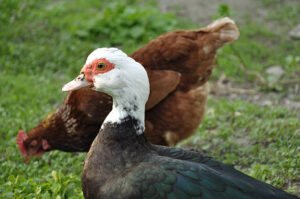
Muscovy Ducks: Muscovies are less intensively farmed than Pekins but are prone to stress under crowding due to their territorial nature. Males, in particular, become aggressive and may injure other ducks during mating or competition. While Muscovies are hardier and more disease-resistant, their need for personal space and perching areas makes them poorly suited for high-density systems. Crowding in Muscovy flocks often leads to fights, feather damage, and nesting disturbances in females.
Rouen Ducks: Closely related to wild mallards, Rouens are calm but large-bodied ducks. Their requirement for swimming water and spacious foraging areas becomes unmet in crowded pens. Without adequate space, Rouens become sedentary and prone to obesity and foot problems. They are often kept in ornamental or backyard settings where overcrowding occurs due to underestimation of their space needs.
Khaki Campbell Ducks: Bred for high egg production (up to 300 eggs/year), Khaki Campbells are energetic foragers. Crowding restricts their natural behaviors, leading to frustration and stress. In small enclosures, they may develop feather pecking tendencies and reduced laying rates, undermining their productivity.
Call Ducks: These miniature ornamental ducks are often kept as pets or show birds. Their small size leads owners to wrongly assume they need less space. However, Call ducks are particularly sensitive to stress and require careful social management. Crowding leads to rapid deterioration in health and can result in fatal trampling.
Indian Runner Ducks: Highly active and upright in posture, Runners are natural foragers that cover large distances. Confinement and crowding inhibit their movement, causing severe behavioral stress and reduced egg production. Their tendency to pace and vocalize increases in inadequate spaces.
In all cases, commercial selection has often favored traits like growth speed or egg output at the expense of robustness and behavioral flexibility—making modern ducks less resilient to environmental stressors like crowding.
AFFECTED LIFE STAGES
Crowding stress impacts ducks differently depending on their life stage. Understanding these variations is crucial for targeted management.
1. Duckling Stage (0–3 Weeks)
This is the most vulnerable period. Ducklings require warmth, frequent feeding, and clean, dry bedding. Overcrowding during brooding leads to:
- Suffocation and Trampling: Ducklings may pile on top of each other, especially if heat sources are poorly distributed.
- Uneven Growth: Larger or more aggressive ducklings monopolize feeders, leaving smaller ones undernourished—“runts” often die.
- Failure to Thrive: Stress suppresses immune development, increasing susceptibility to yolk sac infections, aspergillosis, and duck viral hepatitis.
- High Mortality Rates: Crowded brooders are linked to early death peaks within the first week.
2. Grower Stage (4–8 Weeks)
As ducks gain weight rapidly, space needs increase. Overcrowding becomes evident through:
- Aggression and Feather Pecking: Increased competition for food and space triggers social conflict.
- Leg Disorders: Rapid growth combined with poor footing and lack of movement leads to skeletal deformities.
- Respiratory Issues: High ammonia from concentrated droppings in poorly ventilated, crowded pens causes eye and lung irritation.
- Inconsistent Weight Gains: Some ducks thrive while others lag, affecting flock uniformity and marketability.
3. Layer Stage (18+ Weeks for Egg-Laying Breeds)
For breeds like Khaki Campbell and Indian Runner, crowding during laying reduces productivity:
- Reduced Egg Production: Chronic stress suppresses gonadotropin release, delaying or halting ovulation.
- Poor Egg Quality: Eggs may have weak shells, misshapen forms, or blood spots due to physiological strain.
- Nest Site Competition: Ducks prefer privacy to lay. Crowding leads to egg-eating or trampling of nests.
- Increased Mortality in Breeding Flocks: Overcrowded mating pens may result in drowning (if water is deep) or injury from excessive male attention.
4. Breeder and Mature Adult Stage
In breeder flocks, crowding affects reproductive success:
- Reduced Fertility: Stressed males have lower sperm count and motility; females lay fewer fertile eggs.
- Abnormal Mating Behaviors: Forced mating in restricted spaces can injure females.
- Long-Term Health Deterioration: Chronic stress accelerates organ wear, including liver and heart dysfunction.
DIAGNOSIS OF CROWDING STRESS
Diagnosing crowding stress involves a multifactorial approach, combining clinical observation, environmental assessment, and laboratory testing.
1. Clinical and Behavioral Evaluation
Veterinarians or experienced poultry managers assess:
- Group behavior: Are ducks moving freely or huddled?
- Signs of aggression: Feather loss, wounds, dominance hierarchies.
- Feeding patterns: Are all birds accessing feed?
- Vocalization levels: Excessive noise may indicate distress.
- Posture and gait: Lameness, difficulty standing.
2. Environmental Audit
Key metrics are measured:
- Stocking Density: Recommended guidelines (e.g., 1 sq ft per duckling → 3–4 sq ft per adult meat duck; 3–5 sq ft per layer). Exceeding these indicates risk.
- Air Quality: Ammonia levels >25 ppm are harmful; poor ventilation worsens stress.
- Resource Distribution: Number of feeders and waterers per duck. The rule of thumb is 1 linear inch of feeder and 0.5 inch of waterer per bird.
- Litter Condition: Wet, caked litter indicates inadequate space and poor hygiene.
- Environmental Enrichment: Access to water for dabbling, perches, or foraging substrates.
3. Physiological and Laboratory Testing
- Serum Corticosterone Assay: Elevated levels confirm chronic stress.
- Heterophil-to-Lymphocyte (H:L) Ratio: A higher ratio indicates stress in birds.
- Immune Function Tests: Reduced antibody titers or delayed hypersensitivity responses.
- Post-Mortem Examination: In dead birds, signs like ascites (fluid in the abdomen), liver congestion, or lung lesions point to chronic stress and poor conditions.
4. Welfare Assessment Tools
Tools like the FARM (Farm Assurance and Risk Management) Welfare Assessment or Welfare Quality® protocols provide structured scoring for duck welfare, including space allowance, health, and behavior.
TREATMENT OF CROWDING STRESS
Treatment focuses on immediate relief, environmental correction, and supportive care.
1. Immediate Environmental Remediation
- Reduce Stocking Density: Remove surplus birds through sale, relocation, or culling non-viable individuals.
- Improve Space Allocation: Divide large flocks into smaller groups with separate pens.
- Add More Resources: Introduce additional feeders, waterers, and shade areas.
- Improve Ventilation: Install fans or open ventilation to reduce heat and ammonia.
2. Medical Interventions
- Wound Care: Clean and treat pecking injuries with antiseptics; isolate severely injured ducks.
- Antibiotics: Administer only if bacterial infection is present (e.g., from open wounds). Avoid routine use to prevent resistance.
- Vitamin and Electrolyte Supplementation: Add to drinking water (e.g., vitamin B-complex, vitamin E, selenium) to support recovery.
- Pain Management: Though limited in poultry, some analgesics may be used under veterinary supervision in severe cases.
3. Behavioral Management
- Beak Trimming (Controversial): Sometimes used in extreme pecking cases, though increasingly restricted due to welfare concerns. Better to address root causes like overcrowding.
- Enrichment: Add straw bales, floating objects in water, or foraging trays to reduce boredom and aggression.
- Reorganization of Flock: Separate overly aggressive individuals or reintroduce birds gradually after separation.
PROGNOSIS AND COMPLICATIONS
Prognosis
- Good: If overcrowding is identified early and space is restored promptly, ducks often recover within days to weeks. Behavior normalizes, weight gain resumes, and immune function improves.
- Guarded: In flocks with chronic overcrowding and secondary infections, recovery may take longer, and some individuals may never reach full productivity.
- Poor: Ducks with severe injuries, organ damage, or developmental deformities may need to be culled.
Complications
- Increased Disease Susceptibility: Stressed ducks are more prone to outbreaks of:
- Avian influenza
- Duck plague (herpesvirus)
- Colibacillosis
- Aspergillosis
- Coccidiosis
- Reduced Productivity: Lower weight gain, poor feed conversion, decreased egg production.
- High Mortality: Especially in ducklings and during heat stress events.
- Cannibalism: Feather and vent pecking can escalate to severe tissue damage and cannibalism.
- Long-Term Welfare Impairment: Chronic stress alters brain function and behavior permanently.
- Economic Loss: Higher feed costs, lower yields, increased veterinary bills.
- Reputational Damage: Farms with welfare violations may lose certifications or market access.
PREVENTION OF CROWDING STRESS
Prevention is far more effective and ethical than treatment. Key strategies include:
1. Adherence to Stocking Density Guidelines
- Brooder: 0.5 sq ft per duckling (0–2 wks), 1 sq ft (2–4 wks)
- Grower: 2–3 sq ft per duck (4–8 wks)
- Adult/Meat Duck: 3–4 sq ft
- Layers: 3–5 sq ft, plus nest boxes (1 per 5 ducks)
2. Proper Housing Design
- Ensure dry, well-bedded floors with good drainage.
- Provide adequate ceiling height (at least 6–7 ft) for air circulation.
- Use partitioned pens to allow flock subdivision.
3. Flock Management
- All-In/All-Out System: Raise and sell ducks in batches to allow pen cleaning and rest.
- Regular Monitoring: Track growth, behavior, and mortality weekly.
- Early Culling: Remove weak or injured birds promptly.
4. Environmental Enrichment
- Access to shallow swimming or dabbling water (critical for preening and comfort).
- Provide substrates like straw, sand, or peat for foraging.
- Install perches or platforms, especially for Muscovy ducks.
5. Staff Training
- Educate workers on recognizing stress signs and proper handling.
- Train on low-stress movement and flock inspections.
6. Regulatory Compliance
- Follow national and international animal welfare standards (e.g., OIE, RSPCA, EU Council Directive 98/58/EC).
- Seek third-party certification (e.g., Humane Farm Animal Care, Global Animal Partnership).
7. Breeding for Resilience
- Select breeds or strains with better stress tolerance, calmer temperament, and robust health.
DIET AND NUTRITION IN CROWDED CONDITIONS
While optimal diet cannot compensate for overcrowding, proper nutrition can help ducks cope.
Key Nutritional Considerations
- Balanced Diets: Provide age-appropriate feed with correct protein, energy, vitamins, and minerals.
- Ducklings: 18–20% protein
- Growers: 15–17%
- Layers: 16–18% with added calcium (3–4%)
- Increased Micronutrients During Stress:
- Vitamin C and E: Antioxidants that reduce oxidative stress.
- B-Complex Vitamins: Support nerve function and energy metabolism.
- Selenium and Zinc: Enhance immune response.
- Electrolytes: Sodium, potassium, chloride help maintain hydration and acid-base balance.
- Feed Form and Access:
- Use pelleted or crumbled feed appropriate to age.
- Provide enough feeder space to prevent competition.
- Consider multiple feeding times to reduce rush.
- Water Quality and Availability:
- Fresh, clean water at all times.
- Water depth should allow head-dipping but not deep swimming (unless supervised).
- Automatic waterers reduce contamination.
- Supplemental Feeding Strategies:
- Scatter feed to encourage foraging and reduce dominance.
- Use feed additives like probiotics or prebiotics to support gut health under stress.
- Avoid Overfeeding: Excess weight in confined birds worsens leg issues.
ZOONOTIC RISK
Crowding stress in ducks does not directly cause zoonotic disease transmission, but it significantly increases the risk of zoonotic pathogens emerging and spreading.
Diseases with Zoonotic Potential Linked to Crowding Stress
- Avian Influenza (Bird Flu):
- Crowding weakens immunity, making ducks more susceptible to infection.
- High-density environments facilitate rapid virus spread.
- Humans can contract H5N1 or H7N9 strains through inhalation or contact.
- Prevention: Biosecurity, vaccination (where approved), PPE for workers.
- Salmonellosis:
- Salmonella enterica spreads faster in stressed, crowded flocks.
- Contaminated eggs, meat, or feces can infect humans.
- Symptoms: Gastroenteritis, fever.
- Campylobacteriosis:
- Campylobacter jejuni thrives in dirty, crowded conditions.
- Transmitted via undercooked meat or cross-contamination.
- Causes diarrhea and abdominal pain in humans.
- E. coli Infections:
- Pathogenic E. coli (e.g., O157:H7) may colonize stressed birds.
- Risk through fecal-oral contamination.
- Ornithosis (Psittacosis-like):
- Caused by Chlamydia psittaci; rare but possible in waterfowl.
- Inhalation of dried droppings can infect humans.
Risk Mitigation
- Strict Biosecurity: Limit farm access, disinfect equipment, wear protective clothing.
- Worker Hygiene: Handwashing, use of gloves/masks, especially during cleaning.
- Regular Health Monitoring: Test flocks for pathogens.
- Safe Handling and Cooking: Educate consumers on proper food safety.
CONCLUSION
Crowding stress in ducks is a multifaceted challenge rooted in economic pressures, poor housing, and inadequate welfare awareness. However, it is entirely preventable with proper management, ethical farming practices, and consumer demand for humane treatment. From the vulnerable duckling to the productive layer, every life stage suffers under overcrowded conditions—physically, behaviorally, and physiologically.
Veterinarians, farmers, policymakers, and backyard keepers all play a role in preventing this pervasive issue. By adhering to stocking guidelines, improving housing, providing enrichment, ensuring balanced nutrition, and monitoring flock health, duck welfare can be profoundly improved. The benefits extend beyond animal wellbeing—better welfare means healthier birds, safer food, and a more sustainable poultry industry.
Addressing crowding stress is not just a moral imperative but a practical necessity for modern duck farming.
#CrowdingStressInDucks, #DuckWelfare, #PoultryStress, #DuckHealth, #AnimalWelfare, #BackyardDucks, #DuckFarming, #PoultryFarming, #DuckCare, #StressInDucks, #DuckBehavior, #PekinDuck, #MuscovyDuck, #DuckNutrition, #DuckHusbandry, #PoultryManagement, #ZoonoticDiseases, #BirdFlu, #FarmAnimalWelfare, #HumaneFarming, #DuckEnrichment, #DuckHousing, #StockingDensity, #DuckHealthTips, #SustainableFarming, #DuckLovers, #PoultryScience, #DuckDiet, #DuckAggression, #DuckStressSigns, #HealthyDucks, #DuckKeeping, #PoultryVentilation, #DuckRescue, #FlockManagement, #DuckLife, #DuckEducation, #OrganicDuckFarming, #FreeRangeDucks, #DuckWellbeing
Add comment