
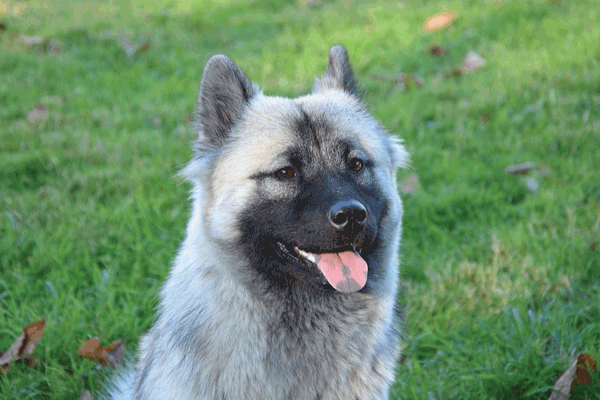
Cystic Echinococcosis (CE), also known as Hydatid Disease, is a serious zoonotic parasitic infection caused by the larval stage of the tapeworm Echinococcus granulosus sensu lato (s.l.). While the infection poses a minimal threat to the dog itself, the canine species plays a critical and dangerous role as the definitive host in the life cycle, shedding microscopic, highly infectious eggs into the environment.
The definitive host (the dog, dingo, or sometimes foxes) harbors the tiny, adult tapeworm (typically 2–7 mm long) in its small intestine. This parasite is primarily managed as a significant public health issue rather than solely a canine veterinary concern, due to the devastating disease it causes in humans (intermediate host).
Geographical Distribution
Echinococcus granulosus is globally distributed, particularly in areas where livestock farming (sheep, cattle, goats, pigs) and dog ownership overlap, and where the practice of feeding raw, untreated offal (viscera) to dogs is common. Endemic areas include parts of the Mediterranean (Greece, Italy, Spain), South America, the Middle East, Africa, Australia, and certain western regions of the United States and Canada.
II. The Causative Agent and Complex Life Cycle
The adult Echinococcus granulosus is one of the smallest tapeworms, typically comprising only a scolex (head), neck, and three proglottids (segments): one immature, one mature, and one gravid (egg-containing).
The Predator-Prey Cycle
The lifecycle is maintained through a predator-prey relationship, often involving dogs (predator/definitive host) and sheep (prey/intermediate host). Humans are considered accidental or aberrant intermediate hosts.
- Infection of the Intermediate Host (e.g., Sheep, Human):
- The dog sheds gravid segments containing thousands of microscopic eggs in its feces.
- The intermediate host ingests these eggs, typically by grazing contaminated pasture, drinking contaminated water, or through direct contact (e.g., petting a dog with contaminated fur).
- In the small intestine, the eggs hatch, releasing an oncosphere (hexacanth embryo).
- The oncosphere penetrates the intestinal wall, enters the bloodstream, and travels to various organs, most commonly the liver (70%) and lungs (20%), but also the spleen, kidneys, or brain.
- In these organs, the oncosphere develops slowly over months or years into a fluid-filled hydatid cyst—the larval stage. This cyst (especially in humans) can grow very large, causing severe disease and organ dysfunction (Cystic Echinococcosis).
- Infection of the Definitive Host (The Dog):
- The cycle is completed when the definitive host (the dog) consumes the viscera (offal or organs) of an infected intermediate host that contains viable hydatid cysts.
- Inside the cyst are numerous small entities called protoscolices (future tapeworm heads).
- Once the dog ingests the infected organ, the protoscolices attach to the wall of the dog’s small intestine and mature rapidly (within 40–50 days) into adult tapeworms.
- These adult worms begin shedding eggs, restarting the highly dangerous environmental contamination phase.
III. Causes of Infection in Dogs
Dogs become infected almost exclusively through the ingestion of viable metacestode tissue (larval cysts) found within the raw organs of intermediate hosts.
- Ingestion of Raw Offal: The primary route of infection. Dogs fed raw, uncooked slaughter scraps (especially liver and lungs) from sheep, goats, pigs, or cattle that harbor hydatid cysts are at extreme risk. This highly preventable practice is the single most important factor driving endemic CE cycles worldwide.
- Scavenging: Dogs that scavenge carcasses or slaughter waste, particularly in rural or farm settings, are highly susceptible.
- Hunter/Working Dogs: Dogs involved in hunting wild game (e.g., deer, elk) may become infected if they consume raw organs containing cysts, although livestock transmission is far more common globally.
It is crucial to understand that a dog cannot get Echinococcus granulosus directly from another infected dog or from ingesting the adult tapeworm. They must ingest the larval stage (the hydatid cyst) from the intermediate host tissue.
IV. Signs and Symptoms in Dogs
A significant feature of E. granulosus infection in the dog (the definitive host) is the absence of severe, detectable clinical signs, even with a heavy parasitic burden. This lack of obvious illness makes the infected dog an especially insidious public health threat.
The adult worms are small and do not typically cause the severe intestinal wall damage associated with larger tapeworm species (like Dipylidium caninum).
Typical Findings (Often Mild or Subclinical):
- Asymptomatic Carrier State: Most infected dogs show absolutely no outward signs of illness. They are fully mobile, functional, and appear healthy while constantly shedding infectious eggs.
- Mild Gastrointestinal Upset: In cases of extremely heavy worm burdens (thousands of worms), dogs may exhibit vague GI disturbances.
- Chronic or intermittent diarrhea.
- Mild weight loss (though often masked by a good appetite).
- Poor coat quality.
- Perineal Irritation: The passage of tapeworm segments (proglottids) can cause anal pruritus, leading to the dog “scooting” or licking the anal area. (Note: These segments are tiny, unlike the rice-grain segments of the common tapeworm Dipylidium caninum, making them difficult for owners to spot.)
- Increased Appetite: The dog may seek more food to compensate for the nutrients absorbed by the massive worm population.
V. Dog Breeds and Populations at Risk
Unlike many genetic conditions, the risk for Echinococcus granulosus infection is entirely environmental, lifestyle-based, and geographical, not breed-specific. No specific breed is genetically predisposed to acquiring this infection.
However, certain functional dog populations are disproportionately affected due to their lifestyle and exposure:
1. Working and Herding Dogs (e.g., Border Collies, Shepherds, Livestock Guardian Dogs, Kelpies)
Explanation: These dogs live and work directly within the endemic cycle. They are constantly present on farms and ranches where the definitive hosts (dogs) and intermediate hosts (sheep, cattle) interact closely. Historically and geographically, these dogs have often been the recipients of raw slaughter waste (offal) as a cheap and convenient source of food, particularly in rural economies. Their functional role exposes them to contaminated soil, water, and animal carcasses, making routine ingestion of infective material highly likely if control measures are not rigorously followed.
2. Hunting Dogs
Explanation: Dogs used for hunting wild ungulates (deer, moose, wild boar) are at risk if they are permitted to consume the raw viscera of game animals, which may harbor E. granulosus cysts (though species of Echinococcus can vary depending on the wildlife host).
3. Dogs in Endemic Regions with Low Public Health Standards
Explanation: Any dog, regardless of breed (including mixed breeds, companion animals, and stray populations), that lives in areas characterized by uncontrolled, unsupervised home or backyard slaughter, or in regions where public education regarding the safe disposal of animal carcasses is lacking, is at severe risk. These dogs often have access to uncontrolled dumpsites or contaminated communal areas.
4. Stray and Feral Dog Populations
Explanation: Stray dogs rely heavily on scavenging carcasses and discarded contaminated offal for survival. They act as critical reservoirs, maintaining and amplifying the parasite’s presence in the environment, making surrounding domestic animals and humans vulnerable.
VI. Affects Puppy or Adult or Older Dogs
While E. granulosus can infect dogs of any age, the risk profile changes with age and lifestyle:
Puppies
Puppies are generally not born with E. granulosus and are usually protected initially unless they are weaned onto a contaminated diet (e.g., raw offal) or begin scavenging at a very young age. However, if heavily infected immediately after weaning, they may suffer greater clinical distress (diarrhea, failure to thrive) due to their smaller size and immature immune systems, compared to robust adults.
Adult Dogs
Adult dogs are the most frequently infected cohort because they have had sufficient cumulative exposure to the source of infection (contaminated offal). Since the adult worm causes minimal symptoms, an adult dog can be a long-term, functional carrier, potentially shedding eggs for months or years if not treated.
Older Dogs
Older dogs living in endemic, high-exposure environments maintain the same constant risk of re-infection as adults. Their immune systems may be slightly less robust, but the clinical presentation of the intestinal infection remains largely subclinical. The primary danger associated with an older dog is the potential for years of undetected environmental contamination.
VII. Diagnosis of Echinococcus granulosus in Dogs
Diagnosing E. granulosus in dogs is crucial for public health but can be technically challenging because the eggs are identical in appearance to those of many other non-pathogenic Taenia species.
1. Fecal Examination (Flotation)
- Method: Standard fecal flotation can identify tapeworm eggs.
- Limitation: This method cannot differentiate Echinococcus eggs from generally harmless Taenia eggs. A positive egg result only confirms the presence of a Taenia-like cestode, requiring further tests for specific identification. Furthermore, egg shedding can be intermittent, leading to false negatives.
2. Coproantigen and Copro-DNA (PCR) Tests
- Method: These are the gold standards for modern diagnosis.
- Coproantigen: Detects antigens (proteins) released by the adult tapeworm in the dog’s feces, confirming the presence of the worm, often before eggs are shed.
- PCR (Polymerase Chain Reaction): Detects the specific DNA of the Echinococcus tapeworm in the feces, offering definitive species-level identification (e.g., differentiating E. granulosus from E. multilocularis).
- Advantage: Highly sensitive and species-specific, vital for epidemiological studies and targeted deworming programs.
3. The Praziquantel Challenge/Purge Test
- Method: This involves administering a high, therapeutic dose of Praziquantel (the drug of choice) and then collecting the dog’s feces over the next 24 to 48 hours. The expelled worms are then collected, stained, and examined under a microscope for morphological identification of the tiny Echinococcus adult.
- Purpose: This method serves as both a diagnostic confirmation (by identifying the expelled worm) and an immediate treatment. It is especially useful in research or surveillance programs.
VIII. Treatment and Management
Treatment for E. granulosus in dogs is highly effective, relatively inexpensive, and relies almost exclusively on specific anthelmintic drugs.
1. Drug of Choice: Praziquantel
Praziquantel is the drug of choice for treating adult Echinococcus tapeworms. It rapidly kills and causes the expulsion of the worms from the host intestine.
- Dosage and Administration: Praziquantel must be given at the correct dose (typically 5 mg/kg body weight, though some protocols require higher doses) and often needs to be repeated systematically, especially in endemic, high-risk areas.
- The “Treatment-and-Cleanup” Protocol: Because a dog can become re-infected as soon as it consumes new contaminated offal, treatment must be integrated with environmental control. After treatment, a dog will shed dead or dying worms and subsequently viable eggs for a short period. Public health protocols require strict management of the environment, often involving isolation and intense sanitation of the dog’s immediate area for 24–48 hours post-treatment to minimize the spread of newly expelled eggs.
2. Alternative/Adjunctive Treatments (Benzimidazoles)
Benzimidazoles, such as Fenbendazole, are sometimes used in protocols, particularly for off-label management or in combination treatments, but they are significantly less effective at clearing Echinococcus tapeworms than Praziquantel. They require longer, multi-day courses, making Praziquantel the preferred single-dose solution.
3. Ongoing Management (Re-treatment)
In high-risk, endemic areas where dogs have constant access to contaminated material, treatment must be administered frequently to interrupt the cycle. Veterinary and public health guidelines often recommend treatment intervals of every 6–8 weeks for definitive hosts.
IX. Prognosis & Complications (in the Dog)
Prognosis
The prognosis for a dog infected with Echinococcus granulosus is excellent in terms of the dog’s personal health. The infection rarely causes serious illness in the definitive host, and treatment with Praziquantel is highly effective at clearing the parasitic burden.
Complications (in the Dog)
- Re-infection: The most significant “complication” is the exceptionally high rate of re-infection in endemic areas, which demands rigorous, consistent deworming schedules.
- Drug Resistance: While not currently widespread or a primary concern, continuous heavy reliance on a single class of anthelminthic can theoretically lead to resistance over time.
- Minimal Intestinal Damage: In rare, extreme cases involving thousands of worms, slight damage to the intestinal villi may occur, contributing to nutrient malabsorption, but this is usually clinically insignificant upon successful treatment.
X. Prevention and Control Strategies
Prevention is complex, requiring a multi-faceted approach targeting both the definitive host (dog) and the intermediate host (livestock and environment).
A. Preventing Canine Infection (Targeting the Dog)
- Eliminate Raw Offal Feeding: This is the single most important control measure. All slaughter waste, especially liver and lungs, must be cooked thoroughly (boiled for 30 minutes at 100°C/212°F) before being fed to dogs, or safely incinerated/buried away from dog access.
- Restrict Scavenging: Prevent dogs, particularly farm and working dogs, from accessing animal carcasses, slaughterhouses, or dumpsites.
- Routine Prophylactic Deworming: Implement a strict, scheduled deworming program using Praziquantel, especially in endemic areas (e.g., every 6–8 weeks).
B. Environmental and Public Health Control
- Hygiene and Sanitation: Infected eggs are sticky, highly resistant, and can contaminate the environment (soil, grass, water) for months.
- Fecal Management: Promptly and safely dispose of all dog feces.
- Kennel/Area Disinfection: Echinococcus eggs are resistant to most common disinfectants (alcohol, iodine). The only effective method is boiling water, steam cleaning, or strong bleach solutions (though bleach efficacy is debated and rarely practical). The primary strategy must be removal and incineration of contaminated items.
- Livestock Management: Implement strict meat inspection protocols. Infected animals must have their organs properly disposed of to prevent dog access.
- Community Education: Launch public health campaigns emphasizing the risk of feeding raw offal, the importance of hand hygiene, and the necessity of controlled slaughter practices.
XI. Diet and Nutrition
Dietary management plays a supporting role in control, primarily by removing the source of infection and secondarily by supporting robust intestinal health.
- Cooked Diet Only: To prevent infection, the dog’s diet must not include any raw or undercooked offal or organs from livestock or wild game. Commercial diets or home-prepared cooked meals eliminate the risk of ingestion.
- Nutritional Support Post-Treatment: After a heavy worm burden is cleared, the dog’s gastrointestinal tract may benefit from a highly digestible, balanced diet. Probiotics and prebiotics can help restore a healthy gut microbiome disrupted by the parasitic population and the deworming medication.
- General Health: A well-nourished dog with a strong immune system will be better equipped to handle the presence of any parasite, although it will not prevent E. granulosus infection itself. Ensuring adequate protein, vitamins, and minerals supports overall mucosal integrity.
XII. The Critical Zoonotic Risk: Hydatid Disease in Humans
The true danger of canine Echinococcus granulosus infection lies in its potential to cause severe, life-threatening Cystic Echinococcosis (CE), or Hydatid Disease, in humans. Humans act as intermediate hosts, just like sheep.
A. Route of Human Infection
Humans become infected by inadvertently ingesting the microscopic E. granulosus eggs shed by the definitive host (the dog).
- Fecal-Oral Route: This is the primary route. Infection occurs through:
- Handling or petting contaminated dogs (eggs adhere easily to the dog’s fur, especially around the perianal area and mouth).
- Ingesting contaminated food or water (e.g., vegetables or water soiled by dog feces).
- Direct contact with contaminated soil.
B. Pathophysiology in Humans (Cystic Echinococcosis)
Once ingested, the eggs hatch, and the oncospheres travel to organs, where they form hydatid cysts. The disease is characterized by slow, chronic progression, often taking years or decades to manifest symptoms.
- Cyst Growth: Cysts grow slowly, behaving like slow-growing tumors, displacing and destroying normal tissue.
- Symptoms: Symptoms depend entirely on the location and size of the cyst:
- Liver (Most Common): Abdominal pain, jaundice, portal hypertension.
- Lungs: Chronic cough, chest pain, hemoptysis (coughing up blood).
- Brain/Spinal Cord: Seizures, neurological deficits, severe headaches.
- Complications:
- Rupture: Rupture of a cyst is a major, life-threatening event. The fluid within the cyst is highly antigenic, and rupture can trigger a severe, often fatal, anaphylactic shock reaction (allergic reaction).
- Secondary Infection: Rupture can also spread the protoscolices throughout the body cavity (secondary echinococcosis), leading to the formation of countless new daughter cysts.
C. Treatment and Management in Humans
Human CE management is complex, expensive, and often requires long-term care involving:
- Surgery: Removal of accessible cysts. This is often complicated, requiring extreme caution to prevent spillage of cyst fluid.
- PAIRED Technique: Puncture, Aspiration, Injection (of scolicidal agent), Re-aspiration. (Used for smaller, accessible cysts).
- Pharmacotherapy: Long-term administration of benzimidazoles (Albendazole or Mebendazole) to inhibit cyst growth or kill remnants following surgery.
D. The Global Burden
CE is classified by the WHO as a Neglected Zoonotic Disease (NZD). It results in significant morbidity, high lifetime treatment costs, and places a severe burden on public health systems, particularly in regions dependent on livestock farming. Eliminating the parasite in endemic dog populations is the most cost-effective way to protect human health.
XIII. Prognosis & Long-Term Outlook
For the Dog
The individual prognosis is excellent, provided the dog is removed from the source of infection and treated promptly and consistently with Praziquantel. The challenge is maintaining vigilance against the high risk of immediate re-infection.
For Public Health
The prognosis for control is good when comprehensive, community-level intervention programs are implemented. Successful elimination requires:
- Legislation: Strict laws prohibiting the feeding of raw offal.
- Enforcement: Controlled, mandatory slaughter/meat inspection.
- Mass Treatment: Coordinated, subsidized, or mandatory mass treatment of all dogs in endemic regions.
- Education: Sustained public awareness campaigns targeting high-risk populations (farmers, hunters, dog owners).
Eradication programs have proven successful in several regions (e.g., Iceland, New Zealand, Tasmania, Cyprus), demonstrating that through unified public health and veterinary efforts, the cycle can be broken.
#CysticEchinococcosis, #HydatidDisease, #EchinococcusGranulosus, #DogHealth, #ZoonoticRisk, #CanineTapeworm, #PublicHealth, #DogSafety, #Praziquantel, #RawOffalRisk, #FarmDogCare, #OneHealth, #VeterinaryMedicine, #ParasiteControl, #DogWormPrevention, #StopHydatidDisease, #PetSafety, #WorkingDogHealth, #DewormYourDog, #InfectiousDiseaseAwareness, #CanineParasitology, #ZoonoticPrevention.






Add comment