

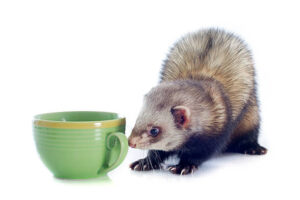
Ferrets, with their insatiable curiosity, low-to-the-ground exploration, and tendency to investigate the world with their mouths, are uniquely vulnerable to the myriad of dangers lurking within the average home. Unlike cats and dogs, whose natural instincts sometimes include aversion to certain toxic substances, ferrets often approach new scents or objects with fearless enthusiasm. Their small size, rapid metabolism, and specific physiological traits mean that even small exposures to certain toxins can lead to severe illness or death. For every ferret owner, creating a thoroughly ferret-proof environment is not merely a suggestion, but a critical imperative for ensuring the long, healthy, and happy life of these delightful creatures.
This guide aims to provide a comprehensive and elaborate overview of the toxins, chemicals, and hidden physical hazards that pose a significant threat to ferrets within a domestic setting. We will delve into specific substances, their mechanisms of action, the symptoms they cause, and, most importantly, proactive measures for prevention and emergency responses.
Understanding Toxicity in Ferrets: The Unique Vulnerability
Ferrets are masters of exploration, often using their keen sense of smell and their mouths to understand their environment. This natural curiosity, combined with several physiological factors, makes them particularly susceptible to poisoning:
- Exploratory Chewing: Ferrets instinctively chew on objects to investigate them. This means that a seemingly benign item on the floor can quickly become a source of toxic ingestion.
- Low-to-the-Ground Nature: Their proximity to the floor means they are constantly exposed to spills, dropped items, and cleaning residues.
- Small Body Size: A smaller body mass means that a smaller dose of a toxic substance can have a more profound and rapid effect compared to a larger animal.
- Rapid Metabolism: While their metabolism is generally fast, this can sometimes lead to toxins being absorbed and distributed more quickly throughout their system.
- Limited Vomiting Reflex: While ferrets can vomit, their gag reflex is not as sensitive or reliable as in some other animals (like cats), meaning they may not effectively expel ingested toxins from their stomach.
- Grooming Habits: Like cats, ferrets meticulously groom themselves. If they walk through a spilled chemical or get a substance on their fur, they are likely to ingest it during grooming.
Toxins can enter a ferret’s body through several routes:
- Ingestion: The most common route, often from eating a toxic substance or grooming it off their fur.
- Inhalation: Breathing in toxic fumes or aerosols from cleaning products, air fresheners, or smoke.
- Dermal Absorption: Contact with the skin, where the substance is absorbed into the bloodstream.
- Ocular Exposure: Contact with the eyes, leading to irritation or systemic absorption.
General Signs of Poisoning in Ferrets: Symptoms can vary widely depending on the toxin, the dose, and the individual ferret. However, common signs include:
- Gastrointestinal: Vomiting, diarrhea, loss of appetite (anorexia), excessive drooling, abdominal pain, straining to defecate.
- Neurological: Lethargy, weakness, incoordination (ataxia), tremors, seizures, disorientation, dilated or constricted pupils.
- Respiratory: Difficulty breathing (dyspnea), coughing, sneezing, nasal discharge.
- Dermatological: Skin irritation, redness, swelling, hair loss, excessive scratching.
- Other: Pale gums, increased thirst or urination, changes in body temperature, collapse, sudden death.
Immediate Action in Case of Suspected Poisoning:
- Stay Calm: Panic hinders effective action.
- Ensure Safety: Remove your ferret from the source of the toxin immediately.
- Identify the Toxin: If possible, identify what your ferret ingested or was exposed to. Save the packaging, label, or a sample of the substance. This information is crucial for your veterinarian.
- Do NOT Induce Vomiting Unless Directed: For some toxins (e.g., corrosives, petroleum products), inducing vomiting can be more harmful. Only do so under veterinary guidance.
- Contact Your Veterinarian or Emergency Clinic IMMEDIATELY: Time is of the essence. Provide them with all the information you have.
- Poison Control Hotlines: Keep numbers handy for pet poison control centers (e.g., ASPCA Animal Poison Control Center, Pet Poison Helpline). They charge a fee but can offer immediate expert advice.
Common Household Toxins: A Deep Dive
1. Cleaning Products
The very products we use to keep our homes clean are often among the most dangerous to ferrets. Many contain harsh chemicals, corrosives, or irritants.
- Bleach and Ammonia: Found in many disinfectants and cleaners.
- Dangers: Highly corrosive. Ingestion causes severe burns to the mouth, esophagus, and stomach. Inhalation of fumes (especially if mixed) can cause severe respiratory distress and lung damage.
- Symptoms: Drooling, pawing at mouth, vomiting, difficulty swallowing, respiratory distress, ulcerations in the mouth.
- Prevention: Store all cleaning products in high, locked cabinets. Never leave buckets of cleaning solutions unattended. Ensure areas are dry and well-ventilated before allowing ferrets access after cleaning.
- Oven Cleaners & Drain Cleaners: Contain extremely strong lye or acid compounds.
- Dangers: Cause immediate and severe chemical burns on contact or ingestion. Can be fatal.
- Symptoms: Extreme pain, severe oral and esophageal burns, vomiting blood, collapse.
- Prevention: Absolutely store securely. Never use these products while ferrets are present, and ensure the area is thoroughly rinsed and dry before reintroduction.
- Floor Cleaners, Window Cleaners, Toilet Bowl Cleaners: Many contain detergents, solvents, and disinfectants.
- Dangers: Can cause gastrointestinal upset, skin irritation, and chemical burns. Phenols, common in some disinfectants (e.g., pine oil cleaners), are particularly toxic.
- Symptoms: Vomiting, diarrhea, skin redness, lethargy.
- Prevention: Use pet-safe cleaners where possible. Always follow label directions for dilution and ventilation. Keep ferrets out of areas until surfaces are dry and fumes have dissipated.
- Laundry Detergents & Fabric Softeners: Detergent pods are especially attractive and dangerous.
- Dangers: Cause gastrointestinal irritation, vomiting, and diarrhea. Pods can cause more concentrated exposure and aspiration risk.
- Symptoms: Vomiting, drooling, lethargy.
- Prevention: Store securely. Clean up spills immediately. Close laundry machine doors.
- Air Fresheners, Scented Candles, Plug-ins, Essential Oil Diffusers:
- Dangers: Many contain Volatile Organic Compounds (VOCs), phthalates, and synthetic fragrances that can irritate respiratory tracts and potentially cause systemic issues. Diffused essential oils are highly concentrated and can cause respiratory irritation, liver damage, or other toxicity if inhaled or absorbed dermally, especially those like tea tree oil, citrus oils, or peppermint.
- Symptoms: Coughing, sneezing, difficulty breathing, lethargy, eye irritation, tremors (with essential oils).
- Prevention: Avoid using these products in areas ferrets frequent. If used, ensure excellent ventilation and keep ferrets away from the source. Never use essential oils directly on or near ferrets.
2. Pest Control Products
These are designed to kill, and thus are inherently dangerous to pets. Ferrets, being natural hunters, might be attracted to poisoned rodents or insects.
- Rodenticides (Rat/Mouse Poisons): One of the most common and deadly household toxins.
- Dangers:
- Anticoagulants (e.g., Warfarin, Bromadiolone, Diphacinone): Inhibit blood clotting, leading to internal bleeding. Symptoms may be delayed by several days.
- Bromethalin: A neurotoxin that causes brain swelling and neurological signs. Rapid onset.
- Cholecalciferol (Vitamin D3): Causes severe elevation of calcium and phosphorus, leading to kidney failure. Delayed onset.
- Symptoms: Lethargy, weakness, pale gums, difficulty breathing, nosebleeds, bruising, seizures, tremors, kidney failure (depending on type).
- Prevention: Never use rodenticides in a home with ferrets. If absolutely necessary, hire a professional and ensure baits are in areas completely inaccessible to ferrets and secondary poisoning (ferret eating poisoned rodent) is impossible.
- Dangers:
- Insecticides (Sprays, Baits, Foggers, Fly Traps):
- Dangers: Pyrethrins/Permethrins (found in many flea sprays/shampoos not formulated for ferrets), organophosphates, carbamates. Can cause neurological overstimulation, respiratory distress, and GI upset. Fly traps contain sticky glue that can cause severe skin and fur irritation, and if ingested, bowel obstruction.
- Symptoms: Tremors, seizures, excessive drooling, vomiting, diarrhea, difficulty breathing, collapse.
- Prevention: Use only ferret-safe flea/tick prevention products (consult your vet). Avoid using household insecticide sprays or foggers. If used, remove ferrets from the home for the recommended duration and ventilate thoroughly. Sticky traps should never be used where ferrets have access.
- Snail/Slug Baits (Metaldehyde):
- Dangers: Highly toxic, causing rapid onset of neurological signs.
- Symptoms: Severe tremors, seizures, hyperthermia, death.
- Prevention: Avoid entirely if ferrets have outdoor access, or secure fencing.
3. Human Medications
Pharmaceuticals intended for humans are frequently toxic to ferrets, even in small doses. They are often dropped on the floor or left within reach.
- NSAIDs (Non-Steroidal Anti-Inflammatory Drugs – e.g., Ibuprofen, Naproxen, Aspirin):
- Dangers: Cause severe gastrointestinal ulceration, kidney damage, and liver damage.
- Symptoms: Vomiting (sometimes with blood), diarrhea, dark/tarry stools, anorexia, lethargy, abdominal pain, increased thirst/urination (kidney failure).
- Prevention: Keep all medications in child-proof containers and out of reach. Never administer human NSAIDs to ferrets.
- Acetaminophen (Tylenol):
- Dangers: Causes liver damage and can damage red blood cells, impairing oxygen transport.
- Symptoms: Lethargy, weakness, pale or bluish gums, difficulty breathing, facial swelling, liver failure.
- Prevention: Never give acetaminophen to ferrets. Securely store all medications.
- Antidepressants, Stimulants, Sedatives, Cold/Flu Medications:
- Dangers: These can have profound effects on a ferret’s central nervous system, heart, and other organs. Effects can range from extreme sedation to seizures, hyperactivity, or cardiovascular collapse.
- Symptoms: Wide range depending on the drug, including tremors, seizures, hyperactivity, profound sedation, abnormal heart rate, respiratory depression, vomiting.
- Prevention: All human medications must be stored in secure, ferret-proof locations.
- Vitamins (Especially Vitamin D and Iron):
- Dangers: Overdoses of Vitamin D can lead to dangerously high calcium levels and kidney failure. Iron supplements can cause severe gastrointestinal irritation and liver damage.
- Symptoms: Vomiting, diarrhea, lethargy, increased thirst and urination.
- Prevention: Keep all supplements securely stored.
- Topical Creams & Ointments: (e.g., corticosteroid creams, pain relief creams)
- Dangers: Ferrets may lick these off, leading to ingestion of drugs not meant for internal use, or in doses too high for their size.
- Symptoms: Varies, but can include GI upset, systemic drug effects.
- Prevention: Keep tubes and containers out of reach. If you use topical medications on yourself, ensure your hands are thoroughly washed before handling your ferret.
4. Plants (Toxic & Irritant)
While ferrets are obligate carnivores and not naturally inclined to eat plant material, curiosity can lead to a nibble, which can be dangerous.
- Lilies (True Lilies & Daylilies):
- Dangers: Highly toxic to ferrets (and cats), causing acute kidney failure. All parts of the plant are poisonous, including pollen.
- Symptoms: Vomiting, lethargy, anorexia, increased urination initially, followed by decreased urination as kidney failure progresses.
- Prevention: Do not have any lilies in your home or garden where ferrets have access.
- Philodendron, Pothos, Dieffenbachia, Sago Palm, Peace Lily, Calla Lily:
- Dangers:
- Calcium Oxalates (e.g., Philodendron, Pothos, Dieffenbachia, Peace Lily): Cause immediate burning and irritation of the mouth, tongue, and throat due to insoluble crystals.
- Sago Palm: Extremely toxic, causing severe liver failure.
- Symptoms: Oral pain, drooling, pawing at mouth, vomiting (calcium oxalates). Vomiting, diarrhea, jaundice, weakness, seizures (Sago Palm).
- Prevention: Remove all potentially toxic plants from your home or keep them in completely inaccessible areas.
- Dangers:
- Azalea, Rhododendron, Oleander:
- Dangers: Contain cardiac glycosides that can disrupt heart function.
- Symptoms: Vomiting, diarrhea, weakness, cardiac arrhythmias, collapse, death.
- Prevention: Absolutely exclude these from your ferret’s environment.
- Daffodils, Tulips, Hyacinths (especially bulbs):
- Dangers: Contain toxic alkaloids that can cause severe GI upset and cardiac issues.
- Symptoms: Vomiting, diarrhea, drooling, lethargy, tremors, cardiac arrhythmias.
- Prevention: Keep bulbs and plants out of reach.
- Marijuana/Cannabis:
- Dangers: THC (tetrahydrocannabinol) is toxic to ferrets, causing neurological and gastrointestinal effects.
- Symptoms: Lethargy, incoordination, drooling, vomiting, dilated pupils, tremors, urinary incontinence, sensitivity to touch.
- Prevention: Keep all cannabis products, including edibles, securely stored. Avoid exposure to secondhand smoke.
5. Automotive & Garage Products
Garages and workshops are treasure troves of hazards for ferrets.
- Antifreeze (Ethylene Glycol):
- Dangers: One of the most deadly toxins. It has a sweet taste that attracts animals. Even a small lick can be fatal, causing rapid, irreversible kidney failure.
- Symptoms: Initial signs (within 30 min-12 hours) include increased thirst/urination, lethargy, incoordination, nausea, vomiting. Later signs (12-72 hours) include severe lethargy, anorexia, oral ulcers, seizures, coma, and ultimately kidney failure.
- Prevention: Use pet-safe antifreeze (propylene glycol-based) if possible. Clean up any spills immediately and keep containers tightly sealed and out of reach. Check your car for leaks.
- Motor Oil, Gasoline, Brake Fluid, Windshield Wiper Fluid:
- Dangers: Ingestion can cause severe gastrointestinal irritation, aspiration pneumonia (if inhaled), and systemic toxicity. Dermal exposure can cause skin irritation.
- Symptoms: Vomiting, diarrhea, lethargy, coughing, difficulty breathing, skin irritation.
- Prevention: Store all automotive fluids securely. Ensure garage floors are clean and free of spills.
- Garden Chemicals (Herbicides, Fertilizers):
- Dangers: Herbicides can cause GI upset or more severe systemic effects. Fertilizers can cause GI irritation; some contain iron or other harmful compounds.
- Symptoms: Vomiting, diarrhea, lethargy.
- Prevention: Store securely. Keep ferrets away from treated lawns or gardens until products are dry and safe as per label instructions.
- Paint, Paint Thinners, Sealants:
- Dangers: Solvents in these products are highly toxic if ingested or inhaled, causing GI irritation, aspiration pneumonia, and neurological effects.
- Symptoms: Vomiting, coughing, difficulty breathing, lethargy, tremors.
- Prevention: Store securely. Do not allow ferrets near areas being painted or with drying paint/sealants.
6. Food Hazards
Many common human foods are toxic or dangerous for ferrets.
- Chocolate & Caffeine:
- Dangers: Contain methylxanthines (theobromine, caffeine) which ferrets are sensitive to. Dark chocolate and baking chocolate contain higher concentrations.
- Symptoms: Vomiting, diarrhea, increased thirst, restlessness, hyperactivity, tremors, seizures, abnormal heart rhythm, death.
- Prevention: Absolutely no chocolate or caffeine for ferrets. Keep all chocolate, coffee, tea, and caffeinated beverages out of reach.
- Xylitol (Artificial Sweetener):
- Dangers: Found in sugar-free gum, candies, some peanut butter, and baked goods. Highly toxic, causing a rapid and profound drop in blood sugar (hypoglycemia) and potentially severe liver failure.
- Symptoms: Vomiting, weakness, lethargy, incoordination, collapse, seizures, jaundice.
- Prevention: Check labels of sugar-free products. Avoid feeding ferrets any human foods containing xylitol.
- Grapes & Raisins:
- Dangers: The exact toxic mechanism is unknown, but they can cause acute kidney failure in some animals.
- Symptoms: Vomiting, diarrhea, lethargy, anorexia, abdominal pain, increased thirst, decreased urination.
- Prevention: Do not feed grapes or raisins to ferrets.
- Onions & Garlic (and related plants like chives, leeks):
- Dangers: Contain thiosulphates that can damage red blood cells, leading to anemia.
- Symptoms: Lethargy, weakness, pale gums, rapid breathing, dark urine. Symptoms may be delayed.
- Prevention: Never feed ferrets foods containing onions or garlic.
- Alcohol:
- Dangers: Ferrets are very sensitive to alcohol, causing central nervous system depression, respiratory depression, and severe drops in blood sugar and body temperature.
- Symptoms: Vomiting, disorientation, incoordination, collapse, coma, death.
- Prevention: Keep all alcoholic beverages out of reach.
- Avocados:
- Dangers: Contain persin, which can be toxic. While the specific toxicity in ferrets isn’t as well-documented as in birds, it’s best to avoid.
- Symptoms: Varies, but can include gastrointestinal upset.
- Prevention: Avoid feeding avocados.
- Macadamia Nuts:
- Dangers: Cause weakness, tremors, hyperthermia, and vomiting.
- Symptoms: Weakness, tremors, vomiting, inability to stand.
- Prevention: Do not feed macadamia nuts.
- Yeast Dough:
- Dangers: The uncooked yeast can expand in the stomach, causing bloating and potentially a life-threatening gastric torsion. The yeast also produces alcohol as it ferments, leading to alcohol toxicity.
- Symptoms: Bloating, abdominal pain, vomiting, weakness, disorientation.
- Prevention: Do not allow access to uncooked yeast dough.
- Bones:
- Dangers: Cooked bones can splinter and cause choking, oral injuries, or internal perforations of the digestive tract. Raw bones pose a risk of bacterial contamination.
- Symptoms: Choking, gagging, difficulty defecating, abdominal pain, blood in stool.
- Prevention: Do not feed bones to ferrets.
- High-Sugar, High-Fat, High-Salt Human Foods: (e.g., candy, chips, processed meats)
- Dangers: While not acutely toxic, these can lead to long-term health problems like dental disease, obesity, diabetes, and other organ issues.
- Symptoms: Generally chronic, but can include GI upset.
- Prevention: Stick to a high-quality, meat-based ferret-specific diet.
7. Heavy Metals & Miscellaneous Toxins
These less obvious toxins can be found in various household items.
- Lead:
- Dangers: Found in old paint chips, lead-based solder, fishing weights, some older toys, or imported ceramics. Ingestion causes neurological damage, gastrointestinal issues, and anemia.
- Symptoms: Vomiting, diarrhea, anorexia, lethargy, seizures, tremors, blindness.
- Prevention: Identify and remove lead paint. Do not offer old painted toys or items of unknown origin.
- Zinc:
- Dangers: Found in galvanized cages (especially older ones), pennies (especially post-1982), zippers, nuts, and bolts. Ingestion can cause severe anemia (hemolytic anemia) and damage to internal organs.
- Symptoms: Vomiting, diarrhea, lethargy, weakness, pale gums, jaundice, red urine.
- Prevention: Avoid galvanized cages. Ensure toys, bowls, and cage accessories are free of zinc. Do not allow ferrets access to coins or metal hardware.
- Batteries:
- Dangers: Both button batteries and cylindrical batteries are hazardous. Lithium button batteries can cause severe corrosive burns in the mouth and esophagus. Other batteries contain heavy metals and corrosive electrolytes.
- Symptoms: Drooling, pawing at mouth, oral burns, lethargy, vomiting.
- Prevention: Keep all batteries securely stored and dispose of them properly. Be mindful of remote controls, watches, and toys that contain batteries.
- Tobacco Products:
- Dangers: Nicotine is a potent neurotoxin. Ingestion of cigarettes, cigars, chewing tobacco, e-liquids, or nicotine products can be fatal. Secondhand smoke is also detrimental, causing respiratory issues.
- Symptoms: Vomiting, drooling, tremors, excitability, rapid heart rate, weakness, collapse, seizures, respiratory arrest.
- Prevention: Keep all tobacco products and vaping supplies securely stored and away from ferrets. Do not smoke or vape near ferrets.
- Pool Chemicals:
- Dangers: Concentrated chlorine, muriatic acid, and other pool chemicals are highly corrosive and toxic if ingested or inhaled.
- Symptoms: Severe burns to mouth/esophagus, respiratory distress, vomiting, collapse.
- Prevention: Store all pool chemicals safely and securely. Keep ferrets away from pool areas during and shortly after chemical treatment.
- Art Supplies: (Paints, solvents, glues)
- Dangers: Can contain heavy metals, VOCs, and other irritants.
- Symptoms: Vomiting, lethargy, neurological signs depending on the substance.
- Prevention: Store securely. Do not allow ferrets access to art projects.
Hidden Hazards & Physical Dangers
Beyond chemical toxins, ferrets face numerous physical threats in the home due to their inquisitiveness and agility.
1. Foreign Body Ingestion
Ferrets are notorious for eating indigestible objects, which can cause life-threatening obstructions.
- Rubber Items: Erasers, rubber bands, shoe soles, remote control buttons, headphone ear pads, toys made of soft rubber.
- Foam: Found in rug underlays, couch cushions, foam toys, insulation, mattress toppers.
- Fabric: Loose threads, small plush toys, blankets/bedding with holes, string, yarn, carpet fibers.
- Hair & Dental Floss: Human hair (especially long strands) and dental floss can cause linear foreign body obstructions, cutting through the intestine as the gut tries to move it.
- Small Objects: Coins, earrings, small hardware, fishing lures.
- Dangers: Choking, gastrointestinal obstruction (partial or complete), perforation of intestines requiring emergency surgery.
- Symptoms: Vomiting, anorexia, lethargy, weight loss, abdominal pain, straining to defecate, dark/tarry stools, palpable abdominal mass.
- Prevention: Inspect toys regularly for damage. Repair or discard damaged items. Choose ferret-safe, durable toys. Keep floors clear of small objects, threads, and human hair (vacuum frequently). Supervise playtime closely.
2. Falls & Traumas
Ferrets are agile but not invincible. Their depth perception isn’t always reliable.
- Falls from Heights: Tables, counters, stairs, open windows, balconies. Can lead to broken bones, internal injuries, or head trauma.
- Getting Shut In/Crushed: Reclining chairs, sofa beds, rocking chairs, dresser drawers, closet doors, washing machines, dryers, dishwashers. These are silent and deadly traps.
- Toilets: Open toilet lids pose a drowning hazard, especially for younger or smaller ferrets.
- Dangers: Fractures, internal organ damage, head injuries, suffocation, drowning.
- Prevention: Never leave ferrets unsupervised on high surfaces. Block off access to stairs if necessary. ALWAYS check inside appliances (washing machine, dryer, dishwasher) and behind/under furniture (recliners, sofa beds) before using them or closing them. Keep toilet lids down. Install baby gates to restrict access to dangerous areas.
3. Electrical Hazards
Ferrets love to chew, and electrical cords are tempting targets.
- Chewing on Cords: Can lead to electrical shock, severe burns to the mouth and internal organs, respiratory arrest, or cardiac arrest.
- Dangers: Electrocution, severe burns, death.
- Symptoms: Oral burns, difficulty breathing, seizures, collapse, sudden death.
- Prevention: Cover all exposed electrical cords with ferret-proof cord protectors (hard plastic tubing). Elevate cords out of reach. Unplug unused electronics.
4. Temperature Extremes
Ferrets are sensitive to extreme temperatures.
- Heatstroke: Ferrets do not sweat effectively and are prone to overheating in temperatures above 80°F (27°C).
- Symptoms: Panting, drooling, lethargy, bright red gums, weakness, vomiting, collapse.
- Prevention: Maintain a stable room temperature. Provide multiple water sources. Offer cool tiles, ice packs, or frozen water bottles for cooling. Never leave ferrets in a hot car.
- Hypothermia: While generally tolerant of cooler temperatures down to 40°F (4°C) if provided with adequate bedding, severe cold can cause hypothermia.
- Symptoms: Shivering, lethargy, cold to the touch, weakness, collapse.
- Prevention: Provide plenty of warm bedding, avoid drafts, and keep their environment above freezing.
5. Other Pets & Wildlife
While many ferrets can coexist peacefully with other pets, caution is always warranted.
- Dogs & Cats: Even friendly dogs or cats can accidentally injure or kill a ferret during play. Predatory instincts can surface unexpectedly.
- Wild Animals: If ferrets have outdoor access, they are vulnerable to predators (birds of prey, raccoons, coyotes, larger stray animals).
- Dangers: Bites, scratches, crushing injuries, internal trauma, disease transmission.
- Prevention: Introduce other pets slowly and under strict supervision. Never leave ferrets unsupervised with other pets, especially those with a strong prey drive. Ensure outdoor enclosures are fully secured against predators.
Creating a Ferret-Proof Home: A Proactive Approach
The key to keeping your ferret safe is prevention through thorough ferret-proofing. This should be an ongoing process, as ferrets are constantly testing boundaries.
- Room-by-Room Checklist:
- Living Room: Secure electrical cords, block access to recliners/sofa beds, remove small objects from floor/low shelves, ensure houseplants are non-toxic or out of reach.
- Kitchen: Keep all food items in sealed containers or high cabinets. Secure cleaning products. Block access under cabinets and behind appliances (refrigerator, stove). Ensure dishwasher door is closed.
- Bathroom: Keep toilet lid down. Store all medications, cleaning products, and personal care items (shampoos, lotions) in locked cabinets.
- Laundry Room: Keep washer/dryer doors closed. Store all detergents and fabric softeners securely.
- Bedroom: Secure electrical cords. Ensure clothes, socks, and other small fabric items are picked up. Block access under beds and dressers.
- Garage/Basement: Highly dangerous areas. Ideally, ferrets should never have unsupervised access. Store ALL chemicals, tools, and automotive fluids in high, locked cabinets.
- Storage Solutions: Invest in child-proof locks for cabinets and drawers. Use sturdy, sealed containers for food and cleaning products. High shelving is good, but remember ferrets are surprisingly good climbers or can gain access via adjacent furniture.
- Regular Inspection: Routinely check your ferret’s cage for wear and tear, loose wires, or damaged bedding. Inspect toys for signs of chewing that could lead to foreign body ingestion.
- Vigilant Supervision: Direct supervision is the best defense against hazards. When ferrets are out of their cage, keep a watchful eye on them. If you cannot supervise, return them to their safe enclosure.
- Emergency Preparedness:
- Emergency Contact List: Keep numbers for your regular veterinarian, the nearest 24-hour emergency veterinary hospital, and pet poison control hotlines in an easily accessible location.
- Ferret First-Aid Kit: Include items like saline solution, gauze, vet wrap, antiseptic wipes, scissors, tweezers, a thermometer, and a carrier.
- Know Your Ferret: Be aware of your ferret’s normal behavior, appetite, and energy levels so you can quickly spot any changes that might indicate illness or injury.
Conclusion
Owning a ferret is a deeply rewarding experience, filled with playful antics and loving companionship. However, it comes with the significant responsibility of ensuring their safety in a world not naturally designed for their unique needs. By understanding the vast array of toxins, chemicals, and hidden physical hazards present in the typical home, and by taking proactive, comprehensive ferret-proofing measures, owners can mitigate risks and provide an environment where their beloved ferrets can explore, play, and thrive without danger. Your vigilance is their safety net, safeguarding their curious nature and allowing them to live long, healthy, and hazard-free lives.
#Ferretsafety #Ferretcare #Ferrethealth #Ferrettoxins #Ferretproofing #Pettoxins #Householdhazards #Ferretdangers #Toxichome #Petpoison #Ferretsaspets #Ferretdad #Ferretmom #Mustelidcare #Ferrethealthtips #Ferretsrock #Petparents #Preventpoisoning #Healthyferret #Ferrethazards #Emergencyvet #Ferretlove






Add comment