
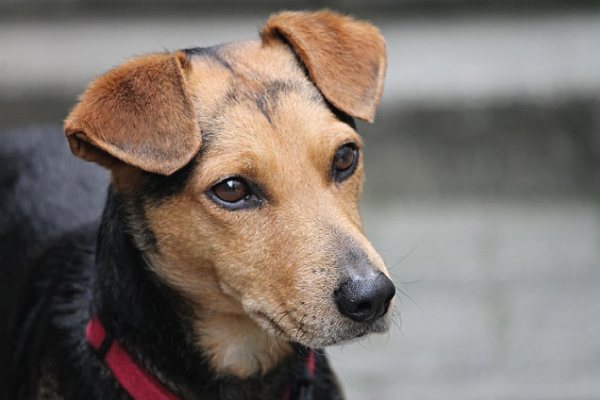
Dealing with Dandruff: Specialized Shampoos for Canine Skin Issues
Watching your beloved dog constantly scratch, leaving a trail of white flakes on their bed and your clothes, can be distressing. Canine dandruff, or seborrhea, is more than just a cosmetic issue; it’s often a symptom of an underlying problem with your dog’s skin health.
While a trip to the veterinarian is always the first and most crucial step, understanding the role of specialized shampoos can empower you to become an active partner in your dog’s treatment. This guide will delve deep into the causes of canine dandruff, the science behind medicated shampoos, and how to choose and use the right product for a happy, healthy, and flake-free companion.
Part 1: Understanding the “Why” – What Causes Dandruff in Dogs?
Dandruff is essentially an overproduction and shedding of dead skin cells. This process can be triggered by a wide range of factors. Identifying the root cause is critical because the right shampoo depends on the specific problem.
Primary Seborrhea: This is a genetic condition, more common in breeds like Cocker Spaniels, West Highland White Terriers, and Basset Hounds. The skin’s cell turnover process is inherently faulty.
Secondary Seborrhea: This is far more common and is a symptom of another issue. The main culprits include:
- Dry Skin (Seborrhea Sicca):
- Environment: Low humidity, common in winter months or arid climates, can sap moisture from the skin.
- Over-bathing: Using harsh soaps or bathing too frequently can strip the skin of its natural, protective oils.
- Oily Skin (Seborrhea Oleosa):
- The skin overproduces sebum (oil), leading to greasy, waxy flakes and often a distinct, unpleasant odor.
- Allergies:
- Environmental (Atopy): Reactions to pollen, mold, dust mites.
- Food: Allergies to specific proteins (like chicken or beef) can manifest as skin inflammation and flaking.
- Infections:
- Fungal (Yeast): An overgrowth of Malassezia pachydermatis, a common yeast on dog skin, can cause greasy, itchy, and flaky skin.
- Bacterial (Pyoderma): Staph infections can lead to pustules, crusts, and secondary flaking.
- Parasites:
- Cheyletiella Mites (“Walking Dandruff”): These mites are large enough to be seen moving, causing intense itching and significant flaking.
- Demodex Mites or Scabies: Can disrupt skin health and lead to dandruff.
- Fleas: Flea saliva allergies are a major cause of skin irritation.
- Underlying Medical Conditions:
- Hormonal Imbalances: Hypothyroidism (underactive thyroid) and Cushing’s disease can dramatically affect skin and coat quality.
- Nutritional Deficiencies: Lack of essential fatty acids (Omega-3 and Omega-6) can lead to a dull coat and dry, flaky skin.
- Autoimmune Disorders: Conditions like Pemphigus can attack the skin.
Part 2: The Arsenal – Key Ingredients in Specialized Canine Shampoos
Medicated shampoos are not just for cleaning; they are topical treatments. The active ingredients are designed to target specific problems. Understanding these ingredients will help you decipher product labels and have a more informed conversation with your vet.
For Soothing and Moisturizing (General Dryness)
- Colloidal Oatmeal: A time-tested classic. It soothes inflammation, relieves itching, and acts as a gentle moisturizer. It’s an excellent choice for mild, non-infected dry skin.
- Aloe Vera: Known for its cooling and anti-inflammatory properties, aloe vera helps hydrate the skin and promote healing.
- Essential Fatty Acids (EFAs): Ingredients like safflower oil, sunflower oil, or coconut oil help replenish the skin’s natural lipid barrier, locking in moisture.
For Degreasing and Normalizing Skin Turnover (Keratolytics)
These ingredients help break down and remove excess scale and oil, and normalize the rate at which skin cells are produced.
- Salicylic Acid: Gently exfoliates the skin, helping to remove dead cells and unclog pores. It has mild antibacterial and anti-inflammatory properties.
- Sulfur: Works synergistically with salicylic acid. It slows down skin cell production (keratoplastic), breaks down existing flakes (keratolytic), and has antifungal/antibacterial properties. Ideal for greasy seborrhea.
- Coal Tar: A powerful degreaser and keratoplastic agent. Use with extreme caution and only under strict veterinary supervision. It can be irritating to the skin and is toxic if ingested. Not suitable for cats.
For Fighting Infections
- Chlorhexidine: A powerful, broad-spectrum antiseptic that is highly effective against bacteria and some yeasts. It’s a gold-standard ingredient for treating bacterial pyoderma. Often found in 2-4% concentrations.
- Ketoconazole / Miconazole: Potent antifungal agents used to treat yeast (Malassezia) infections. They are often paired with chlorhexidine for a powerful combination therapy against mixed infections.
- Benzoyl Peroxide: Excellent for “follicular flushing.” It gets deep into hair follicles to flush out bacteria, oil, and debris. It’s particularly useful for Demodex mites and deep pyoderma, but can be drying.
For Fighting Parasites
- Selenium Sulfide: Primarily used for its antifungal and keratolytic properties, it is also effective against certain ectoparasites. It can be very drying and should be used as directed by a vet.
Part 3: The Strategy – How to Choose and Use the Right Shampoo
RULE #1: ALWAYS CONSULT YOUR VETERINARIAN FIRST. A proper diagnosis is non-negotiable. Using an antifungal shampoo on a bacterial infection will be ineffective, and using a drying shampoo on already dry skin will make the problem worse.
Matching the Shampoo to the Condition:
- If your dog has simple, dry, flaky skin (especially in winter):
- Look for: Colloidal Oatmeal, Aloe Vera, Essential Fatty Acids.
- Goal: Soothe, hydrate, and support the skin barrier.
- If your dog has greasy, waxy flakes and a bad odor (Seborrhea Oleosa):
- Look for: Sulfur, Salicylic Acid, Benzoyl Peroxide.
- Goal: Degrease, exfoliate, and normalize skin cell production.
- If your vet suspects a Yeast (Malassezia) Infection:
- Look for: Ketoconazole or Miconazole. Often paired with Chlorhexidine.
- Goal: Eliminate the fungal overgrowth.
- If your vet diagnoses a Bacterial (Staph) Infection:
- Look for: Chlorhexidine (2-4%), Benzoyl Peroxide.
- Goal: Kill the bacteria and flush out follicles.
The Correct Bathing Technique for Medicated Shampoos
The effectiveness of these shampoos depends entirely on proper application.
- Brush First: Thoroughly brush your dog’s coat to remove loose hair, mats, and as many flakes as possible. This allows the shampoo to reach the skin.
- Use Lukewarm Water: Hot water can further irritate inflamed skin and strip essential oils.
- Lather and Massage: Apply the shampoo and work it into a gentle lather, making sure it makes direct contact with the skin all over the body. Pay attention to problem areas.
- WAIT! The Critical Contact Time: This is the most important step. Medicated ingredients need time to work. Read the bottle instructions. Most require a contact time of 5 to 15 minutes. Use this time to gently massage your dog or just keep them calm in the tub.
- Rinse Thoroughly: Rinse until the water runs completely clear. Leftover shampoo residue can cause significant skin irritation and negate the treatment’s benefits.
- Dry Gently: Pat your dog dry with a towel or use a blow dryer on a low, cool setting. Avoid vigorous rubbing.
- Follow the Frequency Schedule: Your vet will prescribe a bathing schedule, which might be as often as 2-3 times a week initially, then tapering down as the condition improves.
Part 4: Beyond the Bottle – A Holistic Approach to Skin Health
Shampoo is a tool, not a cure-all. For long-term success, you must address the root cause.
- Nutrition: A high-quality diet is the foundation of skin health. Supplementing with Omega-3 fatty acids (from fish oil) can significantly reduce inflammation and improve the skin barrier.
- Hydration: Ensure your dog always has access to fresh, clean water.
- Grooming: Regular brushing distributes natural skin oils, removes dead skin and hair, and improves circulation.
- Environment: Use a humidifier in your home during dry months. Wash your dog’s bedding frequently in hypoallergenic detergent.
- Avoid Human Products: Never use human dandruff shampoo (like Head & Shoulders) on your dog. The pH of a dog’s skin is different from humans, and these products can be harsh, irritating, and even toxic (especially those with coal tar).
Conclusion
Dealing with canine dandruff requires patience, a proper diagnosis, and the right tools. Specialized shampoos are powerful therapeutic agents that, when chosen correctly and used properly, can provide immense relief to an itchy, uncomfortable dog. By partnering with your veterinarian and understanding the science behind the suds, you can effectively manage your dog’s skin issues and restore their coat to a healthy, flake-free shine.
=========================================
#DogDandruff, #CanineSkinIssues, #DogShampoo, #SpecializedShampoo, #PetGrooming, #DogHealth, #MedicatedShampoo, #CanineDermatitis, #PetSkinCare, #DealingWithDandruff





Add comment