
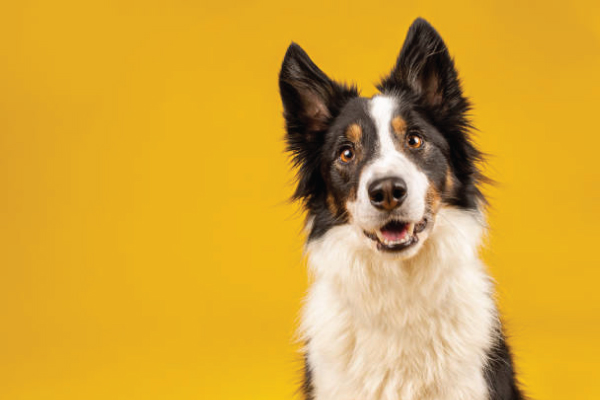
Dealing with Double Coats: A Comprehensive Guide to Bathing Huskies, Shepherds, and Other Double-Coated Breeds
Double-coated dogs are a marvel of natural engineering. Their dense undercoats provide insulation in cold weather, while their coarser outer guard hairs protect against rain, dirt, and sun. However, this magnificent fur comes with a significant responsibility for owners: regular and effective grooming, particularly bathing.
This guide will delve deep into the nuances of bathing double-coated breeds like Huskies, German Shepherds, Samoyeds, Alaskan Malamutes, and many other Spitz or herding types. We’ll cover everything from preparation to drying, ensuring your dog is clean, comfortable, and their coat remains healthy.
Why is Bathing Double Coats Different?
The primary challenge with double coats lies in their density. Water and shampoo struggle to penetrate the thick undercoat, and rinsing can be incredibly difficult. Improper bathing can lead to:
- “Wet dog smell” intensity: If shampoo and dirt aren’t fully rinsed, the undercoat can trap moisture and bacteria, leading to a more pungent odor.
- Skin irritation and hot spots: Trapped moisture can create a breeding ground for yeast and bacteria, leading to uncomfortable and potentially infected skin issues.
- Matting: While double coats are less prone to severe matting than some single coats, improper drying can cause the undercoat hairs to clump together, especially in friction areas.
- Ineffective cleaning: If only the surface layer is cleaned, the benefits of bathing are largely lost.
When and How Often Should You Bathe a Double-Coated Dog?
This is a common question, and the answer is: less often than you might think, and when needed.
- Avoid over-bathing: Frequent bathing can strip natural oils, leading to dry, itchy skin and a dull coat.
- Base it on lifestyle and smell:
- Generally: Most double-coated dogs only need a bath every 2-4 months.
- Active dogs or those who get dirty: Your dog might need baths more frequently, perhaps monthly or even every six weeks.
- Indoor-only dogs: Might be able to go even longer between baths.
- The “sniff test” is key: If your dog starts to smell, it’s time for a bath.
- Seasonal shedding: While brushing is paramount during shedding seasons, a bath can help loosen dead undercoat hairs and make the brushing process more effective.
Essential Preparations Before the Bath
Proper preparation is crucial for a smooth and effective bathing experience.
- Brushing is Non-Negotiable (Before the Bath!): This is the single most important step and often overlooked.
- Why? A thorough brush before the bath removes loose fur, dirt, and debris. This allows water and shampoo to reach the skin more effectively and significantly reduces drying time.
- Tools: Use tools appropriate for double coats:
- Undercoat Rake: Essential for reaching deep into the dense undercoat.
- Slicker Brush: Good for removing tangles and loose topcoat.
- Pin Brush: For general grooming and surface brushing.
- Deshedding Tool (e.g., FURminator): Use with caution and follow instructions, as overuse can damage the coat. Best for the shedding season.
- Technique: Brush gently, working in sections and going down to the skin. Pay attention to areas where mats can form (behind ears, armpits, groin).
- Gather Your Supplies: Have everything within reach before you start:
- Dog-Specific Shampoo: Use a high-quality shampoo formulated for dogs, ideally one that is moisturizing and designed for thick coats. Avoid human shampoos, as their pH is different and can irritate your dog’s skin. Consider a de-shedding shampoo if it’s shedding season.
- Dog-Specific Conditioner (Optional but Recommended): A good conditioner can help rehydrate the coat, detangle, and make rinsing easier. Look for moisturizing or detangling formulas.
- Towels: Lots of old bath towels. Microfiber towels are excellent for absorbing water.
- Cotton Balls: To gently place in your dog’s ears to prevent water from entering.
- Grooming Gloves or Mitts: Can be helpful for massaging shampoo in and rinsing.
- Non-Slip Mat: For the tub or shower to prevent slipping.
- Treats: For positive reinforcement!
- Water Temperature: Lukewarm is ideal – not too hot, not too cold. Test it on your wrist.
- Choose Your Bathing Location:
- Bathtub: The most common option for smaller to medium-sized double-coated dogs.
- Walk-in Shower: Good for larger dogs.
- Grooming Tub: If you have access to one, they are designed for ease of use.
- Outdoors (Warm Weather Only): A hose can be used, but ensure the water is warm enough and the dog is in a sheltered spot if it’s windy.
- Secure Your Dog: Make sure your dog is comfortable and safe in the bathing area. A non-slip surface is crucial. If your dog is particularly anxious, consider using a calming spray or treat pouch.
The Bathing Process: Step-by-Step
Now that you’re prepared, let’s get to the actual bath.
- Protect the Ears: Gently place a cotton ball in each ear. Do not push them in too far. This will help prevent ear infections.
- Thoroughly Wet the Coat:
- Use a handheld showerhead or hose for better control.
- Start from the neck and work your way down, ensuring you saturate all the way to the skin.
- Lift the fur to ensure water penetrates the undercoat. This may take longer for double coats. Be patient.
- Apply Shampoo:
- Dilute if necessary: Some shampoos are concentrated and benefit from dilution in a separate container with water. This helps them spread more easily.
- Apply generously: Start from the neck and work your way back, lathering thoroughly. Use your fingers or grooming mitts to massage the shampoo deep into the coat and down to the skin.
- Focus on problem areas: Pay attention to areas that tend to get dirtier or smellier, like the paws, belly, and tail.
- Avoid eyes and ears: Be careful not to get shampoo directly into your dog’s eyes or ears.
- Rinse, Rinse, and Rinse Again! This is the most critical part for double coats.
- Be patient and thorough: It will likely take significantly longer to rinse a double coat than a single coat.
- Rinse until the water runs clear: Continue rinsing, lifting the fur and working your fingers through it, until you can no longer feel any slippery residue.
- The “Squeak Test”: When you run your hands through the fur, it should feel clean and “squeaky” against your skin, not slick or foamy.
- Consider a second shampooing: If your dog was particularly dirty, a second lather and rinse might be beneficial.
- Apply Conditioner (If Using):
- Follow product instructions: Apply conditioner to the rinsed-but-still-damp coat.
- Focus on the outer coat and ends: Conditioners help smooth the topcoat, detangle, and add shine.
- Rinse thoroughly: Just like shampoo, conditioner needs to be completely rinsed out to prevent dullness and residue.
- Final Rinse: Give one last thorough rinse to ensure all product is removed.
- Remove Cotton Balls: Gently remove the cotton balls from your dog’s ears.
Drying Your Double-Coated Dog: The Next Big Challenge
Drying is just as important as bathing, as trapped moisture can lead to skin issues.
- Towel Drying:
- Squeeze, don’t rub: Gently squeeze excess water out of the fur with your hands.
- Absorb with towels: Use your absorbent towels to pat and blot the coat dry. Flip your dog and towel dry all sides. You’ll go through many towels!
- Air Drying (with Caution):
- Only in warm, dry conditions: If it’s warm and not humid, you can let your dog air dry in a safe, draft-free area.
- Still need to brush: Even when air-drying, it’s beneficial to periodically brush your dog as they dry to prevent tangles and help the fur separate.
- High-Velocity Dog Dryer (Recommended):
- The most effective method: These dryers are powerful and designed to blast water out of thick coats. They are a game-changer for double-coated breeds.
- Acclimatize your dog: Start on a low setting and gradually increase the power. Let your dog sniff the dryer while it’s off, then introduce the sound gradually. Offer treats and praise.
- Technique: Work the dryer in sections, holding it a few inches away from the skin. Use a brush simultaneously to help separate the fur and ensure even drying. This is also an excellent opportunity for a “fluff dry” and to encourage shedding.
- Human Hair Dryer (Use with Extreme Caution):
- Lowest heat setting ONLY: If you don’t have a dog dryer, a human dryer on the absolute coolest setting can be used.
- Keep it moving: Never hold the dryer in one spot for too long, as you risk burning your dog’s skin.
- Not as effective: It won’t have the power to fully dry the undercoat, so it’s best combined with extensive towel drying and air drying.
Post-Bath Grooming and Care
- The Finishing Brush: Once your dog is completely dry, give them a final, thorough brush. This removes any remaining loose hair, smooths the coat, and ensures no tangles have formed.
- Check for Irritations: Inspect your dog’s skin for any redness, dryness, or irritation that may have occurred during the bath.
- Praise and Reward: Make the entire experience as positive as possible with treats, praise, and affection.
Common Mistakes to Avoid
- Not brushing before the bath.
- Using human shampoo.
- Not rinsing thoroughly enough.
- Using water that is too hot or too cold.
- Allowing trapped moisture to remain in the coat, especially in humid or cold weather.
- Using a human hair dryer on a hot setting.
- Forcing the process and causing anxiety for your dog.
Conclusion
Bathing a double-coated dog is a commitment, but with the right approach and preparation, it can be a manageable and even rewarding experience. The key lies in understanding the unique needs of their two-layered coat: thorough brushing before, meticulous rinsing during, and effective drying afterward. By following these guidelines, you’ll keep your Husky, Shepherd, or other double-coated companion clean, comfortable, and looking their absolute best, while safeguarding their skin and coat health. Remember, patience, consistency, and a positive attitude are your most valuable tools.
===============================================
#DoubleCoatCare, #DogBathing, #Huskies, #GermanShepherds, #DogGrooming, #PetCareTips, #DoubleCoatedBreeds, #SheddingSolutions, #CanineCare, #BathTimeDogs





Add comment