
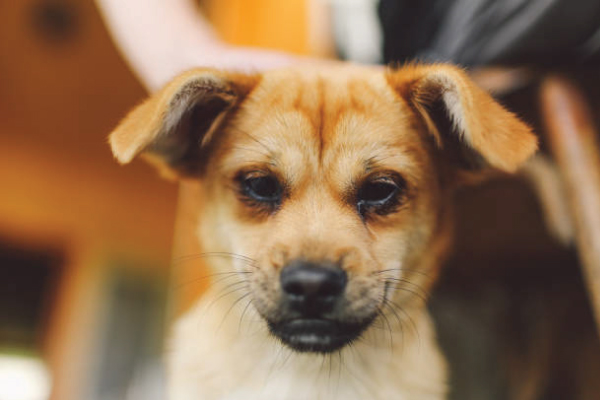
Tear staining, technically known as epiphora (excessive tearing), is a common cosmetic issue, particularly in light-coated breeds. While usually harmless, persistent staining can signal underlying medical issues and, if left untreated, can lead to painful skin infections.
This guide provides a detailed look at the causes, safe treatment options, and long-term prevention strategies.
1. UNDERSTANDING TEAR STAINS: THE ROOT CAUSE
Tear stains are not simply wet fur. The reddish-brown discoloration is caused by a combination of factors, which must be understood before effective treatment can begin.
A. The Primary Culprit: Porphyrins
The reddish-brown color is primarily due to porphyrins, which are iron-containing waste molecules excreted through tears, saliva, and urine as the dog’s body breaks down red blood cells. When porphyrin-rich tears sit on light-colored fur, exposure to sunlight causes the iron compound to oxidize, resulting in visible staining.
B. The Secondary Culprit: Yeast and Bacteria
The consistently damp environment caused by excessive tearing creates a perfect breeding ground for secondary infections, most notably the Malassezia yeast and certain types of bacteria.
- Yeast/Bacterial Stains: These stains are typically darker—deep reddish-brown to almost black—and may have a foul, musty odor. This indicates an active infection contributing to the problem.
C. Underlying Structural and Medical Causes of Epiphora
Epiphora (the excess tearing) is usually the trigger for the stain. Excessive tears can be caused by:
| Category | Cause/Condition | Description |
|---|---|---|
| Structural | Blocked Tear Ducts (Nasolacrimal Duct Obstruction) | The duct that drains tears from the eye into the nasal cavity is blocked, causing tears to spill over the lower eyelid. |
| Shallow Eye Sockets | Common in brachycephalic (flat-faced) breeds, preventing tears from draining naturally. | |
| Hair Irritation | Hair growing too close to the eye or eyelashes rubbing against the cornea (Ectopic Cilia or Distichia). | |
| Entropion or Ectropion | Eyelids that roll inward (entropion) or outward (ectropion), disrupting the natural tear flow and drainage. | |
| Internal/Dietary | Dietary Allergies | Allergies to specific proteins (e.g., chicken, beef) or fillers can cause inflammation and excess tearing. |
| Poor Water Quality | High mineral content (iron or magnesium) in tap water can contribute to porphyrin levels. | |
| Stress or Illness | Weakened immune systems can lead to an overgrowth of yeast and bacteria. | |
| Environmental | Irritants | Dust, pollen, household sprays, or smoke causing constant eye irritation. |
2. COMPREHENSIVE TREATMENT STRATEGIES
Effective tear stain management requires a multi-pronged approach: treating the external visibility, addressing the internal triggers, and fixing the underlying medical causes.
A. Step 1: External Cleaning and Removal
The goal is to eliminate the existing stains and keep the orbital area dry. Consistency is mandatory.
1. Daily Cleaning Routine
- Method: Gently wipe the area under the eyes 2–3 times a day, especially after the dog eats or drinks.
- Approved Solutions:
- Saline Solution: Human contact lens saline solution (without preservatives) is excellent for flushing the eye and soothing irritation.
- Veterinary Wipes: Wipes specifically formulated for eye area cleaning (often containing boric acid or witch hazel to dry the area).
- Colloidal Silver: Naturally antibacterial and antifungal, a small amount applied topically can help manage secondary infections.
- The Follow-Up Dry: After cleaning, gently blot the area completely dry with a clean cloth or cotton pad. Moisture is the enemy; if the area remains damp, the stains will return quickly.
2. Trimming and Grooming
- Hair Management: Use blunt-tipped scissors or electric trimmers to carefully keep the hair around the eyes very short. Trimming prevents hair from wicking tears onto the face and reduces the surface area where bacteria can thrive.
3. Deep Stain Removal
For severe, old stains, a paste made of cornstarch and a small amount of hydrogen peroxide or milk of magnesia can be applied (with extreme caution to avoid the eye) and allowed to sit for 10–15 minutes before rinsing. Always consult your vet before using harsh chemical solutions.
B. Step 2: Internal and Dietary Adjustments
What goes into the dog often influences what comes out (porphyrins).
1. Water Quality
- Switch to Filtered, Distilled, or Reverse Osmosis Water. This reduces the mineral and iron content ingested, potentially lowering the porphyrin concentration in tears.
- Use Stainless Steel or Ceramic Bowls. Plastic bowls can harbor bacteria and scratch easily, creating a breeding ground for yeast that can be transferred during drinking.
2. Dietary Changes
- Identify Allergens: If the primary staining is suspected to be allergy-related, change the dog’s diet to a novel protein source (e.g., lamb, duck, or bison) or a veterinary-approved hypoallergenic diet. Avoid common fillers and artificial colors.
- Probiotics/Prebiotics: A healthy gut flora can strengthen the immune system and help tackle systemic yeast overgrowth. Adding a high-quality canine probiotic supplement can be highly effective.
3. Natural Supplements
While traditional antibiotics are strictly for vet use, certain natural supplements can aid in reducing environmental bacterial/yeast load:
- Cranberry Extract: Contains properties that help inhibit bacteria from adhering to the dog’s system.
- Apple Cider Vinegar (ACV): Adding a very small amount (half teaspoon for medium dogs) to drinking water can sometimes alter the dog’s internal pH, making it less hospitable for yeast. Caution: Ensure the dog still drinks sufficient water; if they refuse the ACV water, discontinue use.
C. Step 3: Medical and Veterinary Intervention
If the staining is sudden, severe, or accompanied by eye redness, pain, or crusting, a veterinary visit is essential.
1. Diagnostic Procedures
Your veterinarian may perform a Schirmer Tear Test (to measure tear production) and a fluorescein dye test (to check for corneal damage or to confirm tear duct blockage).
2. Treating Infections
If a secondary yeast or bacterial infection is present, the vet will prescribe specific topical or oral treatments (antifungals or antibiotics) to clear the infection.
3. Clearing Blocked Ducts
If a tear duct blockage is confirmed, the veterinarian may recommend flushing the nasolacrimal ducts while the dog is under light sedation.
4. The Antibiotic Warning (Tylosin)
In the past, many stain removers contained Tylosin Tartrate, an antibiotic used to curb bacterial growth that causes staining. The FDA now prohibits the use of antibiotics in over-the-counter stain removers. Using oral antibiotics long-term solely for cosmetic purposes is strongly discouraged due to the risk of antibiotic resistance.
3. LONG-TERM PREVENTION AND MAINTENANCE
Prevention focuses on maintaining a clean, dry, and structurally sound eye environment.
A. Environment Control
- Minimize Irritants: Keep the dog out of smoky environments and reduce exposure to dust or strong chemical fumes (like floor cleaners).
- Clean Bedding: Wash dog bedding frequently to remove allergens, dirt, and bacteria that can irritate the eyes.
B. Regular Grooming and Hygiene
- Daily Wiping: Establish a daily routine using a safe cleaning solution followed by drying.
- Eye Lubrication: For dogs with structural issues or chronic dryness, ask your vet about using prescribed ophthalmic lubricants to protect the eye surface from irritation.
C. Brachycephalic (Flat-Faced) Breed Care
Breeds like Shih Tzus, Pugs, and Bulldogs require extra vigilance. Their prominent eyes often struggle with tear drainage.
- Facial Fold Care: If your dog has deep facial folds, ensure these areas are cleaned and dried daily, as moisture trapped in the folds can contribute to staining and infection.
| Safety Precaution Checklist | Details |
|---|---|
| Never use Human Eye Drops | Many contain preservatives or chemicals harmful to dogs. |
| Never Use Bleaching Agents | Hydrogen peroxide or baking soda should never be applied directly to the eye or used heavily near the eye area. |
| Use Blunt Scissors | When trimming hair near the eyes, only use grooming scissors with rounded, blunt tips to prevent corneal injury. |
| Consult Before Supplementing | Always confirm with your veterinarian before introducing any internal supplements or making drastic dietary changes. |
When to See the Vet Immediately: If the staining appears suddenly, is accompanied by thick discharge (yellow or green), redness, pawing at the face, squinting, or a visible abrasion on the eye, seek veterinary care immediately, as these are signs of infection or severe injury.
=======================
#dog #doghealth #tearsstains #dogcare #dogbreeds #dogtips #pettips #dogowner #doglover #happydog #cleareyes #pethealth #dogsofinstagram #dogstagram





Add comment