
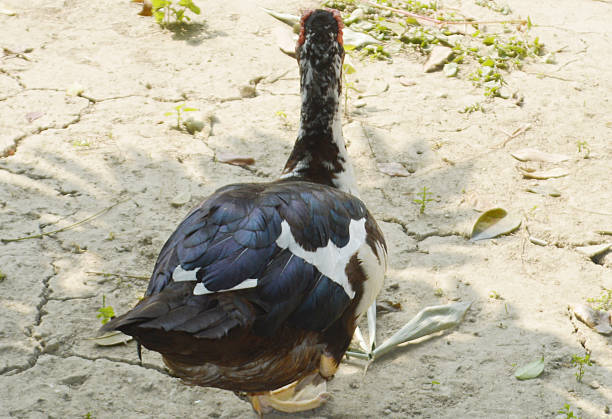
Ducks have been domesticated for millennia, yet the language surrounding them remains a niche realm filled with centuries‑old jargon, region‑specific slang, and scientific terminology. Whether you are a backyard hobbyist, a competitive exhibitor, a small‑scale farmer, or a wildlife biologist, mastering duck terminology:
- Improves communication among breeders, veterinarians, and hobbyists.
- Prevents costly misunderstandings (e.g., confusing “drake” with “duckling”).
- Enables accurate record‑keeping, which is essential for breeding programs, health monitoring, and show entries.
- Deepens appreciation for the incredible diversity within the Anatidae family.
This guide consolidates the most commonly encountered terms, explains their origins, and provides context to help you speak “duck” fluently.
2. The Big Picture: Duck Breeds at a Glance
2.1 Utility Breeds
Utility breeds are selected primarily for meat, egg production, or both. They tend to be robust, fast‑growing, and efficient converters of feed.
| Breed | Origin | Primary Use | Notable Traits |
|---|---|---|---|
| Pekin | China (19th c.) | Meat & Eggs | White plumage, rapid growth, calm disposition |
| Aylesbury | England (1740s) | Meat | Large size, white feathers, deep orange bill |
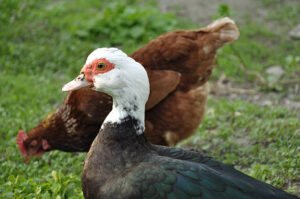
| Muscovy | Central & South America | Meat | Dark slate‑gray plumage, low egg production, “spatulate” bill |
| Khaki Campbell | United Kingdom (1900s) | Eggs | Brownish‑khaki plumage, record‑breaking 300+ eggs/yr |
| Rouen | France (mid‑1800s) | Meat, Show | Similar to Mallard but larger; glossy iridescent plumage |
2.2 Fancy (Ornamental) Breeds
Fancy breeds are prized for unique coloration, feather patterns, or unusual body shapes.
| Breed | Origin | Hallmark Feature |
|---|---|---|
| Call Duck | Netherlands (late 1500s) | Small size, high‑pitched “call” |
| Muscovy (also ornamental) | Central America | Feathered feet, dark plumage |
| Swedish | Sweden (1910s) | “Blue” or “Silver” color; “Pekin”‑type body |
| Welsh Harlequin | Wales (1930s) | White head, black breast, orange bill |
| Black East Indian | India (19th c.) | Deep black plumage, pinkish bill |
| Alabio | Indonesia | Multicolored plumage, robust size |
2.3 Game & Heritage Breeds
These breeds have historic ties to hunting or regional “heritage” stock.
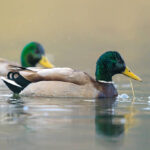
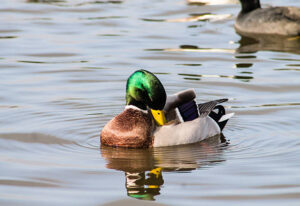
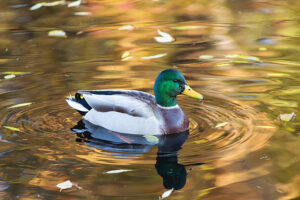
- Mallard – The wild ancestor of most domestic ducks; “standard” color pattern.
- Cayuga – Deep black plumage with a green sheen; originally a utility breed but now also shown.
- Brahma – Large, heavily feathered; originally a “game” bird in Victorian England.
2.4 Wild‑Derived & Hybrid Breeds
- Mule Duck – Hybrid of a Mallard drake × Muscovy hen (or vice‑versa). Sterile, prized for good egg production and calm temperament.
- Khaki Campbell × Pekin cross – Frequently used to combine high egg output with fast growth.
3. Anatomy & Morphology: The Language of the Duck Body
3.1 External Anatomy
| Term | Definition | Practical Relevance |
|---|---|---|
| Bill (or beak) | Keratin‑covered structure used for foraging; varies by breed (e.g., “spatulate” Muscovy bill). | Determines feeding method; breed identification (e.g., “Nigerian” duck has a flattened bill). |
| Cere | Soft, fleshy area at the base of the bill, often pigmented. | Color change can indicate health or breeding status (e.g., bright orange cere in drakes during the season). |
| Nape | Back of the neck, often used in color pattern descriptions (e.g., “nape stripe”). | Critical for breed standards. |
| Molt | Periodic shedding of feathers. | Timing of molt affects plumage for shows and breeding. |
| Lobes | Feathered “wings” on the back of the duck; also called “saddle feathers”. | Feather loss can signal ectoparasites. |
| Feet/Legs | Webbed feet adapted for swimming; leg length influences wader vs. swimmer classification. | “Muscovy” has feathered feet; “Indian Runner” has long, unfeathered legs. |
3.2 Internal Anatomy (Brief Overview)
- Crop – Dilated esophagus for temporary food storage.
- Gizzard – Muscular stomach that grinds food; presence of grit is essential.
- Oviduct – Female reproductive tract; divided into sections (infundibulum, magnum, isthmus, uterus, cervix).
Understanding these structures is useful when diagnosing digestive or reproductive disorders.
3.3 Plumage & Coloration Vocabulary
| Term | Meaning |
|---|---|
| Down | Soft, fluffy feathers of hatchlings; also refers to the insulating under‑feathers of adults. |
| Speculum | Iridescent patch on the secondary wing feathers (often emerald‑green in Mallards). |
| Mask | Dark feathered area covering the eyes and forehead, typical of drakes. |
| Bar | Horizontal stripe across the wing (e.g., “white bar” in Call Ducks). |
| Barring | Series of parallel bars; important in pattern description. |
| Saddle | Dark area across the back, resembling a horse’s saddle; common in Mallard drakes. |
| Gloss | Shiny, metallic sheen on feathers (e.g., “green gloss”). |
| Mottled | Irregular spots or patches of differing color. |
| Pied | Two‑tone coloration, often white with another color. |
| Lacing | Fine, feather‑edge outlining in a contrasting color. |
| Crest | Feathery tuft on the head, typical of some ornamental breeds (e.g., “Swedish Crest”). |
4. Life‑Stage Terminology
| Stage | Common Term(s) | Key Features |
|---|---|---|
| Egg | Egg, Clutch, Set | Laid by hen; may be incubated naturally or artificially. |
| Embryo | Developing Egg, Incubating Egg | Inside the egg; visible via candling after ~7 days. |
| Duckling | Duckling, Fledgling (once wing feathers develop) | Covered in soft down; dependent on mother or brooder. |
| Juvenile | Juvenile, Sub‑adult, Puller (when ready for slaughter) | Feathering shifts toward adult plumage; may be sex‑identifiable. |
| Adult | Drake (male), Hen (female), Mature | Full plumage; reproductive capability. |
| Shed/Old | Shed, Molt, Penultimate | Post‑breeding season; often a time for health checks. |
Special Note: In show circles, a young bird that has been “show‑capped” (i.e., its head feathers trimmed for a particular look) may be referred to as a capped or capped duck.
5. Reproductive & Breeding Vocabulary
5.1 Egg‑Related Terms
- Clutch – The total number of eggs laid in one laying series; ducks typically lay 8‑15 eggs per clutch.
- Set – The act of placing eggs under incubation, either by the hen or in an incubator.
- Candling – Illuminating eggs with a bright light to view embryo development.
- Blush – A faint pink or orange hue on the yolk indicating a fertile egg.
5.2 Incubation & Brooding
| Term | Definition |
|---|---|
| Incubation Period | Time from set to hatching, typically 28 days for most domestic ducks (26‑28 days for Muscovy). |
| Broodiness | Behavioral state where a hen sits on the clutch to incubate; not all breeds exhibit strong broodiness (e.g., Khaki Campbell is poor at brooding). |
| Brooder | Heated enclosure used to raise ducklings when a hen is unavailable. |
| Piping | High‑pitched vocalization from a hatching duckling signaling it has broken the shell. |
| Hatchling | The newborn duck, still wet and often still inside the shell membrane. |
5.3 Mating & Fertility
- Spermatophore – Packet of sperm transferred during copulation; drakes typically mate once per day.
- Fertility Rate – Percentage of eggs that are fertilized; can be affected by age, health, and genetics.
- Re‑lay – Laying a second clutch after the first is completed or after loss of a clutch.
5.4 Genetic Terminology
| Term | Meaning |
|---|---|
| Allele | Variant form of a gene (e.g., “black” allele vs. “blue” allele). |
| Dominant / Recessive | Describes which allele expresses in heterozygotes (e.g., black is dominant over blue in many breeds). |
| Hybrid | Off‑spring of two genetically different breeds or species (e.g., Mule Duck). |
| Backcross | Crossing a hybrid back to one of its parent breeds. |
| Inbreeding Coefficient | Numerical value indicating the probability of homozygosity; high values raise risk of defects. |
| Phenotype | Observable traits (plumage color, body shape). |
| Genotype | Genetic makeup; may not be visible without testing. |
| Linebreeding | A form of selective inbreeding aimed at consolidating desirable traits while minimizing deleterious recessives. |
| Founder Effect | Loss of genetic variation when a new population originates from a small number of individuals. |
6. Management & Husbandry Language
6.1 Housing & Systems
| Term | Description |
|---|---|
| Free‑Range | Ducks have access to outdoor ponds or grass; essential for natural foraging. |
| Closed‑House | Entire flock kept indoors; common for intensive egg production. |
| Pond‑Only System | Ducks confined to water bodies with minimal land; typical for Muscovy breeding. |
| Rotational Grazing | Moving ducks among paddocks to prevent over‑grazing and parasite buildup. |
| Quarantine | Isolating new or sick birds for a minimum of 30 days to prevent disease spread. |
| Ventilation Index | Ratio of airflow to bird density; critical for respiratory health. |
6.2 Feeding & Nutrition
- Starter Feed – High‑protein (≥20 % protein) mash for ducklings, formulated with higher methionine than chicken starter.
- Grower Feed – Medium‑protein (≈16 %) diet after 4 weeks.
- Laying Ration – ~14‑16 % protein, enriched with calcium (2.5 %–3 % Ca) for eggshell formation.
- Grit – Coarse sand or granite particles aiding gizzard grinding.
- Supplemental Omega‑3 – Flaxseed or fish oil added to improve egg yolk quality.
6.3 Health & Biosecurity
| Term | Meaning |
|---|---|
| Coccidiosis | Protozoan intestinal disease; often managed with anticoccidial medication. |
| Botulism | Toxin‑producing bacterial disease associated with stagnant water; prevention includes rotating ponds. |
| Avian Influenza | Highly contagious viral infection; mandatory reporting in many jurisdictions. |
| Ectoparasite | External parasites (mites, lice) – managed with diatomaceous earth or ivermectin. |
| Endoparasite | Internal parasites (worms) – diagnosed via fecal floatation. |
| Vaccination Schedule | Routine immunizations (e.g., Newcastle disease, duck hepatitis). |
| Sanitation Index – Metric combining litter turnover, water change frequency, and disinfection protocol. |
7. Show & Competition Lingo
7.1 Standards & Conformation
- Breed Standard – Official description of ideal characteristics (size, plumage, carriage). Published by societies such as the American Pekin Duck Registry or British Waterfowl Society.
- Conformation – Overall body shape and proportion; “well‑carried” indicates proper stance.
- Carriage – Way a bird holds its head, neck, and tail; important for breeds like the Call Duck (upright carriage).
- Feather Quality – Must be “tight”, “smooth”, and “without breakage”.
7.2 Judging Terms
| Term | Definition |
|---|---|
| Ring | The metal band placed on a duck’s leg for identification; may also indicate age (e.g., “1‑year ring”). |
| Class | Category within a show (e.g., Juvenile, Adult, Breeder, Junior). |
| Reserve | Second‑place award; often indicated as “R1”, “R2”. |
| Grand Champion – Overall best bird across all classes. | |
| Score Sheet – Document where judges record points for each criterion. | |
| Plumage Fault – Any deviation from standard coloration (e.g., “broken bar”). | |
| Deformed – Structural abnormality (e.g., “scoliosis”, “crooked beak”). | |
| Set‑back – When a bird is re‑entered into a later class after a loss. |
8. Conservation & Wild‑Duck Terminology
| Term | Explanation |
|---|---|
| Anatidae | Family encompassing ducks, geese, and swans. |
| Mallard Complex | Group of closely related Anas species that hybridize freely (e.g., A. platyrhynchos). |
| Hybrid Vigor (Heterosis) | Enhanced performance (growth, egg production) in hybrids like the Mule Duck. |
| Habitat Fragmentation | Breaking up of natural water bodies, a major threat to wild duck populations. |
| Migratory Flyway | Aerial routes used seasonally (e.g., Atlantic Flyway). |
| Banding | Attaching a metal or plastic band for long‑term monitoring of wild ducks. |
| FAO‑WWF Waterbird Census – International effort to count waterfowl populations. |
9. Alphabetical Glossary (A–Z)
A
- Aylesbury – Large, white utility breed from England, prized for meat.
- Allele – Variant form of a gene.
B
- Barring – Parallel lines on feathers (e.g., “barring on the tail”).
- Brooder – Heated enclosure for ducklings.
C
- Call Duck – Small ornamental breed known for its loud “call.”
- Cere – Soft, fleshy area at the base of the bill.
- Clutch – Total eggs laid in one series.
- Culling – Selective removal of birds from a flock for health or genetic reasons.
D
- Drake – Adult male duck.
- Duckling – Young duck with down feathers.
- Down – Soft under‑feathers, especially in hatchlings.
E
- Egg‑Candling – Illuminating eggs to assess development.
- Endoparasite – Internal parasite (e.g., Heterakis spp.).
F
- Feather Lacing – Fine bordering of a feather with contrasting color.
- Flock – Group of ducks kept together.
G
- Gizzard – Muscular stomach that grinds food.
- Genotype – Genetic makeup of an organism.
H
- Hen – Adult female duck.
- Hybrid – Off‑spring of two different breeds/species.
- Hatching – Process of emerging from the egg.
I
- Incubation – Period during which eggs are kept warm for development.
- Inbreeding Coefficient – Measure of genetic similarity.
J
- Juvenile – Sub‑adult stage before full plumage.
K
- Khaki Campbell – Brownish‑khaki breed famed for egg production.
L
- Laying Rate – Number of eggs produced over a set period.
- Lobes – Feathered “wings” on the back of a duck.
M
- Molt – Shedding of old feathers and growth of new ones.
- Musk – Muscovy duck’s characteristic “musky” odor.
N
- Nape – Back of the neck, often a key color marker.
O
- Ovulation – Release of an egg from the ovary, preceding laying.
P
- Pekin – White utility breed, the most common for commercial meat.
- Plumage Fault – Deviation from breed standards.
Q
- Quarantine – Isolating birds to prevent disease transmission.
R
- Ring – Leg band for identification.
- Reserve – Second‑place award in shows.
S
- Speculum – Iridescent wing patch.
- Saddle – Dark back marking resembling a horse’s saddle.
T
- Tally – Counting of eggs laid or hatched.
- Teal – Small wild duck species; the term is also used for “blue‑green” color patterns.
U
- Uropygial Gland – Oil‑producing gland at the base of the tail used for feather maintenance.
V
- Vent – Cloacal opening for excretion and egg laying.
W
- Welsh Harlequin – Fancy breed with a striking black‑white head pattern.
X – No commonly used duck term beginning with “X.”
Y
- Yearling – Duck that is one year old; often entered in “Yearling” show class.
Z
- Zygote – Fertilized egg cell prior to cell division.
10. Putting It All Together: How to Use This Glossary
- Record‑Keeping – When logging daily activities (egg counts, health checks), reference the exact term (e.g., “candled 12 eggs; 9 fertile”).
- Breeding Plans – Use genetic terms to design matings (e.g., “cross a black‑carrying drake with a blue‐carrying hen to produce heterozygous offspring”).
- Show Preparation – Review the Breed Standard and cross‑check each bird against the glossary’s conformation descriptors (e.g., “ensure the drake’s speculum is clean, not dulled”).
- Health Management – Communicate with veterinarians using precise health vocabulary (e.g., “suspect coccidiosis; request fecal floatation”).
- Education & Outreach – Leverage the glossary as a teaching tool for new members of a waterfowl club or for school projects on avian biology.
#DuckTerminology, #DuckBreeds, #Waterfowl, #PoultryEnthusiast, #DuckGlossary, #DuckShow, #DuckFarming, #DuckLovers, #BirdWatching, #AvianScience, #FarmLife, #BackyardDucks, #DuckConservation, #DuckAnatomy, #DuckGenetics, #DuckCare, #DuckHealth, #DuckNutrition, #DuckHusbandry, #ShowDucks, #DomesticDucks
Add comment