
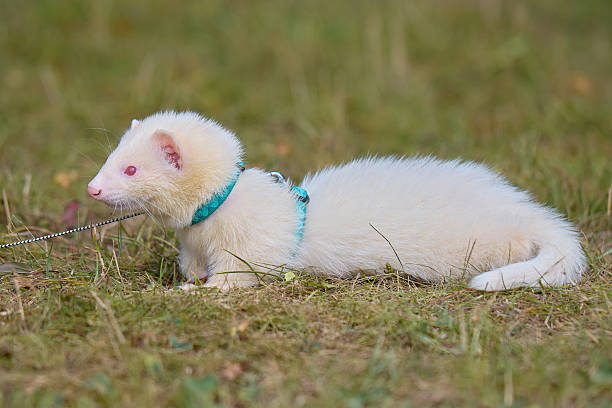
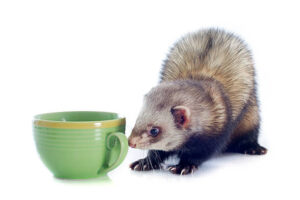
Ferrets, with their playful antics, boundless curiosity, and endearing personalities, have captured the hearts of many. As beloved companions, they deserve the very best in care, and at the core of their well-being lies their diet. Unlike many common household pets, ferrets are obligate carnivores with a unique digestive system that demands a very specific nutritional profile. Understanding what goes into their food – and what should be left out – is paramount to ensuring their long, healthy, and happy lives. Yet, for many ferret owners, the myriad of ingredients listed on a food label can feel like deciphering an ancient, cryptic text. This comprehensive guide will meticulously break down ferret food labels, illuminating the ingredients that truly matter and empowering you to make informed decisions for your furry friend.
The Uniqueness of Ferret Physiology: Why Diet is Critical
Before diving into the specifics of food labels, it’s essential to grasp the fundamental biological distinctions that set ferrets apart. Ferrets (Mustela putorius furo) are true obligate carnivores, meaning their bodies are designed to derive all necessary nutrients exclusively from animal tissue. This isn’t just a preference; it’s a physiological imperative.
Key features of their digestive system include:
- Short Digestive Tract: Ferrets have a remarkably short digestive tract, with food passing from mouth to anus in as little as 3-4 hours. This rapid transit time means they require highly digestible, nutrient-dense foods. They simply don’t have the time or the specialized enzymes to break down complex carbohydrates or plant matter efficiently.
- Inability to Digest Plant Matter: Lacking a cecum (a fermentation chamber found in herbivores and omnivores) and the specific enzymes (like cellulase) required to break down cellulose and other plant fibers, ferrets cannot extract meaningful nutrition from vegetables, fruits, or grains. In fact, large amounts of plant-based ingredients can lead to digestive upset, reduced nutrient absorption, and even serious health issues.
- High Metabolism: Ferrets have a naturally high metabolism, requiring a consistent supply of energy. This energy must come primarily from animal fat and protein.
- Limited Ability to Process Sugars: Their system is poorly equipped to handle simple or complex sugars, which can lead to dental problems, pancreatic issues (like insulinoma, a common ferret disease), and obesity.
Given these physiological facts, the ideal ferret diet must be high in animal protein, high in animal fat, and extremely low in fiber and carbohydrates. This understanding forms the bedrock of decoding ferret food labels.
Deciphering the Ferret Food Label: A Section-by-Section Guide
A ferret food label is more than just a list of ingredients; it’s a legal document designed to provide crucial information. Let’s break down each key section:
1. The Guaranteed Analysis
The Guaranteed Analysis is a nutrient breakdown that specifies the minimum or maximum percentages of certain nutrients present in the food. While it doesn’t tell you the quality of the ingredients, it provides a crucial quantitative overview.
- Crude Protein (Min): This indicates the minimum percentage of protein. For ferrets, this should be 30-40%, with some high-quality foods even reaching 38-42%. Higher is generally better, but only if the protein is animal-derived and highly digestible.
- Crude Fat (Min): This specifies the minimum fat content. Ferrets require a high-fat diet for energy, healthy skin, and coat. Look for a minimum of 18-30%, with 20-25% often considered ideal. Again, this must be animal-based fat.
- Crude Fiber (Max): This indicates the maximum percentage of indigestible plant material. For ferrets, this number should be as low as possible, ideally under 3%, and definitely not exceeding 3-4%. Higher fiber means more indigestible bulk, which can hinder nutrient absorption.
- Moisture (Max): This indicates the maximum water content. Most dry kibble will have a moisture content between 8-12%.
What the Guaranteed Analysis Doesn’t Tell You: It doesn’t specify the source or quality of the protein or fat (e.g., chicken vs. corn gluten). It also doesn’t provide carbohydrate content directly, but you can estimate it: 100% – (Protein + Fat + Fiber + Moisture) ≈ Carbohydrates. For ferrets, this calculated carbohydrate percentage should be as low as possible, ideally under 15-20%.
2. The Ingredient List
This is arguably the most critical section. Ingredients are listed in descending order by weight, meaning the first few ingredients make up the bulk of the food. This is where you’ll differentiate high-quality diets from subpar ones.
3. Nutritional Adequacy Statement (AAFCO Statement)
Look for a statement from the Association of American Feed Control Officials (AAFCO). This statement confirms that the food is “complete and balanced” for a specific life stage (e.g., “for growth and reproduction,” “for maintenance,” or “for all life stages”). While AAFCO establishes nutrient profiles, it doesn’t regulate ingredient quality. However, its presence ensures the food meets generally accepted nutritional standards for the stated life stage. For ferrets, “for all life stages” or “for growth and reproduction” are often preferred, as they provide higher nutrient density suitable for their high metabolism.
4. Feeding Guidelines
These provide general recommendations based on weight and activity level. Always start with these guidelines but adjust based on your individual ferret’s condition and activity.
5. Best By/Expiration Date
Always check this to ensure the food is fresh and potent. Expired food can lose nutrient value and even become rancid.
The Most Important Ingredients: What to Look For (The Good)
Now, let’s dissect the ingredient list to identify the components that truly matter for ferret health.
1. Animal-Based Protein Sources (The Cornerstone)
The first 3-5 ingredients should ideally be animal-based proteins. These provide the essential amino acids ferrets require for muscle development, tissue repair, and overall health.
- “Meal” Ingredients (Excellent): When you see ingredients like Chicken Meal, Lamb Meal, Turkey Meal, or Poultry Meal, these are generally excellent. “Meal” means the meat has been cooked down to remove water and fat, resulting in a concentrated protein source. A pound of chicken meal contains significantly more protein than a pound of whole chicken.
- Poultry By-Product Meal: This is often misunderstood. While “by-product” sounds unappealing, high-quality poultry by-product meal can be an excellent protein source. It consists of the clean, rendered parts of poultry, such as internal organs and bones (excluding feathers, heads, feet, and intestines, unless specified), which are highly nutritious and digestible for ferrets. The key is “high-quality” and from a reputable brand. If it’s a significant ingredient for a trusted brand, it’s usually fine.
- Beef Meal, Egg Powder/Product: Other good animal protein sources.
- Whole Meats (Good, but with caveats): Ingredients like “whole chicken,” “deboned chicken,” or “fresh chicken” are good, but their high moisture content means they contribute less protein to the final dry kibble once water is removed during processing. They are better placed further down the ingredient list if “meal” ingredients are already high up.
2. Animal-Based Fat Sources (The Energy Powerhouse)
Animal fat is the primary energy source for ferrets and provides essential fatty acids.
- Chicken Fat, Poultry Fat, Lamb Fat: These are superior fat sources. They are highly digestible and provide the concentrated energy ferrets need.
- Salmon Oil, Herring Oil, Flaxseed Oil (in moderation): These provide beneficial Omega-3 fatty acids, crucial for skin, coat, and cognitive health. While flaxseed oil is plant-based, its Omega-3s can be beneficial in small amounts, but animal sources are more bioavailable.
3. Essential Vitamins and Minerals
While often listed towards the end, these are vital for metabolic functions.
- Taurine: This is an essential amino acid, absolutely crucial for ferret heart health and vision. Ferrets, like cats, cannot synthesize enough taurine themselves and must obtain it from their diet. Always look for supplemental taurine in the ingredient list.
- Vitamin E (Tocopherols), Vitamin C (Ascorbic Acid), Vitamin A, D, K, B-complex vitamins: These are necessary for immune function, bone health, nerve function, and more.
- Chelated Minerals: Minerals like zinc proteinate, iron proteinate, manganese proteinate, copper proteinate are examples of chelated minerals. The “proteinate” indicates they are bound to an amino acid, making them more bioavailable and easier for the ferret’s body to absorb.
Ingredients to Avoid or Minimize: The Bad and The Unnecessary
Just as important as knowing what to look for is knowing what to avoid. These ingredients can range from indigestible fillers to harmful substances.
1. Plant-Based Proteins (Major Red Flag)
These are entirely unsuitable as primary protein sources for ferrets. They are difficult to digest and lack the complete amino acid profile ferrets need.
- Corn Gluten Meal: A common, cheap filler used to artificially inflate protein percentages. It’s largely indigestible for ferrets and offers minimal nutritional value to them.
- Soy Protein (Soybean Meal, Soy Protein Isolate): Another common plant-based protein often used in lower-quality foods. Soy is poorly digested by ferrets and can even be linked to digestive issues and potential hormonal disruptions.
- Pea Protein: Often found in “grain-free” foods, pea protein is still a plant-based protein highly unsuitable for ferrets.
2. Grains and Starchy Carbohydrates (Avoid)
These are fillers that provide little to no nutritional value for ferrets and can cause digestive upset, blood sugar spikes, and potentially lead to diseases like insulinoma. Ferrets lack the necessary enzymes to process these efficiently.
- Corn (whole ground corn, corn flour): Very common and very bad.
- Wheat (wheat flour, wheat gluten): Another frequent offender.
- Rice (brown rice, white rice, rice flour): Also acts as a filler.
- Potatoes, Sweet Potatoes: Often used in “grain-free” foods as a starch binder, but still unsuitable for ferrets.
- Oats, Barley, Sorghum, Millet: All are grains and should be avoided.
3. High Fiber Ingredients (Minimize)
While a tiny amount of indigestible fiber might be present from animal sources (like hair or connective tissue), deliberately added plant fiber is detrimental.
- Beet Pulp: A common fiber source in many pet foods, but too high for ferrets.
- Cellulose, Powdered Cellulose: Pure fiber, used as a filler.
- Peas, Lentils, Chickpeas: Often found in “grain-free” diets. While legumes contain some protein, the high fiber and carbohydrate content make them unsuitable. Their presence as a top ingredient is a warning sign.
- Vegetables and Fruits (e.g., carrots, cranberries, apples): While small amounts of fruit might be tolerated as an occasional treat, their presence in significant quantities in a kibble is inappropriate. Ferrets cannot digest them and their sugar content is harmful.
4. Sugars and Sweeteners (Strictly Avoid)
Ferrets are highly susceptible to pancreatic diseases, including insulinoma, which is directly linked to dietary sugar intake.
- Corn Syrup, High Fructose Corn Syrup: Absolute no-gos.
- Sucrose, Fructose, Dextrose, Maltose: Any form of added sugar.
- Molasses: Another form of sugar.
5. Artificial Colors, Flavors, and Preservatives
These offer no nutritional benefit and have been linked to health issues and allergies in various animals.
- Artificial Colors: “Red 40,” “Blue 2,” “Yellow 5 & 6,” caramel color.
- Artificial Flavors: “Meat flavor,” “smoke flavor” (if not naturally derived).
- Chemical Preservatives: BHA (butylated hydroxyanisole), BHT (butylated hydroxytoluene), Ethoxyquin. Look for natural preservatives instead.
The “Ideal” Ferret Food Label: A Checklist for Success
Putting it all together, here’s a checklist for what constitutes an excellent ferret food label:
- Guaranteed Analysis:
- Crude Protein: 30-40% (ideally 38%+ for kits, active adults)
- Crude Fat: 18-30% (ideally 20-25%)
- Crude Fiber: Max 3% (ideally 2% or less)
- Moisture: Max 10-12%
- Estimated Carbohydrates: As low as possible, ideally under 15-20%.
- First 3-5 Ingredients:
- Should be animal-based MEALS (e.g., Chicken Meal, Lamb Meal, Turkey Meal, Poultry By-Product Meal).
- Followed by animal fats (e.g., Chicken Fat, Poultry Fat).
- No Unsuitable Protein Sources:
- Absolutely no Corn Gluten Meal, Soy Protein, Pea Protein high in the list.
- No Grains or Starchy Vegetables:
- No Corn, Wheat, Rice, Potatoes, Sweet Potatoes, Peas, Lentils, or other high-carb fillers.
- Taurine Supplementation:
- Explicitly listed in the ingredients.
- Natural Preservatives:
- Look for mixed tocopherols (Vitamin E), citric acid, or rosemary extract.
- AAFCO Statement:
- “Complete and balanced for all life stages” or “for growth and reproduction.”
Common Misconceptions and Marketing Pitfalls
The pet food industry is a multi-billion dollar enterprise, and marketing can often be misleading.
- “Grain-Free” vs. “Low Carb”: Just because a food is “grain-free” doesn’t mean it’s good for ferrets. Many grain-free formulas replace grains with other high-carb, high-fiber starches like potatoes, sweet potatoes, or legumes (peas, lentils), which are equally unsuitable for ferrets. Always check the actual ingredients.
- “Natural,” “Holistic,” “Premium”: These are marketing terms with no legal definition regarding ingredient quality. Don’t rely on them; read the label.
- Cat or Kitten Food for Ferrets: This is a common point of discussion. High-quality, grain-free, meat-based kitten food (not adult cat food) can sometimes be an acceptable substitute for ferret food if a dedicated ferret food with the correct profile is unavailable, or as part of a varied diet. However, it’s crucial to check the label meticulously. Many kitten foods still contain too many plant-based ingredients or lack adequate taurine. Adult cat food generally has insufficient fat and protein for ferrets. Always prioritize dedicated ferret food first.
- Cost vs. Quality: A higher price doesn’t automatically mean higher quality, but very cheap foods are almost always packed with fillers. Investing in high-quality food is an investment in your ferret’s long-term health, potentially saving on vet bills down the line.
- Raw Diet: While some owners advocate for a raw or whole prey diet, this guide focuses on commercial kibble due to its widespread use and the specific challenge of decoding its labels. A raw diet has its own set of considerations regarding balance, handling, and safety, which fall outside the scope of kibble label decoding.
Transitioning to a Better Diet
If you discover your ferret’s current food isn’t up to par, a slow and gradual transition is crucial. Ferrets are notoriously picky eaters and can imprint on their food.
- Mix Gradually: Over 1-2 weeks, slowly increase the percentage of the new food while decreasing the old.
- Mixing with Water/Old Food: If your ferret is resistant, try mixing a small amount of the new kibble with warm water to soften it, or grind it into a powder and sprinkle it over their old food.
- Persistence: Be patient and persistent. A short hunger strike is common, but don’t give in too quickly (within reason – always monitor for dehydration or extreme lethargy).
Conclusion
Decoding ferret food labels isn’t just an exercise in reading; it’s an act of informed love and responsible pet ownership. By understanding the unique physiological needs of your obligate carnivore, you can confidently navigate the bewildering world of pet food labels. Prioritize animal-based proteins and fats, shun grains, starches, and sugars, and always scrutinize the ingredient list over marketing hype. Your diligence in selecting the best possible diet will directly translate into a healthier, more vibrant, and longer life for your cherished ferret, allowing them to thrive and bring joy for years to come.
#FerretNutrition, #FerretFood, #FerretDiet, #FerretCare, #PetNutrition, #DecodingLabels, #HealthyFerret, #MustelidDiet, #ObligateCarnivore, #FerretHealth, #PetFoodTips, #KnowYourIngredients, #FerretOwner, #HappyFerret, #FerretsOfInstagram, #PetHealth, #AnimalNutrition, #KibbleFacts, #FerretLife, #FerretLove, #PetFoodEducation, #IngredientMatter, #FerretParents



Add comment