
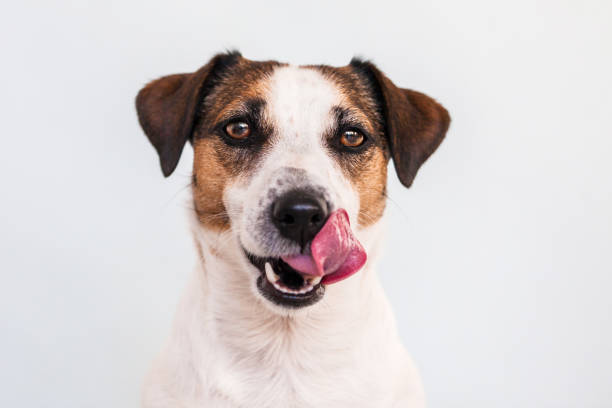
Dog ownership is a journey filled with unparalleled joy, unwavering companionship, and, inevitably, a few challenges. Among the most frustrating and perplexing issues a dog owner can face are accidents inside the house. Whether your furry friend is a brand-new puppy still learning the ropes, a previously perfectly potty-trained adult suddenly having mishaps, or an older dog showing signs of cognitive decline, inappropriate urination or defecation can test the limits of even the most patient owner. The immediate reaction is often frustration or confusion: “Why is my dog doing this?”
The critical dilemma lies in determining the underlying cause. Is it a behavioral lapse that requires a refresher course in potty training, or is it a symptom of an underlying medical condition demanding a trip to the veterinarian? Making the wrong assumption can prolong your dog’s discomfort, delay necessary treatment, or lead to ineffective retraining efforts.
This comprehensive guide aims to equip you with the knowledge and tools to effectively decode your dog’s accidents, empowering you to make informed decisions about when to pick up the leash for a training walk, and when to pick up the phone to call your vet. We will delve deep into the myriad of potential causes, categorize them into medical and behavioral issues, outline diagnostic steps, and provide elaborate strategies for both veterinary intervention and retraining.
I. The “Normal” Dog and Potty Training Basics: Building a Solid Foundation
Before delving into problems, it’s essential to understand what constitutes normal elimination behavior and how effective potty training is established. This provides the baseline against which you can measure any changes.
A. Age-Appropriate Expectations:
- Puppies (8-16 weeks): Have small bladders and limited control. They typically need to urinate every 1-2 hours waking, after waking, eating, and playing. Defecation often occurs shortly after meals. Expect accidents – they are part of the learning process.
- Adolescent Dogs (4-12 months): Should be largely potty trained, capable of holding it for longer periods (3-5 hours). Occasional accidents might still happen, especially if routines are disrupted or they are left alone too long.
- Adult Dogs (1 year+): Should be reliably potty trained, capable of holding it for 6-8 hours, sometimes longer overnight. New accidents in an adult dog are a significant red flag.
- Senior Dogs (7+ years, varies by breed): May experience some decline in bladder/bowel control due to age-related conditions or cognitive changes.
B. Typical Potty Training Methods (A Quick Recap):
- Scheduled Potty Breaks: Take your dog out frequently and at consistent times (first thing in the morning, after meals, after naps, before bed, every few hours throughout the day).
- Crate Training: A crate can be a powerful tool, as dogs naturally avoid soiling their sleeping area. The crate should be just large enough for them to stand, turn around, and lie down.
- Leash Trips: Always leash your dog and take them to a designated potty spot outside. This minimizes distractions and helps them focus on the task.
- Positive Reinforcement: Lavishly praise and reward your dog with high-value treats immediately (within 3 seconds) after they eliminate outside. Make it a celebration!
- Supervision: Closely supervise your dog indoors. If you can’t actively watch them, they should be crated or confined to a small, safe, easily cleanable area.
- Interrupting Accidents: If you catch your dog squatting inside, calmly interrupt them (e.g., a clap or a gentle “ah-ah!”) and immediately rush them outside to their designated spot. If they finish outside, reward them. Crucially, never punish them for accidents.
- Thorough Cleaning: Use an enzymatic cleaner specifically designed to neutralize pet odors to eliminate scent markers that might attract them back to the same spot.
C. What Constitutes a “Fully Potty-Trained” Dog? A fully potty-trained dog reliably eliminates outdoors on cue or consistently seeks to go outside when needed, without accidents indoors, for extended periods consistent with their age and physical ability. They understand the difference between indoor and outdoor spaces for elimination.
II. When Accidents Start (or Persist): The Core Dilemma
The sudden onset of accidents in a previously house-trained adult dog, or persistent accidents in a puppy despite consistent training, is a cause for concern. This is where the detective work begins.
A. Differentiating Between Learning and a Problem:
- Puppy Still Learning: If you have a young puppy and are following a consistent training regimen, occasional accidents are normal. You’re still in the teaching phase.
- Adult Dog, New Accidents: This is the most critical scenario. A previously reliable adult dog suddenly having accidents is always a strong indicator that something is wrong, and a vet visit should be the first step.
- Chronic Accidents in Any Age: If accidents persist despite diligent retraining efforts, a medical issue might have been overlooked, or the behavioral issue is more complex.
B. The Importance of Observation and Data Collection: Before you even decide whether to call the vet or begin retraining, you need to become a keen observer. Start keeping a log. This detailed information will be invaluable to both your vet and any potential trainers.
What to log:
- Date and Time of Accident: Pinpoint patterns.
- Type of Accident: Urination, defecation, or both?
- Location of Accident: Specific rooms, surfaces (e.g., carpet, tile, bed, crate).
- Volume/Consistency: Small puddle, large puddle, a few drops? Normal stool, diarrhea, soft, hard?
- Circumstances Surrounding the Accident:
- Was the dog alone?
- Were you present?
- Had they just woken up, eaten, played?
- How long since their last potty break?
- What was happening immediately before (e.g., visitors, loud noise, storm)?
- Did they show any specific cues (whining, pacing, sniffing) beforehand?
- Did they strain, cry out, or lick excessively?
- Changes: Any recent changes in diet, routine, medication, household members, environment, or stress levels?
- Other Symptoms: Increased thirst, lethargy, changes in appetite, limping, excessive licking, changes in urine color or smell.
III. Medical Causes of Inappropriate Urination/Defecation: When to Call the Vet FIRST
For any adult dog suddenly having accidents, or any dog exhibiting other symptoms alongside accidents, a veterinary visit is paramount. Do not attempt to reteach house-training until medical causes have been ruled out.
A. Urinary Issues:
- Urinary Tract Infections (UTIs): One of the most common causes. Bacteria enter the urethra and travel to the bladder, causing inflammation and discomfort.
- Symptoms: Frequent urination (pollakiuria), straining to urinate (stranguria), urinating small amounts, “accidents” (often just an inability to hold it), increased thirst, licking genitals, bloody or cloudy urine, strong urine odor, lethargy, fever.
- Diagnosis: Urinalysis (to check for bacteria, crystals, white/red blood cells), urine culture (to identify specific bacteria and determine antibiotic sensitivity).
- Treatment: A course of antibiotics.
- Bladder Stones/Crystals (Urolithiasis): Minerals can crystallize in the urine, forming “sludge” or stones in the bladder or urethra, causing irritation, blockages, and pain.
- Symptoms: Similar to UTIs – frequent urination, straining, blood in urine, pain, inability to urinate (an emergency!).
- Diagnosis: Urinalysis, X-rays, ultrasound.
- Treatment: Dietary changes, medication to dissolve certain types of stones, or surgical removal.
- Incontinence: Involuntary leakage of urine, often while sleeping or resting. The dog doesn’t realize they’re urinating.
- Spay Incontinence (Estrogen-Responsive Incontinence): Common in spayed female dogs, particularly larger breeds. Weakening of the urethral sphincter due to hormonal changes.
- Age-Related Incontinence: As dogs age, muscle tone can decrease, and neurological function may decline.
- Neurogenic Incontinence: Damage to the nerves controlling the bladder, often from spinal cord injury or disease.
- Congenital Abnormalities: Ectopic ureters (ureters bypass the bladder and open elsewhere) seen in puppies.
- Symptoms: Wet spots where the dog was sleeping, dripping urine, unawareness of leaking.
- Diagnosis: Rule out other causes first, then specific tests for bladder function.
- Treatment: Medications (e.g., PPA, DES), sometimes surgery for ectopic ureters.
- Kidney Disease: Impaired kidney function can lead to increased thirst and urination as the kidneys struggle to concentrate urine.
- Symptoms: Increased thirst (polydipsia), increased urination (polyuria), weight loss, lethargy, vomiting, poor coat quality.
- Diagnosis: Blood tests (creatinine, BUN, phosphorus), urinalysis.
- Treatment: Dietary changes, fluid therapy, medications to manage symptoms.
- Diabetes Mellitus (Sugar Diabetes): High blood sugar causes the kidneys to excrete excess glucose, pulling water with it.
- Symptoms: Marked increase in thirst and urination, increased appetite, weight loss despite eating, lethargy.
- Diagnosis: Blood tests (glucose levels), urinalysis (glucose in urine).
- Treatment: Insulin injections, dietary management.
- Cushing’s Disease (Hyperadrenocorticism): Overproduction of cortisol by the adrenal glands.
- Symptoms: Increased thirst and urination, increased appetite, pot-bellied appearance, hair loss, thin skin, panting.
- Diagnosis: Blood tests (ACTH stimulation test, low-dose dexamethasone suppression test).
- Treatment: Medications, sometimes surgery.
- Prostate Issues (Intact Male Dogs): Benign prostatic hyperplasia (BPH), prostatitis, or prostate cancer. An enlarged or inflamed prostate can press on the urethra or colon, causing discomfort and straining.
- Symptoms: Straining to urinate or defecate, frequent urination, blood in urine, pain, change in stool shape (ribbon-like).
- Diagnosis: Rectal exam, ultrasound, urinalysis, blood tests.
- Treatment: Neutering (for BPH), antibiotics (for prostatitis), surgery or chemotherapy (for cancer).
- Spinal/Neurological Problems: Degenerative disc disease, nerve damage, or injury can impair the nerves that control bladder and bowel function, leading to loss of control.
- Symptoms: Weakness, lameness, wobbly gait, dragging paws, pain, loss of sensation, inappropriate urination/defecation.
- Diagnosis: Neurological exam, X-rays, MRI, CT scan.
- Treatment: Medications, rest, physical therapy, sometimes surgery.
- Pain (Arthritis, Injury): Pain, especially in hips, back, or joints, can make it difficult or painful for a dog to posture correctly for elimination, or to get outside quickly enough.
- Symptoms: Reluctance to move, stiffness, limping, vocalizing, difficulty climbing stairs, slow to get up/down.
- Diagnosis: Physical exam, X-rays.
- Treatment: Pain medication, joint supplements, physical therapy, weight management.
- Cancer: Tumors in the bladder, urethra, or prostate can cause similar symptoms to UTIs or stones.
- Symptoms: Blood in urine, straining, frequent urination, weight loss, lethargy.
- Diagnosis: Ultrasound, biopsy.
- Treatment: Surgery, chemotherapy, radiation.
B. Fecal Issues:
- Diarrhea/Gastrointestinal Upset: Any condition causing loose stools or increased bowel urgency can lead to accidents.
- Causes: Dietary indiscretion (eating something they shouldn’t), sudden food changes, parasites, bacterial infections, stress, food allergies, inflammatory bowel disease.
- Symptoms: Loose or watery stools, increased frequency of defecation, straining, vomiting, lethargy, loss of appetite.
- Diagnosis: Stool sample analysis, blood tests, dietary trials, imaging.
- Treatment: Dietary modification, medication to firm stools, antibiotics, anti-parasitics.
- Parasites (Internal Worms, Giardia, Coccidia): Intestinal parasites can cause chronic diarrhea, malabsorption, and urgency.
- Symptoms: Diarrhea, vomiting, weight loss, poor coat, pot-bellied appearance (especially in puppies), visible worms in stool.
- Diagnosis: Fecal examination (microscopic analysis).
- Treatment: Specific deworming medications.
- Inflammatory Bowel Disease (IBD): Chronic inflammation of the gastrointestinal tract.
- Symptoms: Chronic or intermittent vomiting, diarrhea, weight loss, decreased appetite.
- Diagnosis: Biopsy of intestinal tissue.
- Treatment: Dietary management, immunosuppressants.
- Diet Changes/Food Sensitivities: Sudden changes to food, or feeding a food that doesn’t agree with your dog, can cause digestive upset and accidents.
- Symptoms: Diarrhea, vomiting, gas, skin issues.
- Diagnosis: Elimination diet trial.
- Treatment: Identifying and avoiding trigger foods.
- Anal Gland Issues: Impacted, infected, or ruptured anal glands can cause extreme discomfort, leading to straining, scooting, pain, and sometimes reluctance to defecate or accidents due to discomfort.
- Symptoms: Scooting, licking/chewing at rear, difficulty defecating, crying out, foul odor, swelling near rectum.
- Diagnosis: Manual examination by a vet.
- Treatment: Manual expression, antibiotics, anti-inflammatories, surgery (in severe recurrent cases).
- Mobility Issues: Arthritis, hip dysplasia, back pain, or other orthopedic problems can make it difficult for a dog to get up, go outside, or posture uncomfortable for defecation.
- Symptoms: Stiffness, lameness, difficulty rising, reluctance to move, slower than usual.
- Diagnosis: Physical exam, X-rays.
- Treatment: Pain management, joint supplements, physical therapy.
C. General Considerations (Affecting Both Urinary and Fecal Control):
- Increased Thirst (Polydipsia): Often accompanies increased urination (polyuria) and can be a symptom of diabetes, kidney disease, Cushing’s, or even certain medications.
- Cognitive Dysfunction Syndrome (CDS) / Canine Alzheimer’s: Common in older dogs, CDS can cause confusion, disorientation, changes in sleep-wake cycles, anxiety, and a loss of previously learned behaviors, including house-training.
- Symptoms: Disorientation (getting lost in familiar places), changes in social interaction, altered sleep cycles, increased anxiety/irritability, staring into space, accidents.
- Diagnosis: Based on clinical signs after ruling out other medical causes.
- Treatment: Medications, dietary supplements, environmental enrichment.
- Certain Medications: Steroids (prednisone), diuretics, and some anti-seizure medications can increase thirst and urination, leading to accidents.
IV. Behavioral Causes of Inappropriate Urination/Defecation: When to Retrain/Address Behavior
Once your veterinarian has given your dog a clean bill of health, or if the history strongly suggests a behavioral component from the outset (e.g., puppy accidents, specific triggers linked to anxiety), it’s time to focus on behavioral modification and retraining.
A. Incomplete or Inconsistent Potty Training: This is common, especially with puppies or adopted dogs whose background is unknown.
- Too Short Training Period: Owners become lax too soon and expect too much too quickly.
- Inconsistent Reinforcement: Not consistently rewarding outdoor elimination.
- Too Large of a Space Too Soon: Giving a puppy or new dog free roam of the house before they are reliably trained can lead to “hidden” accidents.
- Punitive Measures: Punishing a dog for an accident can teach them to hide their elimination from you, making the problem worse as they learn to fear eliminating in your presence rather than learning where to go. They might eliminate in hidden spots (under beds, behind furniture).
- Lack of Supervision: Most common cause for “trained” dogs still having accidents. If you’re not supervising, you can’t prevent or interrupt accidents.
B. Submissive Urination: This involuntary urination occurs when a dog feels threatened, intimidated, or excited during greetings. It’s not a deliberate act to spite you; it’s a fear-based response.
- Triggers: Loud voices, direct eye contact, looming over the dog, physical punishment, excited greetings, new people.
- Body Language: Lowered posture, tail tucked, ears back, avoiding eye contact, sometimes rolling onto their back.
- Management: Greet the dog calmly, on their level, avoid direct eye contact, have guests ignore the dog until they are calm, allow the dog to approach you, make greetings outside.
C. Excitement Urination: Similar to submissive urination, but driven by overwhelming joy or excitement rather than fear. Often seen in puppies and young dogs.
- Triggers: Owner coming home, visitors, play, anticipation of walks or food.
- Management: Keep greetings low-key, avoid over-stimulating play indoors, take dog out immediately upon arrival, allow them to calm down before interacting with them.
D. Marking Behavior (Territorial): Dogs spray small amounts of urine, usually on vertical surfaces, to communicate their presence and scent. While more common in intact males, spayed females and neutered males can also mark, especially if they feel their territory is threatened or if there are new scents (e.g., new pet, new furniture, visitors with other pet scents).
- Triggers: New people/pets in the home, moving to a new environment, intact dogs in the vicinity, anxiety.
- Management: Neutering/spaying (can reduce but not eliminate), meticulous cleaning, using belly bands (male dogs) or doggy diapers (females) indoors, identifying and managing stressors, blocking access to favorite marking spots.
E. Separation Anxiety: Accidents are one of several symptoms of separation anxiety, occurring when the dog is left alone. This is not defiance but a panic response.
- Other Signs: Destructive chewing (especially around exits), excessive barking/howling, drooling, pacing, self-harm, frantic escape attempts.
- Management: Desensitization and counter-conditioning to being alone, creating a safe den, enrichment, sometimes medication, and professional help from a certified behaviorist. Never punish for separation anxiety accidents.
F. Fear/Anxiety/Stress: Any significant stressor can disrupt a dog’s routine and lead to house-training regressions.
- Triggers: Moving to a new home, new baby, new pet, change in owner’s schedule, loud noises (thunderstorms, fireworks), punishment, trauma.
- Reluctance to Go Outside: Fear of severe weather, unfamiliar sights/sounds, slippery surfaces, or scary people/dogs outside can make a dog hesitant to eliminate outdoors.
- Management: Identify and remove/manage stressors, create a safe haven, desensitization and counter-conditioning, potentially anti-anxiety medication, professional help.
G. Attention-Seeking: Highly intelligent and sensitive dogs may learn that having an accident gets a strong reaction from their owner, even negative attention. This is rare but can occur if the dog is not receiving enough positive attention for appropriate behavior.
- Management: Ignore the accident (clean it up calmly without interacting with the dog), then focus on profusely rewarding appropriate outdoor elimination and giving plenty of positive attention when the dog is behaving correctly.
H. Lack of Access/Opportunity: Simply put, the dog couldn’t hold it because they weren’t given the chance to go outside.
- Causes: Owner away too long, inconsistent potty breaks, dog not signaling effectively (or owner missing cues).
- Management: Stick to a consistent schedule, ensure someone is home or a dog walker is hired for long absences, understand your dog’s signals.
I. Location Preference: Dogs might develop a preference for a certain surface (e.g., carpet feels like grass) or a specific indoor spot, especially if accidents have occurred there repeatedly and weren’t cleaned effectively.
- Management: Thorough cleaning with enzymatic cleaners, blocking access to preferred indoor spots, training to a specific outdoor spot, praising heavily when they go on the desired surface.
J. Reactivity to Cleaning Products: Ammonia-based cleaners can smell like urine to a dog, actually attracting them back to the same spot to mark over it.
- Management: Always use enzymatic cleaners for pet accidents.
V. The Diagnostic Process: How to Differentiate
Navigating between medical and behavioral causes requires a systematic approach.
A. Step 1: The Vet Check-up (ALWAYS First for Adult Dogs with New Accidents) This cannot be stressed enough. For any previously house-trained adult dog who suddenly starts having accidents, a veterinary visit is the absolute first step. Skipping this can mean your dog suffers longer from an treatable medical condition.
- Why it’s crucial: Many medical conditions mimic behavioral problems. Without ruling out health issues, any retraining efforts will likely fail and could lead to frustration for both you and your dog.
- What to tell your vet: Provide your detailed log (date, time, type, location, volume, circumstances, other symptoms). Mention any changes in diet, thirst, appetite, routine, environment, or medications.
- What the vet will do:
- Thorough Physical Exam: Palpate abdomen, check for pain, assess mobility, neurological function.
- Urinalysis: A basic test to check for pH, specific gravity (concentration), blood, protein, glucose, and microscopic elements like bacteria, crystals, and inflammatory cells. A cystocentesis (collecting urine directly from the bladder with a needle) provides the cleanest sample.
- Urine Culture & Sensitivity: If infection is suspected, this identifies the specific bacteria and which antibiotics will be most effective.
- Blood Tests: Complete Blood Count (CBC) and Chemistry Panel to assess organ function (kidneys, liver), blood sugar levels (diabetes), and overall health.
- Imaging: X-rays (radiographs) or ultrasound may be used to visualize organs, detect stones, tumors, or structural abnormalities in the bladder, kidneys, prostate, or spine.
- Neurological Exam: If spinal/nerve issues are suspected.
B. Step 2: Detailed Observation (While Awaiting Vet & If Vet Clears Medical) If medical causes are ruled out or while you await test results, continue your meticulous observation. The log becomes your most powerful tool.
- Analyze Patterns: Look for consistent triggers. Do accidents always happen when you’re out? When a specific person visits? On a particular type of surface? After a certain activity?
- Assess Urgency vs. Deliberation: Does your dog genuinely seem unable to hold it (medical or severe anxiety)? Or do they deliberately choose an inappropriate spot, perhaps with a specific motivation (marking, attention-seeking)?
C. Step 3: Rule Out Environmental Factors.
- Are potty breaks frequent enough?
- Is the potty area outside appealing (clean, safe, quiet)?
- Are you using enzymatic cleaners?
- Has anything changed in the home environment?
VI. Retraining Strategies (If Behavior is the Cause or After Medical Clearance)
Once medical issues are cleared, or if you’re dealing with a puppy, it’s time for a structured retraining approach. This often means going “back to basics” as if training a brand-new puppy.
A. Go Back to Basics (The “Puppy Protocol”):
- Strict Potty Schedule: Take your dog out every 1-2 hours (even for an adult initially), immediately after waking up, within 15-30 minutes after eating/drinking, before and after play, and before bedtime. Consistency is key.
- Crate Training (Re-establish if Needed): If your dog is not already crate trained, or if they’ve developed house-soiling in the crate (which indicates a medical issue or the crate is too large), reintroduce it. The crate should be just large enough for them to stand, turn around, and lie down comfortably. Never use it as punishment.
- Leash Trips to Designated Spot: Always leash your dog and take them to the same designated spot outside. This helps create a strong association. Stand still and wait calmly. Don’t play or walk around until they’ve eliminated.
- Supervised Indoor Time / Umbilical Cord Method: When indoors, your dog should be either:
- Actively Supervised: You are watching them 100% of the time. If you can’t, they go in their crate.
- “Umbilical Cord” Method: Attach their leash to your belt or wear them in a sling. This ensures they are always with you and you can immediately notice any signs they need to go out.
- High-Value Rewards IMMEDIATELY After Elimination Outside: This is crucial. As soon as they finish eliminating outside, shower them with enthusiastic praise, petting, and their very favorite treats. This forms a positive association with outdoor elimination. The timing must be precise!
- Clean All Accidents Thoroughly with Enzymatic Cleaner: Every single accident indoors must be cleaned with an enzymatic cleaner to break down the odor molecules. Dogs are drawn back to areas that smell like previous accidents. Avoid ammonia-based cleaners.
- No Punishment: Never scold, rub their nose in it, or use punitive methods for accidents. This only teaches them to fear you, hide their accidents, and can create anxiety around elimination.
B. Addressing Specific Behavioral Issues (Beyond Basics):
- Separation Anxiety: This is complex and often requires professional help.
- Desensitization & Counter-Conditioning: Gradually increase alone time, starting with seconds and building up. Pair departures with positive things (e.g., Kong filled with peanut butter).
- Safe Space: Provide a comfortable, secure den or crate.
- Professional Help: Consult with a Certified Professional Dog Trainer (CPDT) or a Veterinary Behaviorist (Dip. ACVB) for a comprehensive plan, possibly including medication.
- Marking:
- Management of Triggers: Identify what triggers marking and try to reduce exposure.
- Cleanliness: Meticulous cleaning of all marked spots.
- Belly Bands/Doggy Diapers: Can be used indoors as a management tool, but don’t solve the underlying behavior.
- Neutering/Spaying: Can reduce marking driven by sexual hormones, but may not eliminate it if the behavior is ingrained.
- Anxiety Reduction: Address any underlying anxiety driving the marking.
- Submissive/Excitement Urination:
- Gentle Greetings: Keep greetings calm and low-key. Ignore the dog until they are calm, then crouch down to their level for a gentle scratch.
- Outdoor Greetings: Conduct greetings outside until the behavior improves.
- Avoid Triggers: Don’t loom, make direct eye contact, or use loud voices.
- Fear/Anxiety:
- Identify Triggers: What specifically is making your dog anxious (e.g., thunder, certain people, car rides)?
- Create Safe Spaces: Provide a quiet, secure den.
- Desensitization & Counter-Conditioning: Gradually expose your dog to the fear trigger at a low intensity while pairing it with positive experiences.
- Professional Help: A veterinary behaviorist can provide medication and behavioral modification plans.
C. Consistency is Key: Everyone in the household must be on board and follow the retraining plan consistently. Inconsistency is the enemy of successful potty training.
D. Patience and Positive Reinforcement: Potty training takes time, especially when correcting ingrained behaviors or dealing with anxiety. Remain patient, calm, and positive. Your dog is not trying to be “bad”; they are either physically unable to control themselves or are reacting to their environment or internal state.
E. Professional Help (Certified Professional Dog Trainer, Veterinary Behaviorist): If, after a thorough vet check and consistent retraining efforts for several weeks, the problem persists, it’s time to seek specialized professional help.
- Certified Professional Dog Trainer (CPDT): Can provide guidance on house-training techniques, behavior modification, and management strategies. Look for certifications and positive reinforcement methods.
- Veterinary Behaviorist (Dip. ACVB): A veterinarian with advanced training and board certification in animal behavior. They can diagnose and treat complex behavioral issues, including those with a medical component, and can prescribe medication if necessary. This is especially important for issues like severe separation anxiety or aggression.
VII. Cleaning Accidents Effectively
Proper cleaning is a vital, yet often overlooked, component of preventing repeat accidents.
- Why Enzymatic Cleaners are Essential: Standard household cleaners (especially ammonia-based ones) can mask odors for humans but leave behind scent markers that dogs can still detect. These scent markers can actually attract them back to the same spot to eliminate again. Enzymatic cleaners contain beneficial bacteria that break down uric acid and other organic matter, completely neutralizing the odor.
- Step-by-Step Cleaning Process:
- Blot, Don’t Rub: For urine, blot up as much as possible with paper towels or old rags. For feces, remove solids first.
- Saturate the Area: Generously apply the enzymatic cleaner to the soiled area. Read the product instructions for specific application and dwell times.
- Allow to Work: Let the cleaner sit for the recommended time (often 10-15 minutes or more) to allow the enzymes to do their job. For old stains, you may need to cover the area with plastic wrap to prevent the cleaner from drying out too quickly.
- Blot Again: Blot up any remaining cleaner.
- Air Dry: Allow the area to air dry completely. You may need to repeat the process for stubborn odors or deep stains.
- Protect the Area: While the spot is drying, try to keep your dog away from it.
VIII. When to Seek Professional Help (Beyond Your Regular Vet)
While your primary veterinarian is your first point of contact for new accidents, some situations warrant a specialist.
- Certified Professional Dog Trainer (CPDT):
- When: For basic house-training issues, if you’re struggling with consistent application of methods, for mild behavioral issues (like excitement urination, basic marking). A good trainer uses positive, force-free methods.
- Veterinary Behaviorist (Dip. ACVB):
- When: For complex, severe, or persistent behavioral issues, especially those with a strong anxiety component (e.g., severe separation anxiety, generalized anxiety, fear aggression contributing to accidents). A veterinary behaviorist can provide a complete diagnosis, behavioral modification plan, and prescribe medication where appropriate, offering a holistic approach.
IX. Conclusion
Decoding your dog’s accidents is a journey that demands patience, keen observation, and a systematic approach. It is crucial to remember that your dog is never acting out of spite. Accidents are a form of communication, signaling either a physical discomfort or an emotional distress.
By understanding the distinction between medical and behavioral causes, prioritizing a veterinary check-up for any adult dog with new accidents, and diligently applying appropriate training and management strategies, you can effectively address the problem. This guide provides the framework, but your consistency, empathy, and willingness to seek professional guidance when needed are the ultimate keys to success. With dedication, you can help your beloved companion regain their confidence, restore peace to your home, and strengthen the incredible bond you share.
#DogPottyTraining #DogAccidents #HouseTraining #PuppyTraining #UrinaryTractInfection #UTIinDogs #DogIncontinence #DogHealth #VetVisit #DogBehavior #DogRetraining #SeparationAnxiety #DogTips #PetCare #DogLife #FurryFriends #DogParents #SeniorDog #DogWellness #AskAVet #DogProblems #BehavioralIssues #EnzymaticCleaner #HappyDogHappyHome #PositiveReinforcement





Add comment