
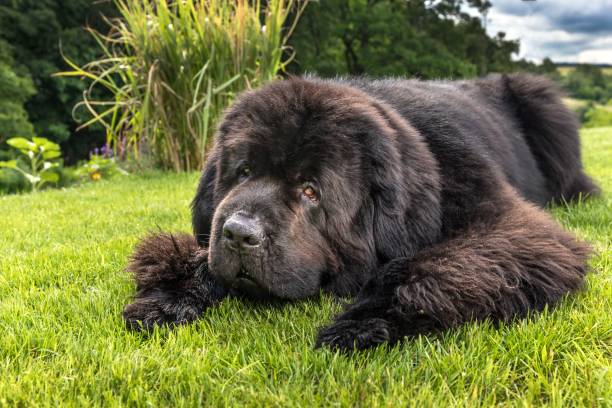
Degenerative Disc Disease (DDD) in dogs, often interchangeably and sometimes more specifically referred to as Intervertebral Disc Disease (IVDD), represents a complex and debilitating group of conditions affecting the spinal column. It is one of the most common neurological disorders in canines, responsible for immense pain, compromised mobility, and, in severe cases, irreversible paralysis. For many dog owners, the onset of DDD can be sudden and terrifying, transforming a vibrant, active companion into a suffering patient struggling with basic movements.
This comprehensive guide aims to demystify DDD, providing a deep dive into its anatomical basis, various manifestations, diagnostic approaches, and the extensive spectrum of treatment and management strategies available. Our goal is to empower dog owners with the knowledge necessary to understand this condition fully, make informed decisions in consultation with their veterinarians, and ultimately enhance the quality of life for their beloved dogs.
The canine spine is an intricate marvel of biomechanics, providing structural support, flexibility, and crucial protection for the spinal cord – the central highway of communication between the brain and the rest of the body. Intervertebral discs act as shock absorbers between the vertebrae, allowing for smooth movement and cushioning against impact. DDD is fundamentally a progressive deterioration of these vital discs, leading to their inability to perform their functions effectively and, crucially, to potential compression of the delicate spinal cord and nerves.
While often associated with certain breeds known for their long backs and short legs (chondrodystrophic breeds), DDD can affect any dog, regardless of size or breed. Its impact ranges from mild discomfort to profound neurological deficits, making early recognition and appropriate intervention critical for a favorable outcome. This guide will walk through the journey of understanding, diagnosing, treating, and managing DDD, emphasizing both conventional and emerging therapies, as well as the essential role of owner commitment in long-term care.
Anatomy and Physiology of the Canine Spine: The Foundation of Movement
To comprehend DDD, one must first grasp the intricate architecture of the canine spine. This marvel of engineering is designed for strength, flexibility, and protection of the central nervous system.
The Vertebral Column
The canine spine is a segmented structure composed of individual bones called vertebrae, typically numbering around 30, though this can vary with tail length. These vertebrae are divided into five distinct regions:
- Cervical Vertebrae (C1-C7): Seven vertebrae forming the neck. C1 (atlas) and C2 (axis) are specialized for head movement. This region is highly flexible.
- Thoracic Vertebrae (T1-T13): Thirteen vertebrae, each articulating with a pair of ribs. This section is relatively rigid due to rib cage attachment, offering good protection for the spinal cord.
- Lumbar Vertebrae (L1-L7): Seven large, robust vertebrae forming the lower back. This region is highly flexible and bears significant weight, making it prone to stress.
- Sacral Vertebrae (S1-S3): Three fused vertebrae forming the sacrum, which connects the spine to the pelvis.
- Caudal Vertebrae (Co1-Co variable): The vertebrae of the tail, varying in number depending on breed.
The Intervertebral Discs (IVDs)
Between each vertebra (except between C1 and C2) lies an intervertebral disc. These specialized structures are the primary shock absorbers of the spine, allowing for flexibility and preventing bone-on-bone friction. Each disc comprises two main components:
- Annulus Fibrosus: The tough, fibrous outer ring of the disc. It consists of multiple concentric layers of collagen fibers, arranged in crisscrossing patterns, providing strength and containing the inner material. It’s like a strong, layered tire wall.
- Nucleus Pulposus: The gelatinous, semi-fluid center of the disc. Composed primarily of water, proteoglycans, and collagen, it acts as a hydraulic cushion, distributing pressure evenly across the vertebral endplates. It’s like a jelly-filled donut.
Spinal Cord and Nerves
Running through a canal formed by the vertebral arches (the vertebral canal) is the spinal cord, a vital extension of the brain. The spinal cord transmits sensory information to the brain and motor commands from the brain to the muscles. At each vertebral segment, pairs of spinal nerves branch off the spinal cord and exit through small openings (intervertebral foramina) to innervate specific parts of the body. Compression or damage to the spinal cord or these nerves is what leads to the neurological signs seen in DDD.
Function of Discs
The discs perform several critical functions:
- Shock Absorption: Cushioning the spine during movement, jumping, and running.
- Flexibility: Allowing the spine to bend, twist, and extend smoothly.
- Load Distribution: Spreading the weight and forces evenly across the vertebral column.
When these discs begin to degenerate, their ability to perform these functions is severely compromised, setting the stage for pain and neurological dysfunction.
Understanding Degenerative Disc Disease (DDD): The Chronic Process
Degenerative Disc Disease (DDD) is an umbrella term encompassing a progressive, chronic deterioration of one or more intervertebral discs. It is not an acute injury, but rather a slow, insidious process that weakens the structural integrity and functionality of the discs over time. While the term “IVDD” (Intervertebral Disc Disease) is often used interchangeably with DDD, it’s helpful to understand the nuance: DDD is the underlying process of degeneration, while IVDD more specifically refers to the clinical manifestation of that degeneration, typically a disc herniation or protrusion causing clinical signs. All IVDD cases stem from DDD, but not all degenerated discs necessarily cause clinical IVDD symptoms immediately.
Types of Intervertebral Disc Disease (IVDD) Related to DDD
DDD predisposes dogs to various forms of disc herniation or protrusion, commonly categorized into types based on the nature of the disc material change and its presentation. These are the specific manifestations of IVDD:
Type I IVDD (Extrusive Disc Disease)
- Description: This type is characterized by a “sudden” rupture or extrusion of the nucleus pulposus through a weakened annulus fibrosus. The inner, gelatinous material of the disc typically mineralizes and hardens prematurely. Due to chronic degeneration, the annulus becomes brittle and tears, allowing the calcified or degenerated nucleus pulposus to explode into the spinal canal.
- Affected Breeds: Predominantly seen in chondrodystrophic breeds (those with genetic dwarfism, characterized by abnormally short and crooked limbs relative to their body size), such as Dachshunds, Basset Hounds, Beagles, Shih Tzus, Lhasa Apsos, Pekingese, Corgis, and French Bulldogs. These breeds undergo chondroid metaplasia of their discs at a young age (often by 1-2 years old), meaning the nucleus pulposus rapidly degenerates, loses its water content, and calcifies.
- Onset: Typically acute and severe. Dogs can go from normal to paralyzed within hours, often after a seemingly innocuous movement (e.g., jumping off furniture, rough play).
- Spinal Location: Most common in the thoracolumbar spine (mid-back), but can occur in the cervical spine (neck).
- Clinical Signs: Often severe pain, weakness, ataxia (incoordination), paresis (partial paralysis), or plegia (complete paralysis), and potential loss of deep pain sensation.
Type II IVDD (Protrusive Disc Disease)
- Description: This type involves a more gradual degeneration of the annulus fibrosus, which weakens and bulges dorsally (towards the spinal canal) without a complete rupture of its outer layers. The nucleus pulposus remains relatively intact within the annulus, but the disc as a whole protrudes or swells into the spinal canal, causing chronic, progressive compression of the spinal cord.
- Affected Breeds: More common in non-chondrodystrophic, larger-breed dogs as they age, such as German Shepherds, Labrador Retrievers, Doberman Pinschers, and Boxers.
- Onset: Typically chronic and progressive, with signs developing slowly over weeks, months, or even years. Acute worsening can occur.
- Spinal Location: Most common in the thoracolumbar, cervical, or lumbosacral regions.
- Clinical Signs: Usually start with mild pain and progress to weakness, wobbling, and eventually paresis. The pain is often chronic and intermittent.
Type III IVDD (Hydrated Nucleus Pulposus Extrusion – HNPE or ANNPE)
- Description: While not strictly degenerative in the traditional sense, HNPE involves the acute extrusion of healthy, hydrated nucleus pulposus material into the spinal canal secondary to a high-energy trauma (e.g., jumping, sudden twist). Unlike Type I, the disc material itself is not degenerated or calcified; it’s an acute event where normal disc material is forced out.
- Affected Breeds: Can affect any breed, often active, athletic dogs.
- Onset: Hyper-acute, often related to a specific traumatic event.
- Clinical Signs: Severe and acute neurological deficits, but often with a better prognosis for recovery than Type I because the inflammatory component is less severe and the quantity of extruded material is usually smaller.
Understanding these distinctions is crucial for diagnosis, treatment planning, and prognosis. While Type III is less directly linked to chronic DDD, it’s an important differential for acute spinal injury. The focus of this guide primarily remains on Type I and Type II, which are direct consequences of the ongoing degenerative process.
Etiology and Risk Factors: Why Some Dogs are More Susceptible
Degenerative Disc Disease is a multifactorial condition, meaning several factors contribute to its development and progression. While some dogs are genetically predisposed, others may develop the condition due to a combination of environmental and lifestyle factors.
1. Genetic Predisposition
This is arguably the most significant risk factor, particularly for Type I IVDD.
- Chondrodystrophic Breeds: As discussed, breeds like Dachshunds, Basset Hounds, Beagles, Shih Tzus, French Bulldogs, Welsh Corgis, and Pekingese have an inherited predisposition to early degeneration and calcification of their intervertebral discs. This process, called chondroid metaplasia, can occur in discs throughout their spine by the time they are 1-2 years old, making them highly susceptible to disc extrusion even with minor trauma.
- Non-Chondrodystrophic Breeds: While not typically prone to Type I, large breeds like German Shepherds, Labrador Retrievers, Doberman Pinschers, and Rottweilers are genetically predisposed to Type II IVDD, which is a more chronic, age-related degeneration.
2. Age
DDD is fundamentally a degenerative process, and thus, age is a primary risk factor.
- Type I IVDD: Typically manifests in younger to middle-aged chondrodystrophic dogs, often between 3 to 7 years old, due to the accelerated disc degeneration in these breeds.
- Type II IVDD: Most commonly seen in older, non-chondrodystrophic dogs, usually over 5-7 years of age, as the discs naturally lose elasticity and water content over time.
3. Breed and Size
Beyond chondrodystrophy, other breed-specific conformations can play a role. For example, dogs with long backs relative to their leg length (e.g., Dachshunds) inherently place more strain on their spinal columns. Large breeds generally have more load on their spines over their lifetime.
4. Obesity and Weight
Excess body weight significantly increases the mechanical stress on the intervertebral discs, accelerating their wear and tear. Overweight dogs are less agile, put more strain on their joints and spine during everyday movements, and may be less able to recover from even minor impacts, all contributing to disc degeneration and increasing the likelihood and severity of clinical IVDD episodes.
5. Trauma and Repetitive Stress
While DDD is not solely caused by a single traumatic event, chronic microtraumas and repetitive high-impact activities can exacerbate existing disc degeneration or accelerate the process.
- High-Impact Activities: Repeated jumping (especially off high furniture), rough play, agility sports without proper conditioning, or excessive stair climbing can put undue stress on the discs.
- Sudden Movements: Even seemingly innocuous movements like twisting, landing awkwardly, or being restrained incorrectly can trigger a disc herniation in an already degenerated disc.
6. Lifestyle and Activity Level
- Sedentary Lifestyle: Can lead to weakened core muscles, reducing spinal support.
- Excessive or Uncontrolled Activity: As mentioned, high-impact activities without adequate conditioning can be detrimental.
- Environmental Factors: Living in a home with slippery floors (hardwood, tile) can lead to slips and falls, causing spinal trauma. Jumping on/off furniture, beds, and cars without ramps or steps also increases risk.
7. Nutrition (Indirect Role)
While not a direct cause, poor nutrition leading to obesity, or deficiencies that affect joint and connective tissue health over decades, could theoretically contribute to the overall degenerative process. However, specific dietary links to DDD are less clear than for some other orthopedic conditions.
Understanding these risk factors allows owners to take proactive steps, especially for at-risk breeds, to minimize the progression of DDD and prevent acute IVDD episodes.
Clinical Signs and Symptoms: Recognizing the Ailment
The clinical signs of DDD (and subsequent IVDD) vary widely depending on several factors: the location of the affected disc(s) in the spine, the severity and type of disc herniation (protrusion vs. extrusion), the degree of spinal cord compression, and the duration of the compression. Signs can range from subtle changes in behavior to complete paralysis.
1. Pain: The Most Common and Often First Sign
Pain is almost universally present, though its intensity can vary.
- General Pain Signs:
- Reluctance to move: Hesitation to jump, climb stairs, or even walk.
- Yelping or crying out: Especially when touched, lifted, or moving in certain ways.
- Stiffness or rigid posture: Often with a hunched back (kyphosis) or arched neck.
- Shaking or trembling: Due to pain.
- Loss of appetite or reluctance to eat.
- Aggression or fear: A dog in severe pain may snap or growl when approached.
- Changes in behavior: Lethargy, hiding, reluctance to play.
- Muscle spasms: Visible twitching or palpable tightness in the back or neck muscles.
- Holding head low (cervical pain).
2. Neurological Deficits: Signs of Spinal Cord Compression
As the disc material compresses the spinal cord, it disrupts nerve signals, leading to varying degrees of neurological dysfunction. These are often graded for severity (see Modified Frankel Scale later).
- Weakness (Paresis) or Paralysis (Plegia):
- Ataxia (Incoordination): Wobbly gait, stumbling, staggering, especially in the hind limbs. May appear drunk.
- Knuckling: Dragging or flipping the top of the paw over, walking on the knuckles. Often noticeable on the hind limbs, sometimes front.
- Difficulty standing or rising: May struggle to get up from a lying position.
- Dragging limbs: One or both hind limbs (or sometimes front limbs) may be dragged during walking.
- Slipping on smooth surfaces: Due to poor proprioception and weakness.
- Complete inability to move limbs: In severe cases, leading to full paralysis.
- Loss of Proprioception: The body’s awareness of where its limbs are in space. Dogs may not know where their feet are, leading to knuckling or falling.
- Urinary and/or Fecal Incontinence: A severe sign indicating significant spinal cord damage affecting the nerves controlling bladder and bowel function. The dog may leak urine or feces unknowingly, or be unable to empty their bladder (retention with overflow).
- Muscle Atrophy: Over time, if nerves are damaged or muscles aren’t used due to paresis/paralysis, muscle wasting can occur, especially in the affected limbs.
3. Location-Specific Signs
The location of the affected disc dictates which body parts are primarily affected.
- Cervical Disc Disease (Neck):
- Severe neck pain: Reluctance to move the head, yelping when touched near the neck.
- Head held low to the ground.
- Stiffness in the neck and shoulders.
- Forelimb lameness or weakness (sometimes one-sided).
- Wobbly or uncoordinated gait (all four limbs, but often worse in the front).
- Holding a front leg up.
- Thoracolumbar Disc Disease (Mid-to-Lower Back):
- Most common location for Type I IVDD.
- Severe back pain: Hunched back, muscle spasms over the spine.
- Hind limb weakness (paresis) or paralysis (plegia) – the most classic presentation.
- Ataxia in the hind limbs, knuckling.
- Difficulty standing, jumping, or climbing stairs.
- Dragging hind legs.
- Urinary/fecal incontinence.
- Lumbosacral Disc Disease (L7-S1, Tailbone Area): Often referred to as Cauda Equina Syndrome.
- Pain when lifting the tail or jumping.
- Difficulty rising, weakness in hind limbs.
- Pain with defecation or urination.
- Fecal or urinary incontinence.
- Tail weakness or paralysis.
- Licking or chewing at the hind end, indicating nerve pain.
It is crucial for owners to observe their dog’s behavior closely and seek veterinary attention immediately if any of these signs appear, as early intervention significantly improves the prognosis for recovery.
Diagnosis: Pinpointing the Problem
Accurate diagnosis of DDD/IVDD is paramount for effective treatment. It involves a combination of thorough physical examination, neurological assessment, and advanced imaging techniques.
1. Comprehensive Physical and Neurological Examination
This is the critical first step and provides invaluable information.
- History Taking: The veterinarian will ask about the onset of signs, progression, any traumatic events, breed, age, and general health.
- Observation: Watching the dog walk (gait analysis) to identify lameness, ataxia, knuckling, or dragging of limbs.
- Palpation: Gentle but firm palpation along the entire spine to pinpoint areas of pain, muscle spasms, or tenderness.
- Neurological Assessment: This involves a series of tests to evaluate the integrity of the spinal cord and peripheral nerves:
- Proprioception: Testing the dog’s awareness of limb position by flipping a paw over and observing how quickly they correct it.
- Reflexes: Checking patellar (knee-jerk) reflex, withdrawal reflex (toe pinch), and perineal reflex (anal tone).
- Pain Perception: Gently pinching the toes to assess superficial and, more importantly (in paralyzed dogs), deep pain perception. The dog must consciously withdraw the limb or vocalize, not just a reflex twitch, to indicate deep pain.
- Cranial Nerve Examination: Briefly assessing facial symmetry, eye movement, etc., to rule out brain involvement.
- Urinary Bladder Assessment: Palpating the bladder to check its size and tone, indicating potential incontinence or inability to empty.
Based on the neurological exam, the veterinarian can often localize the spinal cord lesion to a specific region (cervical, thoracolumbar, lumbosacral) and grade the severity of neurological dysfunction.
2. Imaging Techniques
While the neurological exam localizes the problem, imaging is necessary to confirm the diagnosis, identify the specific affected disc(s), characterize the type of herniation, and determine the degree of spinal cord compression.
- X-rays (Radiographs):
- Use: Often the initial screening tool. They are non-invasive and readily available.
- What they show: Can reveal narrowed disc spaces, calcification of disc material (suggestive of Type I DDD), and sometimes evidence of spinal misalignment.
- Limitations: X-rays are excellent for bone but poor for soft tissue structures like the spinal cord and the discs themselves. They cannot definitively show spinal cord compression or the exact location/type of herniated material. A normal X-ray does not rule out IVDD.
- Myelography:
- Use: A more advanced diagnostic procedure performed under general anesthesia. Contrast dye is injected into the subarachnoid space surrounding the spinal cord.
- What it shows: The dye outlines the spinal cord. Areas where the dye column is narrowed, displaced, or completely obliterated indicate spinal cord compression due to disc herniation or other lesions.
- Limitations: Invasive, requires general anesthesia, and carries risks such as seizures (due to the contrast agent), worsening neurological signs, or dye leakage. It’s largely been superseded by CT and MRI in many specialty practices.
- CT Scan (Computed Tomography):
- Use: An excellent imaging modality, especially for Type I IVDD. Performed under general anesthesia.
- What it shows: Provides detailed cross-sectional images of bone and soft tissues. It is particularly good at identifying calcified disc material that has extruded into the spinal canal and showing the degree of spinal cord compression. It’s faster than MRI.
- Limitations: While better than X-rays for soft tissue, it is still not as detailed as MRI for visualizing the spinal cord itself, inflammation, or non-calcified disc material (which is more common in Type II).
- MRI (Magnetic Resonance Imaging):
- Use: Considered the gold standard for diagnosing IVDD and other spinal cord pathologies. Performed under general anesthesia.
- What it shows: Provides exquisite detail of soft tissues, including the intervertebral discs, spinal cord, nerve roots, and surrounding ligaments. It can clearly differentiate between disc material, spinal cord edema (swelling), inflammation, and fluid accumulation. It is superior for identifying both Type I and Type II herniations, and for ruling out other conditions like tumors or infections.
- Limitations: More expensive and time-consuming than CT, and requires specialized equipment not available in all clinics.
3. Differential Diagnoses
It’s important to differentiate DDD/IVDD from other conditions that can cause similar neurological signs:
- Spinal Tumors: Primary or metastatic cancers affecting the vertebrae or spinal cord.
- Discospondylitis: Bacterial or fungal infection of the intervertebral disc and adjacent vertebral endplates.
- Trauma: Fractures, luxations of vertebrae.
- Fibrocartilaginous Embolism (FCE): A “spinal stroke” where a piece of disc cartilage blocks a blood vessel supplying the spinal cord, causing acute, non-painful neurological deficits.
- Degenerative Myelopathy (DM): A progressive, incurable neurological disease of older large breed dogs (e.g., German Shepherds) that causes hind limb weakness and paralysis, often confused with Type II IVDD. DM is typically non-painful.
- Meningitis/Meningoencephalitis: Inflammation of the membranes around the brain and spinal cord.
A thorough diagnostic workup is essential to ensure the correct diagnosis and guide the most appropriate treatment strategy.
Grading of Neurological Dysfunction (Modified Frankel Scale)
To standardize communication among veterinarians and track a patient’s progress, a grading scale for neurological dysfunction is commonly used. The “Modified Frankel Scale” is widely adopted and helps guide treatment decisions and predict prognosis.
- Grade 0 (Normal): No neurological deficits observed.
- Grade 1 (Pain Only): Spinal pain is present, but the dog shows no neurological deficits (no ataxia, no weakness). Often manifests as reluctance to move, hunched posture, yelping.
- Grade 2 (Ambulatory Paresis): The dog is weak and ataxic in the affected limbs but can still walk, albeit with difficulty (wobbly, stumbling, knuckling). May need help getting up.
- Grade 3 (Non-Ambulatory Paresis): The dog can move its affected limbs and may have some voluntary movement, but cannot support its own weight and cannot walk unassisted. They are often unable to rise.
- Grade 4 (Paralysis with Deep Pain): The dog has complete paralysis of the affected limbs and cannot move them voluntarily, but still perceives deep pain sensation when a toe is pinched firmly (requires a conscious behavioral response, not just a reflex).
- Grade 5 (Paralysis without Deep Pain): The dog has complete paralysis of the affected limbs and has lost all deep pain perception in those limbs. This is the most severe grade and indicates severe spinal cord damage.
This grading system is crucial. Dogs in Grades 1-3 often respond well to conservative management, while Grades 4 and 5 typically warrant immediate surgical consideration, especially if deep pain is lost. The prognosis for recovery significantly diminishes with prolonged loss of deep pain.
Treatment Options: A Multifaceted Approach
The treatment for DDD/IVDD depends heavily on the severity of the neurological signs (Grade), the type and location of the disc lesion, the dog’s overall health, and the owner’s commitment and financial capabilities. Treatment options generally fall into two broad categories: conservative (non-surgical) and surgical.
1. Conservative Management (Non-Surgical)
Conservative management is typically recommended for dogs with Grade 1 or 2 neurological deficits, or in cases where surgery is not an option due to financial constraints, owner preference, or other health issues. The cornerstones of conservative treatment are strict rest and medication.
a. Strict Crate Rest
- Principle: This is arguably the most critical component of conservative management. It aims to prevent further disc extrusion/protrusion, reduce inflammation, and allow the spinal cord to heal.
- Duration: Typically 4-8 weeks, sometimes longer.
- Implementation: The dog is confined to a small crate or pen, only allowed out for short, controlled leash walks for bathroom breaks. No jumping, running, playing, or stairs are permitted. Lifting the dog, especially supporting the body, may be necessary.
- Importance: Failing to enforce strict rest is the most common reason for conservative management failure and relapse.
b. Medication
Pharmacological agents are used to manage pain, reduce inflammation, and alleviate muscle spasms.
- Non-Steroidal Anti-Inflammatory Drugs (NSAIDs): (e.g., Carprofen, Meloxicam, Deracoxib, Galliprant).
- Function: Reduce pain and inflammation.
- Caution: Monitor for gastrointestinal side effects (vomiting, diarrhea), kidney issues, and liver issues. Never combine with corticosteroids.
- Corticosteroids: (e.g., Prednisone, Dexamethasone).
- Function: Potent anti-inflammatory capabilities, particularly effective for acute spinal cord swelling.
- Caution: Used judiciously due to significant side effects with long-term use (increased thirst/urination/appetite, muscle wasting, immunosuppression, GI ulcers). Typically used short-term or tapered. Crucially, never given concurrently with NSAIDs without significant washout periods.
- Muscle Relaxants: (e.g., Methocarbamol).
- Function: Help alleviate painful muscle spasms that often accompany spinal pain.
- Neuropathic Pain Medications: (e.g., Gabapentin, Amantadine).
- Function: Target nerve pain, which NSAIDs and corticosteroids may not fully address. Often used in combination with other pain medications.
- Opioid Pain Relievers: (e.g., Tramadol, Buprenorphine, Fentanyl patches).
- Function: For severe pain, often used in the initial acute phase or to supplement other medications.
c. Physical Rehabilitation/Therapy
Once the initial acute pain and inflammation subside, and with veterinary guidance, physical therapy becomes crucial for recovery and preventing recurrence.
- Hydrotherapy (Underwater Treadmill/Swimming): Reduces weight-bearing stress while strengthening muscles. Excellent for improving gait and confidence.
- Massage and Stretching: Improves circulation, reduces muscle tension, maintains flexibility.
- Therapeutic Exercises: Gentle core strengthening, balance exercises, passive range of motion.
- Laser Therapy (Cold Laser/Low-Level Laser Therapy – LLLT): Reduces pain and inflammation, promotes tissue healing.
- Acupuncture: Can help manage pain and improve neurological function by stimulating nerve points.
- Chiropractic (Veterinary Spinal Manipulation Therapy): Can restore normal joint motion, but should only be performed by a qualified veterinary chiropractor and carefully considered based on the type and stability of the disc disease. Not for acute or unstable cases.
- Transcutaneous Electrical Nerve Stimulation (TENS): Uses electrical current to block pain signals and stimulate muscle contraction.
d. Weight Management
Maintaining a lean body weight is absolutely critical for all dogs with DDD, especially those managed conservatively. Excess weight exacerbates spinal stress and can worsen symptoms or lead to recurrence.
e. Nutritional Support
Supplements like Omega-3 fatty acids (for anti-inflammatory effects), glucosamine, and chondroitin (for joint/cartilage support) may offer adjunctive benefits, though their direct impact on DDD progression is debated. They are generally safe and may support overall spinal health.
2. Surgical Management
Surgery is typically recommended for dogs with severe neurological deficits (Grades 3, 4, or 5), those with a rapid progression of signs, recurring episodes despite conservative management, or, most critically, dogs that have lost deep pain perception (Grade 5). The goal of surgery is to decompress the spinal cord by removing the herniated disc material. This allows the spinal cord to recover from pressure and swelling.
a. Indications for Surgery
- Severe Neurological Deficits: Non-ambulatory paresis (Grade 3), paralysis with deep pain (Grade 4), or paralysis without deep pain (Grade 5).
- Rapid Progression of Signs: Deterioration despite conservative therapy.
- Intractable Pain: Unmanageable pain despite maximum medical therapy.
- Recurrent Episodes: Frequent relapses of IVDD despite appropriate conservative management.
- Loss of Deep Pain Perception: This is a veterinary emergency. Surgical decompression within 24-48 hours offers the best chance of recovery, though prognosis remains guarded.
b. Types of Spinal Surgery
These are highly specialized procedures performed by veterinary neurologists or board-certified surgeons.
- Hemilaminectomy:
- Most Common: Primarily used for thoracolumbar (mid-back) IVDD.
- Procedure: Involves removing a portion of the vertebral arch (lamina) on one side to expose the spinal canal and carefully remove the extruded disc material compressing the spinal cord.
- Ventral Slot:
- Primary Use: For cervical (neck) IVDD.
- Procedure: The surgeon approaches the disc from the underside of the neck, creating a “slot” through the vertebral bodies to access and remove the herniated disc material.
- Dorsal Laminectomy:
- Less Common: Used for specific types of spinal compression, often in the cervical or lumbosacral regions, where the compression is coming from above.
- Fenestration:
- Prophylactic/Adjunctive: Involves making a small window in the annulus fibrosus of adjacent, non-herniated discs and removing some of the nucleus pulposus.
- Purpose: Traditionally done in chondrodystrophic breeds during a corrective surgery to reduce the risk of future herniations in other susceptible discs. Its effectiveness as a sole prophylactic measure is debated, and it doesn’t address the already herniated disc. It’s often performed in conjunction with a decompression surgery.
c. Post-Operative Care (Crucial for Success)
Surgery is only part of the solution; diligent post-operative care is equally vital.
- Strict Crate Rest: Again, essential for several weeks to allow the surgical site to heal and prevent further injury.
- Pain Management: Continuous and aggressive pain control is critical, often involving a combination of medications.
- Physical Therapy: Initiated early and aggressively under veterinary supervision. This aids in muscle strengthening, proprioception, and regaining lost motor function. It often involves passive range of motion, assisted standing, slings, hydrotherapy, and eventually therapeutic exercises.
- Urinary and Bowel Management: Paralyzed dogs often experience bladder dysfunction. The bladder may need to be manually expressed several times a day to prevent urinary tract infections and kidney damage. Bowel movements may also need assistance.
- Nursing Care: Preventing bedsores, maintaining hygiene, ensuring adequate nutrition and hydration.
3. Emerging Therapies
Research continues to expand treatment options for DDD.
- Platelet-Rich Plasma (PRP): Involves injecting a concentrated solution of a dog’s own platelets, which contain growth factors, into injured areas to promote healing and reduce inflammation.
- Stem Cell Therapy: Utilizes mesenchymal stem cells (often derived from fat tissue) to promote tissue repair, modulate inflammation, and potentially regenerate disc tissue.
- Gene Therapy: Still largely experimental, aiming to correct genetic predispositions or enhance the disc’s ability to repair itself.
- Hyaluronic Acid and Polysulfated Glycosaminoglycan (PSGAG) Injections: Directly into the disc to improve hydration and cartilage health (often still experimental or off-label use for this specific purpose).
These emerging therapies show promise, but their widespread application and definitive efficacy for DDD are still under investigation.
Prognosis: What to Expect
The prognosis for dogs with DDD/IVDD is highly variable and depends on several key factors:
- Severity of Neurological Signs (Grade):
- Grades 1-3: Generally good prognosis with appropriate conservative management or surgery.
- Grade 1 (pain only): Excellent prognosis (80-90% success) with strict rest and medication.
- Grade 2-3 (ambulatory or non-ambulatory paresis): Good prognosis (70-80% success with conservative, 85-95% with surgery) for regaining ambulation.
- Grade 4 (Paralysis with Deep Pain): Good to guarded prognosis. With early surgical decompression, about 60-80% of dogs can regain ambulation. The longer the paralysis, the poorer the outcome.
- Grade 5 (Paralysis without Deep Pain): Guarded to poor prognosis. This is a critical situation.
- If surgery is performed within 12-24 hours of losing deep pain, the success rate for regaining ambulation is around 50-60%.
- If deep pain is lost for more than 48 hours, the success rate drops significantly (10-20%) and can be zero. These dogs may regain sensation but remain unable to walk.
- Grades 1-3: Generally good prognosis with appropriate conservative management or surgery.
- Duration of Signs: Acute onset of severe signs generally has a better prognosis than chronic, progressive signs of the same severity, especially if treated quickly.
- Location of the Lesion: Cervical disc disease (neck) generally has a slightly better prognosis for recovery than thoracolumbar disc disease (mid-back) for similar grades of neurological impairment, though both can be severe. Lumbosacral disease can be challenging due to nerve root involvement.
- Type of Disc Disease: Type I (extrusion) often has a more acute presentation and needs swift intervention. Type II (protrusion) is more chronic and may require long-term management, and surgical outcomes can be less predictable simply due to the chronic nature of the compression and potential for irreversible spinal cord changes.
- Owner Compliance: Strict adherence to rest protocols, medication schedules, and rehabilitation exercises (both pre- and post-operatively) is paramount for a successful outcome. Dogs that do not receive adequate rest or rehabilitation often suffer relapses or incomplete recovery.
- Recurrence: Dogs that have experienced one episode of IVDD, especially chondrodystrophic breeds, are at a higher risk of future episodes in other discs. Prophylactic fenestration (removal of disc material from other at-risk discs) can be considered during initial surgery to reduce this risk. Lifelong management strategies are often necessary.
- Quality of Life: Even if full ambulation is not regained, many dogs can still have an excellent quality of life with dedicated owner care, mobility aids (wheelchairs, slings), and managing incontinence. The decision for euthanasia often comes when chronic pain cannot be controlled, quality of life is severely compromised, or the financial/care burden becomes unsustainable.
In summary, prompt diagnosis and aggressive treatment, combined with dedicated post-operative care and rehabilitation, significantly improve the chances of a positive outcome. However, DDD is a chronic, progressive disease, and lifelong management is often required to maintain comfort and mobility.
Prevention and Management of DDD Progression: A Proactive Approach
While genetic predisposition plays a significant role in DDD, especially for chondrodystrophic breeds, there are many proactive steps owners can take to minimize the risk of disc herniation and manage the progression of DDD. These strategies focus on reducing spinal stress, maintaining overall health, and creating a safe environment.
1. Weight Control: The Foremost Prevention Strategy
- Maintain an Ideal Body Weight: This is perhaps the single most important factor. Excess weight puts enormous strain on the spine and intervertebral discs. A lean body condition score (around 4-5 out of 9) reduces the mechanical load and minimizes forces on degenerated discs.
- Balanced Diet: Feed a high-quality, nutritionally balanced diet appropriate for your dog’s age, breed, and activity level. Avoid overfeeding and excessive treats.
2. Controlled and Appropriate Exercise
- Moderate, Regular Exercise: Regular, low-impact exercise helps maintain muscle tone, which supports the spine. Examples include leash walks, swimming, and gentle play.
- Avoid High-Impact Activities: Minimize jumping (especially off furniture or from high places), abrupt stops, sudden twists, rough play, and excessive stair climbing, particularly for at-risk breeds.
- Warm-ups and Cool-downs: For dogs involved in sports or more strenuous activities, proper warm-up and cool-down routines can help prevent injury.
- Core Strengthening: Specific exercises to strengthen core abdominal and back muscles can provide better spinal support. Consult with a veterinary rehabilitation specialist for guidance.
3. Supportive Environment and Home Modifications
- Ramps and Steps: Provide ramps or pet steps for accessing furniture, beds, and vehicles to prevent jumping up and down.
- Non-Slip Surfaces: Cover slippery floors (hardwood, tile) with rugs, runners, or non-slip mats to prevent slips and falls, which can cause significant spinal trauma.
- Orthopedic Beds: Invest in comfortable, supportive orthopedic beds that evenly distribute weight and reduce pressure on joints and the spine.
- Leash and Harness Choice: Use a harness instead of a neck collar, especially for dogs with cervical disc disease or those at risk. A harness distributes pressure across the chest and shoulders, avoiding strain on the neck and spine.
- Gentle Handling: Always support the dog’s body (especially the hindquarters) when lifting or handling, to avoid twisting or straining the spine.
4. Regular Veterinary Check-ups
- Early Detection: Regular veterinary examinations can help detect early signs of DDD or subtle changes in gait or posture.
- Prophylactic Advice: Your veterinarian can provide tailored advice on diet, exercise, and lifestyle modifications based on your dog’s breed and risk factors.
5. Nutritional Supplements
- Joint Supplements: Glucosamine, chondroitin sulfate, MSM (methylsulfonylmethane), and green-lipped mussel extract are commonly used for joint health. While their direct impact on preventing disc degeneration is not fully proven, they support overall connective tissue health and may have anti-inflammatory properties.
- Omega-3 Fatty Acids: EPA and DHA found in fish oil have potent anti-inflammatory effects that can help manage chronic pain and inflammation associated with DDD.
6. Proactive Rehabilitation and Conditioning
- For at-risk breeds, starting a gentle, veterinary-supervised conditioning program early in life can build spinal strength and flexibility. This could include controlled walks, swimming, and specific therapeutic exercises.
7. Genetic Screening (for Breeding Animals)
- For breeders of chondrodystrophic dogs, responsible breeding practices include avoiding breeding individuals with a history of IVDD or those with significant disc calcifications visible on radiographs (though this is a controversial screening method and not always predictive of clinical disease). Genetic markers are being researched.
By integrating these preventive and management strategies into your dog’s daily life, you can significantly reduce their risk of developing severe DDD/IVDD episodes and provide a foundation for a healthier, more comfortable life.
Living with a Dog with DDD/IVDD: A Journey of Dedication
Caring for a dog diagnosed with DDD or recovering from an IVDD episode is a profound commitment. It requires patience, dedication, and often significant adjustments to daily routines and the home environment. However, with love and proper care, many dogs can lead fulfilling lives despite their condition.
1. Emotional Support for Owners
Receiving a DDD/IVDD diagnosis can be devastating. Owners often experience grief, guilt, stress, and anxiety.
- Seek Support: Connect with online forums, support groups, or a veterinary social worker. Sharing experiences with others who understand can be incredibly helpful.
- Educate Yourself: The more you understand the condition, the more confident you’ll feel in managing it.
- Remember You’re Not Alone: Many owners face similar challenges.
2. Home Modifications
Recreate your home environment to be safe and supportive.
- Ramps and Steps: As mentioned in prevention, these are essential to prevent jumping.
- Non-Slip Surfaces: Cover slippery floors with carpets, rugs, or paw wax to prevent slips and falls.
- Orthopedic Beds: Provide soft, supportive bedding to prevent pressure sores and ensure comfort.
- Elevated Food/Water Bowls: For dogs with neck pain, raising bowls can reduce strain.
- Baby Gates: Restrict access to stairs or areas where your dog might jump.
3. Mobility Aids
Depending on the degree of paralysis or weakness, mobility aids can significantly improve a dog’s independence and quality of life.
- Slings/Harnesses: A supportive sling (e.g., Help ‘Em Up Harness, Walkabout Harness) can help you assist your dog in standing, walking, and going to the bathroom, especially during recovery.
- Dog Wheelchairs (Carts): For dogs with permanent hind limb paralysis, a custom-fitted dog wheelchair allows them to remain mobile, active, and enjoy outdoor activities. Proper training and fitting are crucial.
- Paw Protectors/Boots: For dogs that drag their paws (knuckling), protective booties can prevent scrapes, sores, and infections.
4. Managing Incontinence
Incontinence is a challenging but manageable aspect for many dogs with severe IVDD.
- Bladder Expression: If your dog cannot empty their bladder independently, you will need to learn how to manually express it several times a day. This is vital to prevent urinary tract infections, bladder stones, and kidney damage. Your vet or vet tech will teach you.
- Diapers/Belly Bands: Can help manage leaks and maintain hygiene, preventing skin irritation and keeping the home clean.
- Hygiene: Frequent bathing, wiping, and ensuring the dog stays clean and dry are essential to prevent urine scald and skin infections. Keep the genital area clipped short.
- Bowel Management: Some dogs may also need help with bowel movements. Diet modification (e.g., high fiber) can help regulate stool consistency.
5. Ongoing Physical Rehabilitation
Even after formal rehab sessions end, continued at-home exercises, massage, and maintaining a regular, controlled exercise routine (e.g., leash walks, swimming if appropriate) are crucial for long-term comfort and mobility.
6. Pain Management
DDD is a chronic condition, and pain management is a lifelong commitment.
- Regular Veterinary Check-ups: To assess pain levels, adjust medication, and monitor for side effects.
- Multimodal Approach: Often involves combining several types of pain medications (NSAIDs, gabapentin, amantadine) to target different pain pathways.
- Alternative Therapies: Continued acupuncture, laser therapy, or chiropractic (if appropriate) can be beneficial.
- Observe Closely: Learn to recognize subtle signs of pain in your dog, as they may try to hide it.
7. Quality of Life Considerations
This is the most sensitive and difficult aspect of living with a chronically ill dog.
- Assess Regularly: Continuously evaluate your dog’s quality of life. Are they able to enjoy their favorite activities (even with modifications)? Are they mostly comfortable? Do they have good days more often than bad days?
- Pain vs. Function: While mobility is important, sustained, unmanageable pain significantly diminishes quality of life.
- Owner Burden: Be realistic about the financial, emotional, and time commitment. It’s okay to acknowledge the challenges.
- Euthanasia: The decision to euthanize is one of the hardest an owner will face. It’s a compassionate choice when pain cannot be controlled, quality of life is severely compromised, or the burden of care becomes unsustainable for the owner, impacting their own well-being. Discuss this openly with your veterinarian, who can help you assess your dog’s comfort and happiness without judgment.
Living with a dog with DDD/IVDD is a marathon, not a sprint. It requires immense love and commitment, but the bond forged through overcoming these challenges can be incredibly strong and rewarding.
Conclusion: Empowering Owners for Canine Spinal Health
Degenerative Disc Disease in dogs is a pervasive and challenging condition that can profoundly impact a dog’s well-being and an owner’s life. From the subtle anatomical changes within the intervertebral discs to the dramatic onset of paralysis, DDD presents a spectrum of clinical challenges that demand attentive care, accurate diagnosis, and thoughtful management.
This comprehensive guide has illuminated the intricate anatomy of the canine spine, distinguishing between the chronic degenerative process of DDD and its various acute manifestations as IVDD. We’ve explored the genetic, environmental, and lifestyle factors that predispose dogs to this condition, emphasizing the critical role of breed, age, and especially weight management. Recognizing the diverse clinical signs, from subtle back pain to profound neurological deficits, is the first step towards intervention.
The diagnostic journey, from a thorough neurological examination to advanced imaging techniques like MRI, is paramount in localizing the lesion and guiding therapeutic decisions. Treatment options, whether conservative management involving strict rest and medication or surgical decompression followed by intensive rehabilitation, are often multifaceted and require significant owner commitment. The prognosis, while variable, is often favorable for dogs with less severe deficits, especially with prompt and appropriate care. However, for severe cases, especially those with loss of deep pain, the outcome can be guarded, underscoring the urgency of deep pain assessment.
Beyond immediate treatment, the focus shifts to lifelong prevention of recurrence and management of progressive degeneration. Strategies like maintaining ideal body weight, modifying the home environment with ramps and non-slip surfaces, controlled exercise, and supportive supplements are not merely recommendations but vital components of a long-term care plan. Living with a dog with DDD/IVDD is a testament to the human-animal bond, demanding empathy, dedication, and often practical adjustments such as mobility aids and incontinence management.
Ultimately, understanding DDD empowers dog owners to become proactive advocates for their pets’ spinal health. Early recognition of symptoms, timely veterinary consultation, adherence to prescribed treatments, and a commitment to ongoing supportive care are the cornerstones of ensuring the best possible quality of life for dogs affected by this challenging disease. While the journey may be long and arduous, the profound joy and companionship our dogs bring make every effort worthwhile.
#DegenerativeDiscDisease #DDD #IVDD #DogDiscDisease #CanineSpineHealth #DogBackPain #DogParalysis #DogNeurology #IVDDWarrior #DachshundIVDD #FrenchBulldogHealth #PetHealth #DogRehab #CanineRehabilitation #DogSurgery #SpinalCordInjury #DogCare #PetWellness #VeterinaryMedicine #DogMobility #SpecialNeedsDog #DogLove #PetParents #DogComfort #SpinalSupport #DogPhysicalTherapy #DogLife #FurbabyHealth #IVDDRecovery #NeverGiveUp







Add comment