
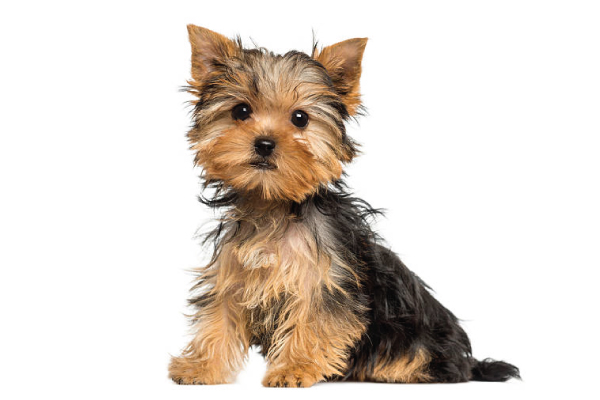
The “show cut” in dog grooming is far more than just a haircut; it’s an art form, a science, and a deep understanding of canine anatomy, breed history, and purpose. It’s about sculpting a living, breathing animal to perfectly align with the written Breed Standard – the blueprint for the ideal specimen of that breed. For newcomers, this realm can seem shrouded in mystery, but with dedication and methodical learning, anyone can begin to master the intricacies of breed-standard grooming.
This comprehensive guide will demystify the show cut, providing a detailed roadmap to understanding and achieving the impeccable finish required for the show ring.
Introduction: The Philosophy of the Show Cut
At its heart, a show cut is about accentuating virtues and minimizing faults in accordance with the Breed Standard. It’s not about making a dog look “pretty” in a generic sense, but about making it look like the ideal representative of its breed. Every snip of the scissor, every stroke of the brush, is done with purpose – to highlight correct angulation, proper head planes, desired coat texture, and overall balance and proportion.
This level of grooming is a partnership between the groomer and the dog, requiring patience, skill, and an unwavering commitment to detail. It’s a journey of continuous learning, observation, and practice.
Section 1: The Foundation – Understanding the Breed Standard
You cannot achieve a show cut without intimately knowing the Breed Standard for your specific dog. This document, published by national kennel clubs (e.g., AKC, FCI, KC), is your ultimate guide.
- Obtain and Study the Standard:
- Download or purchase the official Breed Standard for your dog’s breed.
- Read it repeatedly. Highlight key terms related to conformation, coat type, texture, color, and size.
- Pay close attention to sections describing the head, neck, body, tail, and limbs, as well as gait and temperament.
- Deconstructing the Standard for Grooming Cues:
- Coat Type & Texture: Is it harsh, soft, wiry, silken, profuse, sparse? The standard will dictate. This directly impacts product choice, drying technique, and grooming method (clipping, stripping, scissoring).
- Example: A Poodle Standard will describe a dense, harsh, curly coat. A Maltese Standard will describe a long, silky coat.
- Conformation & Outline: Look for descriptions of topline (level, roached, slight arch), angulation (front and rear), chest depth, tail set, and overall balance. These tell you where to leave coat, where to remove it, and how to sculpt.
- Example: A Kerry Blue Terrier standard describes a well-developed, muscular body with a level topline. Grooming emphasizes this strong, square outline. A Bichon Frise standard describes a rounded appearance, sculpted to look like a powder puff.
- Head & Expression: The standard will describe eye shape, ear set, muzzle length, and skull shape. Grooming around the face is critical for enhancing the breed’s characteristic expression.
- Example: A Schnauzer’s furnishings give it a distinctive “Schnauzer” look. A Westie’s round “chrysanthemum” head.
- Faults vs. Disqualifications: Understanding these helps you identify what not to do or what aspects grooming cannot fix. Grooming can minimize a minor fault, but it cannot correct a major structural flaw or a disqualification.
- Coat Type & Texture: Is it harsh, soft, wiry, silken, profuse, sparse? The standard will dictate. This directly impacts product choice, drying technique, and grooming method (clipping, stripping, scissoring).
- Visualize the Ideal:
- Look at photos and videos of top-winning dogs of your breed.
- Attend dog shows and observe how professional handlers and breeders groom their dogs.
- Study breed-specific grooming guides and diagrams.
- Consider drawing your breed’s skeletal structure and then sketching the ideal coat shape over it. This helps you understand why certain areas are groomed a certain way.
Section 2: Beyond the Basics – Show Grooming vs. Pet Grooming
While both require skill, the philosophy and execution differ significantly:
| Feature | Pet Grooming | Show Grooming |
|---|---|---|
| Purpose | Hygiene, comfort, owner preference, practicality | Adherence to Breed Standard, competitive advantage |
| Precision | Generally functional and aesthetically pleasing | Absolute precision, every hair counts, anatomical correctness |
| Time Investment | 1-4 hours (depending on breed/condition) | 4-10+ hours per groom (initial, weekly, touch-ups) |
| Tools | Good quality, versatile | Specialized, breed-specific, top-tier quality |
| Coat Health | Good general maintenance | Optimal coat texture/condition for the breed, often involves specific products/regimens |
| Technique | Blending, basic shaping, clippering for length | Advanced scissoring, hand-stripping, carding, precise blending, sculpting |
| Dog Comfort | Priority, but also efficiency | Priority, but dog must tolerate lengthy, precise work; training is key |
Section 3: The Essential Arsenal – Tools & Products
Investing in high-quality tools is non-negotiable for show grooming. Cheap tools lead to poor results, coat damage, and frustration.
- Clippers & Blades:
- Professional-Grade Clippers: Corded or cordless, powerful motor. Andis, Oster, Wahl are common brands.
- Blades: A full range of sizes (e.g., #10, #15, #30, #40 for hygiene/pads; specific skip-tooth or finish blades for coat types). Always keep them sharp and cool.
- Snap-on Combs (Guards): For specific lengths, ensure good quality that doesn’t snag.
- Scissors: This is where the artistry happens. Expect to invest heavily.
- Straight Shears: 7-10 inches, for general trimming and creating straight lines.
- Curved Shears: 7-10 inches, essential for round shapes (heads, feet, body curves).
- Thinning Shears (Blenders): Single or double-sided. For blending harsh lines, removing bulk, and adding texture. (e.g., 40-tooth, 23-tooth, chunkers).
- Quality Tip: Look for Japanese steel, ergonomic design, and a sharp, smooth cut. Keep them clean and oiled.
- Brushes & Combs:
- Pin Brush: For longer coats, detangling.
- Slicker Brush: Various firmness, for removing mats, dead undercoat, and fluffing.
- Poodle Comb / Greyhoud Comb: Different tooth spacing for various coat lengths and detangling.
- Dematter/Rake: For heavier coats.
- Bristle Brush: For finishing, smoothing.
- Dryers:
- High-Velocity Force Dryer: Essential for removing water, blowing out undercoat, and straightening/fluffing.
- Stand Dryer: For hands-free drying while brushing.
- Grooming Table:
- A sturdy, adjustable table with a non-slip surface and grooming arm is vital for safety and ergonomics.
- Shampoos & Conditioners:
- Breed-Specific Formulas: Volumizing, texturizing, whitening, clarifying, conditioning.
- Dilution Bottles: For proper product application.
- Styling & Finishing Products:
- Texturizers/Coat Sprays: For enhancing coat type (e.g., harsh coat spray, silk protein spray).
- Chalk/Powder: For adding volume, grip, or whitening.
- Lacquer/Hairspray: For setting topknots or furnishings lightly.
- Ear Cleaner, Nail Clippers/Grinder, Styptic Powder.
- Hand Stripping Tools (for Terriers & Wire-Coated Breeds):
- Stripping Knives: Fine, medium, coarse.
- Pumice Stones, Rubber Finger Cots: For grip.
Section 4: The Grooming Process – A Step-by-Step Methodology
Consistency and a systematic approach are key to perfecting the show cut.
A. Pre-Grooming & Preparation (The Foundation)
- Health Check & Hygiene:
- Inspect skin, coat, ears, eyes, and teeth for any issues. Address them before grooming.
- Clean ears: Use appropriate ear cleaner and cotton balls.
- Trim nails: Use clippers or a grinder. Ensure they are short and tight to the paw.
- Shave pads: Crucial for traction, cleanliness, and highlighting paw structure. Use a #30 or #40 blade.
- Sanitary trim: Use a #10 blade for cleanliness around genitals and anus.
- Pre-Clip/Rough-In (Optional, Breed-Dependent):
- For some breeds (e.g., Poodles, Portuguese Water Dogs), a rough-in clip is done before bathing to remove bulk and set primary lengths. This saves drying time and product.
B. Bathing & Conditioning (The Canvas)
This is one of the most critical steps, directly impacting coat texture and manageability.
- Pre-Brush/Dematt: Thoroughly brush out any mats before bathing. Water tightens mats, making them impossible to remove without damage.
- Shampooing:
- Use a suitable, diluted shampoo. For show dogs, a clarifying shampoo might be used first, followed by a specific texturizing or conditioning shampoo.
- Apply thoroughly, working it down to the skin. Rinse completely. Residue causes skin irritation and dulls the coat.
- Conditioning:
- Apply a diluted conditioner appropriate for the coat type. Some coats (e.g., wire coats) may require minimal conditioner. Others (e.g., flowing coats) need deep conditioning.
- Allow to sit for the recommended time, then rinse completely.
C. Drying (Setting the Texture)
Proper drying is paramount for achieving the correct coat texture and volume.
- Towel Dry: Squeeze out excess water immediately.
- High-Velocity Dryer:
- Use a force dryer to remove 80-90% of the water. This also helps straighten the coat (if desired) and blows out loose undercoat.
- Always dry against the growth of the hair first to lift it, then with the growth to smooth.
- Keep the nozzle moving to avoid “drying spots” and overheating the skin.
- Stand Dryer & Line Drying (for most long/curly coats):
- As the dog dries, use a stand dryer in conjunction with a slicker or pin brush.
- Line Drying: This technique involves systematically drying small sections of hair, brushing from the skin out, layer by layer, until each section is bone dry and perfectly straight/fluffy. This process builds volume and ensures no waves or kinks remain. This is time-consuming but essential for breeds like Poodles, Shih Tzus, Bichons, etc.
D. Initial Sculpting & Roughing-In (The Blueprint)
Once the dog is fully dry and brushed, the actual shaping begins.
- Clippering:
- For breeds that are clipped (e.g., Poodle, Schnauzer, some sporting breeds), use the correct blades and snap-on combs to set the initial length and shape according to the Breed Standard.
- Work systematically, always clipping with the grain of the coat (unless instructed otherwise by the standard).
- Pay attention to the dog’s anatomy underneath – follow the curves and angles of bone and muscle.
- Hand Stripping (for Wire Coats):
- For terriers and other wire-coated breeds, hair is pulled out by hand or with stripping knives to remove the soft undercoat and allow the harsh outer coat to grow in properly. This is crucial for maintaining correct texture and color.
- This requires skill to avoid pain and achieve a “rolling coat” (where hair is always at different stages of growth).
E. Detailing & Finishing (The Masterpiece)
This is where precision scissoring and blending transform the rough shape into the perfect show outline.
- Scissoring:
- Straight Shears: For creating clean, crisp lines (e.g., legs, skirt lines, toplines).
- Curved Shears: For shaping rounded areas (e.g., topknots, feet, chest curves, head shape).
- Thinning Shears/Blenders: Used after initial scissoring to soften harsh lines, blend different lengths, remove bulk, and create natural-looking transitions.
- Focus on Symmetry and Balance: Step back frequently to assess the dog from all angles. Ensure both sides are identical and that the overall outline is balanced.
- Work with Light & Shadow: Grooming can create illusions. Darker areas recede, lighter areas come forward. Use this to enhance correct structure.
- Head & Face: Meticulously sculpt the head to achieve the correct breed expression. This often involves intricate work around the eyes, muzzle, and ears.
- Feet & Legs: Create tight, neat feet (“cat feet” or “hare feet” as per standard) and well-defined legs, emphasizing proper angulation.
- Topline & Tail Set: Sculpt the topline to match the standard (level, roached, etc.) and ensure the tail is set and carried correctly.
- Final Brush & Product Application:
- Give a final thorough brushing.
- Apply minimal, appropriate finishing products (e.g., a light coat spray to reduce static, a touch of chalk for grip or volume). Avoid excessive product that can make the coat feel sticky or look unnatural.
- Check for any stray hairs or unevenness.
Section 5: Mastering Specific Techniques (Examples)
- Scissoring Angles: Always consider the angle of your shears in relation to the dog’s body. For flat surfaces, hold shears parallel. For curves, follow the curve. Practice “flick-scissoring” for soft, natural edges.
- Blending with Thinners: Use thinners to remove the demarcation line between clipped and scissored areas, or to thin out overly dense coat without shortening it. Always cut into the coat, not across it.
- Hand Stripping Rhythm: For wire coats, learn the correct “pull” – you want to remove the dead hair cleanly, not break it. Develop a rolling coat by stripping different sections at different times, ensuring a continuous cycle of tough new hair.
- Building Topknots/Furnishings: Learn how to layer and build up coat for topknots, beards, and leg furnishings, creating the desired volume and shape while maintaining a natural flow.
- Understanding “Balance”: Step back and look at the whole dog. Does the head balance the body? Do the legs balance the body? Are the angles proportionate? A show cut is about creating a harmonious whole.
Section 6: Common Challenges & Troubleshooting
- Matting: Prevention is key. Regular brushing and conditioning are essential. If mats occur, use detangling spray and carefully work them out before bathing.
- Coat Damage/Incorrect Texture: Over-brushing, harsh products, or improper stripping can destroy coat. Consult mentors for correct coat care.
- Dog Temperament: Patience, positive reinforcement, and short, frequent sessions are crucial. A well-socialized dog that is accustomed to being handled will be easier to groom.
- Time Management: Show grooming is time-consuming. Develop a routine (e.g., weekly mini-grooms, monthly full grooms) to stay on top of it.
- Equipment Failure: Always have backup blades and keep tools clean and sharp. Learn basic clipper maintenance.
- Lack of Symmetry: Practice, practice, practice! Use reference points on the dog’s body and step back frequently to view from all angles.
Section 7: Continuous Learning & Resources
- Mentorship: The single most valuable resource is an experienced breeder-groomer of your specific breed. Seek them out, offer to help, and observe their techniques.
- Grooming Seminars & Workshops: Attend events focused on breed-specific grooming.
- Online Resources: Watch videos of top handlers grooming your breed. Join breed-specific grooming forums.
- Practice, Practice, Practice: Start on a clean, well-brushed dog. Don’t be afraid to make mistakes; hair grows back. Use cheap practice hairpieces initially if you’re nervous with scissors.
- Patience & Perseverance: Show grooming takes years to master. Celebrate small victories and learn from every experience.
- Attend Dog Shows: Observe, ask questions (respectfully, when handlers aren’t busy), and see the finished product in person.
Conclusion: The Art of the Show Cut
Demystifying the show cut is about recognizing it as a nuanced craft built upon solid knowledge of the Breed Standard, meticulous technique, and boundless patience. It’s a continuous journey of learning and refinement. By understanding the “why” behind each action, investing in the right tools, and committing to persistent practice, you can transform your dog into a magnificent representation of its breed, proudly showcasing its virtues in the ring. The show cut is not just a haircut; it is a testament to dedication, artistry, and the enduring beauty of purebred dogs.
==============
#ShowCut, #BreedStandardGrooming, #DogShowPrep, #ProfessionalGroomer, #GroomingTips, #CanineStyling, #AKCStandards, #DogGroomingEducation, #GroomingTutorial, #CompetitionGrooming, #DogBreedSpecific, #GroomingLife





Add comment