
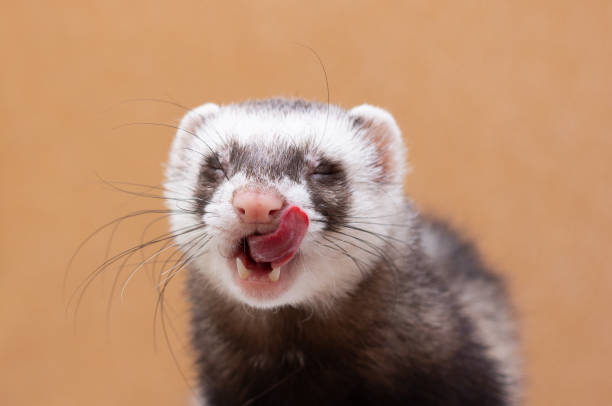
Ferrets (Mustela putorius furo) are obligate carnivores with a short, high‑metabolism digestive system. Their teeth are essential not only for tearing meat but also for maintaining overall health. Dental disease can lead to:
- Pain and behavioral changes – a ferret may become withdrawn, stop playing, or develop aggression due to oral discomfort.
- Weight loss & malnutrition – difficulty chewing reduces food intake, leading to cachexia.
- Systemic infection – bacteria from infected gums can travel to the heart (endocarditis), kidneys, liver, or lungs.
- Reduced lifespan – untreated periodontal disease shortens life expectancy by 1–3 years in the average 5–8‑year lifespan of a domestic ferret.
Because ferrets are small, subtle signs are easily missed. Regular dental evaluation is therefore a cornerstone of responsible ferret ownership.
2. Anatomy of a Ferret’s Mouth
| Structure | Description | Relevance to Dental Care |
|---|---|---|
| Incisors (4‑6 per side) | Small, sharp teeth for grasping prey. | Rarely affected by disease, but can be damaged by trauma. |
| Canines (2 per side) | Long, robust “fangs” for killing prey. | Susceptible to fractures and periodontal disease due to high forces. |
| Premolars & Molars (4‑6 per side) | Broad, flat surfaces for shearing. | Most common sites of plaque accumulation and gingivitis. |
| Periodontal Ligament & Alveolar Bone | Supports teeth, supplies blood vessels & nerves. | Inflammation leads to bone loss (“alveolar bone loss”). |
| Salivary Glands | Produce saliva rich in lysozyme & IgA. | Saliva helps cleanse teeth; reduced flow increases plaque. |
| Tongue & Hard Palate | Muscular platform for grooming and swallowing. | Important in oral hygiene; ferrets use it to self‑clean. |
Understanding this anatomy helps owners and veterinarians target preventive measures more effectively.
3. Common Dental Problems in Ferrets
3.1. Periodontal Disease
- Definition: Inflammatory destruction of the supporting structures of the teeth (gingiva, periodontal ligament, alveolar bone).
- Stages (Adapted from Veterinary Periodontal Classification):
| Stage | Clinical Findings | Typical Progression |
|---|---|---|
| Gingivitis (Mild) | Red, swollen gums; mild bleeding on probing. | May resolve with plaque control. |
| Early Periodontitis | Small periodontal pockets (≤ 2 mm), slight bone loss. | Requires professional cleaning. |
| Moderate Periodontitis | Pockets 3–5 mm, furcation involvement, noticeable bone loss. | Tooth extraction may be needed. |
| Severe/Advanced | Pocket > 5 mm, extensive bone loss, tooth mobility, possible abscess. | Extraction & systemic antibiotics. |
Ferrets develop periodontal disease at a younger age than dogs or cats, often by 3 years.
3.2. Dental Wear & Fracture
- Attrition – normal wear from chewing, can become excessive on malformed occlusion.
- Fracture – can be crown‑only (enamel) or involve the root; often caused by sudden impact (e.g., a hard chew toy) or chronic stress on a weakened tooth.
3.3. Stomatitis & Ulceration
- Fur‑fur (Ferret Upper Respiratory Disease)‐associated stomatitis – secondary infection due to chronic nasal discharge irritating the palate.
- Chemical/thermal burns – ingestion of hot food or caustic substances can cause ulceration.
3.4. Malocclusion & Tooth Malformation
- Malocclusion – misalignment leading to abnormal wear, traumatic gingival injury, or difficulty closing the mouth.
- Supernumerary or missing teeth – congenital anomalies that may affect chewing efficiency.
4. Causes & Risk Factors
| Category | Specific Factor | How It Contributes |
|---|---|---|
| Dietary | High‑carbohydrate kibble, sugary treats | Promotes plaque formation; ferrets lack amylase, so carbs linger in the mouth. |
| Dental Hygiene | Lack of regular brushing, no dental chews | Plaque biofilm matures into calculus, harboring anaerobes. |
| Genetics | Breed‑related predisposition (e.g., Satin ferrets) | May affect enamel strength or gum architecture. |
| Age | > 2 years | Immune function declines, cumulative plaque load rises. |
| Systemic Illness | Diabetes mellitus, adrenal disease (hyperadrenocorticism) | Impairs vascular supply, reduces healing, and increases infection risk. |
| Oral Trauma | Rough play, aggressive chewing of hard objects | Directly damages enamel and periodontal ligament. |
| Stress | Environmental changes, overcrowding | Elevates cortisol, suppressing immune response and increasing bacterial growth. |
5. Signs & Symptoms to Watch For
| Symptom | What It May Indicate | Owner Observation Tips |
|---|---|---|
| Bad breath (halitosis) | Early plaque, gingivitis, or infection | Smell the ferret’s mouth after a quiet period; not just “musty” from scent glands. |
| Drooling or excessive salivation | Oral ulceration, pain, or obstruction | Note if saliva is clear vs. blood‑stained. |
| Reduced appetite or nibbling | Dental pain, difficulty chewing | Weigh the ferret weekly; a 5‑10 % drop warrants investigation. |
| Visible tartar or discoloration | Plaque calcification | Use a small flashlight; healthy gums are pink, not red or grey. |
| Bleeding gums | Advanced gingivitis or periodontitis | May appear when the ferret opens its mouth widely. |
| Swelling of the face or jaw | Abscess, cellulitis, or bone infection | Palpate gently; pain on touch is a red flag. |
| Changes in behavior (irritability, hiding, vocalizing when feeding) | Painful oral disease | Document any new vocalizations or “pained” chewing sounds. |
| Tooth loss or mobility | Advanced periodontal disease | Observe if the ferret can close its mouth fully; loose teeth may wobble. |
Early detection is critical; many signs are subtle, especially in stoic ferrets.
6. Diagnosing Dental Disease
- Physical Examination
- Visual inspection of teeth and gums using a bright, focused light and a mouth speculum (a small, soft “spoon” instrument).
- Palpation of the alveolar bone for crepitus or swelling.
- Dental Probing (performed only by a qualified veterinarian)
- Thin, sterile probe inserted gently into the gingival sulcus to measure pocket depth.
- Radiography (Dental X‑rays)
- Intra‑oral or orthogonal views reveal bone loss, root fractures, and hidden calculus.
- Cone‑beam CT (where available) provides 3‑D visualization, especially helpful for complex malocclusion.
- Sedation or General Anesthesia
- Required for thorough cleaning, radiographs, and any invasive treatment.
- Laboratory Testing (if systemic infection suspected)
- CBC & Chemistry Panel – to assess leukocytosis, anemia, or organ involvement.
- Blood culture or oral swab – to identify specific pathogens (e.g., Pasteurella, Streptococcus spp.).
- Biopsy/Histopathology (rare, for suspicious masses)
A comprehensive dental work‑up should be part of the annual health exam for ferrets over 1 year of age.
7. Treatment Options
| Treatment | Indication | Procedure Overview | Post‑Treatment Care |
|---|---|---|---|
| Professional Dental Scaling & Polishing | Plaque & calculus up to moderate periodontitis | Ultrasonic scaler under anesthesia removes biofilm; polishing reduces future plaque adherence. | Analgesics (e.g., buprenorphine) for 24‑48 h; soft diet for 2‑3 days. |
| Full‑Mouth Prophylaxis (Cleaning + Extraction) | Advanced periodontitis, loose or fractured teeth | Extraction of hopeless teeth, alveolar bone curettage, and socket irrigation. | Antibiotic course (e.g., amoxicillin‑clavulanate 10 mg/kg BID for 7 days); monitor for bleeding. |
| Root Canal Therapy | Endodontic infection with a viable tooth | Removal of pulp tissue, canal cleaning, and filling with a biocompatible material. | Limited to specialist practices; follow‑up radiographs at 4‑6 weeks. |
| Periodontal Surgery (Flap Procedure) | Deep pockets > 5 mm, furcation involvement | Soft tissue flap to access and debride deep pockets, followed by suture closure. | Soft diet, oral rinse (chlorhexidine 0.12%) twice daily for 7 days. |
| Antimicrobial Therapy | Acute infection or post‑surgical prophylaxis | Systemic antibiotics based on culture; topical chlorhexidine rinse may be added. | Ensure full course; avoid abrupt discontinuation. |
| Pain Management | All invasive procedures | NSAIDs (e.g., meloxicam) or opioids (e.g., buprenorphine). | Adjust dosage for renal/hepatic status; monitor for side effects. |
| Dietary Modification | Prevention & adjunct to treatment | High‑protein, low‑carbohydrate, moist foods to reduce plaque. | Gradual transition to prevent GI upset. |
| Home Dental Care (Brushing, Chews) | Maintenance after professional care | Daily brushing with ferret‑safe toothpaste; dental chew treats 2‑3×/week. | Reinforce positive association with treats and praise. |
Success Rates: When performed early, scaling and polishing can reverse gingivitis in > 80 % of cases. Extraction of severely diseased teeth resolves pain in > 95 % of ferrets. However, chronic systemic infection may have a guarded prognosis despite dental intervention.
8. Prognosis, Complications & Long‑Term Outlook
| Condition | Expected Prognosis | Potential Complications |
|---|---|---|
| Mild Gingivitis | Excellent; resolves with proper hygiene. | Recurrence if oral care lapses. |
| Moderate Periodontitis | Good if treated promptly (scaling + antibiotics). | Possible progression to tooth loss. |
| Severe Periodontitis / Tooth Loss | Fair; pain relief achievable, but risk of systemic spread. | Endocarditis, osteomyelitis, chronic renal disease from bacteremia. |
| Dental Fracture (Crown Only) | Good; can be restored with composite resin (rare). | Pulp exposure → infection → need for extraction. |
| Root Fracture | Guarded; often requires extraction. | Persistent infection, fistula formation. |
| Malocclusion | Variable; corrective orthodontics rarely performed in ferrets. | Excessive wear, secondary infection, difficulty eating. |
| Stomatitis | Poor if underlying cause (e.g., chronic URD) persists. | Weight loss, severe pain, possible need for extensive surgery. |
Long‑Term Outlook: With diligent home care (brushing 5‑7 days/week, quarterly veterinary dental exams, and a low‑carb diet), many ferrets enjoy a dental‑healthy life well into their ninth or tenth year. The biggest predictor of longevity is early detection combined with consistent preventive care.
9. Prevention & Home‑Care (Including Brushing)
9.1. Why Brushing Works
- Mechanical disruption of the plaque biofilm prevents bacterial colonization.
- Daily contact reduces calculus formation, keeping gingiva healthy.
9.2. Choosing the Right Tools
| Item | Recommended Specification | Reason |
|---|---|---|
| Toothbrush | Small, soft‑bristled (e.g., baby toothbrush or fingertip brush, 0.5 cm head). | Fits ferret’s tiny mouth without damaging gums. |
| Toothpaste | Enzyme‑based, flavorless or mild meat‑flavored, never human fluoride toothpaste. | Safe if swallowed; enzymes (e.g., lactoperoxidase) break down plaque. |
| Mouthwash (Optional) | Chlorhexidine 0.12 % diluted 1:5 with water, administered via syringe. | Antimicrobial boost, but limited to short‑term use to avoid staining. |
9.3. Step‑by‑Step Brushing Protocol
- Acclimation (Week 1–2)
- Day 1–3: Allow the ferret to sniff and lick the toothbrush and a dab of toothpaste. Reward with a favorite treat.
- Day 4–7: Gently hold the ferret’s head while you rub the bristles on the outer cheek and gums (no pressure).
- First Brushing Session (Week 3)
- Position: Secure the ferret on your lap or a non‑slippery surface. Use a towel to gently wrap the body, leaving the head exposed.
- Technique: Place a pea‑sized amount of toothpaste on the brush. Start at the outside (labial) surfaces of the incisors and canines, moving in short, gentle strokes (2‑3 seconds per tooth).
- Progression: After 2‑3 days, add the premolars & molars (inner surfaces are harder to access but still important).
- Daily Routine (Weeks 4+ )
- Duration: 30–45 seconds total; aim for all visible teeth.
- Frequency: Ideally once per day; minimum 5‑7 times per week.
- Positive Reinforcement: Offer a small treat immediately after brushing; use a calm, soothing voice.
9.4. Complementary Preventive Measures
- Dental Chews: Ferret‑specific, low‑calorie, high‑protein chews (e.g., freeze‑dried chicken strips) can provide mechanical cleaning. Avoid hard toys that may cause fractures.
- Water Additives: Commercial oral‑care water additives (e.g., Nylabone Dental Water Gel) can reduce bacterial load when mixed with fresh drinking water. Use sparingly to avoid GI upset.
- Regular Vet Exams: Schedule annual dental checks after the first year, and bi‑annual if the ferret has a history of periodontal disease.
- Environmental Hygiene: Clean food bowls, water dispensers, and cages regularly to limit bacterial exposure.
10. Nutrition & Dietary Recommendations
| Nutrient | Ideal Target for Ferrets | Why It Matters for Dental Health |
|---|---|---|
| Protein | ≥ 30 % of kcal (animal‑based, high‑quality) | Provides essential amino acids for enamel formation and gum tissue maintenance. |
| Fat | 15‑20 % of kcal (omega‑3 fatty acids) | Supports anti‑inflammatory pathways, reducing gingival inflammation. |
| Carbohydrate | ≤ 5 % of kcal (minimal) | Ferrets lack salivary amylase; carbs remain in the mouth, fostering plaque. |
| Fiber | Very low (ferrets have short GI tract) | Excess fiber can cause soft stools, but a small amount of pre‑biotic fiber (e.g., inulin) may support gut health without compromising oral hygiene. |
| Vitamins/Minerals | Vitamin C (antioxidant), Calcium & Phosphorus (enamel mineralization) | Deficiencies can lead to weaker enamel and slower healing. |
Sample Daily Menu (≈ 250‑300 kcal)
| Meal | Component | Portion | Reason |
|---|---|---|---|
| Breakfast | Raw or frozen‑thawed whole prey (e.g., mouse, quail) | 1 – 2 oz | High protein, natural chewing surface for plaque removal. |
| Mid‑day | Commercial Ferret Formula (high‑protein, low‑carb, grain‑free) | 1 – 1.5 oz | Balanced nutrient base; ensures vitamin/mineral adequacy. |
| Evening | Moist “Dental” Treat (freeze‑dried chicken strips, low‑calorie) | 0.5 oz | Mechanical cleaning; keeps mouth moist. |
| Water | Fresh, clean water (plus occasional oral‑care additive) | Ad libitum | Hydration supports saliva production. |
Feeding Tips to Reduce Dental Risk
- Avoid dry kibble or any high‑carb “pellet” diets.
- Serve meals at regular intervals (2‑3 times per day) to stimulate salivation.
- Warm (room‑temperature) foods are easier to chew and reduce gagging.
- Rotate protein sources (chicken, rabbit, turkey, fish) to provide a variety of textures and nutrients.
11. Zoonotic Risks & Owner Safety
While most ferret oral bacteria are species‑specific, certain pathogens can transmit to humans, especially immunocompromised individuals.
| Zoonotic Agent | Transmission Route | Clinical Relevance to Humans | Prevention Measures |
|---|---|---|---|
| Pasteurella multocida | Bite, scratch, or contact with saliva | Skin/soft‑tissue infection, rarely respiratory disease | Wear gloves when handling a ferret with visible oral lesions; wash hands thoroughly. |
| Staphylococcus aureus (MRSA) | Direct contact with infected wounds or saliva | Skin infections, pneumonia | Keep ferret’s living area clean; avoid licking faces. |
| Salmonella spp. | Fecal‑oral, but can be present in oral cavity | Gastroenteritis | Practice strict hand‑washing after cleaning cages or handling food. |
| Ringworm (Microsporum canis) | Contact with fur or saliva containing spores | Dermatophytosis (skin rash) | Regular bathing (if tolerated) and environmental disinfection. |
| Campylobacter | Fecal‑oral, possible oral carriage | Diarrheal illness | Same hygiene steps as above. |
Key Owner Practices
- Hand Hygiene: Wash hands with soap for at least 20 seconds after any interaction with the ferret’s mouth, after cleaning cages, or after touching dental supplies.
- Protective Gear: Use disposable nitrile gloves when performing home dental care on a ferret with known oral disease.
- Cleaning Instruments: Autoclave or soak brushes in a 10 % bleach solution for 10 minutes before reuse.
- Vaccination & Health Checks: Keep your own vaccinations (e.g., tetanus, hepatitis B) up‑to‑date; consult a physician if you develop unexplained skin lesions after handling your ferret.
12. Putting It All Together: A Practical Dental‑Care Checklist
| Frequency | Action | Details |
|---|---|---|
| Daily | Tooth brushing | 30‑45 seconds, all visible surfaces; use ferret‑safe toothpaste. |
| 3× / week | Dental chew treat | Provide a moist, high‑protein chew to aid mechanical cleaning. |
| Weekly | Oral visual inspection | Look for redness, tartar, missing teeth; note any changes. |
| Monthly | Mouth rinse (optional) | Diluted chlorhexidine (0.12 %) – 1 ml applied with a syringe, no swish. |
| Quarterly | Weight & appetite monitoring | Weigh ferret; ensure consistent food intake. |
| Annually | Veterinary dental exam & cleaning | Full oral exam, scaling, radiographs if needed. |
| Bi‑annually (if high risk) | Professional cleaning under anesthesia | Especially for ferrets > 2 years or with prior disease. |
Emergency Signs (Call Vet Immediately)
- Sudden swelling or bleeding in the mouth.
- Inability or reluctance to eat.
- Excessive drooling with foul odor.
- Visible broken tooth with exposed pulp.
13. Frequently Asked Questions (FAQ)
| Question | Answer |
|---|---|
| Can I use regular human toothpaste? | No. Human toothpaste contains fluoride and detergents that can be toxic if swallowed. Use a veterinarian‑approved, enzyme‑based pet toothpaste. |
| How long should a ferret be under anesthesia for a dental cleaning? | Typically 15‑30 minutes of operative time, plus induction and recovery (total 45‑90 minutes). Modern anesthetic protocols are safe for healthy ferrets, but pre‑anesthetic blood work is recommended. |
| Will my ferret accept brushing? | Most ferrets can be trained with gradual desensitization and positive reinforcement. Patience (2‑4 weeks) is key. |
| Are there any “natural” remedies for bad breath? | Coconut oil or a few drops of clove oil are occasionally used by owners, but there is no scientific evidence for efficacy and they may irritate the mucosa. Stick to proven veterinary‑approved products. |
| Is it okay to give my ferret a raw bone for dental health? | Raw bones can splinter and cause tooth fractures or GI perforation. Avoid bones; opt for ferret‑specific chew treats instead. |
| What is the best way to handle a ferret that resists brushing? | 1) Use a finger brush (soft silicone finger cover) for a more “hand‑like” feel. 2) Perform brushing in short sessions (10 seconds) and gradually increase. 3) Reward immediately with a high‑value treat. |
| Can dental disease affect my ferret’s adrenal gland disease (AD/PD)? | Yes. Chronic inflammation can exacerbate stress hormones, potentially worsening adrenal disease. Good oral health may help keep adrenal disease more stable. |
| Do ferrets need fluoride? | No. Ferrets do not benefit from fluoride; their enamel is naturally thin and can be damaged by excessive fluoride exposure. |
| How often should I replace the toothbrush? | Every 2‑3 weeks or sooner if bristles become frayed. Disposable fingertip brushes are a convenient alternative. |
#FerretDentalCare, #FerretHealth, #PetDentalHealth, #FerretLife, #SmallPetCare, #DentalHygiene, #VetTips, #FerretOwner, #FerretLove, #DentalCareGuide, #FerretNutrition, #HealthyFerret, #FerretWellness, #FerretDentalCheck, #FerretBrushing, #PetSafety, #ZoonoticAwareness, #FerretDentalProblems, #FerretDentalCleaning, #FerretDentalTreatment, #FerretDentalPrevention, #FerretDentalPrognosis, #FerretDentalComplications, #FerretDentalExam, #FerretDentalXray, #FerretDentalSurgery, #FerretDentalHealth, #FerretDiet, #FerretCareTips, #FerretLifestyle, #FerretCommunity, #FerretFamily


Add comment