
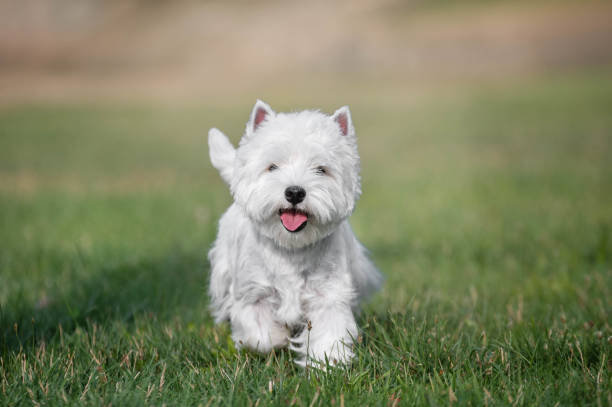
The introduction of a new baby is one of the most profound shifts a dog will ever experience. For years, the dog has enjoyed a predictable routine and primary access to the owners’ attention and resources. The arrival of a loud, unpredictable, highly fragrant, and attention-demanding creature can be confusing, stressful, and, if managed incorrectly, potentially dangerous.
Preparation is not just about teaching a dog manners; it is about systematically changing the dog’s emotional association with the baby from one of confusion or anxiety to one of positive anticipation and neutrality. This guide provides a detailed, phased approach utilizing positive reinforcement, counter-conditioning, and management techniques to ensure the safety and well-being of both your dog and your child.
PART I: THE FOUNDATION – BEHAVIORAL AND ENVIRONMENTAL PREPARATION (6-12 MONTHS AHEAD)
Successful introductions rely entirely on a stable behavioral foundation. If the dog has existing anxiety, resource guarding, or reactivity issues, those must be addressed before the baby arrives.
1. Establishing Unshakable Obedience and Impulse Control
All desensitization techniques are built on the premise that the dog can maintain self-control in the presence of novel stimuli.
| Command | Why It Is Crucial | Training Focus |
|---|---|---|
| Settle/Place | Teaches the dog to relax on a designated spot (mat, bed) for extended periods, even during household chaos. This is invaluable when feeding the baby or having visitors. | Duration and distraction proofing. Reward heavily for stillness. |
| Leave It | Necessary for preventing mouth contact with baby items (diapers, toys, clothes) and, eventually, the baby itself. | Practice with low-value items (food) and escalate to high-value items (baby socks, pacifiers). |
| Recall (Come) | Ensures the dog can be instantly retrieved from any situation, providing a critical safety brake. | Must be 100% reliable, practiced with high-level distractions. |
| Wait/Stay | Used for managing doorways, particularly when entering or leaving rooms where the baby is present, preventing the dog from rushing. | Proofing the stay while the handler moves away, returns, and handles significant distractions. |
2. Preparing for Decreased Attention
The biggest stressor for many dogs is the sudden and drastic reduction in owner availability.
- Attention Budgeting: Several months before the due date, begin decreasing the amount of free, unstructured attention the dog receives. Shift attention to “on-demand” interactions (e.g., training sessions, focused walks) rather than constant availability (e.g., petting the dog anytime they nudge you).
- Enrichment Training: Teach the dog to enjoy independent activities. Introduce high-value chew items (Kongs, bully sticks) that are only given while you are otherwise occupied (e.g., sitting on the couch while watching TV, or even simulating rocking a baby doll). This teaches the dog that your distraction equals a great reward for them.
3. Creating Safe Zones and Management Tools
The dog needs a sanctuary where they can retreat and be undisturbed.
- The Safe Haven: This should be the dog’s crate, mat, or a specific room. It must be a positive place, associated with chews and rest, never used for punishment.
- Physical Barriers: Install baby gates far in advance. Dogs must learn that gates are normal parts of the environment. Gates allow the dog to observe the baby’s activities from a safe, non-punitive distance (visual access without physical access).
- Leash Management: Practice having the dog on a leash inside the house. This is crucial for initial introductions and managing unexpected moments when tired parents need instant control.
PART II: SENSORY DESENSITIZATION – BABY SOUNDS, SMELLS & SIGHTS (3-6 MONTHS AHEAD)
The goal of desensitization (or systematic desensitization) and counter-conditioning is to change the dog’s emotional response to the baby’s stimuli from negative/anxious/aroused to neutral or positive (excitement for a reward).
Phase 1: Auditory Desensitization (Sounds)
Baby sounds are sharp, unpredictable, and often high-pitched, which can be highly alerting or stressful for dogs with sensitive hearing.
A. Utilizing Baby Sound Tracks
- Selection: Find high-quality recordings of a variety of baby sounds: soft coos, whimpers, vigorous crying, screams, hiccups, and gurgles.
- Starting Below Threshold: Begin playing the sounds at an extremely low volume—so low that the dog barely notices or registers no alert behavior (no ear flicks, head turns, or signs of tension).
- Counter-Conditioning: The moment the sound begins, immediately dispense a high-value, lasting reward (e.g., cooked chicken, peanut butter Kong). The dog should think: “Baby sound = Delicious thing happens.”
- Rule of Association: The reward only appears when the sound is present and disappears when the sound stops.
- Gradual Escalation: Over several weeks, slowly increase the volume. If the dog stops eating, freezes, or exhibits stress signals (lip-licking, panting, yawning), you have jumped the volume too high. Return to the previous successful volume level.
- Location Practice: Play the sounds from different rooms, behind closed doors, and in various contexts (during feeding time, during playtime) to generalize the positive association.
B. Introducing New Household Noises
The baby introduces new mechanical noises: swing motors, mobiles, vibrating bouncers, and white noise machines. Introduce these objects and operate them randomly, pairing their use with rewards.
Phase 2: Olfactory Desensitization (Smells)
Dogs navigate the world primarily through scent. The baby brings a complex array of new chemicals and smells (lotion, formula/milk, powders, dirty diapers).
- Product Blitz: Start using all baby products (shampoo, soap, lotion) on yourself months in advance. The dog should associate these scents with their primary source of attention (you).
- Laundry Preparation: Begin washing the dog’s bedding, your clothes, and soon-to-be baby items with the chosen baby laundry detergent. Normalizing the scent profile is key.
- The “Diaper Game”: Dirty diaper smell is powerful. Place a small amount of strong-smelling item (e.g., highly scented lotion, a dab of baby food) on a clean, unused diaper. Place the diaper out of reach or behind a gate. Reward the dog for calm awareness (not investigating intensely) or for performing a “Leave It.”
Phase 3: Visual and Tactile Desensitization (Sights & Equipment)
The sheer volume of new visual clutter—strollers, cribs, high chairs—can be alarming. These items change the landscape, limiting movement and hiding potential threats (in the dog’s mind).
- Introducing Equipment Slowly: Set up the crib, changing table, and swing one item at a time, several weeks apart.
- Equipment Neutrality: Use the equipment as a cue for high-value rewards.
- Example: When the stroller is rolled into the room, toss a handful of treats on the floor. When the high chair is assembled, give the dog a chew.
- The “Stroller Walk”: Practice walking the dog next to the empty stroller. Use a short leash and insist on loose-leash walking, rewarding the dog for maintaining position, ignoring the wheels, and not bumping the frame. This prepares the dog for walks where you must manage a stroller and a dog simultaneously.
- Handling Simulation: If the dog is sensitive to handling, introduce handling rituals that mimic the awkward positions parents must assume when holding a baby. Practice having people approach you while you are holding a baby doll, ensuring the dog remains calm and respects personal space.
Phase 4: Movement and Boundary Training
As the baby grows, their movements become the most unpredictable (and potentially frightening/arousing) stimuli for a dog.
- The Crawling Simulation: Practice having a partner crawl around the floor, imitating the erratic movements and sounds of a mobile baby.
- Initially, keep the dog confined behind a gate while rewarding them for observing the crawling calmly.
- Progress to walking the dog on a leash while the partner crawls, rewarding the dog for maintaining eye contact with the handler rather than fixating on the crawler.
- The Drop Simulation: Babies drop things—toys, food, pacifiers. Practice the Leave It command specifically for dropped items. The dog must learn that anything that hits the floor near the baby is off-limits.
- Respecting the Nursery: The dog should associate the nursery with calm, supervised visits, or preferably, quiet time outside the door. Utilize baby gates to prevent free access. When the dog is allowed in, they must perform a calm ‘Settle’ command.
PART III: THE ARRIVAL – STRATEGY FOR THE FIRST SCENT TRANSFER
The transition from hospital to home requires a deliberate, staged re-entry plan designed to manage the dog’s excitement and anxiety.
1. Preparation While at the Hospital
While the dog is being cared for by friends or sitters, maintain as much of the dog’s routine as possible to minimize anxiety caused by the disruption.
2. The Scent Transfer Protocol
Scent introduction must precede the visual introduction.
- Scent Collection: Before bringing the baby home, send a blanket, hat, or item of clothing that the baby has worn and is soaked in their scent back to the house.
- Initial Sniff Test: Present the item to the dog in a calm, neutral environment (e.g., the living room, not the front door).
- Positive Association: Allow the dog a brief, supervised sniff. The moment the nose comes off the object, reward heavily. The goal is neutrality—the dog should realize the scent is present but irrelevant to their well-being. Do not allow the dog to chew or play with the item.
- Acclimation: Place the scented item in the dog’s safe zone (crate or bed) for a few hours, allowing them to acclimate to the smell in their private space.
3. The Grand Re-entry
The dog’s first interaction must be with the returning adult who does not have the baby.
- The “Dog Moment”: The adult parent who was separated from the dog should enter the home first, without the baby. This is the dog’s opportunity for an excited, attention-filled reunion. Get the dog’s initial high energy dissipated through a walk or a brief play session.
- Establishing Calm: Once the dog is settled (e.g., on their ‘Place’ or leash-managed in a separate room), the second adult can enter with the baby.
PART IV: THE INTRODUCTION PROTOCOL – THE BIG MOMENT
The initial meeting must be structured, controlled, and brief. The focus is on ensuring the dog remains calm and views the baby as a gentle source of positive things—not a source of stress or competition.
1. Environmental Control
- Location: A neutral, communal area (like the living room), but not a high-traffic or stressful zone (like a narrow hallway).
- Management: The dog must be on a leash, held by a calm, non-baby-holding adult. The dog wears a harness, not just a collar, for better control.
2. The Initial Meeting (The No-Pressure Rule)
- Distance: The baby should be held by the parent, sitting comfortably on a chair or couch. The dog remains 10–15 feet away initially.
- Observational Reward: The handler gives the dog continuous, high-value treats for any voluntary calm behavior: sitting, lying down, looking at the handler, or just calm observation of the baby.
- Crucial: Do not attempt to force the dog to look at the baby. Reward the dog for looking away from the baby (a sign of reduced anxiety).
- Moving Closer: If the dog remains relaxed for several minutes, the handler can slowly reduce the distance, perhaps moving five feet closer. Continue rewarding heavily.
- The Sniff: If the dog remains calm, they may be allowed a brief, controlled sniff. The baby must remain in the parent’s arms. The dog should only be allowed to sniff the baby’s feet or back, where the scent is less intense and there is less movement. Do not allow sniffing of the baby’s face.
- Stop Before Stress: Always end the introduction on a high note, before the dog becomes overwhelmed, aroused, or anxious.
3. Managing the First Few Weeks
The first month is about consistency and association building.
- The “Paycheck” System: For every event involving the baby (feeding, rocking, changing), the dog should receive a high-value payment (a Kong, a favorite chew, a focused three-minute training session). The absence of the baby should not be the only time the dog gets attention.
- Active Supervision: Never leave the baby and dog in the same room unattended, even for a second, even if the dog is crated and the baby is in the crib. Accidents happen fast.
- Training during Baby Time: Use the moments when you are busy with the baby (e.g., nursing) to practice the “Settle” command. The dog learns that quiet time near the baby leads to proximity and rewards.
- Avoiding Punishment: Never scold or punish the dog for curiosity, barking, or nervousness near the baby. Punishment only heightens anxiety and creates a negative association between the baby’s presence and unpleasant experiences. If the dog is aroused, use management (leash, gate) to calmly increase the distance.
PART V: ONGOING MANAGEMENT AND SAFETY – LONG-TERM HARMONY
Safety management tools and understanding canine body language are non-negotiable for the cohabitation of dogs and children.
1. The Supervise, Separate, and Train Mandate
- Supervision: The only acceptable supervision is active, involved, and within arm’s reach. Distracted supervision (checking texts, watching TV) is not supervision.
- Separation: When active supervision is not possible (e.g., you are showering, sleeping, or running a quick errand), separate the dog and baby using crates, gates, or closed doors.
- Training: Ongoing training ensures the dog’s skills remain sharp despite reduced owner time and increased distraction.
2. Teaching the Child Respectful Interactions (As the Child Grows)
As the baby becomes a toddler, the risk shifts, as the child now poses a threat to the dog’s safety and resources.
- No Free Petting: Teach the “Consent Test” – only pet the dog if they willingly approach you.
- Boundary Training: Teach the child the dog’s safe zone (crate/bed) is sacred space—never to be entered or disturbed.
- “Muzzle Up”: Teach the child to avoid high-risk areas: the dog’s face, ears, tail, and food bowl.
- The “Pet the Dog” Rule: Teach children to pet dogs only on the back or shoulder, using “pet, pull away, pet, pull away” to prevent intense, prolonged gripping that often triggers a negative reaction.
3. Recognizing the Canine Ladder of Aggression
Dog bites almost never occur without warning. They are the final warning sign on a ladder of increasing stress. Parents must learn to spot these subtle signals immediately.
| Level | Signal (Low Stress) | Signal (High Stress/Warning) | Action Required |
|---|---|---|---|
| Beginning | Lip licking, yawning (out of context), blinking slowly, averted gaze (refusing eye contact). | Immediately increase distance. Reward the dog for moving away willingly. | |
| Mid-Level | Head turning (turning away from the baby), ‘whale eye’ (showing the whites of the eyes), low body posture, tail tucked, rigid stillness (freezing). | Immediately remove the dog from the situation and let them decompress in their safe space. | |
| High Threat | Growling (the most important warning—never punish a growl), snapping (air-snapping), raised hackles. | Immediate separation and consultation with a certified professional behaviorist (DACVB or IAABC). |
PART VI: TROUBLESHOOTING AND WHEN TO SEEK PROFESSIONAL HELP
Despite diligent preparation, issues may arise. Understanding the difference between normal adjustment stress and clinical behavior problems is vital.
1. Common Adjustment Issues
- Attention Seeking: Increased barking, destructive chewing, or inappropriate elimination, often occurring when the parents are holding the baby.
- Solution: Ignore the attention-seeking behavior and reward the dog immediately when they switch to a calm, appropriate behavior (like lying down). Ensure daily physical and mental exercise needs are still met.
- Regressive Behavior: Suddenly forgetting trained commands or having housebreaking accidents.
- Solution: This is stress-related. Go back to basics—short, frequent training sessions with high reward. Increase the dog’s feeling of predictability and security.
- Displacement Behaviors: Excessive self-grooming, pacing, or obsessive toy carrying.
- Solution: These are signs of anxiety. Identify the trigger (e.g., the sound of the baby fussing) and return to aggressive counter-conditioning training for that specific stimulus.
2. When to Call a Certified Professional
It is imperative to seek help immediately if you observe any of the following:
- Growling or Snapping: If the dog growls, lunges, or snaps (even if it doesn’t make contact) at the baby, family member, or sitter in connection with the baby, stop all DIY training immediately. This requires intervention from a Certified Professional Dog Trainer (CPDT-KA) specializing in family integration or a Veterinary Behaviorist (DACVB).
- Resource Guarding: If the dog guards baby items (a dropped pacifier, a burp cloth) or guards the parents/furniture when the baby is present.
- Persistent Hyper-Arousal: If the dog cannot calm down, is constantly pacing, panting, or fixating on the baby despite weeks of desensitization training.
- Fearful Avoidance: If the dog hides consistently and refuses to engage, indicating significant distress and a potential breakdown of the human-animal bond.
Do not attempt to address aggression using punishment, dominance theory, or techniques that involve forcing the dog to be near the baby (flooding). The safety of the child must be the priority, and professional, force-free intervention ensures the underlying emotional state is treated, rather than just suppressing the symptom.
Conclusion
Integrating a dog into a family with a new baby is a marathon, not a sprint. It demands patience, consistency, and above all, commitment to structured management and positive reinforcement training. By dedicating time to sensory desensitization and establishing clear boundaries well in advance, you are laying the groundwork for a safe, loving, and harmonious relationship between your cherished canine companion and your new child.
#DogMeetsBaby #BabySafetyTraining #HowToIntroduceDogToBaby #PuppyPrep #DogBehavioralTraining #SafeDogKids #NewBabyDogAdvice #DesensitizingPets #DogHomeSecurity #DogAndBabyPrep #NewbornSafety #BabyReadyDog #CanineFamilyGuide #DogTrainingTips #PetSafety #PositiveReinforcement #DogDesensitization #ExpectingParents #DogLife #FurryFirstSibling






Add comment