
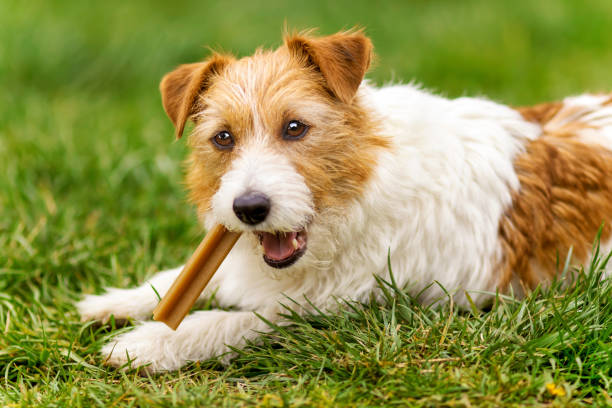
It’s fantastic that you’re thinking about desensitizing your puppy to brushing and combing early on! This is a crucial step in puppy training that sets the foundation for a lifetime of comfortable grooming. A positive grooming experience not only makes your life easier but also contributes to your puppy’s overall well-being by helping them stay healthy and clean.
This comprehensive guide will walk you through the process, from understanding the “why” to the step-by-step “how,” along with troubleshooting tips and advanced strategies.
Desensitizing Your Puppy to Brushing & Combing: A Comprehensive Guide
I. Why is Desensitization So Important?
Puppies, like any young animal, can be wary of new sensations and tools. Brushing and combing can feel strange, intrusive, or even scary to them.
- Early Positive Association: Introducing grooming tools and the act of being brushed gently and positively from a young age prevents the development of fear or anxiety around it.
- Preventing Matting and Skin Issues: Regular brushing helps remove loose fur, prevent painful mats, distribute natural oils, and allows you to check for fleas, ticks, or skin abnormalities.
- Bonding Opportunity: Gentle grooming can be a wonderful way to bond with your puppy, strengthening your relationship through positive touch and interaction.
- Health and Hygiene: It’s essential for maintaining a healthy coat and skin, preventing discomfort, and identifying potential health concerns early.
- Future Grooming: A puppy accustomed to brushing will be much easier to handle during professional grooming appointments, reducing stress for both the puppy and the groomer.
II. Essential Tools for Puppy Grooming Desensitization
Before you begin, gather the right tools. The key here is gentleness and appropriateness for your puppy’s fur type.
- Soft-Bristled Brush: Start with a brush that is very soft and won’t pull your puppy’s fur. A baby brush or a very soft slicker brush can be good options.
- Fine-Tooth Comb: For checking for tangles and mats, especially in longer-haired breeds. Ensure the teeth are not sharp.
- Grooming Glove (Optional but Recommended): These silicone or rubber gloves with nubs can be a great starting point as they mimic petting and feel less like a foreign object.
- High-Value Treats: Small, delicious treats that your puppy absolutely loves. Think tiny pieces of cooked chicken, cheese, or special puppy training treats.
- Positive Reinforcement: Your praise and gentle demeanor are crucial motivators.
III. The Desensitization Process: Step-by-Step
The core principle of desensitization is gradual exposure and positive reinforcement. You want your puppy to associate the brush and the act of brushing with good things.
Phase 1: Introduction to the Tool (No Touching Yet)
- Show the Brush: Simply place the brush where your puppy can see it. Let them sniff it.
- Pair with Treats: As soon as your puppy shows curiosity (sniffs, looks at it) or indifference (ignores it), offer a high-value treat and praise.
- Leave it Out: Leave the brush in a common area where your puppy can investigate it on their own terms. If they investigate it without fear, reward them.
- Associate with Good Things: Place the brush near their food bowl (not in it!) or their favorite toys. The goal is for them to see the brush and think “good things happen.”
Phase 2: Gentle Touch with the Tool (Without Brushing)
- Hold the Brush: Pick up the brush. If your puppy shows any apprehension, go back to Phase 1. If they are relaxed, give them a treat and praise.
- Touch Puppy with the Brush (No Fur Movement): Gently touch your puppy’s body with the back of the brush or the handle, where there are no bristles. Do this for a second or two, then immediately give a treat and praise.
- Gradually Increase Duration: Slowly increase the time you are touching them with the brush. Keep sessions very short (a few seconds) and always end on a positive note.
- Vary Locations: Touch them on different parts of their body (shoulders, back, sides, legs). Avoid the face, ears, and tail initially.
Phase 3: Introduction to Brushing (Very Gentle & Short Sessions)
- First Brushing Strokes: Hold the brush in one hand and a few treats in the other.
- One Stroke: With the softest part of the bristles, gently brush one single stroke on a less sensitive area (like the shoulder or back).
- Immediate Reward: As soon as the stroke is complete, immediately give a treat and enthusiastic praise.
- Stop: End the session there. This is crucial. Short, positive sessions are far more effective than long, overwhelming ones.
Phase 4: Gradual Increase in Brushing and Duration
- Increase Strokes: Over several sessions, gradually increase the number of strokes per session. Start with 2 strokes, then 3, and so on.
- Increase Duration: Once your puppy is comfortable with a few strokes, you can gradually increase the length of the brushing session.
- Introduce Different Areas: Slowly introduce brushing to other body parts:
- Sides
- Chest
- Belly (be very gentle as this is sensitive)
- Legs (front and back)
- Tail (base first)
- Introduce the Comb: Once your puppy is happy with the brush, you can introduce the comb in a similar way to Phase 1 and 2. Allow them to sniff it, then touch them with it gently. Then, start with very light combing strokes, always pairing with treats.
Phase 5: Incorporating the Comb for Tangles
- Pre-Brush: Gently brush the area first with your soft brush to loosen any surface debris.
- Gentle Comb Strokes: Hold the fur above where you’ll be combing to prevent pulling. Gently comb through a small section.
- Reward: Immediately reward with treats and praise.
- Focus on Small Areas: Don’t try to comb the whole dog at once. Focus on one small section, reward, and then move to another.
IV. Key Principles for Success:
- Patience is Paramount: This process can take days, weeks, or even months depending on your puppy’s temperament and past experiences. Don’t rush!
- Keep Sessions Short: Aim for 1-5 minutes per session. Multiple short, positive sessions are better than one long, overwhelming session.
- End on a Positive Note: Always finish your training session while your puppy is still engaged and happy. If they start to get anxious, end immediately and do something they enjoy.
- High-Value Rewards: Use treats that your puppy finds incredibly enticing.
- Observe Your Puppy’s Body Language: Pay close attention to their cues.
- Positive Signs: Relaxed body, wagging tail (loose, not stiff), soft eyes, sniffing, taking treats eagerly.
- Negative Signs: Tucking tail, lip licking, yawning (when not tired), whale eye (showing whites of eyes), stiff body, turning away, growling, snapping. If you see these, you’re moving too fast.
- Consistency: Practice desensitization regularly, ideally daily.
- Never Force It: Forcing your puppy to endure brushing will create negative associations and can make the problem much worse.
- Make it Fun: Use a happy, encouraging tone of voice. You can even make a game out of it.
V. Troubleshooting Common Issues:
- Puppy is Scared of the Brush Itself: Go back to Phase 1. Leave the brush out, associate it with treats, let them investigate it on their own. You might need to try a different type of brush (e.g., a grooming glove).
- Puppy Tolerates the Brush but Panics When it Touches Fur: You’re moving too fast from touching with the back of the brush to actually brushing. Go back to very light, single strokes with immediate rewards. Ensure you’re not pulling.
- Puppy Gets Anxious During Longer Sessions: Shorten your sessions dramatically. Focus on the absolute basics again – one stroke, treat, stop.
- Puppy is Sensitive on Certain Areas (Belly, Paws, Face): These areas require extra patience. Introduce them last and with even gentler handling. Use very light touches first, then single, super-gentle strokes. For the face, consider starting with just your fingers, then a soft cloth, before even thinking about a brush.
- Puppy is Already Showing Signs of Fear/Anxiety (Growling, Snapping): Your puppy has likely had a negative experience or is highly sensitive. Stop all brushing attempts for a few days. Revert to Phase 1 and go extremely slowly. Consider consulting a positive reinforcement-based dog trainer or groomer for personalized advice.
VI. Advanced Stages and Maintenance:
Once your puppy is comfortable with basic brushing and combing:
- Introduce the Full Grooming Routine: Gradually combine brushing, combing, and checking ears/paws into one session.
- Maintain Regularity: Groom your puppy frequently, even if they don’t seem to need it, to keep them accustomed to it. Short, regular sessions are key.
- Introduce Other Tools: If necessary for your breed, gradually introduce other tools like nail clippers, ear cleaners, or a toothbrush, using the same desensitization principles.
- Professional Grooming: If your puppy is comfortable with home grooming, they are much more likely to tolerate professional grooming. Inform the groomer about your desensitization efforts.
VII. Breed-Specific Considerations:
Different coat types require different tools and frequencies:
- Short-Coated Breeds: Often benefit from a soft bristle brush or grooming glove to remove loose hair and distribute oils.
- Medium- to Long-Coated Breeds: Will require more frequent brushing with a slicker brush, pin brush, and comb to prevent mats. Pay close attention to behind the ears, armpits, and groin areas where mats form easily.
- Double-Coated Breeds: May need undercoat rakes or deshedding tools during shedding seasons, but these should only be introduced once the puppy is fully comfortable with softer brushes.
Conclusion:
Desensitizing your puppy to brushing and combing is an investment in their comfort, health, and your future relationship. By approaching it with patience, positive reinforcement, and a deep understanding of your puppy’s needs, you can transform a potentially stressful experience into a positive bonding ritual. Remember, a happy puppy today makes for a happy, well-groomed dog for years to come!







Add comment