
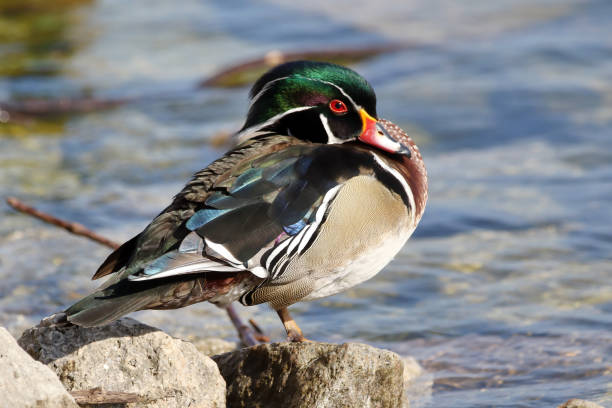
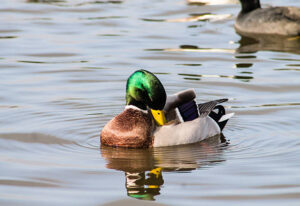
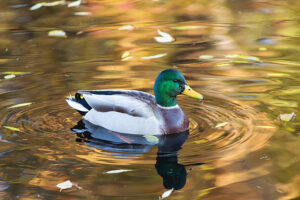
Ducks have played a vital role in human society for thousands of years—valued for meat, eggs, feathers, and even companionship. While wild ducks such as Mallards (Anas platyrhynchos) form the genetic foundation of most domestic breeds, humans have long used selective breeding to enhance specific traits, creating a diverse range of domestic duck breeds adapted to various climates and purposes. From the compact and prolific Khaki Campbell to the ornamental call duck, each breed reflects deliberate human intervention guided by principles of genetics and animal husbandry.
Today, the development of new duck breeds is more accessible than ever, thanks to advancements in genetics, increased availability of breeding stock, and a growing community of backyard poultry keepers and homesteaders. However, creating a successful new breed is not simply a matter of pairing two ducks; it requires a deep understanding of genetics, patience, meticulous record-keeping, and long-term planning.
This comprehensive guide explores the science and art of developing new duck breeds through selective breeding programs. We will delve into foundational principles, breeding strategies, trait selection, genetic management, health considerations, ethical concerns, and real-world case studies, providing practical insights for farmers, hobbyists, and animal breeders seeking to innovate in the avian space.
1. Understanding Ducks and Domestication
Before attempting to develop a new breed, it’s essential to understand the biology and domestication history of ducks.
- Taxonomy and Origins
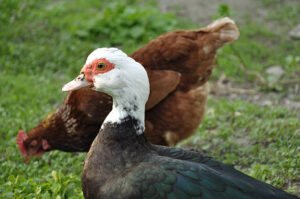
Ducks belong to the order Anseriformes and family Anatidae. Most domestic ducks (including Pekin, Rouen, and Muscovy) descend from the Mallard (Anas platyrhynchos), with the exception of the Muscovy duck (Cairina moschata), which is a separate species native to Central and South America. The genetic divergence between Mallard-derived ducks and Muscovies is significant—hybrids between the two are possible but sterile, much like mules in the equine world.
Domestication of ducks is believed to have begun in Southeast Asia and China over 2,000 years ago. The Pekin duck, one of the most globally popular breeds, originated in Beijing and was brought to the West in the 19th century. Through centuries of selective breeding, humans have influenced duck size, egg production, temperament, plumage color, and even vocalization.
- Why Develop New Breeds?
The motivations for developing new duck breeds vary:
- Improved productivity: Breeding for higher egg yields, faster growth, or better foraging ability.
- Climate adaptation: Creating breeds better suited to extreme heat, cold, or humidity.
- Ornamental traits: Enhancing plumage colors, crests, or body shapes for exhibition or aesthetic appeal.
- Disease resistance: Cultivating ducks with stronger immune systems.
- Dual-purpose or specialty breeds: Focusing on both egg and meat production, or unique behaviors like excellent mothering skills.
By selectively amplifying desirable traits and minimizing undesirable ones, breeders can mold duck populations to meet specific goals.
2. Principles of Selective Breeding in Ducks
Selective breeding is the process of choosing parent animals with desirable traits to produce offspring that inherit and potentially improve upon those traits.
- Genetic Basics
Traits in ducks are governed by genes, which are passed from parents to offspring. Each gene may have different versions, called alleles. Traits can be:
- Dominant: Only one copy of the allele is needed to express the trait.
- Recessive: Two copies are required (one from each parent).
- Codominant or Incompletely Dominant: Both alleles contribute to the phenotype (observable characteristics).
For example, the brown color in Rouen ducks is recessive to the wild-type Mallard plumage pattern. Understanding these patterns is crucial for predicting outcomes in breeding programs.
- Heritability
Not all traits are equally heritable. Traits like egg production, growth rate, and body weight tend to have moderate to high heritability, meaning genetics play a major role. Others—like temperament or disease resistance—can be influenced by environment and management, making selective breeding more complex.
When selecting for a trait, it’s important to assess its heritability. High-heritability traits respond more predictably to selection. For low-heritability traits, larger breeding populations and longer timelines are typically required.
- Phenotype vs. Genotype
Breeders often rely on phenotype (what ducks look or behave like) to make breeding decisions. However, the visible characteristics may not reveal the underlying genotype (genetic makeup). For instance, a duck with solid white plumage may carry hidden genes for color. This is why record-keeping and pedigree tracking are essential.
3. Setting Goals for a New Breed
Successful breeding programs begin with clear objectives.
- Define the Purpose
Ask: What is the end goal? Is it to develop a duck suitable for backyard egg production in hot climates? A cold-hardy dual-purpose breed for small farms? Or perhaps a visually striking ornamental duck for exhibitions?
Examples:
- Egg-focused breed: Target 300+ eggs per year, calm temperament, medium size.
- Meat-focused breed: Fast growth, efficient feed conversion, broad breast.
- Ornamental breed: Unique feather patterns, tufts, or rare colors.
- Identify Key Traits
List desired traits and prioritize them:
- Production traits: Egg size/number, age at maturity, growth rate.
- Morphological traits: Body size, leg length, beak shape, plumage.
- Behavioral traits: Temperament, foraging ability, broodiness.
- Health traits: Disease resilience, parasite resistance, longevity.
- Environmental adaptation: Heat tolerance, cold hardiness, wetland adaptability.
- Establish Standards
Eventually, a breed standard—a detailed description of the ideal duck—should be developed. This includes specifications on weight, color, body shape, and other attributes. Breed standards are essential for registration with poultry associations and maintaining breed consistency.
4. Selecting Foundation Stock
The success of any breeding program hinges on the quality of the starting population.
- Choosing Parent Breeds
Typically, two or more existing breeds are crossed to combine desired traits. Consider:
- Pekin ducks: Fast-growing, white plumage, excellent meat yield.
- Khaki Campbell: Prolific layers (up to 300–340 eggs/year), active foragers.
- Indian Runner: Exceptional egg production, upright stance, lean build.
- Muscovy: Lean meat, excellent mothers, disease-resistant.
- Cayuga: Shiny black/green plumage, good layers (early in season).
- Rouen: Large size, resembles wild Mallard, good for meat and show.
For example, to create a dual-purpose breed, one might cross a Pekin (for meat) with a Khaki Campbell (for eggs).
- Genetic Diversity
Starting with too few ducks or closely related individuals can lead to inbreeding depression—reduced fertility, higher chick mortality, and lower productivity. Ideally, begin with at least 10–20 unrelated ducks (5–10 breeding pairs) from multiple bloodlines.
Health screening is also vital—ensure foundation stock is free from common diseases like duck viral hepatitis, avian influenza, and aspergillosis.
- Record Keeping
From day one, document:
- Individual identification (leg bands or microchips)
- Parentage
- Birth dates
- Egg production (start date, frequency, size)
- Body weight and measurements
- Behavioral observations
- Health issues
Digital spreadsheets or poultry management apps can streamline this process.
5. Breeding Strategies
Several breeding methods can be used, depending on the goals:
- Crossbreeding
Combine two distinct breeds to produce hybrid vigor (heterosis)—offspring that outperform both parents in traits like growth rate or fertility.
Example: Crossing a Muscovy drake with a Pekin duck produces a “Mule Duck,” sterile but prized for meat due to rapid growth and lean flesh.
Crossbreeding is useful in the early stages of breed development but not sufficient for creating a stable new breed.
- Inbreeding and Line Breeding
To fix traits, breeders may use inbreeding (mating close relatives) or more judiciously, line breeding (mating distant relatives with shared ancestry).
While inbreeding increases homozygosity (pure expression of genes), it also risks amplifying harmful recessive traits. It should be used cautiously and always with performance monitoring.
- Selective Breeding Over Generations
Sustainable new breeds emerge over successive generations:
- F1 (First Filial) Generation: Offspring of the initial cross. Expected to show hybrid vigor but variable traits.
- F2 and Beyond: Introduce selective breeding. Mate only the best-performing individuals.
- F5–F8: By the fifth generation, if traits are consistently expressed, the population begins to stabilize.
- F10+: After 10 generations of selection and minimal outcrossing, the group may be considered a new breed.
Each generation should improve toward the desired standard.
6. Trait Selection and Management
- Plumage Color and Pattern
Color genetics in ducks are complex. Key genes include:
- Mallard (M) series: Controls wild-type pattern.
- Dilution (d): Lightens color (e.g., makes blue ducks).
- Autosexing genes: Allow sex identification at hatching based on down color.
Understanding Punnett squares helps predict outcomes. For example, mating two blue ducks (heterozygous for dilution) yields 25% black, 50% blue, and 25% silver offspring.
- Egg Production
Select hens that:
- Begin laying early (16–20 weeks)
- Lay consistently through seasons
- Produce large, strong-shelled eggs
- Show minimal molting interruption
Keep detailed lay records. Use egg weight and laying interval as quantitative metrics.
- Growth Rate and Body Conformation
For meat breeds, track:
- Weight at hatch, 4 weeks, 8 weeks
- Feed conversion ratio (FCR): pounds of feed per pound of weight gain
- Carcass yield and breast meat percentage
Favor ducks with broad backs, deep breasts, and upright posture.
- Temperament and Hardiness
Ideal ducks are:
- Calm and easy to handle
- Good foragers
- Resilient in various weather conditions
- Strong maternal instincts (if broodiness is desired)
Observe ducks daily to assess behavior and stress responses.
7. Managing Genetic Diversity and Avoiding Inbreeding
As a breeding population becomes more uniform, genetic diversity decreases, increasing risk.
- Effective Population Size (Ne)
Ne reflects the number of individuals effectively contributing genes to the next generation. A Ne below 50 leads to rapid inbreeding; 100+ is safer for long-term sustainability.
Strategies to maintain diversity:
- Rotate breeding pairs annually.
- Avoid mating siblings or parent-offspring unless absolutely necessary.
- Use multiple drakes per flock to ensure even genetic contribution.
- Outcrossing
Periodically introducing unrelated individuals from similar breeds can refresh the gene pool. However, this should be done carefully to avoid disrupting established traits.
Example: A breeder developing a new blue-colored layer might outcross with another blue strain of Indian Runner every few generations to reinforce color while maintaining egg-laying potential.
- Genetic Testing (Emerging Tool)
While not yet routine in duck breeding, DNA testing can identify carriers of recessive genes, verify parentage, and assess genetic diversity. As costs decrease, such tools will become increasingly valuable.
8. Housing, Nutrition, and Health Management
Even the best genetics won’t thrive without proper care.
- Housing and Environment
Ducks need:
- Dry, draft-free shelter with bedding
- Access to water for drinking and head-dipping (but not deep pools unless swimming is encouraged)
- Predator-proof fencing
- Nesting boxes for egg-layers
Ventilation and space are critical—allow at least 3–4 sq ft per duck indoors and 10+ sq ft outdoors.
- Nutrition
Proper diet supports growth, egg production, and feather development.
- Grower feed: 18–20% protein for young ducks (0–18 weeks).
- Layer feed: 16–18% protein with added calcium for laying hens.
- Grit: Needed for digestion if ducks consume whole grains.
- Supplements: Niacin is crucial—deficiency causes leg problems. Provide brewer’s yeast or niacin supplements.
Avoid medicated chick starter (can be toxic to waterfowl).
- Health Monitoring
Common duck issues include:
- Aspergillosis: Fungal infection from damp bedding.
- Botulism: From spoiled feed or stagnant water.
- External parasites: Mites and lice.
- Internal parasites: Worms.
Implement biosecurity:
- Isolate new birds for 30 days.
- Keep wild birds away.
- Practice rotational grazing to reduce parasite load.
Regular observation helps catch illness early.
9. Documenting and Standardizing the Breed
As traits stabilize, formalize the development process.
- Create a Breed Standard
Write a detailed description covering:
- Ideal weight (male/female)
- Plumage color and pattern
- Comb and beak color
- Leg color
- Body shape and size
- Temperament
- Production targets (eggs/year, growth rate)
This standard becomes the blueprint for future selections.
- Name the Breed
Choose a name that reflects origin, appearance, or purpose. Examples:
- “Sunset Layer” (reddish plumage, high production)
- “Alpine Forager” (cold-hardy, excellent foragers)
- “Emerald Crest” (green iridescence, crested head)
Avoid names already used by recognized breeds.
- Establish a Registry or Breed Association
While not required, formal recognition enhances credibility. Options include:
- Rare Breeds Survival Trust (UK)
- American Poultry Association (APA)
- American Livestock Breeds Conservancy (ALBC)
- Independent duck breeder associations
Submit documentation, photos, and lineage records.
10. Ethical and Welfare Considerations
Breeding animals carries responsibility.
- Avoid Extreme Traits
Selecting for exaggerated features (e.g., extreme body size, dwarfism, or feather abnormalities) can compromise welfare. For example:
- Overly large meat ducks may suffer joint problems.
- Crested ducks can have skull deformities linked to the crest gene.
Prioritize health and functionality over novelty.
- Culling Decisions
Culling—removing animals from the breeding pool—is inevitable. It should be humane and based on objective criteria (poor health, low productivity, undesirable genetics). Avoid emotional attachment interfering with decisions.
- Sustainable Breeding
Focus on creating resilient, low-input breeds suited to natural environments, reducing reliance on intensive farming methods.
11. Case Studies in Duck Breed Development
- The Khaki Campbell
Developed in England in the 1800s by crossing Indian Runner, Mallard, and Rouen ducks. Selective breeding emphasized egg production—Khaki Campbells now lay over 300 eggs/year while retaining foraging ability.
- The Silver Appleyard
Created by Reginald Appleyard in the 1930s, this dual-purpose breed combines Pekin, Rouen, and Call duck genetics. It features attractive plumage (laced silver), excellent meat conformation, and good laying performance.
- The Australian Spotted
An ornamental bantam breed developed from call ducks, selected for small size, spotted plumage, and friendly demeanor.
These examples show that with vision and consistency, new breeds can emerge and gain recognition over time.
12. Challenges and Long-Term Commitment
Developing a new breed is a decade-long endeavor fraught with challenges:
- Time: Traits take generations to stabilize.
- Space and resources: Maintaining multiple breeding lines requires land, feed, and labor.
- Record accuracy: Poor documentation leads to confusion.
- Genetic drift: Unintentional loss of traits due to random mating.
- Public acceptance: New breeds may face skepticism.
Patience, persistence, and passion are essential.
13. Dissemination and Community Building
Once established, share the new breed:
- Offer breeding stock to trusted keepers.
- Present at poultry shows and agricultural fairs.
- Publish articles or videos documenting the process.
- Join online forums (e.g., Backyard Chickens, Duck Group on Facebook).
Community involvement aids in preserving the breed and gathering feedback.
14. The Future of Duck Breeding
Emerging technologies may transform duck breeding:
- Genomic selection: Using DNA markers to predict performance.
- Artificial insemination: Useful for preserving rare genetics.
- Climate-adaptive breeding: Developing ducks resilient to climate change.
Yet, traditional methods remain valuable, especially for small-scale breeders.
Conclusion
Developing new duck breeds through selective breeding is a blend of science, art, and stewardship. It demands a deep understanding of genetics, consistent observation, meticulous record-keeping, and an unwavering commitment to animal welfare. While the process is time-consuming and requires significant effort, the rewards—a unique, functional, and sustainable breed—are deeply fulfilling.
Whether you’re a backyard breeder, a small farm operator, or a conservationist, selective breeding offers an opportunity to contribute meaningfully to agricultural biodiversity. By responsibly developing new duck breeds, we not only meet practical needs but also preserve the rich legacy of domestic waterfowl for future generations.
With patience and purpose, the duck breeds of tomorrow can be healthier, more productive, and more beautifully adapted than ever before.
#DuckBreeding, #SelectiveBreeding, #NewDuckBreeds, #PoultryFarming, #BackyardDucks, #DuckCare, #DuckGenetics, #Homesteading, #SustainableFarming, #DuckEggs, #MeatDucks, #OrnamentalDucks, #PekinDuck, #KhakiCampbell, #IndianRunnerDucks, #MuscovyDucks, #DuckHusbandry, #FarmLife, #PoultryScience, #AnimalBreeding, #DuckLovers, #DuckKeeping, #SmallFarm, #RaisingDucks, #DuckHealth, #DuckNutrition, #DuckBehavior, #WaterfowlBreeding, #HomesteadLife, #DuckFlock, #BreedDevelopment, #DuckBreeder, #AvianGenetics, #DIYPoultry, #DuckFarm, #DuckLife, #PoultryEnthusiast, #DuckShow, #DuckHybrid, #FutureOfFarming
Add comment