
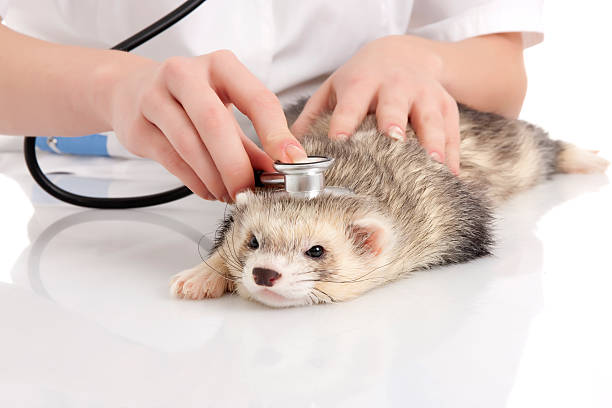
Ferrets (Mustela putorius furo) have become increasingly popular companion animals worldwide. Their playful demeanor, inquisitive nature, and compact size make them attractive pets for families, researchers, and exotic‑animal enthusiasts alike. While ferrets share many health concerns with other small carnivores—such as adrenal disease, insulinoma, and gastrointestinal ulcers—diabetes mellitus (DM) remains a rare but clinically significant metabolic disorder.
Because the condition is infrequently encountered, many veterinary practitioners and ferret owners have limited exposure to its nuances. This guide consolidates current scientific knowledge, clinical experience, and evidence‑based recommendations into a single, exhaustive resource. Whether you are a practicing veterinarian, a veterinary student, a ferret breeder, or a devoted owner, this article will equip you with the tools to recognize, diagnose, treat, and prevent diabetes in ferrets while ensuring optimal quality of life.
2. What Is Diabetes Mellitus?
Diabetes mellitus is a chronic disorder of carbohydrate metabolism characterized by persistent hyperglycemia resulting from an absolute or relative deficiency of insulin, impaired insulin action, or both. In mammals, insulin is produced by pancreatic β‑cells and is essential for facilitating cellular glucose uptake, regulating hepatic gluconeogenesis, and maintaining normal lipid metabolism.
In ferrets, as in other species, prolonged hyperglycemia leads to a cascade of pathophysiologic events, including:
- Polyuria (excessive urination) due to osmotic diuresis.
- Polydipsia (excessive thirst) secondary to fluid loss.
- Weight loss despite a normal or increased appetite (catabolic state).
- Elevated blood glucose that exceeds the renal threshold (~150 mg/dL in ferrets).
3. Epidemiology in Ferrets
| Parameter | Data (Current Literature) |
|---|---|
| Incidence | Estimated 0.3–0.5 % of the ferret population; exact prevalence unknown due to under‑reporting. |
| Age Distribution | Median age at diagnosis: 3–5 years (young adult). |
| Sex | Slight male predilection (≈55 % of cases). |
| Breed | No breed‑specific susceptibility; mixed‑breed and purebred ferrets equally affected. |
| Geographic Trend | Cases reported worldwide, with higher numbers in North America and Europe where ferret ownership is most common. |
Why is DM rare in ferrets? Ferrets naturally have a high basal insulin secretion and a relatively low propensity for insulin resistance. Conversely, they have an exceptionally high incidence of insulinoma (β‑cell tumor) – a condition that often masks or confounds the detection of primary diabetes.
4. Pathophysiology & Types of Diabetes in Ferrets
4.1. Type 1 (Insulin‑Deficient) Diabetes
- Mechanism: Autoimmune destruction or functional loss of pancreatic β‑cells, leading to an absolute insulin deficiency.
- Frequency in Ferrets: Historically considered the predominant form; however, recent case series suggest a mixed picture.
- Key Features: Rapid onset of hyperglycemia, ketosis, and often severe weight loss.
4.2. Type 2 (Insulin‑Resistant) Diabetes
- Mechanism: Peripheral tissues become less responsive to circulating insulin, requiring higher concentrations to achieve glucose uptake.
- Frequency in Ferrets: Less common, but may develop secondary to chronic glucocorticoid therapy, obesity, or concurrent endocrine disease (e.g., adrenal hyperplasia).
- Key Features: Gradual onset, presence of obesity, and sometimes a “honeymoon” period where low‑dose insulin initially controls glucose.
4.3. Gestational/Other Forms
- Ferrets have a short gestation (≈42 days) and a high reproductive rate. While gestational diabetes is documented in other species, there are no published cases in ferrets. Nonetheless, pregnancy‑induced insulin resistance is theoretically possible and should be considered in pregnant queens with unexplained hyperglycemia.
5. Predisposing Factors & Causes
| Category | Specific Factor | Explanation |
|---|---|---|
| Genetic | None identified; however, familial clustering of endocrine disorders (e.g., adrenal disease) may hint at hereditary susceptibility. | |
| Age | Young adult (3–5 yr) – most cases. | |
| Sex | Males slightly over‑represented. | |
| Obesity | Excess adipose tissue promotes inflammatory cytokines → insulin resistance. | |
| Dietary Imbalance | High‑carbohydrate, low‑protein commercial feeds may predispose to chronic hyperglycemia. | |
| Hormonal Disorders | Adrenal disease (hyperadrenocorticism, adrenal gland hyperplasia) can increase circulating glucocorticoids → insulin resistance. | |
| Exogenous Steroids | Long‑term glucocorticoid therapy (e.g., prednisolone) is a recognized iatrogenic cause. | |
| Pancreatic Disease | Chronic pancreatitis or pancreatic neoplasia (e.g., insulinoma) may damage β‑cells. | |
| Infectious Agents | No proven infectious etiology; however, viral infections that trigger autoimmunity have been hypothesized. | |
| Stress | Acute stress hyperglycemia can mimic diabetes but resolves with the removal of stressors. | |
| Medications | Certain chemotherapy agents (e.g., doxorubicin) have been implicated in β‑cell toxicity in experimental models. |
6. Clinical Signs & Symptoms
Ferrets are masters of concealment, often masking disease until it becomes severe. Early detection hinges on vigilance and routine wellness checks. The hallmark “classic triad” of diabetes is:
- Polyuria (PU) – Increased urination visible as wetter bedding or more frequent litter box changes.
- Polydipsia (PD) – Excessive water consumption; the water bowl may be consistently empty.
- Weight loss – Noticeable reduction in body condition despite a normal or increased appetite.
Additional Signs
- Polyphagia – An increased appetite; ferrets may become “food‑obsessed.”
- Lethargy & Weakness – Reduced activity, reluctance to play or explore.
- Poor Coat Quality – Dull, dry fur with possible alopecia.
- Ketotic Breath – A faint, fruity odor due to acetone (rarely detectable by owners).
- Neurologic Signs – Tremors, ataxia, or seizures in severe ketoacidosis.
- Gastrointestinal Upset – Vomiting or diarrhea may develop secondary to metabolic derangements.
Note: Because ferrets have a high metabolic rate, even modest hyperglycemia can precipitate life‑threatening ketoacidosis within 24–48 hours. Prompt veterinary assessment is essential.
7. Diagnostic Work‑up
A systematic approach is crucial to differentiate true diabetes from transient hyperglycemia, stress response, or concurrent diseases.
7.1. History & Physical Examination
- History: Duration and progression of PU/PD, diet changes, recent medications (especially steroids), reproductive status, and any known endocrine disease.
- Physical Exam: Body condition score (BCS), hydration status, mucous membrane color, palpation of the pancreas (limited), and evaluation for adrenal enlargement (via abdominal palpation, though often subtle).
7.2. Laboratory Tests
| Test | Normal Reference (Ferret) | Significance |
|---|---|---|
| Blood Glucose (fasting) | 80–120 mg/dL | >150 mg/dL on two separate occasions = Diabetes (per American College of Veterinary Internal Medicine – ACVIM). |
| Fructosamine | 250–400 µmol/L | Reflects average glucose over 2–3 weeks; elevated in chronic hyperglycemia. |
| Urinalysis | Glucose: negative; Ketones: negative | Positive glucose (>100 mg/dL) or ketones indicates uncontrolled diabetes. |
| Complete Blood Count (CBC) | Normocytic, normochromic erythrocytes; WBC 5–12 ×10⁹/L | May show mild anemia or leukocytosis in concurrent infection. |
| Serum Chemistry | BUN 10–20 mg/dL; Creatinine 0.5–1.0 mg/dL; ALT 30–60 U/L; ALP 30–90 U/L; Electrolytes normal. | Elevated BUN/Cr in dehydration; elevated ALT/ALP may indicate hepatic involvement. |
| Blood Gas & Lactate (if ketoacidosis suspected) | pH 7.35‑7.45; Bicarbonate 22‑28 mmol/L | Metabolic acidosis (pH <7.35, HCO₃⁻ <20) confirms DKA. |
| Serum Insulin (optional) | 10–30 µU/mL (fasting) | Low levels support Type 1 diabetes; high levels with hyperglycemia suggest insulin resistance (Type 2). |
7.3. Imaging
- Abdominal Ultrasound: Essential to assess pancreatic architecture, detect insulinoma, or rule out neoplastic processes. In diabetic ferrets, the pancreas may appear atrophic or heterogeneous.
- Radiographs: Useful for screening adrenal enlargement, gastric dilation, and assessing overall body condition.
7.4. Differential Diagnosis
- Stress‑Induced Hyperglycemia (e.g., traumatic handling).
- Hyperadrenocorticism (Cushing’s disease).
- Insulinoma (often co‑exists; may cause hypoglycemia rather than hyperglycemia).
- Pancreatitis (secondary to metabolic stress).
Diagnostic Algorithm (Simplified):
- Suspect DM → Record PU/PD, weigh, BCS.
- Fast glucose (≥12 h) → >150 mg/dL → Repeat after 24 h.
- If consistent → Perform urinalysis (glucose/ketones).
- If positive → Fructosamine + CBC/chem panel.
- If DKA suspected → Blood gas, lactate, electrolytes.
- Ultrasound → Evaluate pancreas & adrenals.
8. Therapeutic Options
Management of diabetes in ferrets is multifactorial, combining pharmacologic therapy, nutritional modification, environmental control, and owner education. The overarching goals are:
- Achieve euglycemia (fasting glucose 80–120 mg/dL).
- Prevent hypoglycemia and DKA.
- Maintain optimal body condition.
- Preserve quality of life.
8.1. Insulin Therapy – The Cornerstone
| Insulin Type | Onset | Peak | Duration | Typical Dose (Ferrets) | Administration Frequency |
|---|---|---|---|---|---|
| Neutral Protamine Hagedorn (NPH) | 1–2 h | 4–6 h | 10–12 h | 0.1–0.3 U/kg SC | BID (every 12 h) |
| Lente (Vetsulin) | 1–2 h | 6–8 h | 12–18 h | 0.05–0.2 U/kg SC | BID or TID (if variable glucose) |
| Glargine (Lantus) | 1–2 h | No pronounced peak | 24 h (consistent) | 0.05–0.15 U/kg SC | QD (once daily) |
| Detemir (Levemir) | 1–2 h | Moderate peak | 12–24 h | 0.05–0.15 U/kg SC | QD or BID |
| PZI (PZI‑Insulin, ProZinc™) – rarely used in ferrets | 30 min | 2–4 h | 8–12 h | 0.05–0.25 U/kg SC | BID |
Key Points for Insulin Administration
- Preparation: Use a 0.3‑mL insulin syringe with a 30‑gauge needle; practice aseptic technique.
- Site Rotation: Alternate between the scruff of the neck, the lumbar region, and the inguinal area to prevent lipohypertrophy.
- Timing: Administer at consistent times relative to feeding (e.g., 30 min before meals).
- Dose Adjustments: Adjust 0.02–0.05 U/kg increments based on fasting glucose trends and clinical response.
- Monitoring for Hypoglycemia: Watch for lethargy, tremors, seizures, or sudden collapse. Have dextrose (0.5 mL of 50 % dextrose solution) readily available for emergency use.
8.2. Oral Antidiabetic Agents
Oral agents are not routinely recommended in ferrets due to limited data and the high prevalence of insulin‑deficient disease. However, in select cases of mild insulin resistance (e.g., steroid‑induced), the following may be considered under specialist guidance:
- Pioglitazone (a thiazolidinedione) – improves peripheral insulin sensitivity; start at 0.5 mg/kg PO q24h.
- Metformin – rarely used, but may help reduce hepatic gluconeogenesis; dose 5 mg/kg PO q12h.
Always combine oral agents with low‑dose insulin to avoid uncontrolled hyperglycemia.
8.3. Managing Ketoacidosis
- Fluid Therapy: Isotonic crystalloids (e.g., Lactated Ringer’s) at 10–20 mL/kg IV bolus, followed by maintenance fluids with dextrose (5 % dextrose in lactated Ringer’s) once glucose <250 mg/dL.
- Insulin Bolus: 0.5 U/kg IV bolus, then continuous infusion at 0.1 U/kg/h.
- Electrolyte Correction: Replace potassium after confirming serum levels (maintain K⁺ >3.5 mmol/L).
- Monitoring: Serial blood gases, glucose, lactate, electrolytes every 1–2 h until resolution.
8.4. Adjunctive Therapies
- Antiemetics (e.g., Maropitant) for nausea.
- Analgesics (e.g., Buprenorphine) if abdominal discomfort.
- Probiotics (e.g., Enterococcus faecium) may aid gut health during metabolic stress.
9. Monitoring & Home Management
| Parameter | Frequency | Method | Target Range |
|---|---|---|---|
| Fasted Blood Glucose | Daily initially, then 2–3 × /week | Glucometer (validated for ferrets) – blood from tail or saphenous vein | 80–120 mg/dL |
| Post‑prandial Glucose | After meals (2 h) for 1 week, then as needed | Same as above | <180 mg/dL |
| Weight & BCS | Weekly for first month, then monthly | Scale & visual BCS chart (1–9) | 3.5–5.5 kg; BCS 3–4 |
| Urine Glucose/Ketones | Weekly, or when signs of DKA appear | Urinalysis dipstick | Negative glucose & ketones |
| Insulin Dose Review | Every 2–4 weeks, or after any dose change | Review glucose logs & clinical signs | Adjust as needed |
| Fructosamine | Every 8–12 weeks (reflects longer‑term control) | Serum analysis (vet lab) | 250–400 µmol/L |
Owner Tips for Successful Home Care
- Maintain a glucose logbook (paper or digital). Include date, time, insulin dose, glucose reading, food intake, and any abnormal observations.
- Store insulin in the refrigerator (2–8 °C) and protect from light. Allow to warm to room temperature before injection.
- Use a consistent feeding schedule – high‑protein, low‑carbohydrate meals offered at the same times each day.
- Provide fresh water at all times; consider a water fountain to encourage drinking.
- Create a stress‑free environment – limit loud noises, avoid abrupt handling, and give a quiet, warm resting area.
10. Prognosis & Potential Complications
10.1. Prognosis
- Well‑controlled diabetic ferrets can enjoy a median survival of 2–4 years after diagnosis, with many living beyond 5 years if complications are avoided.
- Early detection and diligent management significantly improve outcomes.
- Concurrent diseases (e.g., adrenal hyperplasia, insulinoma) markedly diminish prognosis and may necessitate more aggressive or palliative care.
10.2. Common Complications
| Complication | Pathogenesis | Clinical Indicators | Management |
|---|---|---|---|
| Hypoglycemia | Excessive insulin or missed meals | Lethargy, tremor, seizures, sudden collapse | Immediate oral dextrose or IV 50 % dextrose; adjust insulin dose. |
| Diabetic Ketoacidosis (DKA) | Severe insulin deficiency → lipolysis → ketone bodies | Polyuria, dehydration, vomiting, abdominal pain, metabolic acidosis | Hospitalization, IV fluids, insulin infusion, electrolyte replacement. |
| Lipohypertrophy | Repeated injections at the same site | Firm, thickened subcutaneous tissue | Rotate injection sites, consider shorter‑acting insulin. |
| Infections (UTI, Dermatitis) | Hyperglycemia impairs immune function | Fever, discharge, pruritus | Antibiotics based on culture/sensitivity; improve glycemic control. |
| Obesity (if over‑feeding) | Excess caloric intake → insulin resistance | Increased BCS (>5) | Dietary adjustment, controlled feeding, exercise. |
| Concurrent Endocrine Disease | E.g., adrenal disease increasing glucocorticoids | Signs of Cushing’s (hair loss, pot‑bellied appearance) | Treat underlying disease; may require trilostane or surgery. |
| Pancreatic Neoplasia (Insulinoma) | May coexist with diabetes; paradoxical hypoglycemia episodes | Episodic weakness, seizures, ataxia | Surgical excision, chemotherapy, or palliation. |
11. Prevention Strategies
Although diabetes cannot be wholly prevented, risk reduction is achievable through the following evidence‑based measures:
- Optimal Nutrition – Feed a high‑protein, low‑carbohydrate diet formulated for obligate carnivores. Avoid foods with added sugars or excessive starch (e.g., grain‑based kibble).
- Maintain Ideal Body Condition – Keep BCS 3–4; regular weigh‑ins help detect subtle weight gain early.
- Limit Long‑Term Steroid Use – Reserve glucocorticoids for short‑term indications; consider alternative anti‑inflammatory agents when feasible.
- Routine Health Screening – Annual physical exams, including fasting glucose and adrenal ultrasound for ferrets older than 2 years.
- Early Detection of Endocrine Disorders – Prompt treatment of adrenal disease reduces secondary insulin resistance.
- Stress Reduction – Provide enrichment, predictable routines, and a safe environment to minimize stress‑induced hyperglycemia.
12. Dietary Management & Nutritional Considerations
12.1. General Principles
- Protein > 45 % of calories – Ferrets are obligate carnivores; they require high‑quality animal protein for maintenance and tissue repair.
- Fat ≈ 35–40 % of calories – Provides dense energy and aids in palatability.
- Carbohydrate < 10 % of calories – Minimizes post‑prandial glucose spikes.
- Fiber ≈ 2–4 % – Supports gastrointestinal motility; avoid high‑fiber “gastro‑protective” diets as they often contain excessive carbs.
- Micronutrients – Adequate taurine (≥ 150 mg/kg), vitamin A, B‑complex, and essential fatty acids (EPA/DHA).
12.2. Commercial vs. Homemade Diets
| Aspect | Commercial (e.g., high‑protein kibble, canned) | Homemade (raw/cooked meat) |
|---|---|---|
| Convenience | Ready‑to‑feed, nutritionally balanced (if formulated for ferrets). | Requires careful formulation, time‑consuming. |
| Carbohydrate Content | Often higher; check label for < 10 % carbs. | Naturally low, but may need supplementation for vitamins/minerals. |
| Safety | Shelf‑stable; less risk of bacterial contamination. | Raw meat carries risk of Salmonella, Listeria – ensure safe handling. |
| Palatability | Variable; some ferrets may be picky. | Highly palatable, mimics natural diet. |
Recommended Commercial Options (as of 2025):
- Ferret Specific High‑Protein Canned Diets – ≥ 45 % protein, ≤ 8 % carbs.
- Low‑Carb Ferret Kibble – Formulated for weight control, < 10 % carbs.
Sample Homemade Meal (per day) – Approx. 200 g total:
| Ingredient | Quantity | % of calories |
|---|---|---|
| Chicken thigh (skin‑on, cooked) | 100 g | 45 % |
| Turkey liver (raw) | 30 g | 15 % |
| Sardines (in water, drained) | 30 g | 10 % |
| Egg yolk (cooked) | 10 g | 5 % |
| Ferret‑specific multivitamin powder (as per label) | 0.5 g | 2 % |
| Light olive oil | 5 g | 8 % |
| Water (ad libitum) | — | — |
Adjust portions to maintain target body weight; always discuss homemade diets with a veterinary nutritionist.
12.3. Feeding Schedule
- Two meals per day (e.g., 0800 h and 1800 h) – aligns with insulin peaks when using NPH or lente insulin.
- Meal size consistency: 10–12 % of ideal body weight per meal (e.g., 250 g ferret → 25–30 g per meal).
- Treats: Limited to < 5 % of daily calories; prioritize low‑carb options (e.g., boiled egg, small pieces of cooked fish).
12.4. Hydration
- Fresh, filtered water must be available at all times.
- Wet food (canned) contributes to fluid intake and is often better tolerated by diabetic ferrets with reduced thirst drive.
13. Zoonotic Risk (or Lack Thereof)
Diabetes mellitus is not a zoonotic disease. The condition originates from endogenous metabolic dysfunction and cannot be transmitted from ferret to human or vice‑versa. However, there are indirect considerations for owners and veterinary staff:
| Concern | Explanation | Mitigation |
|---|---|---|
| Infectious agents (e.g., Salmonella from raw diets) | Ferrets fed raw meat may harbor bacteria that are transmissible to humans, especially immunocompromised individuals. | Practice strict hand‑washing after handling food, litter, or the ferret. Use separate cutting boards and utensils for raw meat. |
| Blood‑borne pathogens (e.g., Staphylococcus, E. coli) during insulin injection | Accidental needle sticks could theoretically expose handlers to ferret blood. | Use safety‑engineered syringes, wear gloves when giving injections, and dispose of sharps in approved containers. |
| Allergic reactions | Some owners develop hypersensitivity to ferret dander; stress can exacerbate metabolic disease. | Keep living environment clean, use HEPA filters, and bathe ferret as advised by a veterinarian. |
Overall, the public health risk is negligible, but standard hygiene and biosafety practices remain essential.
14. Owner Education & Support Resources
- Written Care Plan – Provide a printed guide covering insulin dosing, glucose monitoring, diet, and emergency steps.
- Demonstration Sessions – Hands‑on training for injection technique, glucometer use, and recognizing hypoglycemia.
- Online Communities – Ferret‑specific forums (e.g., FerretForum.com, Reddit r/ferrets) often have dedicated threads on diabetes.
- Veterinary Follow‑up – Schedule regular appointments (initially every 2 weeks, then monthly). Tele‑medicine check‑ins can help address minor concerns promptly.
- Emergency Numbers – Include the after‑hours veterinary clinic phone number and the nearest animal emergency hospital.
15. Frequently Asked Questions (FAQ)
| Question | Answer |
|---|---|
| Can a ferret go into remission without insulin? | Rarely. Some ferrets experience a transient “honeymoon” period where low‑dose insulin suffices, but most require lifelong therapy. |
| Is there a safe oral hypoglycemic for ferrets? | Pioglitazone has shown limited success in insulin‑resistant cases; however, it should never replace insulin in insulin‑deficient disease. |
| How often should I test my ferret’s blood glucose? | Initially daily (fasting), then 2–3 times per week once stable. Adjust based on glucose trends. |
| What glucose level indicates an emergency? | < 50 mg/dL (severe hypoglycemia) or > 400 mg/dL with ketones (DKA) – seek veterinary care immediately. |
| Can I give my ferret human insulin? | Human recombinant insulin (e.g., glargine) is commonly used and safe when dosed appropriately; however, veterinary‑formulated insulin may be more cost‑effective and readily available. |
| Will my ferret’s coat improve after glucose control? | Yes; a well‑controlled diabetic ferret often regains a glossy, healthy coat within weeks to months. |
| Is spaying/neutering related to diabetes risk? | No direct link, but surgical stress can transiently raise glucose. Routine pre‑operative glucose screening is recommended. |
16. Key Take‑aways
- Diabetes mellitus in ferrets is rare but potentially fatal if left untreated.
- Early recognition of polyuria, polydipsia, and weight loss is essential.
- Insulin therapy remains the gold‑standard; glargine and lente are the most commonly employed preparations.
- Consistent monitoring, proper dosing, and a low‑carbohydrate, high‑protein diet are the pillars of successful management.
- Complications such as hypoglycemia, DKA, and concurrent endocrine disease can be mitigated with vigilant care.
- Preventive measures—including maintaining ideal body condition, limiting steroids, and routine health checks—significantly reduce disease incidence.
- Zoonotic transmission does not occur, but standard hygiene should be practiced, especially when feeding raw diets or handling insulin injections.
With dedicated, evidence‑based care, diabetic ferrets can lead full, active lives for many years, providing their human families with continued companionship and joy.
#FerretDiabetes, #FerretHealth, #DiabetesInFerrets, #FerretCare, #FerretNutrition, #InsulinTherapy, #PetDiabetes, #ExoticPetHealth, #FerretLovers, #FerretLife, #FerretWellness, #FerretDiet, #FerretOwners, #FerretCommunity, #FerretTips, #VeterinaryMedicine, #FerretVeterinary, #FerretSupport, #FerretFamily, #FerretRescue, #FerretEducation, #FerretWellbeing, #FerretMeds, #FerretResearch, #FerretScience, #FerretStories, #HealthyFerrets, #FerretCareGuide, #PetDiabetesAwareness, #FerretZoonoticSafety, #FerretObesityPrevention, #FerretLiving

Add comment