
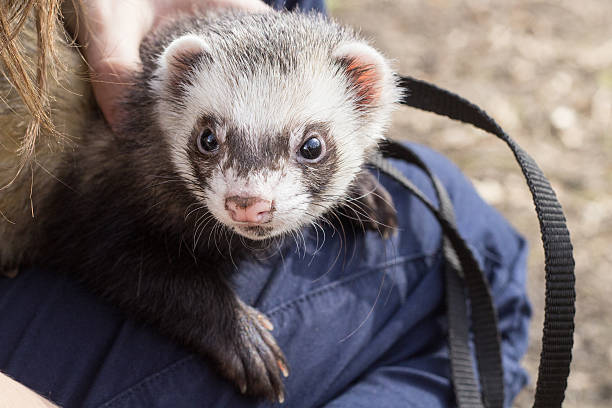
Ferrets are beloved companions known for their playful, curious nature and high energy. However, like all animals, they are susceptible to a range of health conditions, among which cancer is one of the most prevalent and serious. Ferret owners and veterinarians must remain vigilant, especially as ferrets age, because early diagnosis and treatment can significantly impact outcomes. Cancer can affect various organs and systems in ferrets, including the lymphatic system, gastrointestinal tract, pancreas, adrenal glands, and skin. Understanding the diagnostic methods—particularly ultrasound, biopsy, and bloodwork—is crucial in identifying and managing cancer in these small mammals.
This comprehensive guide explores the causes, signs, symptoms, diagnostic procedures, treatment options, prognosis, complications, prevention strategies, dietary considerations, and zoonotic risk associated with cancer in ferrets. By the end, you’ll have a deep understanding of how to monitor, detect, and care for a ferret facing cancer.
1. Causes of Cancer in Ferrets
While the exact causes of cancer in ferrets are not always well understood, several contributing factors have been identified through veterinary research and clinical observations.
Genetic Predisposition
Certain types of cancers appear to have a genetic component. For example, adrenal gland tumors and insulinomas (pancreatic tumors) are highly prevalent in ferrets, especially those over the age of three. While not definitively proven as hereditary, the frequency suggests a possible breed or lineage susceptibility.
Hormonal Imbalance
Ferrets are frequently altered (spayed/neutered) early in life, which can disrupt hormonal pathways. The removal of gonads eliminates the production of sex hormones like estrogen and testosterone. This abrupt hormonal shift may stimulate the pituitary gland to overproduce luteinizing hormone (LH), leading to overstimulation of adrenal tissue and the eventual development of adrenal gland tumors.
Age
Advancements in ferret care have increased the average lifespan of ferrets to 6–10 years. As ferrets live longer, their risk of developing cancer increases. Many ferret cancers are age-related, with insulinoma, lymphoma, and adrenal tumors commonly diagnosed in middle-aged to senior ferrets.
Environmental Factors
Although limited data exists, it is suspected that environmental carcinogens—such as secondhand smoke, poor ventilation, or exposure to household chemicals—may contribute to cancer risk in ferrets. Ferrets have a high metabolic rate and are highly sensitive to airborne substances.
Viruses
While not as prominent as in other species, viruses may contribute to certain cancers. For example, ferret coronavirus has been linked to conditions like green slime disease, but a direct cancer correlation remains unproven. However, some researchers speculate about retroviral involvement in lymphoma, similar to feline leukemia virus in cats.
Obesity and Poor Diet
Diet plays a critical role in ferret health. High-carbohydrate, sugar-rich diets (such as those containing fruits, grains, or sugary treats) may predispose ferrets to insulinoma. The pancreas is forced to produce excess insulin due to blood glucose spikes, potentially leading to beta-cell hyperplasia and tumor formation.
2. Signs and Symptoms of Cancer in Ferrets
Because ferrets often hide illness until it’s advanced, detecting early signs of cancer can be challenging. However, attentive owners can notice subtle changes. Symptoms vary widely based on the type and location of the tumor.
Common General Signs
- Lethargy and decreased activity: Ferrets are naturally energetic. A noticeable drop in activity is a red flag.
- Weight loss: Unintentional weight loss despite normal or increased appetite may indicate cancer, especially lymphoma or gastrointestinal tumors.
- Poor coat condition: Dull, thin, or patchy fur may reflect underlying illness, including adrenal tumors or lymphoma.
- Enlarged lymph nodes: Swelling under the jaw, behind the knees, or in the armpits can suggest lymphoma.
- Loss of appetite (anorexia): While ferrets are food-motivated, a refusal to eat may signal pain, nausea, or systemic illness.
- Vomiting or diarrhea: Gastrointestinal cancers can cause digestive disturbances.
Specific Symptoms by Cancer Type
Adrenal Gland Tumors
- Hair loss (alopecia), especially on the tail, rump, and back
- Itching and skin irritation
- Swollen vulva in spayed females
- Aggressive behavior in neutered males
- Muscle atrophy and weakness
Insulinoma (Pancreatic Tumors)
- Hypoglycemia episodes: weakness, staring blankly, drooling, seizures
- Trembling or wobbling (ataxia)
- Pawing at the mouth (sign of nausea)
- Increased appetite despite weight loss
Lymphoma
- Enlarged lymph nodes
- Difficulty breathing (if chest is involved)
- Abdominal distension
- Pale gums (anemia)
- Persistent fever
Gastrointestinal Tumors (e.g., gastric adenocarcinoma)
- Chronic vomiting
- Black, tarry stools (melena) indicating internal bleeding
- Abdominal pain
- Gradual weight loss
Skin Tumors (e.g., mast cell tumors, sebaceous adenomas)
- Lumps or nodules on the skin
- Itching, ulceration, or bleeding at the site
- Rapid growth of skin lesions
3. Diagnosis of Cancer in Ferrets
Accurate diagnosis is vital for developing a treatment plan and improving prognosis. Veterinarians utilize a multi-modal approach, combining clinical signs, physical examination, and diagnostic tools such as ultrasound, biopsy, and bloodwork.
Physical Examination
The first step in diagnosing cancer involves a thorough physical evaluation. The veterinarian checks for:
- Lumps or masses
- Skin changes
- Enlarged organs (spleen, liver, lymph nodes)
- Signs of pain or discomfort
- Neurological abnormalities
Ultrasound — A Window into the Body
Ultrasound is a non-invasive imaging technique that uses sound waves to create real-time images of internal organs. It is invaluable in diagnosing cancer in ferrets due to their small size and the deep location of certain organs.
Role of Ultrasound in Cancer Diagnosis
- Visualization of Tumors: Ultrasound can detect masses in the liver, spleen, kidneys, pancreas, and adrenal glands. For instance, adrenal tumors often appear as enlarged, irregular glands.
- Assessment of Organ Structure: Changes in organ architecture—such as nodularity, cysts, or irregular borders—may suggest neoplasia.
- Guidance for Biopsy: Ultrasound allows veterinarians to precisely target suspicious areas for fine-needle aspiration (FNA) or core biopsy, minimizing damage to surrounding tissue.
- Evaluation of Blood Flow: Doppler ultrasound can assess vascularity, helping differentiate benign from malignant tumors (malignant tumors often have increased blood flow).
- Monitoring Response to Treatment: Repeat ultrasounds help track tumor size and response to chemotherapy or surgery.
Limitations of Ultrasound
- Cannot definitively diagnose cancer—only suggest abnormalities
- Operator-dependent; quality depends on the skill of the technician
- Limited penetration in very obese or gas-filled abdomens
Despite limitations, ultrasound is often the first-line imaging tool due to its safety, real-time imaging capabilities, and lack of radiation.
Biopsy — The Gold Standard for Diagnosis
While imaging can suggest cancer, only a biopsy provides a definitive diagnosis. A biopsy involves removing a tissue sample for histopathological examination under a microscope.
Types of Biopsy
- Fine Needle Aspiration (FNA): A needle is inserted into a mass to collect cells for cytology. It is quick, minimally invasive, and useful for evaluating lymph nodes, skin masses, or abdominal masses seen on ultrasound. However, FNA may not provide enough tissue for a definitive diagnosis.
- Core Biopsy: Larger tissue samples are obtained using a special needle, offering better architectural detail.
- Excisional Biopsy: The entire tumor is surgically removed and examined. This is curative if the tumor is benign and completely excised.
- Incisional Biopsy: A piece of a large tumor is removed for diagnosis, especially if complete removal is too risky.
Histopathology and Cytology
Once the sample is collected, it is processed and examined by a veterinary pathologist. Cytology assesses individual cells, while histopathology evaluates tissue architecture. This analysis determines:
- Type of cancer (e.g., adenocarcinoma, lymphoma, insulinoma)
- Grade (aggressiveness)
- Margins (if excised, whether cancer cells remain at the edges)
Biopsies are essential for staging cancer and planning treatment.
Bloodwork — Assessing Systemic Health
Blood tests help evaluate organ function, detect anemia, and identify metabolic imbalances that may result from cancer.
Complete Blood Count (CBC)
- Anemia: Low red blood cell count may indicate chronic disease, blood loss (e.g., GI tumors), or bone marrow involvement (lymphoma).
- Leukocytosis or Leukopenia: Elevated or decreased white blood cells can suggest infection, inflammation, or leukemia.
- Thrombocytopenia: Low platelets increase bleeding risk, common in some cancers or disseminated intravascular coagulation (DIC).
Biochemistry Panel
- Liver Enzymes (ALT, ALP): Elevated levels may indicate liver metastasis or primary liver tumors.
- Kidney Values (BUN, Creatinine): Assess renal function; important if chemotherapy is planned.
- Glucose: Low blood sugar (hypoglycemia) strongly suggests insulinoma.
- Calcium: Hypercalcemia can be associated with lymphoma or other malignancies.
- Pancreatic Enzymes (amylase, lipase): Not specific in ferrets but monitored in pancreatic disease.
Specialized Tests
- Insulin-to-Glucose Ratio: Used to diagnose insulinoma. A high insulin level with low glucose confirms the diagnosis.
- Sex Hormone Assays: Elevated levels of androstenedione, estradiol, or 17-hydroxyprogesterone support adrenal tumor diagnosis.
Bloodwork is non-specific but critical in assessing overall health and guiding further diagnostics.
4. Staging of Cancer
Once cancer is confirmed, veterinarians stage the disease to determine its extent. Staging helps predict prognosis and guide treatment.
Common staging systems include:
- TNM System (Tumor, Node, Metastasis): Evaluates the size of the primary tumor (T), lymph node involvement (N), and distant spread (M).
- Imaging: Chest X-rays or CT scans to check for lung metastasis.
- Abdominal Ultrasound: To assess for spread to liver, spleen, or other organs.
- Fine Needle Aspirates of Lymph Nodes: To check for metastasis.
Staging is crucial to decide between curative (surgery) versus palliative (medical management) approaches.
5. Treatment Options
Treatment depends on cancer type, stage, and the ferret’s overall health.
Surgery
Surgical removal is the primary treatment for many cancers:
- Adrenalectomy: Removal of the affected adrenal gland.
- Pancreatic Nodule Removal: For insulinoma, removing visible nodules can prolong remission.
- Tumor Excision: Benign or localized malignant tumors (e.g., skin masses).
Surgery is often curative for localized tumors but may not be feasible for widespread or metastatic disease.
Medical Management
When surgery isn’t possible, drugs help control symptoms and slow progression.
Adrenal Tumors
- Deslorelin implants: Slow-release pellets that suppress LH, shrinking tumors.
- Leuprolide (Lupron): Injectable analog that reduces hormone overproduction.
- Mitotane (Lysodren): Less commonly used; targets adrenal cortex.
Insulinoma
- Prednisone or Prednisolone: Increases blood glucose by promoting gluconeogenesis.
- Diazoxide: Suppresses insulin release.
- Dietary Management: Frequent, high-protein meals.
Lymphoma
- Chemotherapy: Protocols using drugs like vincristine, cyclophosphamide, and prednisone. Ferrets generally tolerate chemotherapy better than dogs or cats.
- Supportive Care: Antibiotics, appetite stimulants, fluid therapy.
Radiation Therapy
Available at specialized centers, radiation is rarely used due to cost and limited access but may be considered for nasal tumors or unresectable masses.
Palliative Care
For advanced cases, the focus shifts to quality of life:
- Pain management (buprenorphine, meloxicam)
- Nutritional support (high-calorie supplements, syringe feeding)
- Complementary therapies (acupuncture, herbal support—use with caution)
6. Prognosis and Complications
Prognosis varies widely depending on cancer type and stage.
Prognosis by Cancer Type
- Adrenal Tumors: Good with treatment. Surgery or deslorelin can lead to remission for years.
- Insulinoma: Manageable but chronic. Life expectancy ranges from months to a few years with treatment.
- Lymphoma: Poor for multicentric form; better for cutaneous or gastrointestinal variants.
- Gastric Adenocarcinoma: Guarded—often diagnosed late; median survival <6 months.
- Benign Skin Tumors: Excellent with complete excision.
Complications
- Hypoglycemic Seizures: From insulinoma, potentially fatal if untreated.
- Metastasis: Spread to liver, lungs, or brain worsens prognosis.
- Infection: Immunosuppression from cancer or chemotherapy.
- Surgical Risks: Anesthesia complications, bleeding, poor wound healing.
- Treatment Side Effects: Vomiting, diarrhea, lethargy from meds.
Regular monitoring is essential to manage complications.
7. Prevention Strategies
While not all cancers are preventable, owners can reduce risk:
- Spay/Neuter Timing: Some experts suggest delaying spaying/neutering until 6–12 months to allow natural hormonal development, though early alteration remains standard to prevent adrenal issues—this is debated.
- High-Quality Diet: Feed a meat-based, low-carbohydrate diet to prevent insulinoma.
- Avoid Carcinogens: No smoking around ferrets, use pet-safe cleaners.
- Regular Veterinary Checkups: Biannual exams for ferrets over 3 years old.
- Monitor for Lumps: Regular at-home exams.
Early detection remains the best preventative tool.
8. Diet and Nutrition in Ferret Cancer Care
Nutrition is vital in supporting recovery and maintaining strength.
General Dietary Guidelines
- High-Protein, Low-Carb: Ferrets are obligate carnivores. Diets should contain 30–40% protein and less than 5% carbohydrates.
- No Fruits, Grains, or Sugars: These spike insulin levels, dangerous for insulinoma.
- Wet Food or Raw Diets: Easier to digest than dry kibble; good for sick ferrets.
Cancer-Specific Nutrition
- Insulinoma: Frequent small meals every 3–4 hours. Use high-protein baby food, ferret-specific supplements, or critical care diets.
- GI Cancers: Easily digestible foods; avoid fibrous ingredients.
- Poor Appetite: Syringe feeding with blended meat-based diets or prescription recovery formulas.
Hydration is equally important—offer fresh water or administer subcutaneous fluids if dehydrated.
9. Zoonotic Risk of Cancer in Ferrets
Cancer itself is not zoonotic—humans cannot “catch” cancer from ferrets. However, there are indirect considerations:
- No Direct Transmission: Tumor cells do not infect humans.
- Underlying Infections: Some cancers may be associated with viruses (e.g., retroviruses) that could theoretically mutate, but no documented cases exist.
- Parasites or Bacteria: Secondary infections from a weakened ferret immune system (e.g., Helicobacter, Salmonella) may pose slight zoonotic risk.
- Hygiene: Always wash hands after handling sick animals, especially during treatment.
Ferret cancer poses minimal risk to human health, but good biosecurity practices are recommended.
10. The Role of the Owner in Early Detection
Ferrets rely entirely on their owners for health monitoring. Key responsibilities include:
- Daily Observation: Note changes in behavior, eating habits, or stool.
- Monthly Lumps Check: Palpate skin, limbs, and abdomen.
- Record Keeping: Track weight, appetite, and symptoms.
- Timely Veterinary Visits: Don’t delay if something seems off.
Early intervention can transform a terminal diagnosis into a manageable condition.
Conclusion
Cancer in ferrets is a significant health concern, but with modern veterinary tools and informed care, ferrets can live longer, more comfortable lives. Ultrasound, biopsy, and bloodwork form the cornerstone of accurate diagnosis, enabling tailored treatment plans. Understanding the causes, recognizing early signs, and embracing preventive strategies are vital for every ferret owner.
While cancer is serious, it is not always a death sentence. Many ferrets respond well to treatment and enjoy good quality of life for months or even years. A proactive approach—combining regular checkups, a species-appropriate diet, and vigilant monitoring—can make all the difference.
With love, early detection, and proper medical care, ferrets can continue to delight their families with their antics and affection, even in the face of illness.
#FerretCancer, #FerretHealth, #FerretCare, #FerretOwner, #FerretLife, #FerretVet, #FerretDiagnosis, #FerretUltrasound, #FerretBiopsy, #FerretBloodwork, #Insulinoma, #AdrenalTumor, #LymphomaInFerrets, #FerretNutrition, #FerretDiet, #SmallPetHealth, #FerretLump, #FerretSymptoms, #FerretTreatment, #FerretMedicine, #FerretOncology, #FerretSurgery, #FerretChemo, #FerretRescue, #FerretLove, #PetCancerAwareness, #FerretRecovery, #FerretPrevention, #FerretSeniorCare, #FerretHormones, #FerretWellness, #ExoticPetVet, #FerretCommunity, #SaveTheFerrets, #FerretEducation, #FerretAwareness







Add comment