
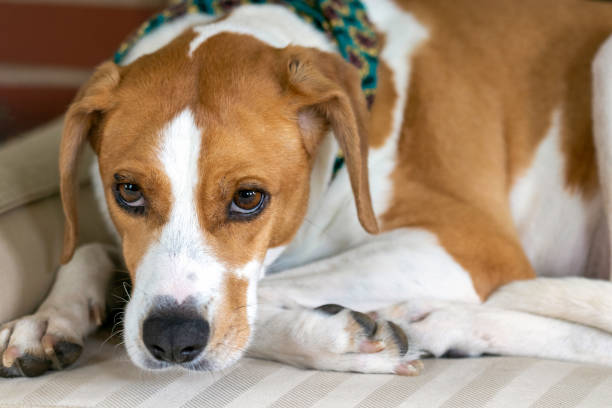
Discospondylitis, often incorrectly generalized as “spondylitis,” is a severe, infectious condition involving the intervertebral disc and the adjacent vertebral endplates in dogs. It is fundamentally an infection, contrasting sharply with the more common, non-infectious, degenerative condition known as Spondylosis Deformans.
The condition is characterized by an inflammatory process initiated by microorganisms—most commonly bacteria or, less frequently, fungi—that infiltrate the vascular supply of the vertebral body and the intervertebral disc space. The resulting inflammation and infection cause destruction of the bony endplates (osteomyelitis) and the disc material itself, leading to significant instability, pain, and, potentially, severe neurological deficits due to spinal cord compression.
Discospondylitis typically affects the fibrocartilaginous portion of the spine, where the blood supply allows hematogenous (blood-borne) spread of pathogens to lodge in the highly metabolic areas of the vertebral bodies. Due to the high morbidity and the complex, long-term treatment required, early and accurate diagnosis is critical for a favorable outcome.
II. CAUSES AND PATHOGENESIS
Discospondylitis is caused by the systemic dissemination of infectious agents that lodge in the vertebral disc space. The intervertebral disc of an adult dog is largely avascular (lacking blood vessels), but the adjacent vertebral endplates are highly vascularized, making them prime targets for bacteria traveling through the bloodstream.
A. Primary Etiologic Agents
The vast majority of canine discospondylitis cases are bacterial in origin.
- Bacteria (Most Common):
- Staphylococcus pseudintermedius: This is by far the most commonly isolated pathogen, often accounting for 50-80% of identified cases. This bacterium is commensal (naturally occurring) on canine skin and mucous membranes but can become pathogenic when systemic spread occurs.
- Brucella canis: This is a critically important, zoonotic pathogen, particularly prevalent in certain geographic regions and breeding populations. When Brucella is the cause, the clinical signs are often more severe, and systemic infection (including reproductive tract involvement and uveitis) is common.
- Escherichia coli (E. coli), Streptococcus spp., Klebsiella pneumoniae, Proteus mirabilis: These are often isolated when the primary source of infection is the urinary tract, prostate, or other internal organs.
- Fungi (Less Common but Severe):
- Aspergillus terreus: Fungal discospondylitis is rare, but when it occurs, it is often more refractory to treatment and carries a guarded prognosis. Aspergillus infections usually present with systemic signs and may involve multiple disc spaces simultaneously.
- Coccidioides immitis (Valley Fever): Geographic prevalence dictates the risk of this fungal cause.
B. Routes of Infection (Hematogenous Spread)
The infectious agent virtually always reaches the spinal column via the bloodstream (hematogenous spread) from an established focus of infection elsewhere in the body. The source infection may be subtle or completely resolved by the time spinal signs appear, making identification of the primary source challenging.
Common primary sources include:
- Urinary Tract Infections (UTIs): Highly common, especially in older dogs. Bacteria from the bladder or urethra enter the bloodstream.
- Prostatitis/Prostatic Abscesses: Infections in the male reproductive tract are a significant source, often linked to organisms like E. coli or Brucella.
- Dental Disease/Periodontal Infections: Severe infections in the mouth can readily seed bacteria into the systemic circulation.
- Endocarditis (Heart Valve Infection): Bacteria on damaged heart valves can shed into the bloodstream and travel to the spine.
- Iatrogenic Spread: Rarely, infection can be introduced through contaminated surgical procedures, spinal needle taps, or penetrating bite wounds near the spine.
- Immune Compromise: Any condition that compromises the dog’s immune system (Cushing’s disease, long-term steroid use, diabetes mellitus) increases susceptibility to systemic seeding.
C. Pathophysiology
The process begins when bacteria are filtered out of the blood in the highly vascular sinusoidal network of the vertebral endplates. The organism proliferates, leading to:
- Lysis and Destruction: The infection causes localized destruction (lysis) of the bone, leading to irregular, ‘moth-eaten’ appearances on the endplates. This creates pain and instability.
- Inflammation: Pus (exudate) can build up inside the disc space and track out, potentially forming abscesses (paravertebral abscesses) that compress the spinal cord or nerve roots.
- Healing (Sclerosis and Bridging): If the dog survives the acute phase, the body attempts to permanently stabilize the painful site by laying down new bone (sclerosis). This can eventually lead to the adjacent vertebrae fusing (bony bridging), stabilizing the site but potentially compromising movement.
III. SIGNS AND SYMPTOMS
The clinical presentation of discospondylitis is highly variable, ranging from severe, acute pain to subtle, chronic stiffness. The location of the infection (cervical, thoracolumbar, or lumbosacral) dictates specific neurological signs.
A. General and Systemic Signs
These signs often reflect the underlying systemic infection:
- Severe Spinal Pain (Hyperesthesia): This is the most consistent and often the only initial sign. Pain may be localized and elicited only upon deep palpation or manipulation of the neck or back.
- Reluctance to Move: Dogs may refuse to jump, climb stairs, or play. They often move stiffly (short-strided gait).
- Lethargy and Depression: Due to chronic pain and systemic infection.
- Fever (Pyrexia): Especially common in the acute phase or with widespread infection (though fever may be intermittent or absent in chronic cases).
- Weight Loss and Decreased Appetite: Associated with chronic illness.
B. Neurological and Localized Signs
Neurological deficits occur when the inflammation, resulting abscess/granuloma, or secondary instability compresses the spinal cord or exiting nerve roots.
| Location of Infection | Common Clinical Signs | Severity |
|---|---|---|
| Cervical Spine (Neck) | Neck stiffness, carrying the head low, crying out when eating or lowering the head, reluctance to turn the head. | Can lead to tetra-paresis (weakness in all four limbs) and severe proprioceptive deficits. |
| Thoracolumbar Spine (Mid-Back) | Kyphosis (arched back), cautious or short-strided gait in the rear limbs, difficulty rising. | Most commonly leads to pelvic limb ataxia (incoordination) and paresis (weakness). |
| Lumbosacral Spine (Lower Back) | Intense back pain often misinterpreted as hip pain, difficulty defecating or urinating, tail weakness. | Can mimic Cauda Equina Syndrome; may result in fecal/urinary incontinence due to damage to nerve roots controlling the tail and sphincters. |
| Multiple Sites | Systemic illness, severe pain across major portions of the spine, poor response to pain medication. | Indicates a widespread infection, often requiring aggressive diagnostic workup for Brucella or fungal infection. |
IV. DOG BREEDS AT RISK & AGE AFFECTED
Discospondylitis primarily affects large and giant breed dogs, potentially due to the increased biomechanical stresses placed on their spines, or sometimes due to specific hereditary traits that predispose them to systemic infections or immune compromise.
A. Dog Breeds at Risk
1. German Shepherd Dogs (GSDs)
GSDs are highly represented in studies of discospondylitis. While their large size and propensity for spinal issues (like degenerative myelopathy) are factors, GSDs also seem predisposed to certain systemic infections, including those that lead to spinal seeding. They frequently present with infections originating from the genitourinary tract. A high index of suspicion should be maintained for any GSD presenting with back pain.
2. Great Danes and Boxers
These breeds exhibit a high predisposition. Great Danes, due to their sheer size and rapid vertical growth, place immense mechanical stress on their intervertebral discs. Boxers, however, may have a genetic predisposition. Studies suggest Boxers have a higher-than-average incidence of both Staphylococcus and Aspergillus-related cases. Their brachiocephalic structure and associated immune weaknesses might contribute to easier hematogenous spread from localized infections (e.g., dental or skin folds).
3. Rottweilers and Dobermans
As powerful working breeds, Rottweilers and Dobermans are frequently affected, often alongside the general population of large breeds. Owners of these dogs must be particularly vigilant regarding dental hygiene and early detection of UTIs, as these are common entry points for the infectious agents.
4. Breeds with High Brucella Risk (Hunting and Working Dogs)
In areas where canine brucellosis (B. canis) is endemic, any breeding or intact dog involved in hunting or kennel environments is at heightened risk. B. canis is easily transmitted and has a strong predilection for the discs and reproductive organs. Breeds like Beagles, Hounds, and certain territorial working breeds may fall into this category.
B. Age Affected
Discospondylitis is overwhelmingly a disease of middle-aged to older adult dogs, typically spanning 3 to 7 years of age in large breeds.
- Adult Dogs (Primary Demographic): In this age group, the cause is usually secondary to chronic bacterial seeding from a pre-existing condition (UTI, prostatitis, dental disease).
- Older Dogs (Geriatric): Dogs over 9 or 10 years old are at risk, particularly if they have underlying endocrine diseases (like Cushing’s or uncontrolled diabetes) that compromise the immune system.
- Puppies (Rare): While rare, Discospondylitis can occur in puppies if they experience a severe episode of bacteremia (bacteria in the blood) following neonatal umbilical stump infection or severe septicemia.
V. DIAGNOSIS OF DISCOSPONDYLITIS
A definitive diagnosis requires a combination of clinical suspicion, advanced imaging, and, optimally, the identification of the causative organism.
A. Initial Clinical and Neurological Assessment
The veterinarian will perform a thorough physical exam, noting the dog’s posture, gait, and response to manipulation. A careful neurological exam is vital to localize the lesion and grade the severity of any spinal cord compression.
- Key Finding: Exacerbation of deep, localized pain upon digital pressure applied directly over a vertebral process.
- Laboratory Workup: A complete blood count (CBC) often shows signs of systemic inflammation (leukocytosis, neutrophilia) and sometimes anemia of chronic disease. Chemistry panels may reveal elevated C-Reactive Protein (CRP), a general marker of inflammation.
B. Diagnostic Imaging: The Cornerstones of Diagnosis
1. Survey Radiography (X-rays)
Radiographs are the primary initial screening tool, but they have a significant limitation: the visible bony changes of discospondylitis may lag behind the clinical infection by 2 to 6 weeks. A dog may be severely painful but have initially normal radiographs.
- Classic Radiographic Findings (Late Stage):
- Lysis and Irregularity: Destruction of the smooth endplates adjacent to the affected disk space, giving a characteristic “moth-eaten” or irregular appearance.
- Widening or Narrowing: The disc space itself may appear widened early on due to inflammation or narrowed later due to disc material decay.
- Osteophyte Formation/Sclerosis: As the body attempts to repair, new bone formation (sclerosis, increased density) occurs on the vertebral bodies.
- Bony Bridging: In chronic cases, the new bone growth bridges the two adjacent vertebrae, fusing them in an attempt to stabilize the painful segment.
2. Advanced Imaging (CT and MRI)
These modalities are essential for determining the extent of neural involvement and for surgical planning.
- Computed Tomography (CT): Excellent for visualizing early bony destruction (lysis and endplate irregularity) that might not yet be evident on plain X-rays. CT is superior for assessing bone architecture.
- Magnetic Resonance Imaging (MRI): The gold standard for assessing soft tissue structures. MRI clearly shows inflammation within the disc space and vertebral bone marrow, identifies potential abscess formation, and, most importantly, visualizes the degree of spinal cord compression caused by the infection or inflammatory tissue.
C. Identifying the Pathogen (Definitive Diagnosis)
Identifying the specific causative organism is crucial for effective treatment, as many infections are caused by multi-drug resistant bacteria or specific fungi.
- Blood and Urine Culture: Cultures should always be performed. Positive blood cultures (bacteremia) strongly suggest the cause, but the bacteria isolated may not always be the same as those localized in the spine. Urine culture is vital, especially when E. coli or Proteus are suspected from a known UTI.
- Serology for Brucella canis: Every dog diagnosed with discospondylitis of unknown origin, especially intact males, must be tested for B. canis via agglutination tests (e.g., RSAT, TAT). A positive result requires highly specific, long-term antibiotic therapy, as well as strict isolation protocols due to zoonotic risk.
- Aspirate Culture (Gold Standard): The most definitive diagnostic tool is culturing a sample directly from the infected disc space. This is a highly specialized procedure, usually performed under fluoroscopic or CT guidance, to collect purulent material or tissue for bacterial and fungal culture and sensitivity testing.
VI. TREATMENT PROTOCOLS
Treatment for discospondylitis is prolonged, requires strict adherence by the owner, and is typically divided into medical management and, occasionally, surgical intervention.
A. Medical Management (The Primary Treatment)
Antibiotic therapy is the mainstay of treatment and must be aggressive, systemic, and long-term.
1. Antibiotic Selection and Duration
Treatment usually starts empirically (based on the most likely culprit, which is Staphylococcus) and is adjusted once culture and sensitivity results are available.
- Empirical Therapy: While awaiting culture results, antibiotics effective against Gram-positive bacteria, particularly S. pseudintermedius, are started. Common initial choices include first-generation cephalosporins (e.g., Cephalexin), potentiated sulfonamides (TMP-SMX), or Clindamycin.
- Specific Therapy: Once the organism is identified, antibiotics are chosen based on the sensitivity profile. Specific treatments include:
- Staphylococcus: Based on sensitivity, often involves Cefazolin, Clindamycin, or certain fluoroquinolones (used cautiously).
- Brucella canis: Requires a combination therapy (e.g., Doxycycline plus Streptomycin or Rifampin) for 6 to 12 months. Monotherapy is often ineffective.
- Fungal Infection (Aspergillus): Requires high doses of specific systemic antifungal drugs (e.g., Itraconazole or Fluconazole), often for 12 months or longer, and carries a poor prognosis.
- Duration: The duration is critical. Due to the poor antibiotic penetration into bone and disc tissue, antibiotics must be administered for a minimum of 6 to 8 weeks after all clinical signs and radiographic abnormalities have resolved, often translating to 4 to 9 months, or even 12 months total duration. Premature cessation of antibiotics is the leading cause of relapse.
2. Pain Management
Controlling pain is vital for improving quality of life and encouraging mobility necessary for recovery.
- NSAIDs (Non-Steroidal Anti-Inflammatory Drugs): Used cautiously and often only initially, as they can mask clinical signs needed to monitor treatment success. Care must be taken if the dog has other systemic illnesses.
- Opioids and Adjunctive Pain Relief: Drugs like Gabapentin (for nerve pain), Amantadine, and Tramadol (adjunctive) are often used long-term to manage chronic discomfort.
3. Strict Rest and Rehabilitation
Dogs must be strictly confined for the acute phase (4–6 weeks) to prevent instability, further pain, and potential fracture at the affected site. Controlled leash walks are introduced slowly as pain resolves, avoiding jumping, running, or stair climbing for the duration of the antibiotic treatment.
B. Surgical Intervention
Surgery is generally reserved for failure of medical management or severe complications.
- Spinal Decompression: Necessary if the infection has caused a large paraspinal abscess or inflammatory tissue (granuloma) that is severely compressing the spinal cord, leading to rapid deterioration of neurological function (paresis or paralysis).
- Stabilization: Required if the infection has caused so much bone destruction that the spinal column has become pathologically unstable, risking catastrophic spinal cord injury.
- Debridement and Biopsy: Surgery provides an opportunity to aggressively debride infected tissue and collect definitive samples for culture if needle aspiration failed.
VII. PROGNOSIS & COMPLICATIONS
A. Prognosis
The prognosis for dogs with discospondylitis is generally good to excellent—provided the causative agent is identified early, treatment is consistent, and the owner adheres strictly to the long-term antibiotic regimen.
- Favorable Outcomes: Most dogs (70-85%) recover fully and return to a good quality of life if the infection is bacterial and sensitivity-guided antibiotics are used for sufficient duration.
- Guarded Prognosis: The prognosis is much more guarded if:
- The cause is fungal (Aspergillus).
- The patient presents with severe neurological deficits (paresis or paralysis).
- The infection is caused by highly drug-resistant organisms (e.g., MRSA/MRSP).
- The causative agent is Brucella canis, which requires difficult combination therapy and carries a high relapse rate.
B. Complications
- Relapse and Recurrence: The most common complication, almost always due to premature cessation of antibiotics. Relapses are often harder to treat due to potential antibiotic resistance.
- Chronic Spinal Cord Damage: Permanent neurological deficits (ataxia, residual weakness, diminished proprioception) can remain if damage to the spinal cord or nerve roots occurred before decompression.
- Chronic Pain: Even after the infection is cleared and the vertebrae have fused, some dogs may develop chronic mechanical back pain due to altered movement mechanics or nerve root irritation from the fusion site.
- Drug Side Effects: Long-term antibiotic use can lead to gastrointestinal upset, risk of Clostridium difficile overgrowth, or, occasionally, kidney or liver toxicity, necessitating regular monitoring.
VIII. PREVENTION
While it is impossible to prevent circulating bacteremia entirely, prevention focuses on minimizing the underlying systemic infections that allow pathogens to seed the spine.
- Aggressive Management of UTIs and Periodontal Disease: Promptly diagnose and treat urinary tract infections, skin infections, and severe dental disease. Routine dental cleanings and proactive oral hygiene are crucial, particularly in predisposed breeds.
- Prostatic Health: Ensure prompt treatment of prostatitis in intact male dogs. Castration significantly reduces the risk of prostatic infection, which is a major source of spinal seeding.
- Brucella Screening: For breeding animals or dogs in kennel environments, mandatory testing for Brucella canis should be routine, both for the health of the dog and for public health safety. Infected dogs should be isolated and removed from breeding programs.
- Weight Management: Maintaining an ideal body weight reduces biomechanical stress on the spine, potentially reducing the microtrauma that might make the vertebral endplates more susceptible to bacterial lodging.
IX. DIET AND NUTRITION
Nutrition during recovery is focused on supporting the immune system, managing inflammation, and ensuring positive energy balance to aid tissue repair, all while counteracting the potential negative effects of long-term medications.
A. Immune and Healing Support
The body requires high-quality nutrition to fight infection and repair damaged bone.
- High-Quality Protein: Essential for tissue repair, immune cell production (antibodies), and bone matrix formation. Ensure the diet contains highly digestible protein sources (e.g., chicken, lamb, fish). Protein requirements may be slightly elevated during the intense healing phase.
- Vitamins C and E (Antioxidants): These help neutralize free radicals generated by the severe inflammatory response. Vitamin C is also important in collagen synthesis for connective tissue repair.
B. Anti-Inflammatory and Bone Health Support
While infection is the primary issue, minimizing secondary inflammation aids pain control and healing.
- Omega-3 Fatty Acids (EPA and DHA): Eicosapentaenoic acid (EPA) and Docosahexaenoic acid (DHA), typically derived from marine sources (fish oil), are potent natural anti-inflammatories. Supplementation helps modulate the excessive inflammatory cascade in the spine. Recommended dosages should be based on therapeutic levels, not just maintenance.
- Calcium, Phosphorus, and Vitamin D: Adequate intake is necessary for bone healing (re-mineralization and sclerosis). The diet should be balanced, but excessive, non-therapeutic supplementation should be avoided unless a deficiency exists.
- Trace Minerals: Zinc, Copper, and Manganese are co-factors crucial for bone healing, collagen cross-linking, and immune function.
C. Gut Health Management (Counteracting Antibiotics)
Long-term antibiotic use can severely disrupt the dog’s gut microbiome, leading to diarrhea, malabsorption, or secondary infections.
- Probiotics and Prebiotics: Supplementation with species-specific probiotics (beneficial bacteria) can help restore gut flora balance. Prebiotics (non-digestible fibers like FOS or MOS) feed the beneficial bacteria. This combined approach is crucial for maintaining intestinal integrity and systemic immune health throughout multi-month antibiotic courses.
- Fiber Management: Adequate soluble and insoluble fiber is necessary to regulate bowel movements, especially if the dog is on strict rest, which can lead to constipation.
D. Weight Management
It is vital to maintain an Ideal Body Condition Score (BCS 4-5/9). Obese dogs place higher compressive forces on the healing spine, delaying recovery and increasing pain. Weight loss should be prioritized if the dog is overweight, utilizing therapeutic low-calorie, high-protein diets if necessary.
X. ZOONOTIC RISK: BRUCELLA CANIS
The most critical factor regarding public health and safety in discospondylitis is the potential involvement of Brucella canis.
A. Transmission and Risk
B. canis is a highly contagious bacterium that causes abortions, sterility, and epididymitis in dogs, but critically, it is zoonotic (transmissible from animals to humans).
- Dog-to-Dog Transmission: Primarily through contact with aborted material, placental discharge, vaginal discharge, semen, and urine.
- Dog-to-Human Transmission: Occurs through exposure to infected bodily fluids. High-risk activities for humans include:
- Handling the infected dog’s reproductive discharge (e.g., cleaning up an abortion site).
- Contact with the dog’s urine or semen (especially for veterinary staff).
- Rarely, through close contact with the dog’s blood or saliva, or needle-stick injuries during veterinary procedures.
B. Human Health Implications
In humans, B. canis infection (Brucellosis) often presents as a severe, chronic, flu-like illness characterized by intermittent, recurring fever (“undulant fever”), headache, malaise, muscle pain, and joint pain. If untreated or misdiagnosed, it can lead to serious complications such as endocarditis (heart valve infection), osteomyelitis (bone infection), and neurological issues.
C. Precautions for Diagnosis and Treatment
- Mandatory Testing: All dogs diagnosed with discospondylitis of unknown origin, regardless of reproductive status, should be tested for B. canis.
- Isolation and Hygiene: If B. canis is diagnosed, extreme care must be taken. Owners and staff must wear gloves and protective clothing when handling the dog or cleaning its environment. The dog should be isolated from other pets, particularly breeding animals, and caution must be exercised when handling biological waste (urine and feces).
- Owner Counseling: Owners must be thoroughly educated on the risks, testing protocols for human family members, and the necessity of wearing protective equipment for the duration of treatment. Due to the chronic, recurrent nature of the infection and the zoonotic risk, euthanasia is sometimes necessary, particularly in working or breeding dogs, though most infected pets can be managed successfully under strict quarantine protocols.
XI. CONCLUSION
Discospondylitis is a serious, painful, and often debilitating spinal infection requiring prompt diagnosis and meticulous long-term care. While the clinical signs can be alarming, a commitment to lengthy, appropriate antibiotic therapy, coupled with essential supportive care encompassing pain management and targeted nutrition, ensures a high rate of recovery and a return to a good quality of life for the majority of affected dogs. Vigilance toward systemic primary infections remains the best preventative strategy.
#Discospondylitis #CanineHealth #DogSpine #DogBackPain #VeterinaryMedicine #BrucellaCanis #DogNeurology #SpinalInfection #DogTreatment #LargeBreedDogs #VetTechs #DogDiagnosis #DogRecovery #DogMom #PetHealthAwareness #StaphylococcusInfection #CanineBrucellosis #DogWellness #SpondylitisDog #VetEducation






Add comment