
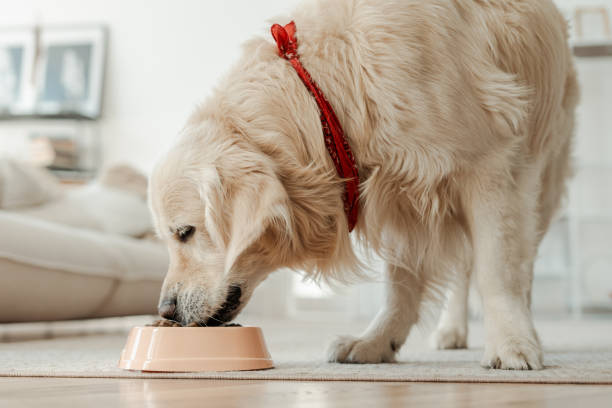
A dislocated hip, also medically termed hip luxation, is a debilitating orthopedic injury in dogs that can cause severe pain and lameness. It occurs when the ball (femoral head) of the thigh bone (femur) separates from the socket (acetabulum) of the pelvis, disrupting the normal articulation of the hip joint. This condition requires prompt veterinary attention to alleviate pain, restore joint function, and prevent long-term complications. Understanding the causes, recognizing the symptoms, and knowing the available treatments are crucial for any dog owner. This comprehensive guide will delve into every aspect of dislocated hips in dogs, from anatomy to prevention, providing an elaborate resource for pet parents and enthusiasts.
Anatomy of the Canine Hip Joint
To fully grasp what a dislocated hip entails, it’s essential to understand the basic anatomy of a dog’s hip joint. The hip is a classic ball-and-socket joint, renowned for its stability and wide range of motion.
The two primary components are:
- Femoral Head: This is the “ball” – the rounded, smooth top end of the femur (thigh bone).
- Acetabulum: This is the “socket” – a deep, cup-shaped depression on the side of the pelvis.
These two surfaces are covered with smooth articular cartilage, which allows for frictionless movement. The joint is encased within a tough, fibrous joint capsule, which contains synovial fluid to lubricate the joint. Crucially, internal stability is provided by the ligament of the head of the femur (teres ligament), a strong, short ligament connecting the center of the femoral head to the acetabulum. Additional stability comes from the surrounding powerful muscles (gluteal, hamstring, quadriceps) and ligaments. When a dislocated hip occurs, the femoral head is forced out of the acetabulum, often tearing the joint capsule and potentially rupturing the teres ligament.
Causes of Dislocated Hip in Dogs
Dislocated hips in dogs can arise from various factors, broadly categorized into traumatic and non-traumatic origins. Understanding the cause is vital for effective treatment and long-term management.
1. Trauma (Most Common Cause)
The vast majority of hip luxations in dogs are the result of significant trauma. The force required to displace the femoral head from its socket is substantial, typically overcoming the strong ligaments and joint capsule.
- Automobile Accidents (Hit by Car – HBC): This is by far the leading cause. The impact can twist the hip joint violently, forcing the femoral head out.
- Falls from Heights: Dogs falling from balconies, stairs, or even out of moving vehicles can sustain severe hip injuries.
- High-Impact Collisions: Running into fixed objects, colliding with other animals or people at high speed, or rough play that results in a severe twist or impact.
- Sudden, Awkward Movements: While less common for complete luxation, an extreme twist or misstep during vigorous activity can sometimes be enough, especially if underlying joint laxity is present.
2. Underlying Joint Conditions and Predispositions
While trauma is often the immediate trigger, pre-existing conditions can significantly increase a dog’s susceptibility to luxation, even with less severe trauma. In these cases, the joint is inherently less stable.
- Hip Dysplasia: This genetic developmental condition results in a malformation of the hip joint, where the acetabulum is too shallow and the femoral head doesn’t fit snugly. The joint becomes loose (lax), making it highly prone to luxation, especially in cases of severe dysplasia. The teres ligament might also be stretched or weakened.
- Shallow Acetabulum/Joint Laxity: Even without full-blown hip dysplasia, some dogs may have naturally shallower sockets or looser joint capsules, predisposing them to dislocation. This can be congenital (present from birth).
- Degenerative Joint Disease (Osteoarthritis): Chronic arthritis can lead to weakening and damage of the joint capsule and surrounding soft tissues. While arthritis usually stiffens joints, severe cases can lead to laxity or instability, making luxation possible, particularly in older dogs.
- Avascular Necrosis of the Femoral Head (Legg-Calvé-Perthes Disease): Primarily seen in small breed puppies, this condition involves the collapse and death of the femoral head due to insufficient blood supply. The altered shape and integrity of the femoral head can lead to secondary instability and luxation.
- Congenital Malformations: Rare cases can involve dogs born with significant structural abnormalities of the hip joint that make luxation almost inevitable.
- Neuromuscular Diseases: Conditions that affect muscle strength, coordination, or nerve supply to the hind limbs can reduce the dynamic stability provided by muscles, indirectly increasing the risk of dislocation during movement or accidental trauma.
3. Iatrogenic Causes
These are causes related to veterinary intervention, though rare and typically complications of other procedures.
- Post-Surgical Complications: Luxation can sometimes occur after certain hip surgeries (e.g., femoral head and neck ostectomy if not well-healed, or improper recovery) or pelvic fracture repairs if stability is compromised.
The direction of luxation is also important. Craniodorsal luxation (where the femoral head moves out of the socket and forward/upward) is the most common type (up to 90% of cases), often due to twisting or inward rotation of the femur. Less common are caudoventral (backward/downward) or cranial ventral luxations.
Signs and Symptoms of Dislocated Hip in Dogs
Recognizing the signs of a dislocated hip is critical for prompt treatment. The symptoms are typically acute and severe, reflecting the intense pain and loss of function.
1. Acute, Non-Weight-Bearing Lameness
This is the most defining symptom. The dog will suddenly be unable or unwilling to put any weight on the affected hind limb. They may hold the leg up or drag it.
2. Severe Pain
Dogs with a dislocated hip are in intense pain.
- Vocalization: Whining, yelping, or crying, especially when attempting to move or being touched.
- Guarding the Limb: The dog may become protective of the affected leg, growling or acting aggressively if the hip area is approached or touched.
- Restlessness/Inability to Get Comfortable: They may pace, shift positions frequently, or struggle to find a comfortable lying position.
- Loss of Appetite: Due to pain and stress.
3. Abnormal Limb Position
The specific position of the limb can often indicate the direction of the luxation (though veterinary confirmation is needed).
- Craniodorsal Luxation (Most Common): The affected leg often appears shortened. The hock (ankle) is typically rotated inwards (adducted) and the stifle (knee) rotated outwards (externally rotated), giving the limb a characteristic “figure-4” appearance when viewed from behind.
- Caudoventral Luxation: The limb may appear lengthened, abducted (held away from the body), and internally rotated.
4. Difficulty with Movement
- Inability to Stand or Walk: In severe cases, the dog may be unable to stand up at all.
- Reluctance to Move: Any movement will exacerbate pain, so the dog will try to remain still.
- Difficulty with Basic Activities: Struggling to sit down, lie down, or climb stairs.
5. Swelling
Inflammation and bruising around the hip joint may cause visible swelling or tenderness to the touch.
6. Crepitus (Grating Sound)
In some cases, if the bones are rubbing, a grating or cracking sound might be heard or felt upon careful manipulation of the hip, though this is often obscured by pain and muscle guarding.
7. Asymmetry
A visual inspection might reveal one hip appearing higher or lower, or the overall symmetry of the hindquarters being off.
Any dog presenting with sudden, severe hindlimb lameness and signs of pain should be immediately evaluated by a veterinarian. Attempting to manipulate the limb yourself can cause further damage and intensify the dog’s pain.
Dog Breeds at Risk
While any dog can experience a traumatic hip luxation, certain breeds are predisposed due to their genetics, conformation, or activity levels, making them more susceptible to both primary hip conditions and secondary luxations. It’s important to note that a “breed at risk” for hip luxation often means a breed predisposed to hip dysplasia or similar orthopedic conditions that weaken the hip joint.
Large and Giant Breeds (Primarily due to Hip Dysplasia)
- German Shepherd Dog: German Shepherds are notoriously prone to hip dysplasia, a condition where the hip joint doesn’t form correctly. This leads to a shallow acetabulum and laxity in the joint, making the femoral head more likely to slip out, especially after even minor trauma, or as a progression of severe dysplasia. Their active, working nature can also increase cumulative stress on compromised joints.
- Labrador Retriever: Another immensely popular breed, Labradors also have a high incidence of hip dysplasia. Their robust build, high energy levels, and love for strenuous activities like retrieving and swimming can put significant strain on poorly formed hip joints, increasing the risk of luxation if the joint capsule and ligaments are compromised.
- Golden Retriever: Similar to Labradors, Golden Retrievers are active, medium-to-large dogs frequently diagnosed with hip dysplasia. Their genetic predisposition to this condition makes their hip joints inherently less stable over time, rendering them more vulnerable to dislocation from trauma or even forceful movements during play.
- Rottweiler: Rottweilers are powerful, muscular dogs, and their large stature puts considerable weight and stress on their joints. They are particularly susceptible to hip dysplasia, which, combined with their strength and sometimes boisterous nature, can lead to hip luxation during intense activity or accidental impacts.
- Great Dane: As one of the largest dog breeds, Great Danes experience rapid growth and immense body weight, both factors that can exacerbate genetic predispositions to hip dysplasia. The sheer forces involved in their movements can cause a compromised hip joint to luxate more easily than in smaller breeds.
- Saint Bernard: These gentle giants also carry considerable weight and are prone to hip dysplasia. The structural integrity of their hip joints can be challenged by their size, making them susceptible to luxation if the joint is dysplastic and subjected to undue stress.
- Bernese Mountain Dog: Bernese Mountain Dogs are known for their sturdy build and gentle temperament but are unfortunately predisposed to hip and elbow dysplasia. The genetic laxity associated with hip dysplasia in this breed increases the risk of the femoral head dislocating, particularly if they experience a fall or a sudden, awkward movement.
- Newfoundland: Newfoundlands, with their massive size and love for water activities, are another breed at higher risk for hip dysplasia. Their heavy frames can put chronic stress on their hip joints, and while generally placid, any sudden, forceful movement or trauma can lead to luxation in a dysplastic hip.
- Mastiff Breeds (e.g., English Mastiff, Bullmastiff): These colossal breeds share the common large-breed susceptibility to hip dysplasia due to their rapid growth and immense body mass. The sheer mechanical forces on their joints, combined with genetic predispositions, significantly elevate their risk for conditions that can lead to hip luxation.
Smaller Breeds (Primarily due to Legg-Calvé-Perthes Disease or High Activity/Fragility)
- Yorkshire Terrier: Yorkshire Terriers are a prime example of a small breed highly prone to Legg-Calvé-Perthes disease (LCPD). This condition, typically affecting puppies aged 4-12 months, involves the deterioration of the femoral head due to a disrupted blood supply. The weakened and deformed femoral head can easily collapse or dislocate, even from minor trauma or just normal movement.
- West Highland White Terrier: Similar to Yorkies, Westies are also overrepresented in cases of Legg-Calvé-Perthes disease. Their active nature, combined with the susceptibility to LCPD, makes them vulnerable to femoral head instability and subsequent luxation during their developmental stages.
- Miniature Poodle: While not as commonly cited for LCPD as terriers, Miniature Poodles can also suffer from this condition. Additionally, their fine bone structure and energetic disposition make them somewhat susceptible to traumatic injuries that could lead to hip luxation, particularly if they have underlying joint laxity.
- Chihuahua: Chihuahuas are small and delicate, making them prone to injuries from falls or missteps. While hip dysplasia is less common than in large breeds, they can suffer from LCPD. Their fragile build means that even minor trauma that might be inconsequential for a larger dog could lead to a severe injury like a hip luxation.
- Pomeranian: Pomeranians are another toy breed that can be affected by Legg-Calvé-Perthes disease. Their small size and high energy can also lead to accidental falls or impacts during play, which, coupled with any inherent joint weakness, may result in a dislocated hip.
- French Bulldog: While often known for spinal issues, French Bulldogs can also be predisposed to various orthopedic problems, including hip dysplasia, albeit usually less severely than large breeds. Their compact, muscular build and sometimes awkward gait can put stress on their hip joints, and their popularity sometimes leads to less stringent breeding, increasing the prevalence of congenital issues.
It’s crucial for owners of these at-risk breeds to be vigilant about their dog’s mobility, manage their weight, provide appropriate exercise, and consider genetic screening for hip dysplasia if planning to breed.
Affects Puppy, Adult, or Older Dogs
A dislocated hip can affect dogs of any age, but the underlying causes and predisposing factors often differ depending on the life stage.
1. Puppies and Juveniles (Typically < 1 year old)
- Congenital Issues: Some puppies can be born with hip malformations that make luxation possible very early in life, though this is rare.
- Legg-Calvé-Perthes Disease: This condition primarily affects small breed puppies, usually between 4 and 12 months of age. The necrosis (death) of the femoral head tissue leads to a weakened, deformed femoral head that can easily luxate.
- Early Onset Hip Dysplasia: While often diagnosed later, severe hip dysplasia can manifest early with significant joint laxity, making puppies susceptible to luxation even from routine play or minor falls.
- Trauma: Puppies are boisterous and prone to accidents during play, falls, or being stepped on, which can lead to traumatic luxations. Their bones and ligaments are still developing and may be more vulnerable in some aspects.
2. Adult Dogs (Typically 1-7 years old)
- Trauma (Most Common): Adult dogs, especially active ones, are most likely to suffer traumatic hip luxations from incidents like car accidents, falls, or high-impact collisions. Their stronger bones and ligaments require greater force to dislocate, but accidents happen.
- Progression of Hip Dysplasia: Dogs with pre-existing mild to moderate hip dysplasia may experience a spontaneous luxation or a luxation after relatively minor trauma, as the joint has progressively weakened over time.
- Degenerative Joint Disease: While more common in older dogs, some adult dogs may develop osteoarthritis early due to injury or genetic predisposition, which can compromise joint stability.
3. Older Dogs (Typically > 7 years old, depending on breed size)
- Degenerative Joint Disease/Severe Osteoarthritis: Older dogs frequently suffer from advanced osteoarthritis, which can weaken the joint capsule, lead to muscle atrophy, and decrease overall joint stability, making them more susceptible to luxation even from less severe trauma or awkward movements.
- Muscle Atrophy: Age-related muscle loss around the hip joint reduces the dynamic support, making the joint inherently less stable.
- Trauma: Older dogs may have reduced agility, balance, and reaction times, making them more prone to falls or accidents that could result in hip luxation.
- Pathological Fractures: In rare cases, underlying bone tumors or severe osteoporosis could weaken the femoral head, leading to a “pathological” luxation or fracture-luxation.
In summary, while traumatic luxations are possible at any age, breed-specific developmental conditions (like LCPD) affect puppies, while degenerative conditions (like severe osteoarthritis) predispose older dogs. Adult dogs are most commonly affected by acute, high-impact trauma.
Diagnosis of Dislocated Hip in Dogs
Accurate diagnosis is crucial for determining the best course of treatment. The diagnostic process typically involves a combination of physical examination and imaging.
1. Physical Examination
The veterinarian will conduct a thorough orthopedic examination, often requiring sedation due to the intense pain experienced by the dog.
- Observation: Assess gait (non-weight bearing), limb position (shortened, rotated), and overall posture.
- Palpation:
- Pain Response: Extreme pain will be evident upon touching the hip region.
- Crepitus: A gritty or grinding sensation may be felt if the bones are rubbing, though this is often difficult to elicit due to pain.
- Loss of Normal Bony Landmarks: The greater trochanter (a prominent bony point on the top of the femur) will be out of its normal position relative to the ischial tuberosity (point of hip) and iliac crest.
- Asymmetry: One hip may feel “empty” while the femoral head is palpable in an abnormal location (e.g., craniodorsally).
- Range of Motion: Carefully assessing the range of motion of the hip.
- Reduced/Abnormal Range of Motion: The hip will have a restricted and painful range of motion, and normal movements (e.g., abduction) may be impossible.
- “Thumb Test”: In a normal hip, a thumb pressed into the indentation above the greater trochanter will cause the trochanter to push the thumb out when the hip is externally rotated. With a craniodorsal luxation, the trochanter is displaced, and this test will be abnormal.
- Ortolani Sign/Bardens Test (for Hip Dysplasia): While not for acute luxation, these tests are used to assess hip laxity in dogs suspected of hip dysplasia, which may be an underlying cause or predisposing factor. These are done under deep sedation or anesthesia.
2. Radiography (X-rays)
X-rays are the definitive diagnostic tool for confirming hip luxation and assessing the extent of damage.
- Positioning: Sedation or general anesthesia is almost always required to achieve proper positioning (e.g., ventrodorsal extended view, lateral view) and ensure the dog is comfortable and still.
- Confirmation of Luxation: X-rays clearly show the femoral head displaced from the acetabulum, confirming the diagnosis and indicating the direction of luxation (e.g., craniodorsal).
- Assessment of Underlying Conditions: Radiographs are crucial for identifying pre-existing conditions that might have contributed to the luxation:
- Hip Dysplasia: Shallowness of the acetabulum, poor femoral head coverage, osteophytes (bone spurs).
- Fractures: Presence of fractures of the femoral head/neck or acetabulum that might accompany or predispose to luxation. A fracture-luxation significantly complicates treatment.
- Degenerative Joint Disease: Signs of osteoarthritis, such as joint space narrowing, subchondral bone sclerosis.
- Legg-Calvé-Perthes Disease: Changes in the femoral head (flattening, irregular density).
- Pre-surgical Planning: X-rays help the veterinarian plan the most appropriate treatment, whether it’s a closed reduction or specific surgical intervention.
3. Advanced Imaging (CT/MRI)
These are generally not required for diagnosing a straightforward hip luxation but may be considered in complex cases:
- Complex Fractures: If there is suspicion of subtle acetabular or femoral head/neck fractures not clearly visible on X-rays.
- Soft Tissue Damage: To assess severe damage to the joint capsule, teres ligament, or surrounding muscles that might impact treatment choices or prognosis.
- Pre-Total Hip Replacement Planning: More detailed imaging can sometimes be used in the very specific planning stages for total hip replacement, though standard high-quality radiographs are usually sufficient.
A prompt and accurate diagnosis is paramount. Once confirmed, a treatment plan can be formulated to address the luxation, manage pain, and restore function.
Treatment of Dislocated Hip in Dogs
The treatment approach for a dislocated hip depends on several factors: the severity of the luxation, the presence of underlying conditions or fractures, the dog’s size and age, the chronicity of the injury, and the owner’s financial capabilities. Broadly, treatments fall into conservative (closed reduction) and surgical (open reduction) categories.
1. Emergency Stabilization
Regardless of the definitive treatment, the initial steps involve:
- Pain Management: Administering potent analgesics (opioids, NSAIDs) to ensure the dog’s comfort.
- Stabilization: If other injuries (e.g., internal bleeding from trauma) are suspected, these take precedence.
- Initial Assessment: Thorough physical exam and radiography.
2. Conservative Management (Closed Reduction)
This is the first-line treatment attempt for most acute traumatic hip luxations, provided there are no concurrent fractures of the femoral head, neck, or acetabulum.
- Procedure:
- General Anesthesia: The dog must be under general anesthesia to achieve complete muscle relaxation and pain control.
- Manual Manipulation: The veterinarian will manually manipulate the affected limb to pop the femoral head back into the acetabulum. This requires specific techniques and significant force. For craniodorsal luxations, the limb is typically abducted, externally rotated, and then internally rotated while applying traction.
- Confirmation: The reduction is confirmed by the “clunk” sensation as the joint re-engages, restoration of normal range of motion, and often a post-reduction X-ray.
- Post-Reduction Stabilization: Once reduced, the joint needs to be stabilized to prevent re-luxation.
- Ehmer Sling: This is the most common external stabilization method for craniodorsal luxations. It’s a bandage that keeps the stifle flexed, abducted, and internally rotated, pushing the femoral head into the acetabulum. It’s usually kept on for 1-2 weeks.
- Hobbles: For caudoventral luxations, hobbles are applied to both hind limbs to prevent excessive abduction and outward rotation.
- Activity Restriction: Strict cage rest and limited activity are crucial for 4-6 weeks to allow the joint capsule and surrounding soft tissues to heal and strengthen.
- Success Rate & Factors: Closed reduction success rates vary, generally ranging from 30-60%. Factors influencing success include:
- Acute Luxation: Higher success with recent luxations (within 24-48 hours) before swelling and muscle contracture become severe.
- First-Time Luxation: Joints with previous luxations are more prone to re-luxation.
- Absence of Hip Dysplasia: Dogs with normal hip conformation have better outcomes.
- Owner Compliance: Strict activity restriction is paramount.
- Complications: The most common complication is re-luxation (up to 50% or more), often within days or weeks of reduction. Sciatic nerve damage is a rare but serious complication during aggressive reduction attempts. Arthritis can progress.
3. Surgical Management (Open Reduction)
Surgery is recommended if closed reduction fails, for chronic luxations, if there are concurrent fractures, or in cases of severe hip dysplasia.
A. Methods to Preserve the Joint (Open Reduction and Internal Fixation)
These aim to restore normal hip anatomy and function.
- Capsulorrhaphy: Repairing the torn joint capsule. This is often combined with other techniques. The joint capsule is crucial for passive stability.
- Toggle Pin Stabilization (Fascia Lata/Prosthetic Ligament): This technique involves placing a toggle pin through the femoral head and acetabulum, securing it with sutures (often non-absorbable material like fascia lata or specialized synthetic material) that mimic the torn teres ligament. This provides internal stability. It is often chosen for traumatic luxations where significant joint capsule damage has occurred and the joint is otherwise healthy.
- Transposition of the Greater Trochanter: Involves moving the attachment point of certain gluteal muscles (which attach to the greater trochanter). By repositioning it, the tension on the gluteal muscles can be altered to pull the femoral head more securely into the acetabulum. This is often combined with capsulorrhaphy.
- Triple Pelvic Osteotomy (TPO) / Double Pelvic Osteotomy (DPO): These procedures are preventative, used in young dogs (typically 6-12 months) with moderate hip dysplasia but no signs of severe osteoarthritis or luxation. They involve cutting the pelvic bone in three (TPO) or two (DPO) places and rotating the segment containing the acetabulum to improve femoral head coverage, thus increasing joint stability. These are not treatments for acute luxation but can prevent future luxations in predisposed dogs.
B. Salvage Procedures (Joint Excision Arthroplasty)
These procedures remove part of the joint and create a “false joint,” alleviating pain but altering normal mechanics.
- Femoral Head and Neck Ostectomy (FHO): This is a common salvage procedure for various hip conditions, including chronic luxations, severe hip dysplasia, Legg-Calvé-Perthes disease, and irreparable fractures of the femoral head/neck. The femoral head and neck are surgically removed. The body then forms a fibrous pseudoarthrosis (false joint) where the muscles support the femur.
- Benefits: Excellent for pain relief, relatively low cost compared to THR, good functional outcome for smaller or leaner dogs, or less active large dogs.
- Drawbacks: Full range of motion and weight-bearing typically not fully restored, potential for muscle atrophy and gait abnormalities. Intensive physical therapy is crucial.
C. Joint Replacement Procedures
- Total Hip Replacement (THR): Considered the “gold standard” for restoring excellent hip function and eliminating pain in suitable candidates, particularly those with end-stage hip dysplasia, severe osteoarthritis, or chronic luxation where other methods have failed. The damaged femoral head and acetabulum are replaced with prosthetic implants (metal and polyethylene components).
- Benefits: Excellent long-term functional outcome, allows return to near-normal activity, complete pain relief.
- Drawbacks: High cost, specialized surgery performed only by board-certified orthopedic surgeons, potential for complications (infection, implant loosening, luxation of the prosthesis), long post-operative recovery.
4. Post-Operative Care
Regardless of the surgical technique, post-operative care is critical:
- Pain Management: Continued analgesia.
- Activity Restriction: Strict cage rest and leash walks for several weeks (duration varies by procedure).
- Physical Therapy/Rehabilitation: Essential for muscle strengthening, maintaining range of motion, and improving function. This often involves passive range of motion exercises, controlled walks, swimming, and therapeutic exercises.
- Follow-up Radiographs: To monitor healing and implant position.
The choice of treatment is a critical discussion between the owner and the veterinarian, considering the individual dog’s circumstances, prognosis, and the resources available.
Prognosis & Complications of Dislocated Hip in Dogs
The prognosis for a dog with a dislocated hip varies significantly depending on several factors, including the cause of the luxation, the presence of concurrent injuries, the chosen treatment method, the dog’s age and overall health, and the owner’s commitment to post-treatment care.
Prognosis
- Closed Reduction:
- Good if successful and stable: If the hip remains in place and the joint capsule heals, the dog can return to normal function.
- High Risk of Re-luxation: This is the primary concern, with reported re-luxation rates ranging from 30% to over 50%. If re-luxation occurs multiple times, surgical intervention becomes necessary.
- Long-Term: Even with successful closed reduction, some degree of osteoarthritis (degenerative joint disease) may develop or progress due to the initial trauma and any lingering instability.
- Surgical Repair (Joint Preservation Techniques – Toggle Pin, Capsulorrhaphy):
- Generally Good to Excellent: If the surgery is successful and the joint stabilizes, the prognosis for good long-term function and pain control is significantly better than with closed reduction. Re-luxation rates are lower (e.g., 10-20% for toggle pin).
- Requires Skilled Surgeon: Success depends heavily on the surgeon’s expertise.
- Long-Term: Arthritis may still develop or worsen, but typically less severely than if the joint remained unstable.
- Femoral Head and Neck Ostectomy (FHO):
- Good for Pain Relief: The primary goal of FHO is to eliminate bone-on-bone pain, which it generally achieves.
- Variable Functional Outcome:
- Smaller/Leaner Dogs: Often have excellent functional outcomes, returning to near-normal activity with minimal lameness.
- Larger/Heavier Dogs: May have more noticeable lameness, muscle atrophy, and a slightly altered gait, but are typically pain-free and comfortable.
- Requires Intensive Rehabilitation: Success relies heavily on aggressive physical therapy post-surgery to build muscle and ensure good range of motion.
- Total Hip Replacement (THR):
- Excellent: Considered the gold standard for restoring normal function and eliminating pain. The prognosis for a long, pain-free life with excellent mobility is high (over 90% success rate in experienced hands).
- Life-Changing: Allows dogs to return to high levels of activity, including working and sports.
- Dependent on Specialized Care: Requires highly skilled surgeons and dedicated post-operative care.
Complications
- Re-luxation:
- Most Common Complication: Occurs with both closed and surgical reductions, though more frequently with closed reductions. Each re-luxation further damages the joint capsule and teres ligament, making subsequent reductions less likely to succeed.
- Sciatic Nerve Damage:
- During Injury: The trauma causing the luxation can damage the sciatic nerve due to stretching or compression.
- During Reduction: Improper or overly forceful manipulation during closed reduction can also injure the nerve.
- Symptoms: Weakness, numbness, or paralysis in the affected limb, particularly the lower leg and paw. Prognosis depends on the severity of the damage; some mild injuries improve, severe ones may be permanent.
- Osteoarthritis (Degenerative Joint Disease):
- Almost Inevitable to Some Degree: The initial trauma and any joint instability invariably lead to some level of cartilage damage and inflammation, which progresses to osteoarthritis over time. Even successfully treated hips are at increased risk due to the initial insult.
- Symptoms: Chronic stiffness, pain, reduced activity, and lameness, especially in cold weather or after rest.
- Avascular Necrosis of the Femoral Head:
- Rare but Serious: If the blood supply to the femoral head is severely compromised during the luxation or reduction, the bone tissue can die. This can lead to collapse of the femoral head and severe pain, often requiring FHO. (Distinct from Legg-Calvé-Perthes, which is a primary condition).
- Infection (Surgical Complication):
- Risk with Any Surgery: Can occur with open reduction techniques or total hip replacement. Can be severe, potentially leading to implant removal (in THR) or breakdown of the surgical repair.
- Implant Failure (THR specific):
- Loosening or Failure of Components: The prosthetic components can loosen over time or fracture, requiring revision surgery or salvage procedures.
- Luxation of Prosthesis: The artificial femoral head can dislocate from the artificial acetabulum, similar to a natural luxation.
- Persistent Pain or Lameness:
- Despite successful treatment, some dogs may experience chronic, low-grade pain or lameness due to residual joint changes, nerve damage, or muscle atrophy.
- Muscle Atrophy:
- Common Post-Injury/Surgery: Due to disuse and pain, muscles around the hip can rapidly waste away. Intensive physical therapy is crucial to combat this and regain strength.
Managing a dislocated hip requires a long-term commitment. Even with an excellent prognosis, owners must be prepared for ongoing monitoring, potential rehabilitation, and management of secondary osteoarthritis.
Prevention of Dislocated Hip in Dogs
Preventing a dislocated hip in dogs focuses on minimizing traumatic injuries and proactively managing underlying predisposing conditions. While not all luxations can be prevented, significant steps can be taken to reduce the risk.
1. Trauma Prevention
As trauma is the leading cause, preventing accidents is paramount.
- Leash Control: Always keep your dog on a leash when near roads, in busy areas, or during walks where they might encounter hazards.
- Secure Environment: Ensure your yard is securely fenced to prevent escape and potential traffic accidents. Check for hazards like unstable furniture or heights from which your dog could fall.
- Supervised Play: Monitor your dog during vigorous play, especially with other dogs or children, to prevent overly aggressive or rough interactions that could lead to an injury.
- Safe Car Travel: Never allow your dog to ride unrestrained in a car, especially with their head out the window. Use a secured crate, dog seat belt, or harness to prevent them from being thrown around in the event of a sudden stop or accident.
- Avoid High Jumps/Falls: Limit activities that involve jumping from significant heights (e.g., off furniture, out of pickup trucks) onto hard surfaces, particularly for young, developing dogs and older dogs with reduced agility.
- Controlled Exercise: Engage in appropriate exercise that strengthens muscles without excessively stressing joints. Avoid sudden, intense bursts of activity on slippery surfaces.
2. Managing Underlying Conditions
Addressing conditions like hip dysplasia dramatically reduces the risk of luxation.
- Responsible Breeding Practices:
- Hip Scoring (e.g., OFA, PennHIP): For breeds prone to hip dysplasia, breeders should screen their breeding stock for hip conformation. Only dogs with excellent or good hip scores should be bred. This is crucial for reducing the genetic prevalence of hip dysplasia.
- Genetic Testing: As genetic markers become available, utilizing them to select against predisposition can further reduce risk.
- Early Diagnosis and Management of Hip Dysplasia:
- Regular Veterinary Check-ups: Puppy checks can sometimes identify early signs of hip laxity.
- Early Intervention: For young dogs diagnosed with hip dysplasia, procedures like Triple Pelvic Osteotomy (TPO) or Juvenile Pubic Symphysiodesis (JPS) can be performed to improve hip conformation and prevent the progression of severe laxity and subsequent luxation.
- Weight Management:
- Maintain an Ideal Body Weight: Excess weight puts abnormal stress on hip joints, exacerbating any pre-existing laxity or arthritis, significantly increasing the risk of injury. Work with your vet to determine and maintain an ideal body condition for your dog.
- Controlled Growth in Puppies (Especially Large Breeds):
- Appropriate Diet: Feed large and giant breed puppies a high-quality, growth-formulated diet specifically designed for large breeds. These diets have carefully controlled calcium, phosphorus, and calorie levels to prevent excessively rapid growth, which can contribute to developmental orthopedic diseases like hip dysplasia.
- Avoid Overfeeding: Do not allow large breed puppies to become overweight or grow too quickly, as this puts undue stress on their developing joints.
- Joint Supplements:
- Preventative Use: For breeds predisposed to hip problems, or older dogs with early signs of arthritis, joint supplements (glucosamine, chondroitin, MSM, Omega-3 fatty acids) may help support cartilage health and reduce inflammation, potentially contributing to overall joint stability over time.
- Regular, Moderate Exercise:
- Build Muscle Strength: Consistent, controlled exercise (e.g., daily walks, swimming) helps build strong muscles around the hip, which provide dynamic stability to the joint.
- Avoid Overexertion: Don’t push dogs, especially large or older ones, beyond their physical limits, particularly in hot weather or when they show signs of fatigue.
3. Early Detection of Lameness
- Routine Observation: Pay attention to your dog’s gait, willingness to exercise, and comfort levels. Any new or worsening lameness, stiffness, or reluctance to move should prompt a veterinary visit. Early detection of pain or instability can prevent a full luxation.
While some traumatic events are unavoidable, a proactive approach to pet ownership, including responsible breeding, appropriate nutrition, weight management, and careful supervision, can significantly reduce the incidence of dislocated hips in dogs.
Diet and Nutrition for Dogs with Dislocated Hip
Diet and nutrition play a crucial role, not only in the recovery and management of a dislocated hip but also in its prevention, especially for dogs predisposed to hip conditions. The focus should be on weight control, joint support, and controlled growth.
1. Weight Management
Crucial for Prevention and Recovery:
- Reduce Joint Stress: Excess body weight dramatically increases the load on all joints, including the hips. For a dog with a recovering dislocated hip or one predisposed to hip issues (like dysplasia), maintaining an ideal lean body weight is perhaps the single most important nutritional strategy. This reduces the mechanical stress on the healing joint, decreases pain, and slows the progression of osteoarthritis.
- Calorie Control: Work with your veterinarian to determine the appropriate daily caloric intake for your dog based on their age, breed, activity level, and body condition score. Feed a high-quality, balanced diet that is appropriate for their life stage.
- Monitor Treats: Treats should be given sparingly and constitute no more than 10% of the daily caloric intake. Opt for low-calorie, healthy options.
2. Joint-Supportive Nutrients and Supplements
These can help support cartilage health, reduce inflammation, and improve overall joint comfort. They are particularly beneficial for dogs recovering from a luxation, those with underlying hip dysplasia, or older dogs with developing osteoarthritis.
- Glucosamine and Chondroitin Sulfate: These are fundamental building blocks of cartilage. Supplementation may help stimulate cartilage repair, slow its degradation, and improve joint lubrication.
- Methylsulfonylmethane (MSM): An organic sulfur compound known for its anti-inflammatory and pain-relieving properties, often included in joint supplements.
- Omega-3 Fatty Acids (EPA & DHA): Found in fish oil (salmon, sardine, anchovy) or algal oil, these are potent natural anti-inflammatory agents. They can help reduce joint inflammation and pain associated with arthritis, a common secondary complication post-luxation.
- Green-Lipped Mussel (GLM): Contains a rich blend of omega-3s, glycosaminoglycans (like glucosamine and chondroitin), and other beneficial nutrients. It has strong anti-inflammatory and chondroprotective (cartilage-protecting) properties.
- Antioxidants (Vitamin E, C, Selenium): Help combat oxidative stress in the joints, which contributes to cartilage breakdown and inflammation. Many high-quality commercial dog foods are fortified with these.
- Hyaluronic Acid (HA): A component of synovial fluid, responsible for joint lubrication and shock absorption. Oral supplementation may help improve joint fluid quality.
Important Note on Supplements: Always consult your veterinarian before starting any supplements. They can recommend appropriate dosages and formulations, as not all products are created equal.
3. Controlled Growth for Large Breed Puppies
- Specific Large Breed Puppy Food: For breeds prone to hip dysplasia (e.g., German Shepherds, Labradors, Golden Retrievers), feeding a diet specifically formulated for large breed puppies is critical. These diets are designed with:
- Controlled Calorie Density: To prevent excessively rapid growth, which can disrupt skeletal development, leading to hip dysplasia.
- Balanced Calcium and Phosphorus Ratios: To support proper bone development without over-mineralization, which can be detrimental to skeletal health.
- Avoid Overfeeding: Do not free-feed large breed puppies. Follow feeding guidelines carefully and adjust based on weight gain and body condition to ensure a slow, steady growth rate.
4. High-Quality, Balanced Diet
- Complete and Balanced: Ensure your dog is fed a high-quality, complete, and balanced dog food that meets AAFCO (Association of American Feed Control Officials) nutritional standards for their life stage. This provides all essential vitamins, minerals, proteins, and fats needed for overall health, muscle maintenance, and healing.
- Protein for Muscle Mass: Adequate, high-quality protein is vital for maintaining strong muscles around the hip joint, which provides dynamic stability. This is especially important during recovery from injury or surgery, and for older dogs prone to muscle atrophy.
In summary, a thoughtful approach to diet and nutrition can significantly contribute to both the prevention and successful long-term management of a dislocated hip in dogs. Prioritize weight control and discuss joint-supporting supplements with your veterinarian.
Zoonotic Risk of Dislocated Hip in Dogs
It is crucial to clarify that a dislocated hip in a dog poses absolutely NO direct zoonotic risk to humans.
Zoonotic diseases are illnesses that can be transmitted from animals to humans (or vice-versa). A dislocated hip is a musculoskeletal injury or condition specific to the dog’s anatomy and biomechanics. It is not caused by any infectious agent (bacteria, virus, fungus, parasite) that could be transmitted to a human.
In simpler terms:
- You cannot “catch” a dislocated hip from your dog.
- The mechanical failure of the hip joint is a physical problem, not a communicable disease.
However, in the event of a traumatic injury that leads to a dislocated hip, there might be secondary factors to consider:
- Wounds and Infections: If the dog sustained open wounds during the trauma that caused the hip luxation, these wounds could potentially become infected. If a human handler were to come into direct contact with an infected wound without proper hygiene, there could be a theoretical, albeit indirect, risk of bacterial transfer. This is a general wound hygiene principle, not specific to hip luxation.
- Aggression Due to Pain: A dog in severe pain from a dislocated hip might bite if handled improperly. While not a zoonotic disease, it’s a safety concern.
But to reiterate, the dislocated hip itself is a non-transmissible orthopedic condition. The focus for owners should solely be on the dog’s welfare, pain management, and veterinary treatment.
Conclusion
A dislocated hip is a serious and painful condition for dogs, but with timely diagnosis and appropriate treatment, many dogs can recover and regain good quality of life. From understanding the anatomical intricacies of the hip joint to recognizing the subtle signs of luxation, and navigating the complexities of treatment options, rehabilitation, and preventative measures, this guide has aimed to provide a comprehensive resource. Responsible pet ownership, including adherence to preventative strategies such as weight management, controlled exercise, safe environments, and careful breeding practices, significantly reduces the incidence of this debilitating injury. Owners should always work closely with their veterinarian to ensure the best possible outcome for their beloved canine companions, making informed decisions to support their dog’s journey back to health and mobility.
#DislocatedHipDog #CanineHipLuxation #DogHipPain #DogLameness #HipDysplasiaDogs #DogOrthopedics #DogInjury #PetHealth #VetMed #DogSurgery #FHO #TotalHipReplacement #CanineRehab #DogJointHealth #PuppyHealth #SeniorDogCare #DogWellness #PetCare #DogLovers #OrthopedicVet #GermanShepherd #LabradorRetriever #GoldenRetriever #YorkshireTerrier #Westie #DogTips #AskAVet #HealthyPaws #DogMobility #EmergencyVet





Add comment