
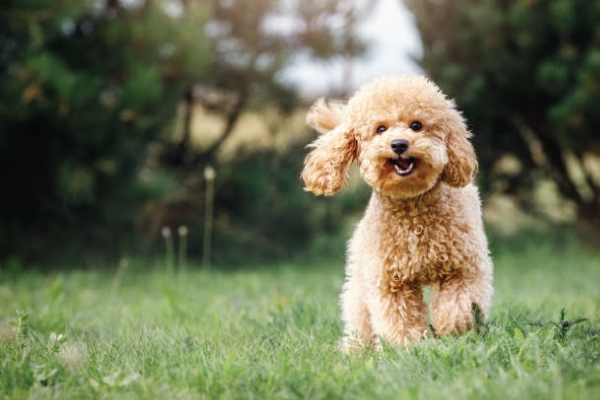
The allure of DIY dog grooming is strong. Visions of saving hundreds, even thousands, of dollars a year, bonding with your pet, and having complete control over their look and comfort are incredibly appealing. However, the “real costs” of doing it yourself often extend beyond the initial purchase of clippers and shampoo.
This comprehensive guide will break down the true financial and non-financial costs of DIY dog grooming, helping you determine if it’s the right choice for you and your furry friend.
Introduction: The Appeal vs. The Reality
Many pet owners are drawn to DIY grooming to save money. Professional grooming sessions can range from $50 to $150+ per visit, depending on the dog’s size, breed, coat condition, and location. If your dog needs grooming every 4-8 weeks, this can quickly add up to $300-$1800+ annually.
While DIY can save you money, it’s not “free.” There are significant upfront investments, ongoing consumable costs, hidden expenses, and non-monetary commitments you need to consider.
I. Initial Investment: The Essential Toolkit (One-Time/Infrequent Costs)
This is where most of your initial outlay will go. Quality tools last longer, perform better, and are safer for your dog. Cheaper tools can quickly become frustrating, painful for your dog, and lead to more expensive problems down the line.
1. Electric Clippers (The Big One):
- Cost: $80 – $300+
- What to look for:
- Motor Type: Rotary motors (most common, good for all coats), pivot motors (good for thick coats, lower speed), magnetic motors (fast, good for fine coats).
- Corded vs. Cordless: Corded offers consistent power, cordless offers flexibility.
- Brands: Andis, Oster, Wahl are industry standards. Don’t skimp here; a cheap clipper will pull hair, overheat, and quickly break.
- Blades: Most clippers come with a #10 blade. You’ll likely need additional blades or comb attachments depending on your dog’s coat and desired length.
- Elaboration: A good set of clippers is the cornerstone of DIY grooming. Expect to pay at least $100 for a decent starter set for most breeds. If you have a dog with a dense or difficult coat (Poodle, Goldendoodle, Newfoundland), you might need professional-grade clippers closer to the $200-$300+ range.
- Hidden Cost: Replacement blades ($20-$40 each) or professional sharpening ($10-$20 per blade) are needed periodically, especially if you have a dense-coated dog.
2. Clipper Blades / Comb Attachments:
- Cost: $20 – $40 per blade; $15 – $30 per set of comb attachments.
- What to look for: Depending on your dog’s coat and desired cut, you’ll need various blade lengths (#7F, #5F, #4F for different body lengths) or a good set of metal comb attachments. Ceramic blades stay cooler but are more fragile.
- Elaboration: Start with a #10 and one longer finish blade (e.g., #7F or #5F), plus a set of comb attachments for versatility.
3. Grooming Scissors:
- Cost: $30 – $100+ for a basic set.
- What to look for:
- Straight Shears: For general trimming, body work.
- Curved Shears: For shaping rounded areas like paws, head.
- Thinning Shears (Blenders): For softening lines, blending, removing bulk without shortening the hair too much.
- Blunt-Tip Scissors: Essential for facial hair to prevent accidental pokes.
- Elaboration: A good quality, sharp pair of grooming scissors is crucial for finishing touches and areas clippers can’t reach. Avoid craft scissors, as they will pull hair.
4. Brushes & Combs:
- Cost: $20 – $80+ (depending on dog’s coat and number of tools).
- What to look for:
- Slicker Brush: Essential for most medium-long coated dogs to remove mats and tangles.
- Pin Brush: Good for longer, delicate coats.
- Undercoat Rake/Deshedding Tool: For double-coated breeds to remove loose undercoat.
- Dematter/Mat Comb: For severe tangles.
- Metal Grooming Comb: For checking for tangles and fluffing.
- Elaboration: You’ll likely need several types depending on your dog’s specific coat requirements.
5. Nail Trimmers / Grinder:
- Cost: $10 – $40.
- What to look for:
- Scissor-style: Common for smaller dogs.
- Guillotine-style: Common for medium to large dogs.
- Dremel/Grinder: Excellent for smoothing nails and preventing quicking, especially for black nails.
- Elaboration: A Dremel can be a game-changer for stress-free nail maintenance.
6. Drying Equipment:
- Cost: $0 (towel dry) – $200+ (high-velocity dryer).
- What to look for:
- Absorbent Towels: Basic and effective.
- Human Hairdryer: Use on a cool setting, as heat can burn skin. Not ideal for thick coats.
- High-Velocity Dryer: Recommended for most breeds. Significantly reduces drying time, blows out loose hair, and helps straighten coats.
- Elaboration: A good high-velocity dryer is a major investment but can cut drying time by 75% or more, preventing hot spots and skin issues. It also helps achieve a fluffier, professional-looking finish.
7. Grooming Table (Optional but Highly Recommended):
- Cost: $70 – $300+
- What to look for: A sturdy table with a non-slip surface and a grooming arm with a loop.
- Elaboration: A grooming table elevates your dog to a comfortable working height, saving your back. The grooming arm keeps them safely in place, reducing wiggling and making the process safer and more efficient for both of you.
8. Styptic Powder:
- Cost: $5 – $15.
- What to look for: A small container of powder to stop bleeding if you accidentally “quick” a nail.
- Elaboration: An absolute must-have for nail trims.
9. Ear Cleaner & Cotton Balls/Wipes:
- Cost: $10 – $20.
- What to look for: Veterinarian-approved ear cleaning solution for routine maintenance.
- Elaboration: Essential for preventing ear infections, especially in dogs with floppy ears.
II. Ongoing Consumables: The Routine Replacements
These are the items you’ll repurchase regularly, typically every few weeks to a few months, depending on your dog’s size, coat, and grooming frequency.
1. Shampoo & Conditioner:
- Cost: $10 – $30 per bottle.
- Frequency: Every 2-8 weeks, depending on dog’s needs.
- What to look for: pH-balanced, dog-specific shampoo. Options include hypoallergenic, deshedding, whitening, flea/tick, or conditioning formulas.
- Elaboration: Don’t use human shampoo, as it can irritate a dog’s skin. You might go through a bottle every 1-3 months.
2. Blade Coolant & Clipper Oil:
- Cost: $5 – $15 per can/bottle.
- Frequency: Used with every grooming session.
- What to look for: Professional clipper coolant spray and lubricating oil.
- Elaboration: Essential for maintaining your clippers, preventing overheating, and ensuring smooth operation. Overlooking this will shorten the life of your expensive clippers and blades.
3. Treats:
- Cost: $5 – $20 per bag.
- Frequency: Ongoing.
- What to look for: High-value treats for positive reinforcement.
- Elaboration: Grooming can be stressful. Positive reinforcement with tasty treats makes the experience more tolerable, and even enjoyable, for your dog.
4. Paw Balm/Moisturizer (Optional but good for comfort):
- Cost: $10 – $25.
- Frequency: As needed.
- Elaboration: Helps keep paw pads healthy, especially after trimming hair between pads.
III. Optional Upgrades & Convenience Items
These aren’t strictly necessary but can significantly improve the DIY grooming experience.
- UV Sanitizer for Tools: For hygiene, especially if you groom multiple dogs. ($50-$100)
- Specialized Blades: For intricate cuts or very specific coat types. (Additional $20-$40 per blade)
- Dental Kit: Toothbrush and dog-specific toothpaste. ($10-$20) – While not directly “grooming,” it’s a vital part of overall pet hygiene.
- Drying Stand/Arm for High-Velocity Dryer: Frees up your hands. ($30-$80)
IV. The “Hidden” Costs: Beyond the Price Tag
These are the expenses and investments often overlooked but are crucial for a realistic cost assessment.
1. Time Investment:
- Cost: Your personal time (priceless, but quantifiable).
- Elaboration:
- Learning Curve: Initially, grooming will take much longer than a professional. You’ll spend hours watching videos, reading guides, and practicing. This is time you could be doing something else.
- Actual Grooming Time: A full groom (bath, dry, brush, clip, nails, ears) can take 2-4 hours, or even longer for beginners or large/dense-coated dogs. Factor in prep and cleanup time too.
- Frequency: If you groom every 6 weeks, that’s 17-34 hours a year just for the groom itself, plus learning.
2. Learning & Education:
- Cost: $0 (free YouTube videos) – $200+ (online courses/books).
- Elaboration: You need to learn proper techniques to avoid injury, achieve a good-looking cut, and prevent skin issues. Resources include:
- YouTube tutorials (free)
- Online grooming courses ($50-$200+)
- Grooming books ($15-$30)
- Observation at a professional groomer (if they allow).
3. Potential Vet Bills Due to Accidents:
- Cost: $50 – $500+ (emergency visit, stitches, antibiotics).
- Elaboration: This is the most significant hidden risk. Accidents happen, especially to beginners:
- Nicks/Cuts: Clipper burn, nicks from scissors, especially around sensitive areas.
- Quicking: Cutting too deep into the nail, causing pain and bleeding.
- Skin Irritations: Improper drying, dirty tools, or harsh products can lead to skin infections.
- Consequences: These can result in immediate vet visits, pain for your dog, and significant financial setbacks that quickly negate any savings.
4. Water and Electricity Usage:
- Cost: Minor, but adds up over time.
- Elaboration: Extended bathing, drying with a high-velocity dryer, and running clippers all consume utilities.
5. Stress & Frustration (Yours & Your Dog’s):
- Cost: Non-monetary, but impacts well-being.
- Elaboration: Not every dog enjoys grooming, and it can be a challenging, frustrating experience for both of you, especially during the learning phase. This can strain your bond if not handled with patience and positive reinforcement.
6. Damage to Tools/Home:
- Cost: Replacement costs.
- Elaboration: Dropped clippers or scissors can break. Hair gets everywhere, potentially clogging drains or requiring extra cleaning.
V. Putting It All Together: Example Cost Breakdown
Let’s look at a hypothetical initial setup and annual ongoing cost for a medium-sized dog (e.g., a Goldendoodle or Cocker Spaniel mix needing grooming every 6-8 weeks).
Initial Investment (First Year – One-Time Purchases):
| Item | Basic (Minimalist) | Mid-Range (Recommended) | Premium (Pro-Level) |
|---|---|---|---|
| Electric Clippers | $80 | $150 | $250 |
| Blades/Comb Attachments | $15 | $40 | $70 |
| Grooming Scissors | $30 | $60 | $100 |
| Brushes & Combs | $20 | $40 | $70 |
| Nail Trimmers/Grinder | $10 | $25 | $40 |
| High-Velocity Dryer | – | $100 | $200 |
| Grooming Table (w/ arm) | – | $100 | $200 |
| Styptic Powder | $5 | $8 | $10 |
| Ear Cleaner | $10 | $15 | $20 |
| Subtotal Initial Investment | $170 | $538 | $960 |
Annual Ongoing Costs (After Initial Setup):
- Shampoo & Conditioner: 4-6 bottles/year @ $15-25 = $60 – $150
- Blade Care (Coolant/Oil): 2 cans coolant, 1 bottle oil/year = $20 – $40
- Treats: Variable, let’s estimate $50 – $100
- Blade Sharpening/Replacement: 1-2 blades sharpened/replaced = $20 – $60
- Learning/Books/Courses (recurring if new techniques): $0 – $50
- Total Annual Ongoing Costs: $150 – $400
Total First-Year Costs:
- Basic: $170 (initial) + $150 (ongoing) = $320
- Mid-Range: $538 (initial) + $250 (ongoing) = $788
- Premium: $960 (initial) + $400 (ongoing) = $1360
Comparison to Professional Grooming:
- Professional Grooming (e.g., $80/session, every 7 weeks = 7-8 sessions/year): $80 x 7.5 = $600/year
As you can see, the initial first-year cost of DIY grooming can be comparable to, or even exceed, professional grooming, especially if you invest in quality tools. The savings truly begin in subsequent years when most of your initial investment is paid off.
Subsequent Year Costs (Mid-Range Example): $250 (ongoing estimate) vs. $600 (professional) = $350 in savings per year.
VI. Beyond the Money: The Non-Financial Pros and Cons
Pros of DIY Grooming:
- Bonding Experience: Can strengthen the relationship with your pet if approached positively.
- Convenience: Groom on your schedule, no travel to the groomer.
- Control: Choose products, styles, and ensure your dog’s comfort.
- Health Monitoring: Regular hands-on checks allow you to spot skin issues, lumps, or parasites early.
- Less Stress for Some Dogs: Dogs who are anxious at groomers might prefer home grooming.
Cons of DIY Grooming:
- Time-Consuming: Significant time commitment, especially initially.
- Skill & Learning Curve: Requires patience, practice, and a willingness to learn. You won’t get a professional cut overnight.
- Potential for Injury: Risk of nicks, cuts, or quicking nails if inexperienced.
- Physical Demanding: Can be hard on your back, knees, and hands.
- Messy: Be prepared for hair (and water) everywhere.
- Frustration: Both you and your dog might get frustrated during the process.
- Not All Dogs Are Good Candidates: Aggressive or highly anxious dogs may still require professional handling.
VII. Tips for Cost-Effective DIY Grooming
- Buy Quality Early: Investing in good clippers and scissors pays off in the long run with better performance and longevity.
- Maintain Your Tools: Clean, oil, and cool your clipper blades. Store tools properly. Sharpen blades regularly. This extends their life and performance.
- Buy Consumables in Bulk/Concentrates: Shampoos often come in concentrates. Buy larger sizes when possible.
- Start Simple: Don’t try a complex breed-specific show cut on your first try. Stick to basic sanitary trims, paw trims, and body clips.
- Utilize Free Resources: YouTube is a treasure trove of grooming tutorials for specific breeds and techniques.
- Consider a Hybrid Approach: Do basic maintenance (bath, brush, nails) yourself, and take your dog to a professional for complex cuts or dematting a few times a year.
VIII. When to Call a Professional
Even if you commit to DIY, know your limits:
- Severe Matting: Can be painful and dangerous to remove at home.
- Aggressive or Highly Anxious Dogs: For safety, professional handling is best.
- Complex Breed-Specific Cuts: Some cuts require specialized skill and tools.
- Skin Issues or Health Concerns: If you notice anything unusual, consult a vet or professional groomer.
- Lack of Time or Patience: If it becomes a major stressor, it’s not worth the savings.
Conclusion: Is DIY Right for You?
Calculating the “real costs” of DIY dog grooming isn’t just about the money you spend on equipment and products. It’s about your time, patience, willingness to learn, and the potential emotional and financial cost of mistakes.
While DIY grooming can indeed lead to significant long-term savings and a rewarding bonding experience, it requires a genuine commitment. Go into it with realistic expectations about the initial investment, the learning curve, and the time commitment, and you’ll be better equipped to decide if it’s the right path for you and your beloved canine companion.
=================
#DIYDogGrooming, #DogGroomingCosts, #CalculatingCosts, #DoingItYourself, #DogGrooming







Add comment