
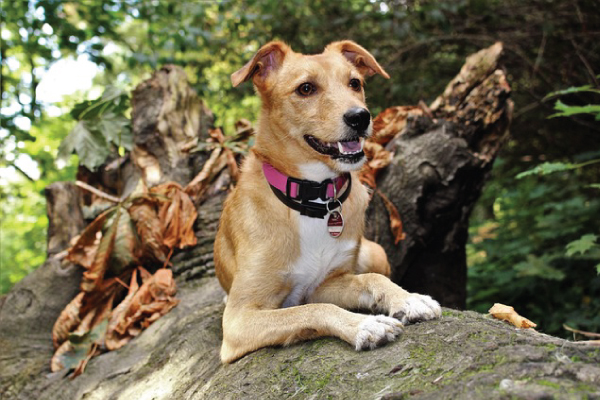
Imagine a world where bath time isn’t a wrestling match, but a blissful bonding experience. A world where your furry friend emerges not just clean, but calm, contented, and glowing. Welcome to the world of DIY Dog Spa Day! This comprehensive guide will walk you through transforming an ordinary bath into a relaxing, pampering ritual for your beloved canine companion.
DIY Spa Day: Creating a Relaxing Bath Experience for Your Dog
Bath time can often be a source of stress for both dogs and their owners. But with a little preparation, patience, and the right approach, you can turn this necessary chore into a spa-like retreat that strengthens your bond and leaves your dog feeling refreshed and rejuvenated.
Why a “Spa Day” for Your Dog? Beyond Just Cleanliness
Before we dive into the how-to, let’s understand the benefits of creating a spa-like bath experience:
- Stress Reduction: A calm environment and gentle handling can significantly reduce bath-time anxiety, making future baths easier.
- Skin & Coat Health: Regular, appropriate bathing with quality products promotes a healthy skin barrier, reduces shedding, and keeps the coat soft and shiny.
- Bonding Opportunity: Gentle touch, positive reinforcement, and focused attention during a calm bath strengthen the trust between you and your dog.
- Early Detection: This hands-on time allows you to check for lumps, bumps, skin irritations, parasites, or changes in your dog’s body that might otherwise go unnoticed.
- Behavioral Benefits: Acclimating your dog to grooming tools and being handled can make vet visits and professional grooming less stressful.
Phase 1: The Preparation – Setting the Stage for Serenity
Preparation is key to a successful and relaxing spa day. Don’t skip this step!
A. Gather Your Spa-Day Essentials
Having everything within arm’s reach prevents frantic searching and keeps the experience smooth.
- Dog-Specific Shampoo & Conditioner: Always use products formulated for dogs’ pH balance. Consider oatmeal-based for sensitive skin, or de-shedding formulas as needed.
- Multiple Absorbent Towels: At least 2-3, depending on your dog’s size and coat. Microfiber towels are excellent for quick drying.
- Non-Slip Bath Mat: Essential for safety and comfort in the tub or shower.
- Brush & Comb: Appropriate for your dog’s coat type (e.g., slicker brush, de-shedding tool, wide-tooth comb).
- Ear Cleaner (Vet-Approved): And cotton balls or pads. Never use Q-tips in the ear canal.
- Paw Balm/Moisturizer: To soothe and protect paw pads after the bath.
- High-Value Treats: Small, easy-to-eat training treats for positive reinforcement.
- Lick Mat (Optional but Highly Recommended): Smear with peanut butter (xylitol-free!), plain yogurt, or cream cheese and stick it to the side of the tub. A fantastic distraction!
- Cup or Handheld Sprayer: For gentle wetting and rinsing.
- Protective Clothing for You: You’re going to get wet!
- Pet-Specific Hair Dryer (Optional): If using, ensure it has a cool setting and is not too noisy.
- Calming Music (Optional): Soft classical or pet-specific relaxation music.
- Doggie Robe (Optional): A cute and cozy touch for post-bath snuggles.
B. Set the Ambiance – Creating a Calm Environment
Think about what makes your spa experience relaxing, and adapt it for your dog.
- Choose the Right Location: A bathtub or walk-in shower is ideal. Ensure it’s warm enough.
- Temperature Control: Adjust the room temperature so it’s comfortably warm. Warm water is a must.
- Soft Lighting: Avoid harsh overhead lights. Natural light or dim, indirect lighting can be more calming.
- Minimize Noise & Distractions: Turn off the TV, silence your phone, and ask other family members to keep quiet. If using music, keep it soft.
- Positive Mindset: Your dog will pick up on your energy. Remain calm, patient, and positive throughout.
C. Pre-Bath Prep for Your Dog
This is crucial for a smooth experience.
- Exercise First! A tired dog is a good dog. A good walk or play session before the bath will help them be more relaxed and less antsy.
- Potty Break: A walk right before ensures they won’t need to go during the bath.
- Thorough Brushing: This is essential. Remove any mats, tangles, and loose fur before getting wet. Mats tighten when wet and become painful to remove.
- Introduce the Space: If your dog is anxious, let them sniff around the bathing area, give treats, and praise them for simply being near the tub/shower before introducing water.
- Protect Their Ears: For dogs prone to ear infections, place a cotton ball gently in each ear to prevent water from entering the ear canal. Do not push it in deep.
Phase 2: The Relaxing Bath Experience – Step-by-Step Pampering
Now for the main event! Move slowly and gently, always prioritizing your dog’s comfort.
- Gentle Entry:
- Place the non-slip mat in the tub.
- Coax your dog into the tub with treats and praise. If they’re hesitant, carry smaller dogs in. For larger dogs, lead them in gently.
- Once in, offer a treat and praise. Apply the lick mat to the tub wall if using.
- Lukewarm Water & Gentle Wetting:
- Test the Water Temperature: Always test the water on your inner wrist – it should be comfortably lukewarm, not hot or cold.
- Start Slow: Use a cup or handheld sprayer with low pressure. Begin wetting your dog from the paws up, gradually moving towards their body. Avoid their face and ears initially.
- Praise & Reassure: Talk to your dog in a calm, soothing voice throughout. “Good job, buddy! Such a brave dog!”
- Shampoo Application & Gentle Massage:
- Dilute Shampoo (Optional but Recommended): Many dog shampoos can be diluted with water (check product instructions) for easier spreading and rinsing.
- Lather Gently: Apply shampoo, working it through their coat in the direction of hair growth. Focus on a gentle, massaging motion. This is the “spa” part! Pay attention to typically dirtier areas like paws, belly, and tail.
- Avoid Sensitive Areas: Be extremely careful around their eyes, ears, and nose. Use your hand to shield their face.
- Thorough Rinsing – The Most Important Step!
- No Residue: Shampoo residue can irritate the skin, cause itching, and dull the coat. This is where most people rush.
- Rinse, Rinse, Rinse: Rinse thoroughly until the water running off your dog’s coat is completely clear and you can no longer feel any slipperiness from the shampoo. Start from the neck down, ensuring water runs off the body. Lift legs and rinse underarms.
- Conditioning (Optional, but Highly Recommended):
- Apply Conditioner: If using, apply conditioner after rinsing the shampoo. Work it through the coat, focusing on areas prone to dryness or tangles.
- Allow to Sit: Follow product instructions for how long to leave the conditioner on (usually a few minutes). This is a great time for more gentle massage!
- Rinse Even More Thoroughly: Just like with shampoo, ensure all conditioner is completely rinsed out to prevent skin irritation.
- Gentle Face Wash:
- Last & With Care: This should be the last step for the bath itself.
- Use a Damp Cloth: Wet a soft cloth with plain water (no soap!) and gently wipe your dog’s face, being extra careful around their eyes and mouth. You can also use a small amount of tearless facial wash for dogs if desired.
- Avoid Direct Water: Never spray water directly onto a dog’s face.
Phase 3: Post-Bath Pampering – The Finishing Touches
The spa experience continues after the water is turned off!
- Initial Drying & Squeeze:
- Squeeze Excess Water: Gently squeeze excess water from your dog’s coat while they’re still in the tub.
- Towel Wrap: Immediately wrap your dog in a towel. For larger dogs, have a second towel ready. Gently pat and rub to absorb as much water as possible.
- Full Drying:
- More Towel Drying: Use fresh, dry towels to continue absorbing moisture. Rub gently to avoid tangling.
- Air Dry (If Possible): If the room is warm enough, air drying is often the least stressful. Keep them in a warm, draft-free area.
- Pet-Specific Hair Dryer (Use with Caution): If using a hair dryer, only use one designed for pets on a cool or low heat setting. Keep it moving constantly and at a distance from their skin. Acclimate your dog to the sound before using it. Never point it directly at their face or ears.
- Brush While Drying (Long-Haired Dogs): For long-haired breeds, gently brush their coat as it dries to prevent mats.
- Ear Cleaning:
- Gentle Wipe: Once your dog is out of the tub and mostly dry, squirt a vet-approved ear cleaning solution into their ear canal (follow product instructions).
- Massage: Gently massage the base of their ear for 30 seconds to help the solution break up wax and debris.
- Wipe Clean: Use a fresh cotton ball or pad to wipe out any visible debris from the outer ear. Never insert anything into the ear canal itself.
- Repeat (If Needed): Repeat with fresh cotton until the cotton comes out clean.
- Paw Care:
- Nail Trim (If Comfortable): If your dog tolerates it, this is a good time for a nail trim. If not, schedule a separate session or ask a groomer.
- Paw Pad Massage & Balm: Gently massage a dog-specific paw balm or moisturizer into their paw pads. This helps to soothe and protect them, especially beneficial after being wet.
- Final Brush/Comb:
- Smooth & Fluffy: Once your dog is mostly or completely dry, give them a final brush or comb-through to ensure their coat is smooth, tangle-free, and fluffy.
- Reward & Relaxation:
- High-Value Treats: Offer plenty of praise and high-value treats for being such a good spa client!
- Cuddle Time: Enjoy some quiet cuddle time.
- Nap & Comfort: Let your dog relax in their favorite bed or blanket, perhaps with a chew toy. This quiet time solidifies the positive experience.
Essential Tips for a Successful Dog Spa Day
- Patience is Paramount: Rushing will only increase anxiety. Take your time.
- Positive Reinforcement: Every step should be paired with praise and treats. Never punish during bath time.
- Start Early: If you have a puppy, introduce them to the bath experience young so they grow up associate it with positive feelings.
- Keep it Short (Initially): If your dog is new to baths or anxious, keep the first few sessions brief, gradually extending the time as they become more comfortable.
- Consistency: Regular baths (frequency depends on breed/activity) help dogs get used to the routine.
- Know Your Dog: Pay attention to their body language. If they’re showing signs of extreme stress (excessive panting, trembling, trying to escape forcefully), it’s okay to take a break or stop and try again another day. Some dogs may benefit from professional groomers initially to build positive associations.
- Make it Fun: Incorporate play, toys, and lots of happy talk.
Safety & Cautionary Notes
- Water Temperature: Always, always test the water. Too hot can burn, too cold can cause shock or discomfort.
- Never Use Human Products: Human shampoos and conditioners are too acidic for a dog’s skin and can cause irritation, dryness, or allergic reactions.
- Protect Eyes and Ears: Water or soap in the eyes can be irritating. Water in the ears can lead to infections.
- Slipping Hazard: A non-slip mat is non-negotiable to prevent injuries.
- Overheating: Be very careful if using a hair dryer. Check your dog’s skin temperature frequently.
- Recognize Stress Signals: Lip licking, yawning, looking away, freezing, trembling, excessive panting, or trying to escape are all signs of stress. Address them immediately.
- When to Stop or Seek Professional Help: If your dog is truly terrified, aggressive, or if you notice any skin issues, excessive shedding, or other health concerns, consult your vet or a professional groomer.
By following this comprehensive guide, you can transform bath time from a dreaded chore into a cherished “spa day” that nurtures your dog’s physical well-being and strengthens the bond you share. Enjoy the journey to a cleaner, calmer, and happier furry friend!
=====================
#DIYDogSpaDay, #DogSpaDay, #RelaxingDogBath, #DogBathTime, #PamperedPooch, #AtHomeGrooming, #PetGrooming, #DIYPets, #HappyDog, #DogWellness, #SpoiledDog, #CleanDog, #FreshPaws, #DogLife, #PetCare, #DogLover, #PetLove, #DogsofInstagram, #PetsofInstagram, #HappyPaws, #HomemadePetCare, #PetSelfCare, #DoggySpa





Add comment