
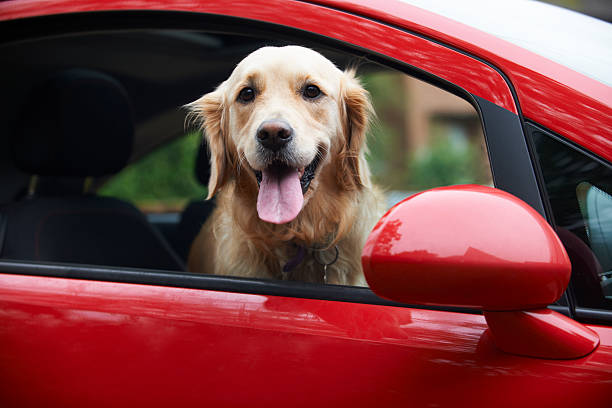
Dog obedience training, whether for basic commands, advanced performance sports, or behavior modification, requires consistency and well-defined tools. While commercial dog training equipment is readily available, constructing your own allows for unparalleled customization, significant cost savings, and the satisfaction of building tools tailored specifically to your dog’s needs, size, and skill level.
This elaborate guide provides detailed, step-by-step instructions for creating three foundational types of DIY training equipment: targets, agility poles (including weave and jump components), and distraction boards, ensuring you have the necessary gear to build focus, confidence, and precision in your canine partner.
SECTION I: Foundational Safety and Material Selection
Before embarking on any DIY project involving your dog, safety must be paramount. The materials chosen must be durable, non-toxic, and unable to splinter or pose a choking hazard when chewed or played with.
1.1 General Material Safety Guidelines
| Material Concern | Safety Protocol | Acceptable DIY Materials |
|---|---|---|
| Toxicity | All paints, varnishes, and adhesives must be labeled non-toxic or pet-safe. Avoid older treated lumber (CCA-treated wood). | Exterior latex paint, polyurethane sealant (once cured), hot glue, wood glue (non-toxic formulation). |
| Choking/Ingestion | Avoid small parts that can break off (small screws, tiny plastic caps, splintering wood). Ensure all edges are sanded smooth. | PVC (Schedule 40 for toughness), smooth plywood, tennis balls (securely attached), dense foam. |
| Structural Integrity | Equipment must withstand repeated use, movement, and weather if used outdoors. Agility equipment must not injure the dog if it falls or breaks. | Use appropriate fasteners (screws vs. nails), secure joints with cement or strong adhesive, and ensure jump bars are breakaway. |
| Non-Slip Surfaces | Any item a dog must stand on (platforms, targets) must have a reliable non-slip surface to prevent slips and injury. | Rubber matting, grip tape, textured spray coating, or carpet remnants with rubber backing. |
1.2 Essential DIY Toolkit
While specific tools vary by project, having a basic workshop setup is helpful:
- Measuring tape, ruler, and level.
- Power drill and various bits.
- Saw (Miter saw for precision PVC cuts, circular/jigsaw for wood).
- Sandpaper or electric sander.
- Clamps and vices (for secure gluing/drying).
- PVC cutter (highly recommended for clean, fast pipe cuts).
SECTION II: DIY Targets: Building Precision and Focus
Target training is fundamental to shaping complex behaviors. It teaches the dog to interact with a specific object using a designated body part (paw, nose, chin), forming the groundwork for “go to mat,” “place,” or even complex service dog tasks.
2.1 Project 1: Portable Floor Targets (Mat Work/Foot Targeting)
Floor targets are crucial for teaching precise foot placement, front-end awareness, and shaping the “stand” or “stack” position.
Materials List:
- Base: 1/2-inch Plywood or MDF (Medium-Density Fiberboard). (Size: 12″ x 12″ squares or tailored to dog size).
- Surface: Non-slip rubber matting, exercise mat remnants, or dense neoprene foam (1/4 to 1/2 inch thick).
- Adhesive: Contact cement or heavy-duty spray adhesive.
- Optional: Contrasting colored tape (duct tape or athletic tape) for high visibility edges.
Construction Steps:
- Cut the Base: Cut the plywood/MDF into the desired square or circle shapes. Sand all edges smooth to prevent splinters.
- Cut the Surface Material: Use a utility knife or sharp scissors to cut the rubber matting to the same size as the base.
- Adhere the Surface: Apply the adhesive evenly to both the wood base and the back of the rubber material (follow specific contact cement instructions for curing time). Press the two pieces firmly together, ensuring no air bubbles. Use heavy books or clamps while drying.
- Finish and Visibility: Once dry, if desired, wrap the edges tightly with brightly colored athletic tape. This helps define the target boundary and protects the wood edges.
Training Integration:
Start training by placing the target near the dog and rewarding any paw interaction. Gradually require both front paws, then all four paws. Once the behavior is reliable, use the floor targets for position changes (down to stand) or sending the dog away (go to target).
2.2 Project 2: DIY Touch/Nose Target Stick
The Target Stick is used to lure a dog into position (spin, bow), teach focus, and introduce distance work.
Materials List:
- Stick: A lightweight, stiff dowel rod (3/8 or 1/2 inch diameter) or a thin piece of PVC pipe (18 to 36 inches long).
- Target End: A bright, soft, distinguishable item (e.g., a large plastic ball, a wine cork, or a small piece of dense foam).
- Fasteners: Hot glue, strong epoxy, or small screw (if using a hard plastic ball).
Construction Steps:
- Prepare the Stick: Sand the dowel rod smooth. If using PVC pipe, ensure the ends are smooth.
- Attach the Target Bulb: Securely attach the chosen target bulb to one end. If using a soft ball or cork, use epoxy or hot glue, ensuring full coverage. If using a plastic ball, you may drill a hole in the ball and secure it with a screw before gluing.
- Handle: Optionally, wrap the opposite end with grip tape or paracord for a comfortable handle.
2.3 Project 3: Elevated Platform Target (The “Place” Board)
Platforms teach the dog to stay in a designated area while handling environmental distractions. They must be sturdy and slightly raised.
Materials List:
- Platform Surface: 3/4-inch exterior-grade plywood (Size: Dependent on dog size; typically 24″x 36″ for large dogs).
- Legs/Base: 2×4 lumber (for framing the underside).
- Fasteners: Exterior wood screws (or galvanized nails).
- Surface: Non-slip kennel matting or heavy-duty rubber traction mats.
Construction Steps:
- Cut the Surface: Cut the plywood to size.
- Build the Frame: Cut the 2×4 lumber to create a frame slightly smaller than the plywood perimeter. This frame will be screwed flush underneath the platform edges (creating a slight elevation, usually about 1.5 inches).
- Secure the Frame: Use wood glue and screws to attach the 2×4 frame securely to the underside of the plywood. Crucially, sink all screw heads below the wood surface.
- Apply Surface Traction: Cover the top surface completely with the non-slip matting, securing it with construction adhesive or staples (ensure staples are fully depressed).
- Finishing: Optional: Paint the wood frame with non-toxic, weather-resistant paint.
SECTION III: DIY Agility Equipment: Precision, Speed, and Control
Agility equipment is highly effective for building bond, speed, and precision. PVC (Polyvinyl Chloride) piping is the material of choice due to its light weight, durability, and ease of assembly. Use Schedule 40 PVC for the strongest possible structure.
3.1 Project 4: Portable Weave Poles
Weave poles teach complex coordination and directional control. For safety, initial weave poles should be channel-style or offset before progressing to standard vertical poles.
Materials List (For 6 Weave Poles):
- Poles: 10-foot long, 3/4-inch Schedule 40 PVC pipe (use 1-inch for larger dogs).
- Connectors: 3/4-inch PVC T-connectors (12 required) and 3/4-inch PVC 90-degree Elbow connectors (4 required).
- Base: 1 1/2-inch PVC pipe (for the weighted base rail).
- Base Weight: Sand, pea gravel, or water for filling the base rail.
- Optional: PVC primer and cement for permanent assembly (recommended for base stability).
PVC Cutting List (approximate, adjust pole height for dog size):
- Poles: 6 pieces @ 36 inches each.
- Base Spacers (Rail 1): 5 pieces @ 24 inches (distance between poles).
- End Pieces (Rail 1): 2 pieces @ 12 inches.
- Weighted Base Rail (If using a separate larger pipe for weight): 2 pieces @ 144 inches (or cut to desired length in sections).
Construction Steps:
- Cut and Clean: Cut all PVC pieces using a PVC cutter or miter saw. Clean off any plastic shavings.
- Pre-Assemble the Pole Structure: Using the T-connectors, join the five 24-inch spacers and the two 12-inch end pieces to form a long straight rail. The T-connectors should be facing straight up.
- Connect the Poles: Insert the 36-inch vertical poles into the T-connectors. Do not glue the poles at this stage, allowing them to be removed for easier transport or if the dog bumps them.
- Create the Weighted Base (Option A: Portable Cross Bases): For maximum stability and mobility, build individual cross bases for each pole using four 6-inch pieces of PVC and a single 4-way cross connector. Fill the cross pieces with sand and cap the ends.
- Create the Weighted Base (Option B: Weighted Rail): If using the weighted rail system, use 1 1/2-inch PVC pipe for the bottom rail. Cement the T-connectors (using reducers if necessary) into the larger base pipe. Drill small holes in the base pipe, fill it with sand or cement, and seal the holes with caps and silicone. This creates a heavy, durable chain of poles.
- Finishing: Decorate the poles with brightly colored electrical tape or paint bands for visual feedback.
3.2 Project 5: Adjustable Jump Standards (Hurdles)
Jump standards must be stable but engineered to release the bar easily if touched, preventing the dog from stumbling or turning a jump into a painful collision.
Materials List (For one set of standards/one jump):
- Vertical Standards: Two 5-foot lengths of 1 1/2-inch PVC pipe.
- Cross Base: Two 1 1/2-inch PVC 90-degree elbows, two 1 1/2-inch PVC T-connectors, and four 12-inch base pieces.
- Weight: Sand or gravel for the base.
- Jump Bar: One 4-foot length of lightweight 3/4-inch PVC pipe (or equivalent dowel).
- Jump Cup Pins: Small 1/4-inch diameter wood dowels or metal pins (approx. 4 inches long).
- Jump Cups: 1 1/2-inch PVC couplings (they must be slightly larger than the jump bar).
Construction Steps:
- Build the Base: Assemble the cross base using the elbows and T-connectors, creating a sturdy H-shape or X-shape base. Fill the base pieces with sand for stability and cap them. Cement the vertical standards into the base structure.
- Drill the Standards for Cups: Mark the vertical standards at precise height increments (e.g., every 2 inches, starting at 4 inches). Drill holes slightly larger than the jump cup pins completely through the pipe at each mark.
- Prepare the Jump Cups: The standard 1 1/2-inch PVC coupling should fit loosely around the 4-foot jump bar. Drill a hole into the side of the coupling, large enough for the jump cup pin to pass through.
- Assemble the Jump System: Insert a jump cup pin into the desired height hole on the standard. Hang the jump cup coupling onto the pin. Lay the lightweight jump bar onto the two jump cups.
Safety Feature: Breakaway Bars
The use of loose jump cups and lightweight bars is the primary safety mechanism. If the dog hits the bar, it must fall immediately rather than creating resistance that could cause injury. Never use fixed, rigid jump bars.
SECTION IV: DIY Distraction and Sensory Equipment
Distraction equipment is used in proofing—the stage of training where the dog must perform behaviors accurately despite environmental pressures (noise, movement, strange textures). This equipment builds confidence, environmental stability, and deepens focus.
4.1 Project 6: The Basic Distraction Board (Noise and Movement Focus)
A distraction board is designed to introduce controlled, predictable environmental stimuli to a dog that is performing an obedience task nearby (e.g., a stay or a down).
Materials List:
- Backing: A large piece of strong plywood or rigid plastic (24″ x 24″ minimum).
- Noise Items: Aluminum cans, plastic bottles (with few stones/coins inside), small metal chains, bells, crinkly plastic tarps/bags.
- Visual Distraction: Colorful streamers, reflective tape, small mirrors (securely mounted).
- Fasteners: Extremely strong zip ties, short screws, cable mounts, and industrial adhesive.
Construction Steps:
- Layout and Planning: Determine the placement of items. Visual items should be higher; noise items should be lower or hung so they swing freely.
- Secure Fragile Items: If using mirrors or bells, ensure they are mounted so they cannot swing violently or detach.
- Mount the Noise Makers:
- Cans/Bottles: Drill holes in the bottom of the cans/bottles. Thread a robust zip tie through the hole and secure them loosely to the board so they swing and rattle when touched or when the board is moved.
- Chains/Bells: Use heavy-duty eye hooks or cable mounts screwed into the wood to hang chains or groups of bells.
- Mount Visual Stimuli: Use heavy-duty tape or staples to attach streamers or bright colored fabric so they flutter easily with air movement.
- Final Check: Shake the board aggressively. Test every mounted item to ensure it cannot snap off and become a choking hazard. Cover all sharp screw ends on the back of the board.
Training Integration:
Place the distraction board 10-15 feet away from the dog during a known obedience task (e.g., a 1-minute stay). Reward lavishly for maintenance of the position. Gradually move the board closer, then introduce controlled movement (gently rattling the board), and finally unpredictable movement.
4.2 Project 7: Textured Sensory Path (Confidence Building)
Sensory paths expose dogs to various ground textures, which is essential for fearful dogs or those preparing for competition on diverse surfaces.
Materials List:
- Framing: 2×4 lumber or landscape timbers to create shallow, sectioned boxes (6-8 individual boxes, 24″ x 24″ each).
- Texture Materials (varied selection needed):
- Smooth: Rubber matting, soft carpet remnants.
- Rough: Artificial turf, heavy-duty outdoor welcome mats (with plastic bristles).
- Soft/Movement: Bubble wrap, thick plastic sheeting, pool noodles (cut into 1-inch thick discs).
- Unstable: Sand, pea gravel, or small, non-toxic plastic balls.
Construction Steps:
- Build the Sections: Create a series of shallow wooden frames (approximately 3.5 inches deep using 2x4s). Secure with wood screws.
- Fill the Frames:
- Solid Surfaces: Cut rubber, carpet, or turf and secure them flush within the frame using construction adhesive or staples.
- Loose Fill: Line the bottom of the frames intended for sand or water with heavy plastic sheeting before adding the loose material (e.g., sand, plastic balls, pea gravel).
- Movement Surface: Affix the bubble wrap or cut pool noodles to the bottom of a frame, testing that the dog’s weight creates a slight shift or sound.
- Assemble the Path: Lay the frames end-to-end to create a variable walk-through path.
Training Integration:
Introduce the dog to the path on a leash. Do not force interaction. Reward heavily for placing even one paw on a new texture. The goal is desensitization and confidence, not speed.
4.3 Project 8: The Wind Distraction Tarp
Wind and sudden movement are common environmental stressors in competition. This simple tool simulates a flapping flag or sail.
Materials List:
- Tarp: Lightweight, crinkly plastic or canvas tarp (6′ x 6′ recommended).
- Mounting Pole: A tall, portable structure—a 10-foot PVC pipe cemented into a heavy bucket base.
- Rope/Bungee Cords: For securing the tarp loosely to the pole.
Construction Steps:
- Secure the Pole: Create a heavy base by cementing the 10-foot PVC pole into a 5-gallon bucket. Allow 48 hours to cure.
- Attach the Tarp: Secure one corner of the tarp tightly to the top of the pole. Secure the bottom corner loosely with a bungee cord or rope, allowing the main body of the tarp to flap and make noise in even a slight breeze.
SECTION V: Material Sourcing, Cost Management, and Maintenance
The cost-effectiveness of DIY equipment relies heavily on smart sourcing and using recycled materials where possible.
5.1 Budget Sourcing Strategies
- PVC: Buy 10-foot lengths in bulk rather than pre-cut segments. Visit plumbing supply stores; they often have better prices than home improvement big box stores.
- Wood: Check the “cull lumber” section at hardware stores for reduced-price wood that is slightly warped or chipped but perfectly suitable for small platforms or framing.
- Sensory Items: Source used carpet tiles, rubber mat scraps, and pool noodles from second-hand shops or free exchanges. Old tires (cleaned thoroughly) can be stacked for elevated platforms.
5.2 Longevity and Maintenance
DIY equipment requires regular maintenance to remain safe.
- Poles: Check PVC joints regularly, especially if they are un-cemented. Store poles out of direct, intense sunlight to prevent material degradation and brittleness.
- Targets/Platforms: Routinely check non-slip surfaces for wear and tear. Sand down any raised or splintered wood edges immediately.
- Distraction Boards: Inspect fasteners (screws, zip ties) to ensure no noise-makers have become loose or prone to breaking off. Replace worn or brittle zip ties instantly.
SECTION VI: Training Principle Integration: Maximizing Your DIY Tools
Having excellent equipment is only half the battle; knowing how to integrate it into a structured training program is crucial. The goal of obedience training is Generalization and Proofing.
6.1 Generalization via Varied Targeting
Generalization is the dog’s ability to perform a learned behavior across different environments, surfaces, and with various distractions.
- Strategy: Once the dog reliably hits the DIY floor target (Section 2.1) indoors, immediately begin moving the target to different surfaces: grass, decking, loose gravel, and concrete.
- Tool Benefit: Because your targets are inexpensive and custom-made, you can create duplicates (different sizes, colors, and materials) to rapidly reinforce the concept of “target” rather than “that specific blue square.”
6.2 Using Agility Poles for Obedience Precision
While weave poles are standard agility equipment, they are superb tools for developing body awareness and precise movement under control, which is essential for advanced obedience like utility or rally.
- Weave Pole Drills (Heelwork): Set up a line of poles. Practice heeling extremely close to the poles on the handler’s left side, ensuring the dog maintains a tight, precise side position without bumping the equipment.
- Jump Drills (Control and Finish): Use the adjustable jump standards (Section 3.2) to practice controlled releases and precise “finish” positions (coming back to heel after a send-out). Start with the bars extremely low (0-4 inches) and focus purely on the accuracy of the dog’s movement, not the jumping height.
6.3 Proofing with Distraction Equipment
Proofing means training the behavior to withstand distractions. Introduce the distraction equipment only after the dog can perform the basic behavior reliably in a calm environment.
- Distance and Intensity: Start with the distraction equipment far away and at low intensity (e.g., the Distraction Board is 20 feet away and only gently rattled).
- Gradual Escalation: Slowly decrease the distance and increase the intensity (more vigorous rattling, louder noise-makers swinging, placing the Sensory Path directly under the dog’s stay area).
- Handler Movement: Ensure the dog can maintain focus even if you are the one activating the distraction equipment.
- Novelty: Once the dog is comfortable with the equipment, introduce novel items (a stranger shaking the board, a ball bouncing off the platform) to truly proof the behavior against the unexpected.
Conclusion
Building your own dog training equipment transforms your training space into a customized learning environment. From the precise footwork taught by floor targets to the environmental stability secured by distraction boards, these DIY tools allow you to systematically break down complex behaviors into manageable, repeatable steps. By committing to safety, intelligent material sourcing, and consistent maintenance, you create essential, cost-effective resources that will elevate your dog obedience training to a new level of precision and confidence.
#DIYDogTraining #HomemadeAgility #DogObedience #AgilityDIY #CanineFitness #TargetTraining #DogTrainingHacks #DogGearDIY #DogLifeHacks #ProofingTraining #WeavePoles #DistractionTraining #SensoryDog #DogTrainerTips #PVCdoggear





Add comment