
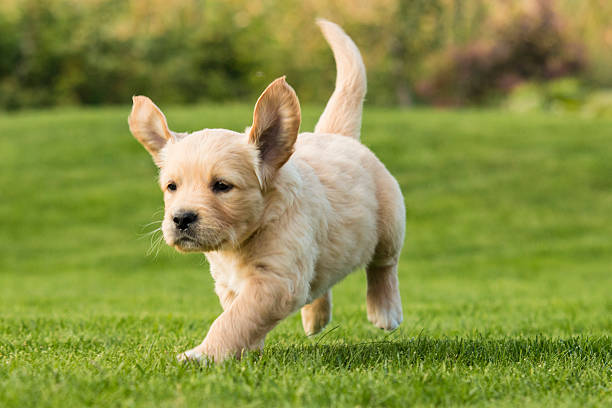
The image of a dog with a furiously wagging tail is, for many, the quintessential symbol of canine joy and friendliness. It’s a universally recognized gesture, ingrained in our popular culture, often interpreted as an unequivocal invitation for pets, play, and affection. However, this widely held belief is a significant oversimplification, and understanding the true complexity behind a dog’s tail wag is paramount for safe, respectful, and effective human-canine interaction. A tail wag, far from being a singular expression of happiness, is a sophisticated component of a dog’s rich communication system, capable of conveying a spectrum of emotions ranging from excitement and curiosity to anxiety, fear, and even aggression.
This comprehensive guide delves deep into the nuanced world of canine tail wags, dissecting their various forms, speeds, heights, and directions. We will explore how a tail wag integrates with other crucial elements of dog body language – including eye contact, ear position, mouth tension, and overall posture – to paint a complete picture of a dog’s internal state. By the end of this elaborate exploration, you will possess a profound understanding of why assuming a wagging tail always signifies friendliness is not only inaccurate but potentially dangerous, and how to interpret these vital signals for a safer and more harmonious relationship with our canine companions.
The Anatomy and Purpose of the Canine Tail: More Than Just a Rudder
Before we dissect the various wags, it’s essential to appreciate the tail as an anatomical marvel and a functional necessity. A dog’s tail is an extension of its spine, composed of several vertebrae (typically 6-23, depending on the breed) that decrease in size towards the tip. These vertebrae are surrounded by complex musculature, ligaments, and tendons, allowing for an extraordinary range of motion, from subtle twitches to powerful sweeps.
Beyond its communicative role, the tail serves several crucial functions:
- Balance and Agility: The tail acts as a counterbalance, particularly during rapid movements, turns, and jumps. It helps dogs maintain stability, especially when navigating uneven terrain or performing athletic feats. Think of a cheetah using its tail as a rudder during a high-speed chase – dogs employ a similar principle.
- Thermoregulation: While not its primary function, the tail can contribute to thermoregulation. Some breeds, like Arctic dogs, use their bushy tails to cover their faces and keep warm when sleeping in cold conditions.
- Insect Repellent: A swishing tail can effectively ward off flies and other biting insects, especially in summer months.
However, its most significant role, particularly in social animals like dogs, is communication. The tail is a dynamic, highly visible flag that broadcasts a dog’s emotional state and intentions to other dogs and to humans. It’s an integral part of their intricate body language, working in concert with every other part of their body to convey messages.
Beyond the Wag: Understanding Multi-Modal Canine Communication
To truly interpret a tail wag, it’s critical to understand that dogs communicate using a complex, multi-modal system. No single signal, including the tail wag, should ever be interpreted in isolation. Dogs use:
- Visual Cues: Tail position, ear position, eye contact, mouth shape, body posture, hackle raises, hair standing on end.
- Auditory Cues: Barks, growls, whimpers, howls, sighs.
- Olfactory Cues: Pheromones, urine, feces, anal gland secretions.
- Tactile Cues: Nudging, licking, pawing.
When observing a dog, an astute observer will take in the entire picture. The tail wag is a prominent piece of this puzzle, but it’s only one piece. Ignoring other signals while focusing solely on the tail can lead to dangerous misunderstandings.
Deconstructing the Wag: Key Factors in Tail Interpretation
Interpreting a tail wag is far more nuanced than simply noticing movement. Several critical factors contribute to its meaning:
1. Tail Height: The Emotional Thermometer
The height at which a dog holds its tail is one of the most significant indicators of its emotional state and confidence level.
- High Tail Position (Above the natural topline):
- Meaning: Often indicates confidence, alertness, arousal, or dominance. The higher the tail, the more assertive or potentially dominant the dog feels. It can also signify excitement, but this excitement might be positive (e.g., spotting their owner) or negative (e.g., an aggressive challenge).
- Context: A dog with a high, stiff tail might be challenging another dog, staking claim to territory, or alert to a perceived threat. A high, loose wag might indicate extreme joy and over-arousal.
- Caution: A very high, stiff tail with a rapid, small wag can be a precursor to aggression.
- Mid-Level Tail Position (Natural extension of the spine):
- Meaning: Generally indicates a neutral, relaxed, or calm state. The dog is comfortable and at ease.
- Context: This is often the default position when a dog is observing its surroundings without any particular emotional stimulus.
- Low Tail Position (Below the natural topline, but not tucked):
- Meaning: Suggests submission, uncertainty, discomfort, or mild anxiety. The dog is attempting to appear smaller and less threatening.
- Context: A dog might hold its tail low when encountering an unfamiliar person or dog, or when feeling slightly unsure about a situation.
- Tucked Tail (Pulled tightly between the legs, often against the belly):
- Meaning: A clear sign of intense fear, extreme submission, anxiety, or pain. The dog is trying to make itself as small and invisible as possible. It is also actively covering its anal glands, which release identifying scent, as a way to avoid detection or confrontation.
- Context: A dog might tuck its tail during a thunderstorm, at the vet, when being reprimanded, or when utterly overwhelmed by a situation.
- Caution: A frightened dog is more likely to bite out of fear if cornered.
2. Tail Amplitude (How Wide the Wag Is): The Intensity of Emotion
The breadth of the tail’s swing reveals the intensity and often the general valence (positive/negative) of the emotion.
- Small, Stiff Wag:
- Meaning: Often indicates tension, nervousness, uncertainty, or a focused, alert state. It’s not a relaxed wag.
- Context: A dog might exhibit a small, stiff wag when assessing a new situation, deciding whether to approach or retreat, or when feeling challenged. This can precede an aggressive display.
- Broad, Sweeping Wag (sometimes involving the entire hindquarters):
- Meaning: Commonly associated with strong positive emotions like happiness, excitement, and friendliness. The wider the wag, the more relaxed and overtly friendly the dog typically is. This is often the “full body wag” that melts hearts.
- Context: Greeting a beloved owner, anticipating a walk or treat, playing with a familiar friend.
- Caveat: Extreme broad wags can still signify over-arousal, which, if not managed, can sometimes spill into pushy or even nippy behavior, especially in puppies or poorly socialized dogs.
- No Wag (Stiff or limp):
- Meaning: Can indicate a neutral state (if relaxed), deep focus (if stiff), or extreme fear/apathy (if limp). A stiffly held tail with no movement can signify intense focus or rigidity before a reaction. A completely limp tail can indicate illness, exhaustion, or extreme shutdown.
- Context: A dog might hold its tail still when stalking prey, when deeply concentrating on a command, or when feeling overwhelmed to the point of immobility.
3. Tail Speed: The Level of Arousal
How fast the tail is wagging provides insight into the dog’s level of arousal or excitement.
- Slow Wag:
- Meaning: Often indicates uncertainty, caution, or a tentative assessment of a situation. The dog is processing information and deciding how to react. It can also be a sign of very subtle appeasement.
- Context: A dog might wag its tail slowly when meeting a new person for the first time or when approaching an unfamiliar object.
- Fast Wag:
- Meaning: Generally indicates high arousal and excitement. This excitement can be positive (joy, eagerness) or negative (anxiety, frustration, aggression).
- Context: A very fast wag can be seen when a dog is greeting its owner, but also when it’s highly stimulated by a potential threat or intensely focused on something it wants (e.g., lunging at a squirrel).
- Vibration or Quiver:
- Meaning: Intense focus, anticipation, or high-stakes arousal. This is a very rapid, often small, almost imperceptible movement, indicating the dog is on the verge of action.
- Context: Often seen in hunting dogs “on point” or in a highly agitated dog just before lunging.
4. Tail Direction (Bias): The Subtle Window to Emotion
Research, particularly by Dr. Giorgio Vallortigara and others, has shown that the direction of a dog’s tail wag can reflect its emotional state, specifically related to hemispheric brain activity.
- Wagging More to the Right (from the dog’s perspective):
- Meaning: Generally associated with positive emotions, interest, and happiness. It suggests a more relaxed and positive approach.
- Neurological Basis: Linked to left-brain activation, which is often associated with positive emotions and approach behaviors.
- Context: When a dog sees its owner, or another dog it knows and likes.
- Wagging More to the Left (from the dog’s perspective):
- Meaning: Generally associated with negative emotions, caution, anxiety, or discomfort. It suggests a more withdrawn or negative assessment.
- Neurological Basis: Linked to right-brain activation, which is often associated with negative emotions and withdrawal behaviors.
- Context: When a dog sees an unfamiliar or potentially threatening dog.
While this research is fascinating and provides deeper insight, it’s a subtle cue and often difficult for the average person to discern accurately without focused observation and practice. It reinforces, however, the incredible complexity behind what appears to be a simple “wag.”
5. Context: The Overarching Interpreter
No single wag characteristic can be understood without considering the full context of the situation.
- Who is the dog interacting with? (Familiar person/dog, stranger, prey animal).
- Where are they? (Familiar home, busy street, vet clinic, dog park).
- What just happened? (Did someone approach them suddenly? Did they hear a loud noise? Were they playing? Were they corrected?).
- Is the dog on-leash or off-leash? Leash tension can significantly alter a dog’s body language and perceived confidence/anxiety.
A high, fast wag when greeting a beloved owner is very different from a high, fast wag directed at a perceived intruder. The context is everything.
Types of Wags and Their Meanings: A Detailed Breakdown
Let’s synthesize these factors into common “types” of wags, remembering that these are not rigid categories but rather points on a dynamic spectrum.
- The “Happy/Friendly” Wag (The Broad, Loose Wag):
- Characteristics: Mid-to-high tail position, broad, sweeping movements, often involves the entire hindquarters (“full body wag”). Speed can vary from moderate to fast. Tail might lean slightly to the right.
- Other Body Language: Relaxed body, soft eyes (perhaps squinting), relaxed mouth (often panting gently or a relaxed “smile”), ears in a neutral or slightly back position, leaning towards the interaction. May incorporate a play bow.
- Meaning: Genuine joy, friendliness, enthusiasm, invitation to play, greeting. This is the wag that most people associate with positivity.
- Caution: Can still indicate over-arousal. A very fast, sometimes frantic, broad wag can lead to accidental nips or overly boisterous greeting behavior if the dog isn’t well-mannered.
- The “Uncertain/Anxious” Wag (The Low, Stiff or Small Wag):
- Characteristics: Low tail position, often held stiffly or with small, short wags. Can sometimes be a slow, hesitant wag. May lean slightly to the left.
- Other Body Language: Tense body, lip licking, yawning (out of context), whale eye (showing the whites of the eyes), averted gaze, ears flattened or pulled back, head lowered, trying to make itself smaller. May shiver.
- Meaning: The dog is unsure, nervous, uncomfortable, or mildly fearful. It’s trying to appear non-threatening but is actively assessing the situation and feeling anxious.
- Caution: An anxious dog is a stressed dog. If pushed, it might react defensively. Give this dog space.
- The “Alert/Focused” Wag (The High, Stiff Wag/Quiver):
- Characteristics: High tail position, often stiff and still, or with a very small, rapid quiver at the tip. No broad movement.
- Other Body Language: Rigid body, ears forward and intent, direct stare (hard eye), mouth closed and tense, hackles may be slightly raised.
- Meaning: High level of interest, focus, arousal, or alertness. The dog has spotted something and is evaluating it. This can be neutral (e.g., spotting a bird) or a prelude to protection/aggression (e.g., stranger at the door).
- Caution: This position signifies a dog that is ready to react. It’s not necessarily aggressive, but it’s highly focused and can quickly transition to other behaviors depending on the stimulus.
- The “Aggressive” Wag (The High, Stiff, Rapid Wag):
- Characteristics: High tail position, held stiffly, often with a rapid, short, almost vibrating wag. This is distinct from the loose, broad wag. It might also be a slow, deliberate stiff wag. May lean slightly to the left, especially if the aggression is fear-based.
- Other Body Language: Very rigid body, leaning forward, direct, hard stare, growling, snarling, baring teeth, wrinkled muzzle, hackles raised, ears often forward or slightly flattened against the head (depending on whether it’s offensive or defensive aggression).
- Meaning: A clear warning sign, indicating the dog feels threatened or wishes to assert dominance and is prepared to defend itself or its territory.
- CRUCIAL WARNING: This is the most dangerous misinterpretation. Many bites occur because people mistake this tense, high, fast wag for friendliness. It is NOT friendly. Retreat immediately if you see this combined with other aggressive signals.
- The “Submissive/Appeasement” Wag (The Tucked and Rapid Wag):
- Characteristics: Tail tucked low and tight between the legs, often accompanied by a rapid, sometimes broad, wagging motion.
- Other Body Language: Low posture, crouching, rolling onto back (exposing belly), avoiding eye contact, lip licking, soft whimpers, submissive urination, ears flattened.
- Meaning: The dog is actively trying to signal that it means no harm, is deferring to a higher-ranking individual (human or dog), and wishes to de-escalate tension. It’s an attempt to turn off perceived aggression from the other party.
- Caution: A truly fearful-submissive dog, if cornered or if its appeasement signals are ignored, may bite out of sheer terror. Respect its need for space.
- The “Conflict/Ambivalent” Wag:
- Characteristics: The tail position and wag often change rapidly, oscillating between high and low, or fast and slow, sometimes even changing direction quickly.
- Other Body Language: Inconsistent signals across the body – e.g., ears forward but body leaning back, or lip licking while staring.
- Meaning: The dog is experiencing conflicting emotions – for example, it might be interested but also fearful, or excited but unsure. It hasn’t decided how to react.
- Caution: This dog is in a state of internal conflict and is unpredictable. Approach with extreme caution or, preferably, not at all.
The Importance of Holistic Observation: Reading the Whole Dog
As established, the tail is just one part of the narrative. To accurately understand a dog’s emotional state, you must observe its entire body language in conjunction with the tail:
- Eyes:
- Soft, relaxed eyes: Indicate comfort, friendliness.
- Hard stare, dilated pupils: Often signifies challenge, fear, or intense focus.
- Averted gaze: Submission, anxiety, or an attempt to de-escalate.
- “Whale eye” (whites of the eyes showing): Stress, anxiety, potential for a snap.
- Ears:
- Forward, alert: Interest, focus, arousal.
- Relaxed, natural: Calm, neutral.
- Flattened, pulled back: Fear, anxiety, submission, aggression (often defensive).
- Mouth:
- Closed, relaxed: Calm, neutral.
- Open, relaxed pant: Happy, comfortable, warm.
- Lip licking (out of context): Stress, anxiety, appeasement.
- Tense, drawn back lips, baring teeth: Warning, aggression.
- Yawn (out of context): Stress, anxiety, appeasement.
- Overall Body Posture:
- Loose, relaxed: Happy, comfortable, friendly.
- Stiff, rigid, leaning forward: Alert, dominant, challenging, potentially aggressive.
- Crouched, leaning back, trying to make itself smaller: Fear, anxiety, submission.
- Weight forward on front paws: Ready to engage, approach, or lunge.
- Weight shifted back: Ready to retreat or defend.
- Hackles (hair on the back of the neck/spine):
- Raised: Arousal, fear, aggression, excitement. Not always purely aggressive, but always indicates high arousal.
- Vocalizations:
- Soft whimpers/sighs: Sadness, appeasement, contentment.
- Playful barks: Invitation to play.
- Deep, rumbling growl: Warning, aggression.
- Sharp, high-pitched barks: Alarm, fear, frustration.
Example Scenario: A dog approaches you with a high, stiff tail wagging rapidly. Its ears are forward, eyes are hard and staring, its body is rigid, and it’s giving a low growl. Despite the “wag,” this dog is clearly signaling aggression and a willingness to defend itself. To interpret this as “friendly” simply because of the tail movement would be a grave error.
Common Misinterpretations and Dangers of the “Friendly Wag” Myth
The biggest danger of the pervasive myth that “a wagging tail always means friendliness” is that it encourages people to approach dogs without adequate caution, leading to bites and negative interactions.
- Approaching a Fearful Dog: A dog with a low, stiff wag combined with averted eyes and a crouched posture is fearful. If approached directly and quickly, it might feel cornered and bite out of self-preservation.
- Misreading an Aggressive Dog: As discussed, a high, fast, stiff wag can be part of an aggressive display. Mistaking this for an invitation to pet could result in a serious bite.
- Ignoring Stress Signals: Even a broad, fast wag can signify over-arousal. An over-excited dog, particularly a puppy or a poorly socialized adult, might jump, mouth, or nip, not out of malice, but due to poor impulse control. If owners or strangers only see the “happy” tail, they might miss the escalating stress or over-excitement that could lead to an incident.
- Putting Children at Risk: Children, especially, are susceptible to the “wag equals friendly” myth. They often approach dogs fearlessly, directly, and without understanding canine body language, making them particularly vulnerable to bites.
How to Approach a Dog Safely (When in Doubt)
Given the complexities, how should one interact responsibly with unfamiliar dogs?
- Always Ask Permission: If an owner is present, always ask, “May I pet your dog?” before approaching. Respect “no.”
- Observe First: Before asking, take a moment to observe the dog’s entire body language from a distance. Look for a loose, relaxed body, soft eyes, a mid-to-high loose tail wag (often biased right), and relaxed ears. If any signs of tension, fear, or aggression are present, do not approach.
- Approach Slowly and Indirectly: Never run directly at an unfamiliar dog. Approach at an angle, giving the dog space. Avoid looming over them or making direct eye contact, which can be perceived as a challenge.
- Offer a Hand (But Let Them Come to You): Once close, crouch down to their level (if comfortable and safe to do so), turn slightly sideways, and offer the back of your hand for the dog to sniff. Let the dog initiate contact. If the dog sniffs and leans in, or gives a gentle nudge, it’s a positive sign.
- Pet Safely: If the dog seems receptive, start with slow, gentle strokes on the chest, shoulder, or side of the neck. Avoid patting the top of the head or grabbing the muzzle, which can be unsettling for many dogs. Watch for signs of discomfort (lip licking, turning head away, stiffening) and stop if you see any.
- Know When to Retreat: If a dog turns away, backs up, tucks its tail, stiffens, growls, or shows any signs of discomfort, immediately stop interaction and give the dog space. Never force an interaction.
Training and Socialization’s Role
Early and positive socialization is crucial for dogs to develop clear and appropriate communication skills. A well-socialized dog is better equipped to understand and respond to social cues from both dogs and humans. Conversely, dogs that lack proper socialization may exhibit unclear or exaggerated body language, making them harder to read and potentially more prone to miscommunication.
Owners also have a responsibility to:
- Learn Dog Body Language: Educating oneself on canine communication signals is the first step. Numerous resources, books, and online courses are available.
- Train Their Dogs: Basic obedience training, especially recall and “leave it,” helps manage a dog’s behavior and ensures they can respond to commands even in exciting or stressful situations.
- Advocate for Their Dogs: If your dog is uncomfortable, it’s your job to protect them from unwanted interactions, even if it means politely saying “no” to someone who wants to pet them.
Conclusion: The Nuance of Connection
The simple act of a dog wagging its tail is, in fact, an intricate ballet of biology, emotion, and communication. To assume a wag always signifies friendliness is to strip away this richness, to misunderstand a fundamental aspect of canine behavior, and potentially to place both humans and dogs at risk.
By moving beyond the superficial “friendly wag” myth and embracing a comprehensive understanding of dog body language – including the height, amplitude, speed, and direction of the tail, as well as the crucial context and all other accompanying signals – we open the door to deeper, safer, and more respectful relationships with our canine companions. Learning to “read” the whole dog is not just an academic exercise; it is an essential skill for anyone who shares their life or interacts with dogs. It fosters empathy, prevents misunderstandings, and ultimately strengthens the incredible bond between humans and dogs, built on mutual understanding and trust. So, the next time you see a wagging tail, remember to look closer, listen harder, and observe the entire dog – for in the nuance lies the truth.
#DogBehavior, #TailWagging, #CanineCommunication, #DogBodyLanguage, #DogSafety, #ReadTheDog, #DogTrainingTips, #PetCare, #DogLove, #UnderstandYourDog, #DogFacts, #LearnAboutDogs, #DogEducation, #DogSignals, #ResponsiblePetOwnership, #AskMeAboutDogs, #HappyDogHappyLife, #DogMom, #DogDad, #RescueDog, #DogLover, #CaninePsychology, #AnimalBehavior, #PetSafety, #DogTips






Add comment