
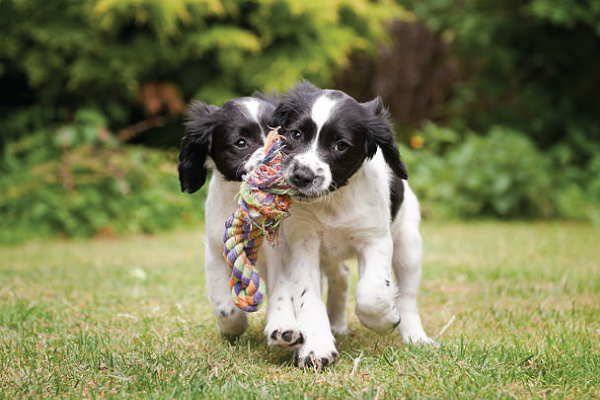
Bathing your dog is a crucial part of their grooming routine, promoting hygiene, preventing skin issues, and strengthening your bond. While it might seem straightforward, a little preparation and know-how can make the experience much smoother and more enjoyable for both you and your furry friend. This comprehensive guide will walk you through every step, from gathering supplies to drying off your pup.
Why Bathe Your Dog?
Regular bathing offers several benefits:
- Hygiene: Removes dirt, debris, and allergens from their coat and skin.
- Odor Control: Eliminates that “doggy smell,” especially important for indoor pets.
- Skin Health: Helps distribute natural oils, prevents dryness, and allows you to check for parasites (fleas, ticks) or skin irritations (redness, bumps, hot spots).
- Coat Health: Keeps their fur clean, manageable, and shiny.
- Bonding: A positive bathing experience can be a great way to interact with your dog.
How Often Should You Bathe Your Dog?
The frequency of bathing depends on several factors:
- Breed and Coat Type: Dogs with oily coats or those that spend a lot of time outdoors may need more frequent baths than short-haired breeds.
- Activity Level: Dogs that love to roll in mud or swim will need baths more often.
- Skin Conditions: Dogs with allergies or skin infections might require medicated baths prescribed by a veterinarian.
- Lifestyle: If your dog sleeps in your bed, you’ll likely want to bathe them more regularly.
General Guidelines:
- Most dogs: Once a month is a good starting point.
- Active/Oily dogs: Every 2-4 weeks.
- Short-haired/Less active dogs: Every 6-8 weeks, or as needed.
Important Note: Over-bathing can strip natural oils from your dog’s skin and coat, leading to dryness and irritation.
Preparation is Key: Gathering Your Supplies
Before you even bring your dog to the bathing area, ensure you have everything ready. This prevents you from leaving a wet, soapy dog unattended.
- Dog Shampoo:
- Crucial: Never use human shampoo on your dog. Their skin has a different pH level, and human products can cause irritation and dryness.
- Types: Choose a gentle, soap-free, and tearless formula designed specifically for dogs. Consider specialized shampoos for puppies, sensitive skin, de-shedding, or medicated needs (as advised by your vet).
- Quantity: Have enough readily accessible.
- Dog Conditioner (Optional but Recommended):
- Helps to detangle fur, especially for long-haired breeds.
- Leaves the coat soft, shiny, and easier to brush.
- Use a conditioner formulated for dogs.
- Towels:
- Have at least 2-3 clean, absorbent towels ready. Microfiber towels are excellent for drying.
- Grooming Brushes/Combs:
- Pre-bath: Brush your dog thoroughly before the bath to remove loose undercoat and tangles. Water can make mats tighter and harder to remove.
- Post-bath: Have brushes suitable for your dog’s coat type for drying and finishing.
- Cotton Balls (Optional):
- Gently place a cotton ball in each of your dog’s ears to help prevent water from entering the ear canal. Don’t push them in too far.
- Eye Lubricant (Optional but Recommended):
- A drop of sterile eye lubricant can protect their eyes from shampoo irritation. Apply it just before you start washing their head.
- Non-Slip Mat:
- Extremely important for the bathing area (tub, shower floor) to prevent your dog from slipping and becoming anxious.
- Treats!
- Positive reinforcement is your best friend. Have plenty of high-value treats on hand to reward good behavior.
- Your Outfit:
- Wear clothes you don’t mind getting wet and a little (or a lot) soapy. An apron or an old shirt is a good idea.
- A Helper (Optional but Beneficial):
- Especially for larger dogs or very active pups, a second person can help hold, reassure, and rinse.
Choosing the Right Bathing Location
- Bathtub: The most common and often easiest option for most dog sizes.
- Shower stall: Good for medium to large dogs. A handheld showerhead is ideal.
- Outdoor hose/tub (in warm weather): Suitable for very dirty dogs or those who dislike indoor baths, but ensure the water temperature is comfortable and the area is safe.
- Wash basin/sink (for small dogs): Can be convenient for tiny breeds.
The Step-by-Step Bathing Process
Get ready to get wet! Follow these steps for a successful bath:
Step 1: Pre-Bath Prep & Brushing
- Brush thoroughly: As mentioned, this is crucial for removing loose hair and tangles. This makes washing and rinsing more effective and prevents matting.
- Calm your dog: Speak in a soothing voice. If your dog is very anxious, introduce them to the bathing area without water first, offering treats and praise.
Step 2: Prepare the Bathing Area
- Place the non-slip mat: Ensure it’s secure at the bottom of the tub or shower.
- Gather supplies: Have everything within reach.
- Fill the tub with a few inches of lukewarm water: It’s easier to add more water than to empty a full tub. Test the temperature on your wrist to ensure it’s comfortable – not too hot, not too cold.
Step 3: Introduce Your Dog to the Water
- Gentle introduction: Slowly lead or lift your dog into the tub.
- Offer a treat and praise: Reward them for calmly entering the space.
- If using cotton balls: Gently place them in your dog’s ears now.
- If using eye lubricant: Apply a drop to each eye.
Step 4: Wetting the Coat
- Use lukewarm water: Start at the neck and work your way down to the tail.
- Avoid the head: Keep the head, face, and ears dry for as long as possible. A cup or a gentle spray from a handheld showerhead works well.
- Thoroughly wet the fur: Ensure the water penetrates down to the skin.
Step 5: Shampooing
- Dilute if necessary: Some shampoos benefit from slight dilution with water for easier application.
- Apply shampoo: Start at the neck and work down towards the tail, lathering gently.
- Massage in: Use your fingertips to really work the shampoo into the coat, paying attention to muddy areas, paws, and under the belly.
- Be gentle around the face: Use a washcloth or your hands carefully to clean the face, avoiding the eyes and inner ears. A tearless shampoo is your best bet here.
- Second shampoo (optional): For very dirty dogs or if using a medicated shampoo, a second lather might be beneficial.
Step 6: Rinsing (Extremely Important!)
- Rinse thoroughly: This is one of the most critical steps. Any leftover shampoo can irritate your dog’s skin and coat, leading to itching and dryness.
- Work from top to bottom: Rinse the body, legs, tail, and finally, the head.
- Check for suds: Continue rinsing until the water runs clear and there are no visible suds. You should be able to run your fingers through the coat and feel no slipperiness from shampoo.
Step 7: Conditioning (If Using)
- Apply conditioner: Follow the product instructions. Usually, you’ll apply it after rinsing out the shampoo.
- Work it in: Massage the conditioner into the coat, particularly on areas prone to tangles.
- Let it sit: Allow the conditioner to sit for a few minutes as per the product’s directions.
- Rinse thoroughly: Again, rinse completely until the water runs clear and the coat feels smooth, not slippery.
Step 8: Drying
- Squeeze out excess water: Gently run your hands down your dog’s coat to remove as much water as possible.
- Towel dry: Use your absorbent towels to pat and rub your dog as dry as you can. Be thorough!
- Shake it off: Most dogs will shake their fur to remove water. Stand back and let them!
- Hair dryer (optional): If your dog tolerates it, a dog-specific or a human hair dryer on a low heat and low speed setting can speed up drying. Keep it moving and don’t hold it too close to their skin. Always monitor for heat. Some dogs are terrified of dryers, so don’t force it.
Step 9: Post-Bath Grooming & Reward
- Brush again: Once your dog is mostly dry, gently brush their coat to remove any remaining tangles and to help distribute natural oils. This is also a good time to inspect their skin.
- Remove ear cotton: If you used cotton balls, remove them.
- Final wipe-down: Use a clean, dry towel to give them a final polish.
- Treats and praise: Lavish your dog with praise and offer a special treat for their good behavior!
Step 10: Clean Up
- Rinse out the tub or shower.
- Wash any used towels and cloths.
Tips for a Stress-Free Bath
- Start Young: The earlier you introduce your puppy to bathing, the more accustomed they will become.
- Positive Reinforcement: Use treats, praise, and gentle petting throughout the entire process.
- Keep it Short: Especially for your dog’s first few baths, aim for efficiency.
- Stay Calm: Your dog can sense your anxiety. Speak in a soothing, happy tone.
- Avoid the Face: Many dogs dislike water near their face. Use a damp washcloth for this area.
- Distraction: Some dogs are motivated by toys. You can try a lick mat with peanut butter in the tub.
- Know When to Stop: If your dog is becoming extremely distressed, it’s better to stop and try again another day. Forcing a fearful dog can make future baths a nightmare.
- Consider Professional Groomers: If your dog is extremely difficult to bathe, or if you have a breed with complex grooming needs, a professional groomer is a great option.
Common Dog Bathing Mistakes to Avoid
- Using Human Shampoo: This is the most common mistake and can lead to skin problems.
- Not Rinsing Thoroughly: Leftover shampoo is a major cause of itching and irritation.
- Water Too Hot or Too Cold: Always check the temperature.
- Getting Water in Ears and Eyes: This can cause infections and discomfort.
- Not Brushing First: Brushing after a bath when wet can cause matting.
- Forcing a Terrified Dog: This will only increase their fear.
By following this comprehensive guide, you’ll be well-equipped to handle your dog’s bathing routine with confidence. Remember, patience, preparation, and positive reinforcement are the keys to a clean dog and a happy owner!
#DogBathing, #DogBath, #PetCare, #DogGrooming, #HowToBatheADog, #PuppyBath, #DogTips, #PetGroomingTips, #DogHygiene, #DIYDogBath, #BeginnerDogOwner, #DogHealth, #HappyDog, #CleanDog, #DogLover, #PetParents, #DogLife, #BathTimeFun, #GroomingGuide, #StepByStepGuide





Add comment