
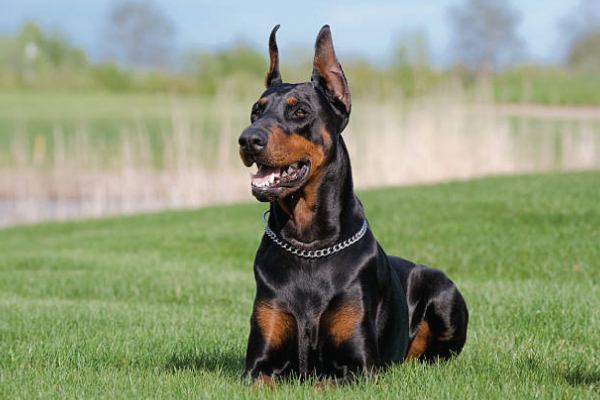
Mastering Tranquility: A Comprehensive Guide to Teaching “Down & Lie-Down” on Command
The gentle slope of a dog’s back, the soft sigh as they settle, the utter relaxation radiating from their being – there’s a profound peace in witnessing our canine companions at rest. But what if this profound peace wasn’t just a spontaneous occurrence, but a reliable, on-demand state? What if, with a simple word and a subtle cue, you could guide your dog into a state of calm, transforming moments of potential chaos into islands of serenity? This is the power of teaching the “Down & Lie-Down” command.
More than just a trick, “Down & Lie-Down” is a foundational behavior that underpins many aspects of good canine citizenship, emotional regulation, and overall well-being for both dog and owner. It’s an invitation to stillness, a tool for self-control, and a pathway to deeper understanding and connection. In this comprehensive and elaborate guide, we will delve into the intricacies of teaching this invaluable skill, covering everything from the initial introduction to advanced applications, ensuring you have the knowledge and confidence to master “Calm on Command.”
Why “Down & Lie-Down” Matters: Beyond the Basics
Before we embark on the journey of teaching, let’s understand the profound impact this command can have. Many dog owners initially consider “Down” as simply a way to get their dog to touch their belly to the ground. While this is a component, the true value lies in its ability to influence a dog’s mental and emotional state.
- Promoting Relaxation and Stress Reduction: A dog that can willingly lie down and stay put is a dog that is practicing self-soothing. This is particularly crucial for dogs prone to anxiety, overexcitement, or reactivity. Learning to disengage from stimuli and relax on command can be a game-changer for their overall emotional health.
- Building Impulse Control: The act of lying down requires a dog to resist the urge to jump, bark, or engage in other stimulated behaviors. It’s a stepping stone to teaching other self-control exercises, such as “stay” or “leave it.”
- Facilitating Management and Safety: Imagine a busy street or a crowded park. A reliable “Down” can quickly and safely bring your dog to a calm, grounded position, preventing them from darting into traffic, overwhelming passersby, or engaging with less-than-ideal distractions.
- Enhancing Training Foundation: “Down” is a prerequisite for many other advanced behaviors. Whether it’s a perfect “stay” or a flawless “heel,” the ability to lie down comfortably and calmly often forms the bedrock.
- Strengthening the Human-Animal Bond: The process of teaching and practicing “Down & Lie-Down” is a collaborative effort. It involves clear communication, positive reinforcement, and mutual trust, all of which contribute to a stronger, more harmonious relationship.
- Providing Mental Stimulation: Learning new behaviors is mentally enriching for dogs. The process of understanding cues, working for rewards, and executing commands provides a fulfilling mental workout.
Understanding the “Down” Spectrum: From a Simple Drop to a Deep Lie-Down
It’s important to acknowledge that “Down” can manifest in various ways. Some dogs naturally offer a quick “head-to-ground” motion, while others prefer a more deliberate, full body lie-down. Our goal is to teach a reliable and relaxed lie-down that is comfortable for the dog. We will focus on teaching a full body lie-down, but acknowledge that some dogs might have physical limitations that require adjustments. Always consult with your veterinarian if you have concerns about your dog’s physical ability to perform certain positions.
The Foundation: Prerequisites for Success
Before you even think about the “Down” command, ensure you have the basics covered:
- Positive Reinforcement Principles: This guide is built on the foundation of positive reinforcement – rewarding desired behaviors. This means using high-value treats, praise, and enthusiastic encouragement.
- Understanding Your Dog’s Motivators: What truly excites your dog? Is it tiny pieces of cheese, cooked chicken, a favorite squeaky toy, or enthusiastic verbal praise? Identifying these motivators will make your training sessions more effective.
- Basic Obedience: A solid understanding of “Sit” and “Stay” can be beneficial, though not strictly necessary.
- Patience and Consistency: Training is a journey, not a race. Be patient with your dog and with yourself. Consistency in your cues, rewards, and training schedule is paramount.
- A Calm and Focused Environment: Begin training in a quiet, low-distraction environment. As your dog progresses, you can gradually introduce more distractions.
Teaching “Down & Lie-Down”: A Step-by-Step Approach
We’ll break down the teaching process into manageable stages, utilizing a combination of luring and shaping techniques.
Stage 1: The Lure – Guiding the Movement
The initial stage involves using a high-value treat to physically guide your dog into the desired position.
Step 1: The “Sit” Starting Point (Optional but Recommended) If your dog knows “Sit,” start with them in a seated position. This often makes the transition to “Down” more natural. If not, you can start with your dog standing.
Step 2: The Lure Technique
- Hold a treat between your thumb and forefinger, allowing your dog to sniff it but not grab it.
- Bring the treat close to your dog’s nose.
- Slowly move the treat downwards, towards the space between their front paws.
- As the treat moves down, simultaneously move your hand in a slight arc, towards your dog’s chest. The goal is to encourage them to lower their head and chest to follow the treat.
- As their head dips, they will naturally start to lower their body.
- Continue the lure downwards and slightly away from them, encouraging their back end to lower towards the ground.
- The moment their elbows touch the ground, say your verbal cue (e.g., “Down,” “Lie down,” “Settle”).
- Immediately release the treat and offer enthusiastic praise.
Important Considerations for Luring:
- Pace is Key: Move the lure slowly and smoothly. A jerky or rushed movement can confuse your dog.
- Keep it Close: The lure should remain very close to your dog’s nose. If you hold it too far away, they’ll feel inclined to stand up and follow it.
- The “Natural” Lie Down: Don’t force your dog into position. The lure should encourage their natural movement. If your dog is struggling, you might be moving the lure too quickly or in the wrong direction.
- Avoid Chest-to-Ground: If your dog scoots forward or tries to lie down with their hindquarters still in the air, you might be moving the lure too far forward. Focus on bringing it down and slightly under their chest.
- Variations: Some dogs will naturally drop their elbows first, others their hindquarters. Observe your dog’s natural tendency and adjust your lure accordingly. You can also try luring from a standing position, bringing the treat straight down between their front paws and then slightly outwards.
Step 3: Repeat and Reward Repeat this process multiple times in short, positive sessions (5-10 minutes). Each time your dog successfully follows the lure and their elbows touch the ground, mark it with your cue and reward heavily.
Stage 2: Fading the Lure – Introducing the Verbal Cue and Hand Signal
Once your dog is reliably following the lure into a lie-down, it’s time to start fading the lure and relying more on your verbal cue and a hand signal.
Step 1: The Faded Lure
- Go through the same luring motion with the treat in your hand, but without the treat actually being visible. Your hand will still make the same movement.
- As your dog follows the hand motion and lies down, say your verbal cue (“Down”) just as their elbows touch the ground.
- Immediately bring your hand up to your mouth (or wherever your treat pouch is) and reward them.
Step 2: Introducing a Hand Signal Simultaneously with your faded lure, you can start introducing a consistent hand signal. A common hand signal for “Down” is an open palm moving downwards.
- Perform the same faded lure motion, but as you do, also perform your chosen hand signal.
- Say your verbal cue.
- Reward when they lie down.
Step 3: Gradually Reduce Hand Movement Over several sessions, gradually make your hand motion smaller and less pronounced. You want to move from a full luring motion to a simple, subtle hand signal.
- Start with the hand signal after the verbal cue.
- Eventually, you’ll be able to give the verbal cue and/or the hand signal without any treat in your hand at all.
Step 4: Reward from Your Other Hand When you’re no longer using a lure in your hand, have your treats readily accessible in your other hand or in a treat pouch. When your dog lies down in response to the cue, reach for the treat from your pouch and reward them.
Stage 3: Reliability and Duration – Building Independence
Now that your dog understands the cue, the focus shifts to making the “Down” reliable in various situations and gradually increasing the duration they hold the position.
Step 1: Adding Duration
- Once your dog is lying down reliably on cue, start to delay the reward slightly.
- After they lie down, wait for a count of 1-2 seconds before marking the behavior with your verbal cue (if you use one for “good boy/girl”) and rewarding.
- Gradually increase the duration, counting 3, then 5, then 10 seconds.
- Important: Always end on a good note. If your dog gets up before the desired duration, don’t punish them. Simply reset and try for a shorter duration next time.
Step 2: Adding Distance
- Once your dog can hold a “Down” for a reasonable duration (e.g., 10-15 seconds) while you are standing over them, start to introduce a small amount of distance.
- Give the “Down” cue, take one step back, wait a second, and then return to reward.
- Gradually increase the distance, step by step.
- You can also start practicing this from a “Sit” position.
Step 3: Adding Distractions This is where the real-world application of “Down” shines.
- Low-Level Distractions: Start in your training environment. Have someone walk past at a distance, drop a toy, or make a soft noise. Cue your dog to “Down” and reward for holding the position.
- Gradual Increase: Slowly increase the intensity and proximity of distractions. Move to slightly busier areas of your home, then your yard, then quiet streets, gradually progressing to busier parks.
- Proofing: The goal is to have your dog “Down” and remain there reliably, even when tempting things are happening around them. This takes time and consistent practice.
Step 4: Introducing the “Stay” Element (If desired) If you want your dog to remain “Down” for an extended period, you will eventually introduce a “Stay” cue. However, for “Down & Lie-Down” specifically, the goal is often a relaxed, temporary stillness, not a prolonged “Stay.” The duration built in Stage 3 already incorporates a foundational “stay” element.
Stage 4: Generalization and Real-World Application
The final stage is about ensuring your dog understands and responds to the “Down” command in all environments and situations.
Step 1: Practice in Various Locations
- Different rooms in your house.
- Your yard.
- The car.
- The vet’s waiting room.
- Friend’s houses.
- Parks and trails.
- Pet-friendly stores.
Step 2: Different Times of Day Your dog’s energy levels and focus can vary throughout the day. Practice at different times to ensure reliability.
Step 3: Different People Present Practice with family members, friends, and even strangers (with their permission).
Step 4: Fading Treats (Partially) While treats are powerful motivators, you don’t want your dog to only lie down when they see a treat.
- Intermittent Reinforcement: Once your dog is very reliable, you can start rewarding every 2nd, 3rd, or 4th successful “Down.” Continue to offer praise and affection for every successful response.
- Life Rewards: Incorporate “life rewards.” For example, if you ask your dog to “Down” before you throw their ball, the reward is the opportunity to chase the ball. If you ask them to “Down” before you open the door to go for a walk, the reward is the walk itself.
Common Challenges and Troubleshooting
- Dog Won’t Lie Down:
- Lure Too High: Ensure the lure is moving low and towards the ground between their paws.
- Lure Too Far Away: Keep the treat very close to their nose.
- Dog Standing Up: You might be moving the lure too quickly upwards or forwards. Focus on the downward motion.
- Physical Discomfort: If your dog is older, injured, or has joint issues, a full lie-down might be uncomfortable. Consult your vet. You might need to adapt your training or focus on a modified “Down.”
- Not Motivated: Increase the value of your treats.
- Dog Scoots Forward or Stays on Hindquarters:
- Lure Moving too Far Forward: Focus on bringing the lure down and slightly under their chest, then subtly away, encouraging their hindquarters to follow.
- Dog is Unsure: Break it down into smaller steps. Reward for just lowering their head, then lowering their chest, then their elbows.
- Dog Gets Up Immediately:
- Duration Too Long: You’re asking for too much too soon. Shorten the duration you expect.
- Distractions Too High: Reduce distractions.
- Reward Not High Value Enough: Ensure you’re using treats your dog loves.
- Excitement: The dog is too excited to settle. Practice “Down” when they are calmer.
- Dog Doesn’t Understand the Cue:
- Inconsistent Cues: Ensure you are using the same verbal cue and hand signal every time.
- Too Many Distractions Too Soon: Go back to a quieter environment.
- Lure Not Faded Properly: Ensure you’ve fully faded the lure before expecting the dog to respond to the cue alone.
Advanced Applications of “Down & Lie-Down”
Once your dog has a solid “Down & Lie-Down,” you can leverage it for even more sophisticated control and training.
- “Place” or “Mat” Training: Teach your dog to go to a specific mat or bed and lie down. This is an invaluable tool for setting boundaries and creating a calm space for your dog, especially in busy households or when guests visit.
- Calming During Excitement: When your dog is overstimulated by greetings, toys, or other dogs, a quick “Down” can help them regain composure and self-regulate.
- Greeting Etiquette: Teaching your dog to lie down when people approach the door or when guests are present can prevent jumping and create a more polite greeting.
- Managing Resource Guarding (with caution): In some cases, a dog that can lie down and disengage from a prized item can be a component of managing mild resource guarding. This should be done with the guidance of a qualified positive reinforcement trainer.
- Post-Exercise Cool Down: Encouraging your dog to lie down and relax after strenuous exercise can aid in their recovery.
- Preparation for Grooming and Veterinary Visits: A dog that can comfortably lie down and remain still is much easier to handle for these necessary procedures.
The Importance of a Relaxed “Down”
It’s crucial to differentiate between a tense, hesitant “Down” and a relaxed, willing one. A truly effective “Down & Lie-Down” command encourages relaxation. Avoid rewarding a “Down” that looks forced, uncomfortable, or tense. If your dog is tucking their tail, showing stiffness, or seems worried, reassess your approach. The goal is to create a positive association with the command, not to force compliance.
Consider observing your dog’s body language. A relaxed “Down” will often be accompanied by soft eyes, a loose body, and possibly a sigh of contentment. This is the ultimate goal – not just an obedient dog, but a calm and happy partner.
Conclusion: Cultivating Calmness, One Lie-Down at a Time
Teaching your dog “Down & Lie-Down” on command is an investment in a calmer, more controlled, and more harmonious relationship. It’s a skill that transcends basic obedience, offering profound benefits for your dog’s emotional well-being and your ability to manage them effectively in a multitude of situations.
Remember to approach training with patience, consistency, and an abundance of positive reinforcement. Celebrate every small success, and don’t be discouraged by setbacks. With dedication and understanding, you will unlock the incredible power of teaching your canine companion to find tranquility on command. The reward of a calm, settled dog, ready to relax at your gentle guidance, is truly immeasurable.
#DogTraining, #DownCommand, #LieDown, #CanineCalm, #DogObedience, #PositiveReinforcement, #DogBehavior, #PuppyTraining, #DogTricks, #DogHacks, #TrainYourDog, #DogLife, #DogLove, #WellBehavedDog, #CalmDog, #DogTrainingTips, #InstaDog, #DogsofInstagram, #YouTubeDogs, #DogTrainingAcademy, #DogBehaviorist, #ReliableDog, #DogOwner, #CanineCompanion, #PeacefulPup, #SettleCommand, #DogTrainingJourney, #DogEducation, #SmartDog.





Add comment