
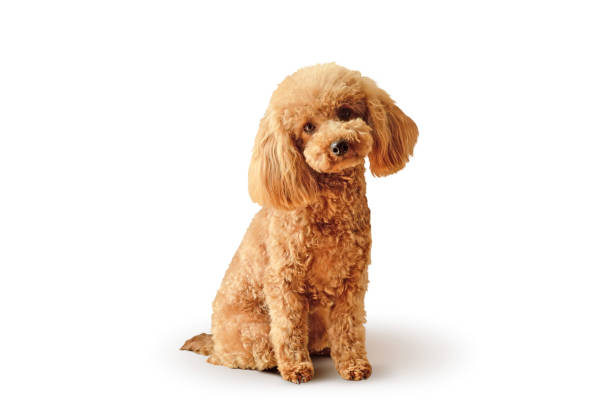
 The term “Relaxed & Ready” (R&R) describes the ideal state for a working dog: a mind that is calm, settled, and able to control impulses (Relaxed), while simultaneously being attentive, focused, and willing to respond instantly to commands (Ready).
This guide will treat R&R not as a single command, but as an Essential State of Mind built through the integration of foundational impulse control, duration exercises, and focused attention work.
PART I: UNDERSTANDING THE R&R STATE
1. Defining the Components
| Component | Goal Behavior | Primary Commands/Techniques |
|---|---|---|
| RELAXED (Settle & Duration) | The puppy is still, lying down, and exhibiting low-level physiological arousal (low heart rate, slow breathing). | “Place,” “Settle,” “Down-Stay” (advanced), Capturing Calmness |
| READY (Focus & Impulse Control) | The puppy is actively paying attention to the handler, ignoring low-level distractions, and waiting for a release cue. | “Watch Me/Look,” “Wait,” “Leave It,” short bursts of high-speed obedience. |
2. Why R&R is Crucial
The goal of basic obedience is not just compliance, but reliable compliance under pressure. A puppy that is over-aroused, hyper-excited, or anxious cannot learn effectively.
- Foundation for Public Access: A dog that can Relax & Be Ready is a dog that can accompany you calmly to the vet, the park, or a cafe.
- Preventing Reactivity: Many major behavioral issues (barking, pulling, lunging) stem from an inability to manage excitement or anxiety. R&R teaches the puppy to choose calmness.
- Building Engagement: A puppy who knows they will be rewarded for focus and calmness becomes intrinsically motivated to pay attention to the handler.
PART II: TRAINING THE “RELAXED” COMPONENT (Duration & Settle)
3. Command: “PLACE” or “MATTRESS” (The Relaxation Anchor)
A “Place” command teaches the puppy that a specific spot (a mat, dog bed, or towel) is their zone of calm.
A. Introduction to the Place
- Mark the Spot: Place a designated mat or towel in a low-distraction environment.
- Lure On: Toss a treat onto the mat. When the puppy steps onto the mat to get the treat, use your marker word (“Yes!” or click) and immediately give another reward.
- Add the Cue: As the puppy steps onto the mat, say “Place.” Mark and reward all four paws on the mat.
- Reward for Down: Once the puppy is reliably stepping onto the mat, focus rewards only when they offer a down on the mat.
B. Building Duration (The Relaxed State)
This step shifts the focus from the action (getting on the mat) to the state (being calm and still).
- Capturing Calmness: When the puppy is lying down on the mat, start rewarding them in position. Deliver the treat between their paws, saying nothing. This prevents them from popping up.
- The Time Increase: Start with 3 seconds of stillness, reward. Increase to 5 seconds, reward. Then 10, then 30. Gradually stretch the time.
- Proofing Stillness: Once they are stationary, stand up, take one step away, return, and reward. Gradually increase your distance and movement (walking around the mat, stretching, doing a few chores).
- The Release Cue: Always use a specific, high-energy release word (e.g., “Break!” or “Free!”) to signal that the work is over and they can exit the mat. This clearly demarcates the work time from the play time.
4. Technique: Capturing and Reinforcing Calmness
Beyond the mat, you must actively reinforce any moment your puppy is naturally calm.
- When your puppy chews quietly on a toy, slip a high-value chew beside them.
- When they lie quietly under the table during dinner, drop a small piece of kibble.
Rule: Don’t interact when they are demanding attention (poking, pawing). Only interact and reward when they are choosing to settle independently.
PART III: TRAINING THE “READY” COMPONENT (Focus & Impulse Control)
The “Ready” component ensures that despite being relaxed, the puppy is mentally available and waiting for direction.
5. Command: “WATCH ME” or “LOOK” (Active Focus)
This command is the bedrock of reliable obedience, immediately grabbing the puppy’s attention and focusing it exclusively on you.
- Start Simple: Hold a high-value treat near your nose/eye level.
- Mark the Gaze: As soon as the puppy’s eyes leave the treat and look into your eyes, quickly say your marker word and deliver the treat.
- Add the Cue: Before bringing the treat to your nose, say “Watch Me.” Reward the instant eye contact.
- Fading the Lure: Gradually move the reward away from your face (to your pocket, or off-hand) so that the puppy learns the value is in the eye contact itself, not the sight of the food.
- Duration Practice: Demand eye contact for increasing periods (starting with 1 second, increasing to 5 or more).
6. Command: “WAIT” (Impulse Control)
“Wait” is a short-term pause command used for doors, hallways, or stepping out of the car. It teaches the puppy to defer gratification. Note: “Wait” is different from “Stay.” “Stay” means holding a position (Sit/Down). “Wait” means holding a boundary.
A. Doorway Etiquette
- Approach the door with your puppy on a leash.
- Hold the leash short and say “Wait.”
- Reach for the doorknob. If the puppy tries to rush forward, step back, close the door slightly, and reset.
- Once the puppy stands or sits calmly for 3 seconds while you open the door, reward them.
- Give your release cue (“Okay!”) and let them walk through the door. The puppy should never exit an open door without the release cue.
B. Food Bowl Wait
This exercise is essential for teaching R&R when highly motivated.
- Prepare the food bowl. Place the bowl on the ground, but hold the puppy back slightly (or have them in a Sit).
- As you lower the bowl, if the puppy lunges, immediately lift the bowl up. Say “Wait.”
- Only when the puppy looks at you or offers a small settle (even shifting weight back) do you lower the bowl down again.
- Once the bowl is fully on the ground and the puppy is looking at you, give the release cue (“Eat!”) before they can touch the food.
PART IV: INTEGRATING RELAXED & READY (Advanced Proofing)
The true R&R state is achieved when the puppy can be physically relaxed but mentally sharp, even amidst distractions.
7. The R&R Drill (The Relaxation Sandwich)
This exercise teaches the puppy how to transition quickly between excitement and calm.
- High Arousal: Engage in 30 seconds of high-energy play (Tug, Chase, Fetch).
- The Transition: Immediately stop play. Ask for a “Watch Me” (Ready component).
- The Settle: Immediately ask for “Place” or a “Down.” Reward heavily for duration and stillness (Relaxed component).
- Release & Repeat: After 60 seconds of calm, use the release cue and restart the high-arousal play.
The goal is to shrink the time it takes the puppy to transition from 100% excitement to 0% engagement.
8. Generalization and Environmental Proofing
Once the puppy achieves R&R in the quiet living room, you must generalize the behavior:
| Setting | Training Goal |
|---|---|
| Medium Distraction | Practice “Place” while someone walks by or while the doorbell rings once. |
| High Distraction | Practice “Place” during mealtimes, or practice “Wait” outside the busy vet office. |
| Movement | Practice R&R while you move. Teach the puppy to “Down” instantly during a walk (emergency stop). |
PRO TIP: When training in a new, distracting environment, always drop your criteria. If your puppy can “Stay” for 30 seconds at home, only ask for 5 seconds in the park. Reward for success and gradually increase the demand.
PART V: TROUBLESHOOTING COMMON R&R CHALLENGES
| Challenge | Possible Cause | Solution |
|---|---|---|
| Puppy Won’t Settle on the Mat | Excess energy; Mat is associated with confinement or anxiety. | Ensure the puppy has had adequate exercise/mental stimulation first. Make the mat the best place on earth—use high-value chews (bully sticks, Kongs) only when on the mat. |
| Too Excited/Jumping during “Watch Me” | The puppy is over-aroused by the presence of the reward. | Work on “Watch Me” at a distance first. Wait for the slightest pause in movement to mark and reward. Lower the value of the treat temporarily. |
| Refusing to Release / Stressed on “Place” | Puppy fears getting off the mat means the rewards stop. | Use a high-energy, exciting release cue (“Break!”) and instantly start a 5-second play session off the mat. This proves that the fun continues when released. |
| Can’t Hold a “Wait” at the Door | Need for immediate gratification is too strong. | Go back to the Food Bowl Wait, which is easier to control. Practice “Wait” far away from the door first. Only approach the exit once the puppy is reliably calm. |





Add comment