
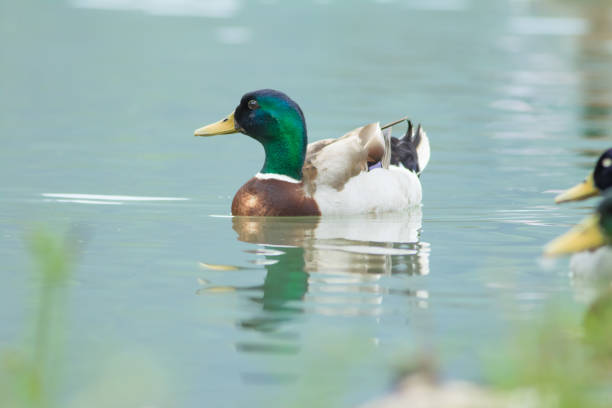
Drowning is a leading cause of mortality in waterfowl, especially in domestic and captive‑raised ducks. While most people associate “drowning” with humans, the physiological mechanisms are remarkably similar across vertebrates: water entry into the respiratory tract interferes with gas exchange, leading to hypoxia, hypercapnia, and ultimately cardiac arrest if not rescued promptly. In ducks, the risk is amplified by their natural affinity for water, the design of many enclosures, and the presence of environmental hazards such as strong currents, overcrowding, and inadequate supervision.
Understanding why ducks drown, how to recognize the early signs, and what steps can be taken to prevent, diagnose, and treat a drowning incident is essential for anyone who keeps, studies, or cares for these birds—whether you are a backyard hobbyist, a commercial breeder, a wildlife rehabilitator, or a veterinarian.
2. Causes of Drowning in Ducks
| Category | Specific Causes | Mechanism |
|---|---|---|
| Environmental | • Deep, unguarded ponds or pools • Fast‑moving water (streams, waterfalls) • Slippery substrates (slick algae, ice) • Poorly designed water features (steep walls, no ramp) |
Ducks may become disoriented or lose footing, sliding into deep water where they cannot surface or climb out. |
| Physical Barriers | • Netting, wire mesh, or fencing that trap feet • Overhanging vegetation that entangles neck or wings • Heavy debris (rocks, logs) that block exit routes |
Entanglement prevents the bird from paddling or lifting its head above water, leading to water aspiration. |
| Health‑Related | • Neurological disease (e.g., West Nile virus, avian botulism) that impairs balance • Muscular weakness from malnutrition, parasites, or metabolic disorders • Respiratory infections that reduce stamina |
A weakened or diseased bird may be unable to keep its head above water for a sufficient period. |
| Behavioral | • Over‑excitement or play‑induced “splashing” that forces the head under • Aggressive interactions that push a bird into water • Inexperienced ducklings that cannot gauge depth |
The bird’s own activity, especially in groups, can unintentionally result in submersion. |
| Human‑Induced | • Accidental release of a duck into a body of water without safe exit (e.g., during transport) • Inadequate supervision during bathing or cleaning • Use of toxic chemicals that cause loss of coordination |
Human error or neglect often creates the scenario that culminates in drowning. |
Key point: Drowning is rarely a single‑factor event. Most cases involve a combination of environmental exposure, physical obstacles, and underlying health or behavioral issues.
3. Signs and Symptoms
Early recognition saves lives. The clinical picture evolves rapidly—from the moment the bird’s head submerges to the moment it succumbs to hypoxia.
| Stage | Observable Signs | Physiological Correlate |
|---|---|---|
| Immediate (0‑15 s) | – Sudden silence, no quacking – Head bobbing or rapid submergence – Wings flapping frantically under water – Body floating belly‑up |
Airway obstruction, onset of hypoxia. |
| Early (15‑60 s) | – Panic paddling, frantic wing beats – Gasping at surface, surfacing briefly then submerging again – Loss of coordinated movement, “twitching” of legs – Cyanotic (bluish) tint to skin, especially around the beak and toes |
Rising CO₂, falling O₂, beginning of metabolic acidosis. |
| Progressive (1‑3 min) | – Weak or absent paddling – Flaccid body, floating motionless – Deep, labored breaths if still able to surface – Eye “glassiness” (non‑reactive pupils) |
Severe hypoxia, cardiac depression, impending cardiac arrest. |
| Terminal (>3 min) | – No movement, body remains afloat – No response to tactile stimulation – Rigor mortis may set in within minutes after death |
Irreversible tissue damage, brain death. |
When to intervene: If a duck is observed struggling for more than 20–30 seconds without successful resurfacing, immediate rescue is warranted. Even a short submersion can cause significant injury, especially in young or compromised birds.
4. Duck Breeds at Greatest Risk
While any duck can drown under the right circumstances, certain breeds and genetic lines are disproportionately vulnerable due to conformation, behavior, or husbandry practices.
4.1. Pekin Ducks
Why they’re at risk: Pekins are the most common commercial meat duck. They have a large, heavy body and a relatively short, stout bill which can become water‑logged quickly. Their excessive feathering on the neck and breast can trap water, increasing buoyancy loss. Intensive housing often provides only shallow water sources, encouraging birds to jump or dive in attempts to “bathe,” which can lead to accidental submersion.
4.2. Mallard‑Derivatives (e.g., Runner Ducks, Welsh Harlequins)
Why they’re at risk: These ornamental breeds often possess long, slender legs and elevated body posture, which, while advantageous on land, limit their ability to push against deep water. In addition, many are kept in decorative garden ponds that have steep banks or decorative barriers that can trap feet.
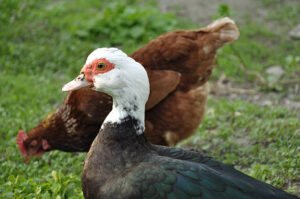
4.3. Muscovy Ducks
Why they’re at risk: Muscovies are larger than most dabbling ducks and have a more upright stance. Their semi‑aquatic nature leads owners to provide larger water bodies, which may contain strong currents or uneven depths. Muscovies are also prone to parasitic infestations (e.g., Heterakis gallinarum) that can cause weakness, predisposing them to drowning.
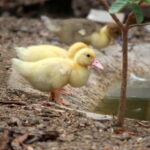
4.4. Domestic Ducklings (Mixed‑Breed)
Why they’re at risk: Ducklings have under‑developed coordination and small lung capacity. Even a modest splash may exceed their ability to clear water from the nares. Over‑crowded brooder setups often lack safe, shallow water for drinking, prompting ducklings to “drink” from deeper sources.
4.5. Heritage and Rare Breeds (e.g., Crested, Saxony)
Why they’re at risk: Many heritage breeds have excessive plumage or unusual feather structures (e.g., crests, frills) that can trap water and increase weight when wet. Their rarer presence means owners may be less familiar with their specific needs, leading to inadequate water management.
Bottom line: Any duck kept in an environment where water depth exceeds the bird’s ability to stand or paddle, or where barriers impede escape, is at heightened risk—regardless of breed. Tailoring housing design to each breed’s conformation is crucial.
5. Affected Life Stages
| Life Stage | Vulnerability | Typical Scenarios |
|---|---|---|
| Embryo/Egg | None (protected by shell) | – |
| Hatchling (0‑4 weeks) | Very high – limited motor skills, low body mass, high surface‑area‑to‑volume ratio → rapid heat loss and water absorption. | – Drinking from deep containers, accidental falls into puddles, being pushed by older birds. |
| Juvenile (4‑12 weeks) | High – still developing musculoskeletal strength; feathers not fully waterproofed. | – Over‑excited play in ponds, insufficient shallow escape ramps. |
| Adult (≥12 weeks) | Moderate – fully feathered, stronger legs, but can be compromised by disease or obesity. | – Illness (e.g., botulism) reducing stamina, obesity limiting buoyancy control, aggressive interactions. |
| Senior (≥3 years, breed‑specific) | Variable – age‑related arthritis or arthritis‑related reduced mobility; may have chronic respiratory or metabolic disease. | – Slower reaction to danger, decreased ability to climb out of water, increased susceptibility to hypoxia. |
Practical tip: Provide age‑appropriate water depth:
- 0‑4 weeks: 1–2 cm of clean water for drinking, never deeper than the bird’s eye level.
- 4‑12 weeks: Shallow paddling zone (3–5 cm) with gradual slope to deeper area (≤10 cm).
- Adults: 5–10 cm for bathing, with a sloped ramp or stone ledge allowing easy exit.
6. Diagnosis
A definitive diagnosis of drowning is often post‑mortem, but during life, a combination of clinical assessment and ancillary testing can confirm the event and uncover any contributory factors.
6.1. Clinical Examination
- History & Observation – Immediate witness of submersion, rescue attempt, time elapsed.
- Physical Exam –
- Respiratory rate: tachypnea or apnea.
- Mucous membrane color: cyanosis indicates hypoxia.
- Body temperature: hypothermia common due to water heat loss.
- Neurologic status: ataxia, stupor, seizures.
- Auscultation – May reveal wet lung sounds, “gurgling” due to fluid in air sacs.
6.2. Laboratory & Imaging (if bird survives)
| Test | Rationale |
|---|---|
| Arterial Blood Gas (ABG) | Quantifies hypoxemia (↓pO₂) and hypercapnia (↑pCO₂). |
| Complete Blood Count (CBC) | Detects secondary infection, anemia, leukocytosis. |
| Serum Chemistry | Evaluates electrolyte shifts (e.g., hyponatremia from water intake) and organ function. |
| Radiographs (Thoracic) | May show fluid in air sacs, pulmonary edema, or aspiration pneumonia. |
| Ultrasound (Thoracic/Abdominal) | Rapid bedside assessment for fluid accumulation. |
| Swab for Bacterial Culture | Rules out secondary bacterial pneumonia (e.g., Pseudomonas, E. coli). |
| Post‑mortem Histopathology | Confirms pulmonary edema, alveolar hemorrhage, and can identify toxic agents. |
6.3. Differential Diagnosis
- Aspiration Pneumonia (bacterial, fungal)
- Botulism (neuromuscular weakness)
- Avian Influenza or other respiratory viral infections
- Metabolic Disorders (e.g., hypoglycemia)
- Trauma (fractures, internal injuries)
Key diagnostic principle: Drowning is a diagnosis of exclusion when no other primary disease explains the acute respiratory collapse following a witnessed submersion event.
7. Treatment
7.1. Immediate First‑Aid (Rescue)
- Remove the bird from water as swiftly and gently as possible.
- Clear the airway – use a soft, clean cloth or gentle suction to wipe water from the nares and beak.
- Warm the bird – wrap in a dry towel and place under a low‑intensity heat source (e.g., heating pad set to “low,” warm water bottle wrapped in a towel). Avoid overheating.
- Assess breathing – if not breathing, perform ventilatory support with a small syringe (1 ml) to deliver gentle breaths (1–2 breaths per minute) while monitoring for chest rise.
- Transfer to a veterinarian within 30 minutes if the bird shows persistent respiratory distress, neurologic signs, or is an adult/dependent bird.
7.2. Veterinary Management
| Intervention | Details |
|---|---|
| Oxygen Therapy | Administer supplemental oxygen via a mask or a face tent delivering 40–60 % O₂. A flow rate of 1–2 L/min is adequate for most ducks. |
| Fluid Therapy | Warm isotonic crystalloids (e.g., Lactated Ringer’s) at 10 ml/kg IV or intra‑osseous to correct hypovolemia and hypothermia. |
| Bronchodilators | Nebulized ipratropium bromide or dexamethasone (anti‑inflammatory) may reduce bronchoconstriction and edema. |
| Antibiotics | Empirical broad‑spectrum coverage (e.g., enrofloxacin 10 mg/kg IM once daily) for 5‑7 days if secondary bacterial infection suspected. |
| Antifungals | If fungal pneumonia suspected (e.g., Candida), consider fluconazole 10 mg/kg PO for 10 days. |
| Analgesia & Sedation | Meloxicam 0.2 mg/kg PO for pain; short‑acting sedation (e.g., midazolam 0.5 mg/kg IM) if handling is stressful. |
| Nutritional Support | Provide high‑energy, easily digestible feed (e.g., commercial waterfowl starter) and electrolyte‑balanced water. Force‑feeding may be required if the bird is not eating. |
| Monitoring | Continuous pulse oximetry, temperature checks, and serial blood gas analysis for the first 24 hours. |
Prognostic Indicators
- Good: Rescued <30 s, rapid return of normal respiration, no neurologic deficits.
- Guarded: Prolonged submersion (≥1 min), mild ataxia, partial lung edema.
- Poor: >3 min underwater, severe cyanosis, comatose state, or concurrent severe disease (botulism, severe infection).
8. Prognosis & Complications
| Outcome | Likelihood | Typical Course | Potential Complications |
|---|---|---|---|
| Full Recovery | 60–80 % (if rescued promptly & under 30 s) | Return to normal activity within 24–48 h; normal feeding within 72 h. | Minimal; occasional mild respiratory irritation. |
| Partial Recovery | 15–25 % (submersion 30 s–2 min) | May develop mild ataxia or transient feather loss due to water damage. | Aspiration pneumonia, chronic bronchitis, reduced stamina. |
| Chronic Lung Disease | 5–10 % (submersion >2 min or secondary infection) | Persistent cough, wheeze, decreased exercise tolerance. | Pulmonary fibrosis, secondary bacterial/fungal infection. |
| Mortality | 5–20 % (depending on rescue time, age, breed) | Death within minutes to hours if no rescue; eventual necropsy. | Post‑mortem autolysis; possible zoonotic pathogens (e.g., Campylobacter, Salmonella). |
Long‑term monitoring is advisable for any duck that suffered a near‑drowning event. Re‑evaluate weight, feather condition, respiratory sounds, and behavior at 1‑week and 1‑month intervals.
9. Prevention
Preventing drowning is far more effective—and humane—than treating its consequences. Below is a holistic prevention checklist organized by habitat design, management practices, health monitoring, and owner education.
9.1. Habitat Design
- Water Depth Zoning – Create a graded ramp from 1 cm (drinking zone) → 5 cm (bathing zone) → ≤10 cm (deep zone for adult swimming).
- Escape Ramps & Platforms – Concrete or textured stones placed at 15°–30° angles allow birds to climb out of water easily.
- Non‑Slip Flooring – Use textured rubber mats or gravel near water edges to prevent slipping.
- Barrier Placement – Keep netting, wire, and plant stems ≥5 cm away from water edges; use smooth‑finished PVC or acrylic pipes for ramp sides.
- Cover Strong Currents – Install weirs or flow restrictors in streams to reduce velocity to <0.2 m/s.
- Adequate Lighting – Ensure good visibility at dusk/dawn; ducks are more prone to accidents in low light.
9.2. Management Practices
- Supervise Bathing – During the first 4 weeks, monitor all water interactions; limit group size to ≤4 ducklings per 1 m² of water surface.
- Separate Age Groups – Keep ducklings, juveniles, and adults in different water zones to avoid bullying and accidental pushes.
- Routine Water Quality Checks – Test for pH (6.5–7.5), ammonia (<0.5 ppm), and pathogen load (e.g., E. coli) weekly.
- Dry Rest Areas – Provide elevated perches or dry platforms where birds can retreat if they become too wet.
- Limit Chemical Use – Avoid detergents, herbicides, or disinfectants in water; instead use water‑safe avian sanitizers (e.g., diluted hydrogen peroxide at 0.1 %).
9.3. Health Monitoring
- Weight & Condition Scoring monthly; overweight birds have reduced buoyancy control.
- Feather Condition – Check for wet‑feather clumps after bathing; replace or dry them promptly.
- Parasite Control – Conduct fecal exams quarterly; treat gastrointestinal and ectoparasites (e.g., ivermectin 0.2 mg/kg PO).
- Vaccination – Where available, vaccinate against Newcastle Disease and Avian Influenza to reduce respiratory compromise.
9.4. Owner Education
- First‑Aid Training – All caretakers should learn duck rescue and basic airway clearance.
- Signage – Place “Water Safety” signs near ponds, especially in public parks.
- Emergency Contact List – Include local wildlife rehabilitators, avian vets, and a 24‑hour animal poison control hotline.
By integrating these preventive measures, the incidence of drowning can be reduced dramatically—often by more than 80 % in well‑managed flocks.
10. Diet and Nutrition
A balanced diet supports overall health, feather integrity, and muscular strength—key factors for safe water interaction.
| Nutrient | Recommended Level | Role in Drowning Prevention |
|---|---|---|
| Protein | 18‑22 % (starter), 15‑18 % (maintenance) | Muscle development for paddling and climbing. |
| Fat | 4‑6 % (starter), 2‑4 % (maintenance) | Energy for vigorous activity and thermoregulation. |
| Calcium | 1.0‑1.2 % (laying females) | Strong bone & beak structure; reduces fractures that could impede escape. |
| Vitamin A | 8,000‑10,000 IU/kg | Maintains mucosal health in respiratory tract; reduces susceptibility to infection after water exposure. |
| Vitamin E | 100‑150 IU/kg | Antioxidant protection against oxidative stress from hypoxia-reperfusion injury. |
| Selenium | 0.2 ppm | Works with Vitamin E to protect cell membranes during hypoxic events. |
| Water‑Soluble Minerals (Mg, K) | Adequate to maintain electrolyte balance | Prevents muscle cramps during prolonged swimming. |
Feed Types
- Starter Crumble (0‑4 weeks) – high‑protein, finely milled for easy ingestion.
- Grower Pellets (4‑12 weeks) – moderate protein, added omega‑3 fatty acids for feather waterproofing.
- Maintenance/Layer Mash (≥12 weeks) – balanced for growth/egg production plus added dry skim milk powder for extra calcium.
Special Nutrition for At‑Risk Ducks
- Omega‑3 Enrichment (e.g., flaxseed oil) improves feather lipid composition, enhancing water repellency.
- Probiotics (e.g., Lactobacillus spp.) reduce gut dysbiosis that can lead to enteric parasites weakening the bird.
Feeding Management
- Provide clean, fresh water (separate from bathing water) at all times.
- Avoid over‑watering of feed – soggy feed can clump, become a drowning hazard for ducklings.
- Offer dry foraging opportunities (e.g., grass, leafy greens) to promote natural preening and feather maintenance.
11. Zoonotic Risks
While drowning itself is not a zoonosis, the water environments that predispose ducks to drowning can also harbor pathogens transmissible to humans. Understanding these risks is essential for caretakers and the public.
| Pathogen | Transmission Route | Human Disease | Relevance to Drowning |
|---|---|---|---|
| Campylobacter jejuni | Ingesting contaminated water or handling wet birds | Gastroenteritis (diarrhea, fever) | Ducks that drown may release gut contents into water, increasing bacterial load. |
| Salmonella enterica | Same as above; also via fecal contamination of surfaces | Typhoid‑like illness, gastroenteritis | Wet environments favor bacterial proliferation. |
| Avian Influenza (H5N1, H7N9) | Inhalation of aerosolized virus from infected birds | Severe respiratory disease | Drowning can cause coughing and aerosolization of secretions. |
| Norovirus | Fecal‑oral via contaminated water or surfaces | Acute gastroenteritis | Waterborne outbreaks documented in poultry farms. |
| Cryptosporidium spp. | Ingestion of oocysts from water | Watery diarrhea, especially in immunocompromised | Water sources used for ducks often serve as recreational areas for people. |
| Mycobacterium avium complex (MAC) | Inhalation of aerosolized droplet nuclei | Pulmonary disease (especially in HIV patients) | Drowned birds may develop necrotizing pneumonia, shedding mycobacteria. |
Preventive Human Measures
- Hand Hygiene: Wash hands with soap and water after handling ducks, water, or equipment.
- Protective Clothing: Use gloves, waterproof boots, and aprons when cleaning ponds or rescuing birds.
- Water Treatment: If ponds are shared with humans (e.g., community parks), treat with UV filtration or chlorination (maintain <2 ppm free chlorine).
- Vaccination: Persons at high risk (e.g., farm workers) should consider influenza and Hepatitis A vaccinations.
- Public Education: Post signs warning about “no feeding” and “no swimming” in water bodies that host captive ducks.
12. Summary & Practical Checklist
12.1. Quick Reference Checklist for Duck Keepers
| Item | Action |
|---|---|
| Water Depth | Install graded ramps; keep deep zone ≤10 cm for most breeds. |
| Escape Routes | Provide ≥15 cm wide, gently sloping exit paths. |
| Supervision | Watch ducklings & juveniles while they bathe; limit group size. |
| First‑Aid Kit | Include towels, a small syringe, a heating pad, and a portable oxygen source. |
| Daily Checks | Observe for wet or clumped feathers; ensure dry resting area is available. |
| Weekly Water Test | Measure pH, ammonia, and bacterial counts. |
| Monthly Health Scan | Weigh, assess feather condition, and perform fecal parasite check. |
| Annual Vaccination | Newcastle disease, Avian influenza (where available). |
| Emergency Contacts | List local avian vet, wildlife rehabilitator, and 24‑hr poison control. |
12.2. Bottom Line
- Drowning in ducks is preventable with proper habitat design, vigilant management, and prompt rescue.
- Rapid intervention (within 30 seconds) dramatically improves survival odds.
- Nutritional adequacy and regular health monitoring strengthen a bird’s physical capacity to avoid submersion hazards.
- Zoonotic awareness protects both humans and duck populations from water‑borne diseases.
By integrating these evidence‑based strategies, duck owners and professionals can safeguard the welfare of their birds while minimizing public health risks.
#DuckSafety, #WaterfowlWellness, #DrowningPrevention, #AvianFirstAid, #DuckRescue, #HealthyDucks, #DuckCare, #PoultryHealth, #ZoonosisAwareness, #BirdHealth, #DuckNutrition, #WaterfowlHabitat, #FarmLife, #BackyardDucks, #WildlifeRehab, #VetTips, #AnimalWelfare, #DucksOfInstagram, #DuckLovers, #StayDryDucks, #DuckEmergency, #DuckVeterinary, #PetBirds, #EcoFriendlyFarming, #SustainablePoultry, #DuckBreeds, #DuckLifeStage, #DrowningRecovery, #DuckPrevention, #HealthyPond
Add comment