
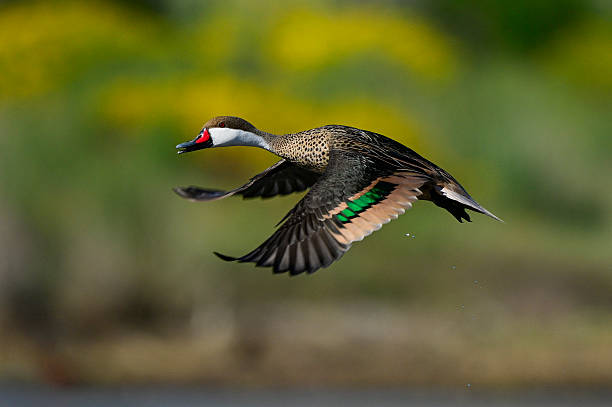
When selecting a dual-purpose duck breed, it is essential to understand the key characteristics that define their adaptability and productivity. These breeds are carefully bred to balance meat production and egg laying, making them ideal for both backyard and commercial farming operations. Each breed possesses unique traits that influence their suitability for different farming conditions and management practices. One of the most important factors to consider is climate adaptability—certain breeds thrive in colder climates, while others are better suited for warmer environments. This trait ensures that farmers can select the most appropriate breed based on their geographic location and seasonal variations. Additionally, foraging ability is a crucial characteristic, as dual-purpose ducks should be able to supplement their diet by foraging for insects, plants, and small aquatic organisms. This trait reduces feed costs and enhances the overall efficiency of duck farming.
Another critical aspect is disease resistance, which plays a significant role in reducing mortality rates and improving flock health. Breeds with strong immune systems are more likely to thrive with minimal veterinary intervention, making them a sustainable choice for small-scale and large-scale producers alike. In terms of egg production, dual-purpose ducks typically lay between 150 to 300 eggs annually, with some breeds maintaining high productivity throughout multiple seasons. Meat quality is another defining trait, as these ducks are known for their tender and flavorful flesh, which is both rich in protein and low in fat. The weight and growth rate of a breed also influence its meat yield, making it an essential consideration for farmers aiming to meet market demands. By examining these key characteristics, farmers can make informed decisions when choosing the most suitable dual-purpose duck breed for their operations, ensuring both productivity and profitability.
Key Traits of Dual-Purpose Duck Breeds
Dual-purpose duck breeds are selectively bred to excel in both meat production and egg laying, making them a valuable asset for farmers seeking efficiency and profitability. These breeds typically have strong growth rates, ensuring that ducks reach market weight relatively quickly while maintaining high-quality meat. The flesh of dual-purpose ducks is often described as tender, flavorful, and rich in protein, making them a preferred choice for both small-scale and commercial poultry operations. Additionally, these breeds are known for their moderate to high egg production, with some laying over 200 eggs per year. This combination of meat and egg output makes them particularly advantageous for homesteaders and commercial farmers looking to maximize productivity with minimal resource input.
Beyond their ability to provide both meat and eggs, dual-purpose ducks are also valued for their adaptability to various farming conditions. Many breeds are well-suited for outdoor rearing, thriving in natural settings with access to water and foraging opportunities. This foraging ability not only reduces the need for commercial feed but also contributes to sustainable farming practices by allowing ducks to supplement their diet with insects and vegetation. Certain breeds demonstrate remarkable hardiness, tolerating both hot and cold climates with minimal stress, which enhances their viability in diverse geographic regions. Another essential characteristic is disease resistance—breeds with strong immune systems are more likely to maintain high productivity and lower mortality rates, reducing the need for frequent veterinary interventions.
The ease of management and general temperament of dual-purpose ducks further enhance their appeal. Many breeds exhibit calm and docile behavior, making them easier to handle and integrate into mixed-species farming systems. Additionally, their robust constitution and efficient foraging habits contribute to lower maintenance requirements, allowing farmers to maximize returns without excessive labor or feed costs. By incorporating these traits into their selection process, farmers can choose dual-purpose ducks that align with their specific needs—whether for backyard keeping, small-scale farming, or large-scale commercial production. The next section will explore one of the most widely recognized dual-purpose breeds, the Royal Pomeranian duck, to understand how its characteristics fit into this category.
Royal Pomeranian Duck: A Versatile Dual-Purpose Breed
The Royal Pomeranian duck is one of the most revered dual-purpose breeds, known for its exceptional meat and egg production capabilities. This breed strikes a perfect balance between high-quality meat yield and consistent egg output, making it a preferred choice for farmers seeking a reliable producer. Males of the breed typically weigh between 2.5 and 3.5 kilograms, while females reach similar weights upon maturity. The meat of the Royal Pomeranian is highly prized for its tenderness, rich flavor, and lean texture, making it a popular choice for both home butchering and commercial sales. The breed’s rapid growth rate ensures a quicker turnaround for meat production, allowing growers to maximize their returns without compromising quality. Additionally, the duck’s compact build contributes to efficient feed conversion, further enhancing its economic value.
In terms of egg production, the Royal Pomeranian is among the top-performing breeds, laying approximately 150 to 180 eggs per year with some exceptional individuals producing slightly more. The eggs are medium in size and have a pale greenish shell, making them visually distinctive. While the breed is not as prolific as some specialized egg-laying ducks, its dual-purpose nature ensures a steady supply of eggs alongside quality meat output. This reliability is especially valuable for small-scale farmers and homesteaders who seek to maintain a consistent source of both protein-rich meat and fresh eggs.
One of the key advantages of the Royal Pomeranian is its adaptability to various climatic conditions. These ducks can thrive in both temperate and moderately hot environments, making them suitable for a wide range of geographic regions. They are also known for their strong foraging instincts, allowing them to supplement their diet with plants, insects, and small aquatic life. This trait not only reduces feed costs but also contributes to a more sustainable farming system. Moreover, the breed is relatively disease-resistant, making it a low-maintenance option for both backyard keepers and commercial producers. Compared to other dual-purpose duck breeds, the Royal Pomeranian stands out for its consistent performance in both meat and egg production, making it a top contender for farmers seeking a reliable and versatile poultry species.
Khaki Campbell Duck: A High-Producing Dual-Purpose Breed
The Khaki Campbell duck is one of the most renowned dual-purpose breeds, celebrated for its exceptional egg-laying ability and high-quality meat production. Originating in England, this breed was developed in the early 20th century by crossing Indian Runners with Aylesbury ducks. The result was a duck that not only lays an impressive number of eggs per year but also produces lean, flavorful meat. Khaki Campbells are medium-sized birds, with males typically weighing between 2.25 and 2.75 kilograms and females slightly lighter. Their compact build allows for efficient feed conversion, making them an economically viable option for both small-scale and commercial producers. The meat of the Khaki Campbell is tender and moist, ideal for roasting or slow-cooking methods. Despite being primarily known for their egg production, their meat quality ensures that they remain a valuable asset for dual-purpose farming operations.
One of the standout features of the Khaki Campbell is its remarkable egg-laying ability. On average, a healthy Khaki Campbell hen can produce over 220 to 250 eggs per year, with some individuals laying as many as 250 to 300 eggs annually. This consistent productivity sets them apart from many other duck breeds and makes them a preferred choice for those seeking a reliable source of fresh, high-quality duck eggs. Their eggs are medium in size, with a pale cream-colored shell and a rich yolk. Unlike some breeds that experience a drop in egg production during the colder months, Khaki Campbells maintain a relatively steady laying rate throughout the year, although productivity may slightly decrease during molting periods. This reliability ensures a continuous supply of eggs, making them an excellent choice for homesteaders and commercial duck farms alike.
In addition to their high egg output and quality meat, Khaki Campbells are known for their adaptability and ease of management. They are well-suited for both backyard and commercial settings, thriving in a variety of climates and housing conditions. Their ability to forage for insects, vegetation, and small aquatic organisms makes them less reliant on commercial feed, further reducing production costs. Khaki Campbells are relatively disease-resistant and demonstrate a strong constitution, making them less prone to common avian illnesses compared to other breeds. Their calm and docile nature also makes them easier to handle, which is an added benefit for backyard keepers and experienced farmers alike. Due to their combination of productivity, ease of management, and consistent performance, the Khaki Campbell remains one of the most popular dual-purpose duck breeds in modern poultry farming.
Indian Runner Duck: A Unique Dual-Purpose Breed
The Indian Runner duck is a distinctive and highly functional dual-purpose breed that has been cultivated for centuries in Southeast Asia and later introduced to Europe and North America. Known for their upright posture and long, slender build, these ducks typically weigh between 1.8 and 2.5 kilograms, making them one of the lighter breeds among dual-purpose ducks. This compact size, however, does not diminish their productivity; in fact, Indian Runners are celebrated for their exceptional foraging abilities and moderate egg production. Their unique gait, which resembles a brisk run rather than a waddle, gives them the name “runner,” and this characteristic makes them particularly agile in both grassy pastures and water environments.
One of the defining traits of the Indian Runner is its remarkable foraging ability. These ducks are opportunistic feeders, adept at scavenging for insects, small fish, and plant matter in a wide variety of environments. This trait is especially advantageous for small-scale farmers and homesteaders, as it reduces the need for large quantities of commercial feed. Indian Runners are particularly effective at controlling insect populations, making them a valuable asset in integrated pest management systems and organic farming operations. Their active nature and strong foraging instincts also contribute to their overall hardiness, allowing them to thrive in both backyard settings and commercial poultry farms.
In terms of egg production, the Indian Runner is an impressive performer, laying between 150 and 200 eggs annually. While not as prolific as the Khaki Campbell, these ducks are known for their consistent laying throughout the year, especially during the warmer months. Their eggs are medium in size with a pale greenish shell, making them visually distinct and highly sought after in specialty markets. In addition to their egg-laying capabilities, Indian Runners also produce quality meat, particularly when raised for meat production purposes. Their lean and flavorful meat is preferred for roasting or stewing, making them a versatile choice for farmers looking to maximize both their egg and meat output.
Beyond their productivity, Indian Runners are valued for their adaptability and unique appearance. Their upright stance and feathering patterns, which include a range of colors such as silver-gray, black, and white, add visual interest to mixed poultry flocks. These ducks are also relatively hardy, capable of withstanding both warm and cool climates with proper management. This versatility, combined with their natural foraging instincts and dual-purpose capabilities, makes the Indian Runner a standout choice for backyard enthusiasts and commercial farmers alike.
Magpie Duck: A Striking Dual-Purpose Breed
The Magpie duck is a visually striking and highly productive dual-purpose breed that stands out for its distinctive black-and-white plumage and excellent meat and egg production capabilities. Originating in China and later refined in Italy and the United States, this breed is similar in many ways to the Khaki Campbell but possesses a more pronounced appearance and slightly higher meat yield. Magpie ducks are known for their adaptability, making them suitable for both backyard homesteading and commercial poultry operations. They typically weigh between 2 and 3 kilograms, depending on sex, and exhibit a well-structured build that contributes to both meat quality and efficient foraging. This combination of traits makes them a preferred choice for farmers seeking a reliable source of both high-quality meat and a steady supply of eggs.
One of the most notable features of the Magpie duck is its impressive egg-laying ability. These ducks are capable of producing between 180 and 250 eggs per year, with some individuals laying as many as 300 eggs in an exceptional season. Their eggs are medium-sized, characterized by a unique pinkish shell with speckling, which adds to their market appeal. While not as prolific as the Khaki Campbell, their consistent egg production ensures a stable output for farmers and homesteaders alike. Additionally, Magpie ducks demonstrate a relatively high level of productivity even in the absence of selective breeding, making them a reliable choice for those who prefer to maintain a self-sustaining flock.
Beyond their egg production, Magpie ducks are also valued for their meat quality. Their flesh is tender and flavorful, with a low fat content that makes it suitable for a variety of culinary applications. Compared to other dual-purpose breeds, Magpie ducks have a slightly more muscular build, which contributes to a higher meat yield. This trait makes them particularly appealing to farmers who prioritize meat production while also benefiting from their consistent egg output.
Another significant advantage of the Magpie duck is its adaptability to different climates and foraging environments. These ducks are highly active and possess strong natural foraging instincts, allowing them to supplement their diet with plants, insects, and aquatic organisms. Their hardy constitution and disease resistance further enhance their suitability for both backyard and commercial rearing. With their striking appearance, reliable productivity, and efficient foraging habits, the Magpie duck is an excellent choice for those seeking a dual-purpose breed that combines aesthetics with practicality.
Head-to-Head Comparison of Dual-Purpose Duck Breeds
When evaluating dual-purpose duck breeds, it is essential to compare their meat and egg production, adaptability, foraging ability, and overall maintenance requirements to determine which breed best suits specific farming needs. The Royal Pomeranian is notable for its well-balanced meat yield and consistent egg production, making it an excellent choice for those seeking a reliable source of both. Khaki Campbell ducks, on the other hand, consistently rank among the highest egg producers, laying 250 to 300 eggs annually, while also delivering quality meat. Indian Runner ducks offer moderate egg production and exceptional foraging efficiency, making them ideal for small-scale farming and land-based operations. Magpie ducks provide a blend of strong egg performance and meat yield, with a high degree of adaptability and hardiness.
In terms of climate adaptability, all four breeds demonstrate varying degrees of resilience, but some are better suited for specific conditions. Royal Pomeranians and Indian Runners perform well in both temperate and moderately hot climates, while Khaki Campbells and Magpie ducks tend to thrive in a broader range of environmental conditions with proper management. Foraging ability is a crucial factor in reducing feed costs, and Indian Runners and Magpie ducks are particularly efficient in this regard, often securing a significant portion of their diet from natural sources. Royal Pomeranians also exhibit strong foraging instincts, while Khaki Campbells are slightly less independent in foraging but still benefit from access to outdoor environments.
Maintenance requirements vary depending on the breed’s health and behavioral traits. Royal Pomeranians are relatively easy to manage, with a low disease susceptibility and a calm temperament that facilitates handling. Khaki Campbell ducks are similarly well-behaved and disease-resistant, making them a popular choice for both amateur and commercial keepers. Indian Runners, while highly productive, may require more careful management due to their somewhat less docile nature and occasional nesting preferences. Magpie ducks are generally hardy and demonstrate strong resilience, making them a low-maintenance option for many farms. By analyzing these factors objectively, farmers can select the breed that aligns with their specific goals, whether they prioritize meat, egg, or a balanced dual-purpose output.
Selecting the Right Dual-Purpose Duck Breed for Your Farm
Choosing the most suitable dual-purpose duck breed for your farm involves careful consideration of various factors, including your overall farming goals, available resources, and environmental conditions. Each breed, as discussed, has unique strengths that align with different types of operations. For instance, if your primary objective is to maximize egg production alongside meat output, the Khaki Campbell and Royal Pomeranian are excellent choices due to their high annual egg yields and quality meat. If you are operating a small-scale or homesteading setup with limited space, the Indian Runner may be the most appropriate choice, as its compact build and efficient foraging ability make it well-suited for smaller enclosures and land-based farming systems. On the other hand, if you are looking for a visually appealing breed that also delivers strong meat production, the Magpie duck is an ideal selection, particularly if you are interested in marketing ducks for both their aesthetic and culinary value.
Environmental conditions also play a significant role in breed selection. Farmers in temperate regions may find the Indian Runner and Royal Pomeranian to be the most compatible due to their adaptability to cooler climates. In contrast, Khaki Campbells and Magpie ducks demonstrate a broader range of climate tolerance, making them suitable for both warm and temperate environments with appropriate husbandry practices. Additionally, foraging requirements vary by breed, with Indian Runners and Magpie ducks being the most efficient foragers. If you have access to natural foraging areas or want to implement sustainable feeding strategies, these breeds will contribute to lower feed costs and a more eco-friendly farming system.
Furthermore, maintenance and management factors should not be overlooked when making a breeding decision. Breeds such as the Royal Pomeranian and Khaki Campbell are relatively easy to manage, with low disease susceptibility and a calm temperament that facilitates handling and monitoring. Indian Runners, while highly productive, may require slightly more attentive care due to their less predictable nesting habits and occasional sensitivity to temperature fluctuations. Magpie ducks, in contrast, offer a balance of hardiness and productivity, making them a low-maintenance option for commercial or backyard operations. By carefully assessing your resources, climate, and production goals, you can select the dual-purpose duck breed that best supports your long-term farming success.
Conclusion: The Value of Dual-Purpose Duck Breeds in Sustainable Farming
Dual-purpose duck breeds offer a valuable solution for farmers, homesteaders, and backyard poultry enthusiasts seeking a balanced approach to meat and egg production. By selecting a breed that excels in both areas, agricultural producers can optimize their resources, reduce feed costs through natural foraging, and maintain a steady supply of high-quality protein. The four breeds discussed in this guide—Royal Pomeranian, Khaki Campbell, Indian Runner, and Magpie—each possess unique strengths that make them suitable for different farming conditions and management styles. Whether prioritizing high egg output, meat quality, or adaptability to local environments, understanding the characteristics of each breed allows farmers to make informed decisions tailored to their specific needs.
This comprehensive analysis has provided readers with a detailed comparison of the most well-regarded dual-purpose duck breeds, highlighting their productivity, ease of management, and suitability for various farming systems. From backyard poultry keepers looking to diversify their food sources to commercial farmers aiming to increase efficiency, this information equips individuals with the knowledge necessary to select the most appropriate breed. As interest in sustainable agriculture and local food production continues to grow, the role of dual-purpose ducks in integrated farming systems will only expand. By incorporating these versatile birds into their operations, farmers can contribute to a more resilient and self-sufficient agricultural model, ensuring long-term productivity and food security.
#DuckRaisingTips, #BackyardDucks, #SustainableFarming, #DuckBreeds, #HomesteadingLife, #PoultryFarming, #DuckEggProduction, #DuckMeat, #DualPurposeDucks, #FarmLife, #OrganicFarming, #KhakiCampbellDuck, #RoyalPomeranianDuck, #MagpieDuck, #IndianRunnerDuck, #DuckFarm, #EggProduction, #LivestockManagement, #FarmAnimalBreeds




Add comment