
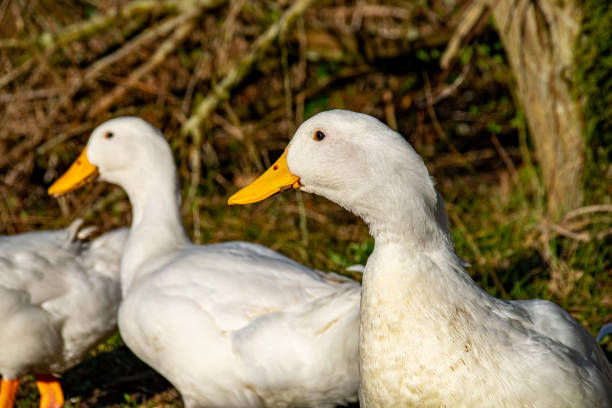
In the ever-evolving world of poultry farming, duck farming stands out as a sustainable and lucrative venture. While chickens dominate the smallholder and commercial poultry sectors, ducks are gaining popularity due to their adaptability, disease resistance, and dual-purpose production capabilities. Dual-purpose duck breeds offer the best of both worlds: quality meat and consistent egg production. This makes them an excellent choice for backyard farmers, homesteaders, and commercial producers seeking diversified income streams.
Ducks are naturally hardy, efficient foragers, and prolific layers, especially when compared to traditional poultry. Dual-purpose ducks, in particular, balance rapid growth for meat production with strong laying performance—typically ranging between 150 to 300 eggs per year. As the demand for organic and alternative protein sources increases, understanding how to optimize dual-purpose duck farming becomes crucial.
This comprehensive guide will explore the top dual-purpose duck breeds, their characteristics, housing and feeding requirements, breeding and management techniques, health concerns, egg and meat quality, and economic feasibility. Whether you’re a beginner homesteader or a seasoned farmer, this guide provides actionable insights for maximizing yields from dual-purpose duck breeds.
Why Choose Dual-Purpose Ducks?
Dual-purpose duck breeds are specifically valued for their ability to provide both meat and eggs over their lifetime. Unlike specialized breeds—such as the Pekin, which is primarily raised for meat, or the Khaki Campbell, favored for egg laying—dual-purpose breeds strike a practical balance. Here’s why they stand out:
- Economic Efficiency: Raising dual-purpose ducks allows farmers to harvest eggs continuously and process ducks for meat when they reach maturity or when egg production declines, reducing waste and increasing overall profitability.
- Sustainability: Ducks are efficient feed converters and thrive on diverse diets, including kitchen scraps, foraged greens, and insects, lowering feed costs and environmental impact.
- Resilience and Disease Resistance: Many dual-purpose breeds exhibit strong immune systems and can withstand temperature variations, making them ideal for free-range and pasture-based systems.
- Low Labor Requirements: Compared to other livestock, ducks require minimal daily care. With proper housing and access to water, they are largely self-sufficient.
- High Nutrient Return: Duck eggs are richer in protein, omega-3 fatty acids, and vitamins A and D than chicken eggs. Duck meat is darker, richer in flavor, and higher in iron and healthy fats.
- Versatility in Markets: Farmers can sell both fresh duck eggs and meat to niche markets, restaurants, or direct consumers, often commanding premium prices.
Top Dual-Purpose Duck Breeds
While many duck breeds lean heavily toward one purpose—either meat or eggs—several offer the ideal balance. Below are the most popular and effective dual-purpose duck breeds:
1. Rouen Duck
- Origin: France
- Weight: Drakes – 9–11 lbs, Ducks – 7–8 lbs
- Egg Production: 100–150 eggs/year
- Egg Color: Creamy white to light green
- Temperament: Calm, docile
- Lifespan: 5–8 years
Rouens are large, heavy ducks prized for their excellent meat quality. Their size and full breast make them ideal for roasting, similar to a turkey. They are slow-growing (6–8 months to maturity), so they’re best for hobby farmers or those with time to grow out the birds. Rouens are not prolific layers but make up for it with superior meat yield. They are excellent foragers and thrive in spacious, water-access environments.
Pros:
- Excellent meat conformation
- Docile, easy to handle
- Good for free-ranging
Cons:
- Moderate egg production
- Require ample space due to size
- Not ideal for commercial egg production
2. Swedish Blue Duck
- Origin: Sweden
- Weight: 6–7 lbs
- Egg Production: 150–200 eggs/year
- Egg Color: Blue or green
- Temperament: Friendly, calm
- Lifespan: 8–10 years
With their striking blue-gray plumage and upright posture, Swedish Blues are both beautiful and functional. They are medium-sized ducks that mature relatively quickly and provide tender, flavorful meat. Their egg production is solid, and the unique blue/green eggs are highly marketable.
Pros:
- Unique, visually appealing eggs
- Hardy and cold-tolerant
- Good foragers
- Calm and sociable
Cons:
- Smaller meat yield than Pekins or Rouens
- Less common, harder to source
3. Saxony Duck
- Origin: Germany
- Weight: Drake – 8–9 lbs, Duck – 7 lbs
- Egg Production: 200–250 eggs/year
- Egg Color: White to tinted
- Temperament: Peaceful, curious
- Lifespan: 8+ years
Saxony ducks are a rare breed developed for dual-purpose farming. They grow quickly and have a broad breast, making them excellent for meat. Simultaneously, they are among the top egg-laying dual-purpose ducks. Their calm nature and striking plumage (drakes are gold-and-gray, hens are cinnamon brown) make them ideal for backyard flocks.
Pros:
- High egg production
- Fast growth and good meat yield
- Docile and friendly
- Distinctive appearance
Cons:
- Limited availability
- Require more attention than hardier breeds
4. Magpie Duck
- Origin: United Kingdom
- Weight: 6–7 lbs
- Egg Production: 220–280 eggs/year
- Egg Color: White
- Temperament: Active, curious
- Lifespan: 8–10 years
The Magpie duck is a lightweight, active breed known for its exceptional foraging ability. They are named for their pied (black-and-white) plumage. Remarkably efficient layers, they maintain egg production even in colder months. Though their meat yield is less than heavier breeds, their lean, flavorful meat is still marketable.
Pros:
- Extremely prolific layers
- Excellent foragers, low feed costs
- Hardy and active
- Fun, personable temperament
Cons:
- Leaner meat, not ideal for large roasting birds
- Can be too active for small enclosures
5. Orpington Duck
- Origin: England
- Weight: Drake – 8 lbs, Duck – 6–7 lbs
- Egg Production: 150–200 eggs/year
- Egg Color: White to cream
- Temperament: Calm, friendly
- Lifespan: 8–10 years
Available in buff, black, and blue varieties, Orpingtons are soft-feathered and easy to manage. They grow reasonably fast and have a well-rounded body suitable for both roasting and stewing. Their egg production is consistent, and they are particularly cold-hardy, making them ideal for northern regions.
Pros:
- Good meat and egg balance
- Cold-tolerant
- Friendly and easy to handle
- Attractive plumage
Cons:
- Slightly slower growth than Pekins
- May go broody less frequently, affecting hatch rates
6. Cayuga Duck
- Origin: United States (New York)
- Weight: 7–8 lbs
- Egg Production: 100–125 eggs/year (drops after first year)
- Egg Color: Initially black or dark gray, fading to white
- Temperament: Gentle, quiet
- Lifespan: 8–10 years
Cayugas are known for their iridescent black feathers and distinctive egg color. While not the most prolific layers, their first-year egg production is notable, and their meat is rich and tender. The initial blackish eggs are a novelty, highly sought after by collectors and gourmet markets.
Pros:
- Unique black eggs (first year)
- Beautiful, lustrous plumage
- Hard-working foragers
- Quiet and calm
Cons:
- Egg production declines significantly after year one
- Can be prone to sun bleaching (white feathers in older birds)
7. Runner Duck (Dual-Purpose Variants)
- Origin: Southeast Asia (via India and Malaysia)
- Weight: 3.5–5 lbs
- Egg Production: 200–300+ eggs/year
- Egg Color: White to blue-green
- Temperament: Energetic, upright stance
- Lifespan: 8–12 years
While typically classified as a laying breed, some heavier strains of Runner ducks (such as the Fawn and White or Chocolate varieties) can serve dual roles. Though their meat yield is lower and leaner than Pekins or Rouens, they provide quality meat at maturity, especially in niche or ethnic markets. Their incredible laying ability makes them one of the most efficient dual-purpose choices when space or feed resources are limited.
Pros:
- Highest egg production among ducks
- Excellent foragers, low input costs
- Active pest controllers
- Long laying season
Cons:
- Smaller carcass size
- Not ideal for large-scale meat production
Housing and Enclosure Requirements
Proper housing is critical for the health, productivity, and safety of dual-purpose ducks. Unlike chickens, ducks require access to water for cleaning their eyes and nostrils, though deep swimming pools are not always necessary.
Shelter Essentials
- Dry and Draft-Free Coop: Ducks don’t roost but need a clean, dry area to sleep. Elevated platforms or straw bedding can keep them off damp ground.
- Ventilation: Prevent moisture buildup to avoid respiratory issues. Vents near the roof allow airflow without drafts.
- Predator Protection: Secure fencing (minimum 4 feet high, buried 6 inches) keeps out raccoons, foxes, and dogs. Lock coops at night.
- Space Requirements: Allow 3–4 sq ft per duck inside the coop and 10–15 sq ft per duck in the run. Overcrowding leads to stress and disease.
- Nesting Boxes: Provide one box per 3–5 ducks. Line with straw or wood shavings. Ducks prefer privacy, so place boxes in quiet corners.
- Water Access: While they don’t need a pond, a large, stable water source (e.g., kiddie pool) for splashing and cleaning is essential. Use automatic waterers to reduce spillage.
Free-Ranging Benefits
Dual-purpose breeds like Magpie, Orpington, and Swedish Blue thrive in free-range systems. Foraging reduces feed costs and enhances flavor and nutrient content in eggs and meat. Rotate pasture to prevent overgrazing and parasite buildup.
Feeding and Nutrition: Key to Maximizing Yields
Optimal nutrition directly impacts egg production, growth rate, and overall health.
Basic Dietary Requirements
- Protein: Laying ducks need 16–18% protein; growing ducks require 18–20%.
- Calcium: Critical for strong eggshells. Provide oyster shell or limestone free-choice.
- Carbohydrates and Fats: For energy, growth, and fat deposition in meat.
- Vitamins and Minerals: Especially A, D, E, and selenium.
Feed Options
- Commercial Pellets: Starter (20% protein), grower (16%), and layer (16–18%) feeds. Avoid medicated chicken feed.
- Supplemental Feeding:
- Greens and weeds (kale, clover, dandelions)
- Kitchen scraps (avoid salty, sugary, or spoiled food)
- Insects and grubs (encourage foraging)
- Grit: Provide coarse sand or granite grit for digestion.
- Water-Soluble Nutrients: Probiotics and electrolytes during stress or illness.
Feeding Tips for Dual-Purpose Goals
- Meat Production Focus: Feed higher-protein diets during the first 6–8 weeks to support rapid growth.
- Egg Production Focus: Ensure consistent access to calcium and balanced layer feed after 20 weeks.
- Avoid Overfeeding: Obesity reduces fertility and egg production. Monitor body condition.
Breeding and Lifecycle Management
Understanding duck reproduction is vital for maintaining a productive flock.
Breeding Ratios
- One drake per 4–6 ducks is ideal. Too many drakes cause stress and injury.
- Breeding season typically begins in late winter to early spring.
Incubation and Hatching
- Incubation Period: 28 days
- Broodiness: Breeds like Rouen, Cayuga, and Orpington go broody readily and make excellent mothers.
- Artificial Incubation: Set temperature at 99.5°F with 55% humidity; increase humidity to 65–70% during lock-down (last 3 days).
Rearing Ducklings
- Keep in a brooder at 90°F the first week, reducing by 5°F weekly.
- Use non-slip flooring and shallow waterers to prevent drowning.
- Feed chick starter (20% protein) until 2–3 weeks, then switch to grower feed.
Culling and Rotation
To maximize productivity:
- Process drakes at 7–8 months for meat before they become aggressive.
- Replace hens after 3–4 years when egg production declines.
- Keep a breeding trio (1 drake, 2–3 ducks) to replenish the flock.
Health and Disease Prevention
Healthy ducks are productive ducks. Preventive care is key.
Common Health Issues
- Respiratory Infections: Caused by poor ventilation. Symptoms: coughing, nasal discharge.
- Botulism: From spoiled feed or stagnant water. Prevent with clean water and protein-rich diets.
- Bumblefoot: Infection from cuts on feet. Keep runs clean and dry.
- Parasites: Both internal (worms) and external (mites, lice). Use diatomaceous earth and deworm regularly.
- Egg-Binding: Caused by calcium deficiency. Provide oyster shell and monitor laying hens.
Preventative Measures
- Quarantine new birds for 2–4 weeks.
- Clean coops weekly.
- Rotate pasture or runs.
- Vaccinate if in high-risk areas (consult a vet).
Egg and Meat Quality: What Sets Ducks Apart
Egg Characteristics
- Size: Larger than chicken eggs (2–2.5 oz each)
- Shell: Thicker, longer shelf life
- Yolk: Larger, deeper orange, rich in lecithin and cholesterol (ideal for baking)
- Nutrition: Higher in protein, omega-3s, vitamin B12, and choline
- Culinary Use: Excellent for custards, pasta, and enriching dishes
Meat Characteristics
- Texture: Denser and juicier than chicken
- Flavor: Rich, gamey, slightly sweet
- Fat Content: Higher, especially under the skin (render duck fat for cooking)
- Cuts: Breast, legs, whole roasting birds
- Culinary Use: Roasted duck, confit, stir-fries, stews
Maximizing Yields: Best Practices
To get the most out of dual-purpose ducks:
- Choose the Right Breed for your climate, goals, and market.
- Feed Strategically – Use high-protein diets for meat growth and calcium-rich feeds for laying.
- Provide Clean Water Daily – Ducks drink and clean in water; hygiene affects health.
- Encourage Foraging – Reduce feed costs and improve meat/egg quality.
- Monitor Production – Track egg numbers, weight gain, and feed conversion.
- Practice Rotational Grazing – Improve pasture health and reduce parasites.
- Market Smart – Sell eggs weekly, offer duck meat seasonally, and highlight organic or home-raised qualities.
Economic Viability and Market Potential
Dual-purpose duck farming can be profitable with proper planning.
Cost Breakdown (Example: 10-Bird Flock)
- Coop and fencing: $500
- Ducks (started or adult): $300 ($30/bird)
- Feed (annual, mixed): $400
- Miscellaneous (waterers, health supplies): $100
Total Startup: ~$1,300
Revenue Potential
- Eggs: 200 eggs/bird/year = 2,000 eggs. At $6/dozen = $1,000
- Meat: 6 ducks processed at 6–8 months. At $15/bird = $90
- Breeding stock or ducklings: Additional $200–$400
- Total Potential: $1,290–$1,490/year
After Year 1, feed and maintenance costs drop to ~$500/year, increasing net profit.
Market Opportunities
- Farmers markets
- CSAs (Community Supported Agriculture)
- Restaurants (gourmet, farm-to-table)
- Online sales (local delivery or pickup)
- Specialty egg buyers (bakers, health-conscious consumers)
Sustainability and Environmental Benefits
Ducks contribute to sustainable agriculture:
- Pest Control: Eat slugs, snails, flies, and mosquitoes.
- Weed Management: Forage on invasive plants and grasses.
- Manure Fertilizer: High in nitrogen—excellent for composting.
- Low Carbon Footprint: Efficient feed converters with minimal methane output.
Common Challenges and Solutions
- Messy Water Use: Ducks spill water. Use nipple drinkers or place waterers on gravel.
- Predation: Secure fencing and consider livestock guardian dogs.
- Low Winter Laying: Provide 14–16 hours of light and high-nutrient feed.
- Drake Aggression: Maintain proper male-to-female ratio.
- Egg Consumption: Ensure adequate protein and calcium; collect eggs frequently.
Conclusion
Dual-purpose duck breeds represent a smart, sustainable, and profitable option for modern poultry farming. By carefully selecting breeds like the Rouen, Swedish Blue, Saxony, or Magpie, farmers can maximize both egg and meat yields while minimizing input costs. With proper housing, nutrition, health management, and marketing, duck farming can become a cornerstone of a resilient homestead or profitable agribusiness.
These hardy, efficient birds offer rich, nutrient-dense products that appeal to health-conscious consumers and chefs alike. As the world shifts toward diversified, ethical, and regenerative farming systems, dual-purpose ducks are poised to play a vital role.
Whether you’re looking to enhance food security, diversify income, or embrace sustainable agriculture, dual-purpose duck breeds are a feathered investment worth considering.
#DualPurposeDucks, #DuckFarming, #RaisingDucks, #BackyardDucks, #Homesteading, #SustainableFarming, #DuckEggs, #DuckMeat, #RouenDuck, #SwedishBlueDuck, #SaxonyDuck, #MagpieDuck, #OrpingtonDuck, #CayugaDuck, #RunnerDuck, #PoultryFarming, #FreeRangeDucks, #DuckCoop, #DuckCare, #DuckHealth, #DuckBreeds, #EggLayingDucks, #MeatDucks, #OrganicFarming, #HomesteadLife, #SelfSufficiency, #DuckForaging, #DuckNutrition, #Ducklings, #FarmToTable, #DuckManure, #DuckHousing, #DuckPredators, #SustainableLiving, #DuckIncubation, #DuckProcessing, #DuckProducts, #DuckLove, #CountryLife, #SmallFarm, #DuckKeeper
Add comment