
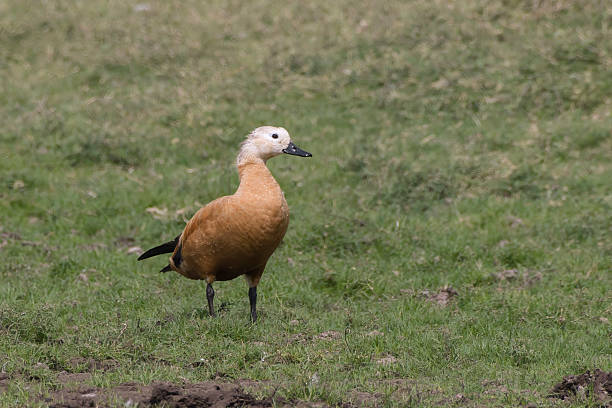
Why Keep Ducks?
1.1. Ecological Benefits
- Natural pest control: Ducks love insects, slugs, snails, and weed seeds. A small flock can dramatically reduce garden pest pressure without chemicals.
- Fertilizer factories: Their droppings are rich in nitrogen, phosphorus, and potassium—perfect for compost or direct application on non‑edible plants.
- Water‑garden integration: Ducks keep ponds clear of algae and mosquito larvae, creating a healthier aquatic ecosystem.
1.2. Practical Advantages
- Egg production: Certain breeds (e.g., Khaki Campbell, Indian Runner) lay 200–300 eggs per year—often larger than chicken eggs and with a richer flavor.
- Meat: Muscovy, Pekin, and Rouen are prized for tender, low‑fat meat.
- Companionship: Ducks are social, curious, and often more affectionate than you might expect. Their distinct personalities make them entertaining backyard members.
1.3. Emotional & Educational Value
- Children learn responsibility, animal behavior, and basic agriculture.
- Watching ducks interact provides stress relief and a connection to nature.
2. Before You Buy: Core Considerations
| Factor | What to Check | Why It Matters |
|---|---|---|
| Space | Minimum 25 sq ft per adult duck (plus 10 sq ft for each duckling). Access to a pond or large water container (minimum 10 gal per bird). | Overcrowding leads to stress, aggression, and disease. |
| Climate | Hardiness zone, winter shelter, ventilation for hot months. | Ducks are water‑birds; they need dry, draft‑free shelter in winter and shade with fresh water in summer. |
| Local Regulations | Zoning ordinances, HOA rules, state poultry permits. | Some municipalities prohibit waterfowl or require setbacks from property lines. |
| Time Commitment | Daily feeding, water changes, coop cleaning, health checks. | Ducks are more labor‑intensive than chickens because they need fresh water daily and regular pond maintenance. |
| Budget | Initial cost (birds, coop, water system), ongoing feed (~2 lb per duck per week), veterinary care, predator fencing. | Under‑budgeting leads to neglect, poor health, and loss of birds. |
| Purpose | Egg production, meat, show, pet, pest control. | Different breeds excel in different roles; aligning purpose with breed is critical. |
Bottom line: Write down your answers before you step foot in a hatchery. The clearer your plan, the smoother the transition.
3. How to Choose the Right Breed
3.1. Identify Your Primary Goal
| Goal | Ideal Breed(s) | Key Traits |
|---|---|---|
| Maximum Egg Production | Khaki Campbell, Indian Runner, Silver Appleyard | >250 eggs/yr, early layers, good foragers |
| Meat Production | Muscovy, Pekin, Rouen | Fast growth, large size, flavorful meat |
| Ornamental/Show | Aylesbury, Saxony, Swedish, Magpie | Distinct plumage, upright carriage |
| Pet/Companion | Call Duck, Crested Orpington, Mandarin | Small size, friendly demeanor |
| Dual‑Purpose (Egg+Meat) | Silver Appleyard, Cayuga, Black East Indian | Balanced egg output and respectable body size |
| Cold‑Hardy | Swedish, Aylesbury, Rouen | Thick feathering, excellent winter tolerance |
| Heat‑Tolerant | Khaki Campbell, Indian Runner, Muscovy | Light feathering, efficient heat dissipation |
3.2. Consider Compatibility
- Flock dynamics: Ducks are “herd” animals. Keep them in odd numbers (3, 5, 7…) to avoid a single “loner” feeling isolated.
- Mixed‑species: Ducks can coexist with chickens, geese, and turkeys if space and water needs are met, but be aware of differing disease susceptibilities.
3.3. Availability & Cost
- Local hatcheries often specialize in popular breeds (Pekin, Khaki Campbell).
- Rare or heritage breeds (Cayuga, Magpie) may require ordering from specialty breeders and could cost $30‑$50 each.
4. Top 15 Duck Breeds – In‑Depth Profiles
Below each breed you’ll find origin, size, plumage, egg characteristics, temperament, ideal climate, and common uses.
4.1. Aylesbury
- Origin: United Kingdom, 1700s (Aylesbury, Buckinghamshire)
- Weight: 6–8 lb (2.7–3.6 kg)
- Plumage: Pure white, glossy, with a deep orange bill and “powdered” head feathering.
- Eggs: 2 inches, white, 70–100 yrly (moderate).
- Temperament: Calm, slightly shy, excellent for show.
- Climate: Prefers cool, moist climates; dense feathering makes them vulnerable to heat stress.
- Best For: Ornamental shows, heritage flocks, families that can provide shade in summer.
4.2. Pekin
- Origin: China → United States (late 1800s).
- Weight: 7–9 lb (3.2–4.1 kg)
- Plumage: White, fluffy, orange bill and feet.
- Eggs: Large, white, ~150 yrly.
- Temperament: Friendly, docile, easily handled – great for beginners.
- Climate: Tolerates both cold and moderate heat; needs wind‑breaks in winter.
- Best For: Meat production (fast growth, 8‑week market weight), backyard pets, egg supplement.
4.3. Khaki Campbell
- Origin: England, 1890s (Sir Campbell’s farm).
- Weight: 5–6 lb (2.3–2.7 kg)
- Plumage: Light khaki/brown with a darker brown head.
- Eggs: Brown, 2.5 inches, 250–300 yrly – the world’s top egg‑laying duck.
- Temperament: Energetic, excellent foragers, can be a bit “pushy.”
- Climate: Adaptable; thrives in hot, dry regions because of light plumage.
- Best For: Commercial or backyard egg production, “free‑range” foragers.
4.4. Indian Runner (a.k.a. Runner Duck)
- Origin: Indonesia, imported to UK in 1870s.
- Weight: 4–5 lb (1.8–2.3 kg)
- Plumage: Upright, “standing” posture; colors vary (white, blue, black, etc.).
- Eggs: White, 200–260 yrly, elongated shape.
- Temperament: Very active, often “runs” rather than waddles; can be semi‑independent.
- Climate: Heat‑tolerant; thin feathering helps cooling.
- Best For: High‑output egg farms, hobbyists who enjoy an active flock.
4.5. Muscovy
- Origin: South America (Brazil, Argentina), domesticated for centuries.
- Weight: 6–10 lb (2.7–4.5 kg)
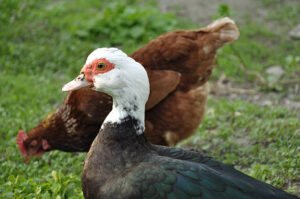
- Plumage: Red‑black feather pattern; “caruncles” (fleshy wattles) on head/neck.
- Eggs: White, 70–100 yrly (low).
- Temperament: Intelligent, curious, slightly “cat‑like” – can be shy but bonds with handlers.
- Climate: Excellent heat tolerance; thick feathering makes them hardy in cold if sheltered.
- Best For: Meat (lean, low‑fat), exotic pets, backyard flock for novelty.
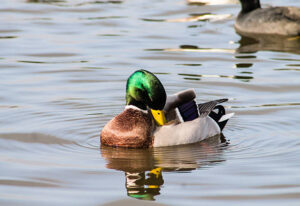
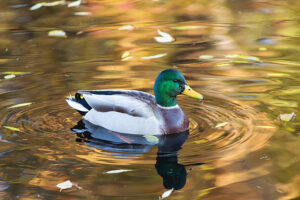
4.6. Mallard‑Derived “Mallard‑type” Ducks
- Origin: Wild Mallard (Anas platyrhynchos) – the genetic foundation for most domestic ducks.
- Weight: 2–3 lb (0.9–1.4 kg) – smaller than most domestics.
- Plumage: Males (drakes) have bright green head, white neck ring; females are mottled brown.
- Eggs: Small, green‑tinged, 100–150 yrly.
- Temperament: Strongly “wild” instincts; prone to flight and predator avoidance.
- Climate: Highly adaptable; migratory instincts may trigger seasonal restlessness.
- Best For: Conservation projects, “semi‑wild” paddocks, breeding programs.
4.7. Cayuga
- Origin: United States, New York (mid‑1800s).
- Weight: 5–7 lb (2.3–3.2 kg)
- Plumage: Distinctive deep black with iridescent green/blue sheen.
- Eggs: Large, white, 120–150 yrly.
- Temperament: Calm, good foragers, fairly cold‑hardy.
- Climate: Performs well in cooler climates; black plumage absorbs heat – provide shade in hot summers.
- Best For: Show birds, ornamental backyard flocks, heritage collections.
4.8. Call Duck
- Origin: United Kingdom, 1930s – a dwarf of the Mallard.
- Weight: 1–1.5 lb (0.45–0.68 kg) – one of the smallest domestic ducks.
- Plumage: Wide variety (white, black, silver, blue, etc.).
- Eggs: Tiny, 30–50 yrly – not a production breed.
- Temperament: Very vocal (hence the name), friendly, good with children.
- Climate: Needs protection from extreme cold & heat due to small body mass.
- Best For: Pet ducks, indoor “ducklings” for kids, decorative ponds.
4.9. Swedish (Blue Swedish)
- Origin: Sweden, 1840s (Blue Swedish) & 1860s (Black Swedish).
- Weight: 6–7 lb (2.7–3.2 kg)
- Plumage: Plush, thick, blue‑gray (“Blue Swedish”) or black with a green sheen (“Black Swedish”).
- Eggs: White, 150–200 yrly.
- Temperament: Calm, tolerant of cold, likes swimming.
- Climate: Excellent winter hardiness; dense plumage repels moisture.
- Best For: Cold‑climate flocks, show birds, family pets.
4.10. Saxony
- Origin: Germany, early 1900s.
- Weight: 5–6 lb (2.3–2.7 kg)
- Plumage: Attractive golden‑brown with a black “mask” on the head; white bib on the chest.
- Eggs: White, 150–180 yrly.
- Temperament: Friendly, good for small farms, moderate foragers.
- Climate: Performs well in temperate zones; needs shelter from harsh wind.
- Best For: Backyard hobbyists who value aesthetics and decent egg output.
4.11. Rouen
- Origin: France, early 1900s (derived from Mallard).
- Weight: 8–10 lb (3.6–4.5 kg) – “the heavy‑set cousin of the Mallard.”
- Plumage: Rich copper‑brown, black head, white ring around neck.
- Eggs: Large, white, 150–200 yrly.
- Temperament: Gentle, good grazers, slower growth (takes ~12 weeks to market).
- Climate: Cold‑hardy; heavy feathering can lead to overheating.
- Best For: Show birds, heritage meat production, ornamental backyard flocks.
4.12. Magpie
- Origin: United Kingdom, 1930s (cross‑breed of Mallard & Call Duck).
- Weight: 2.5–3 lb (1.1–1.4 kg)
- Plumage: Striking black and white pattern (like a magpie bird).
- Eggs: Small, white, 80–120 yrly.
- Temperament: Playful, vocal, moderately shy.
- Climate: Good all‑rounder; needs protection from predators due to small size.
- Best For: Aesthetic flocks, kids’ pets, low‑maintenance ornamental ponds.
4.13. Black East Indian (Desi)
- Origin: Indian subcontinent, centuries‑old village duck.
- Weight: 4–5 lb (1.8–2.3 kg)
- Plumage: Dark black with iridescent green sheen; orange bill and feet.
- Eggs: Medium‑large, brown, 150–200 yrly.
- Temperament: Very hardy, heat‑tolerant, excellent foragers.
- Climate: Thrives in hot, humid climates; tolerates drought.
- Best For: Tropical/sub‑tropical backyard farms, egg production in warm zones.
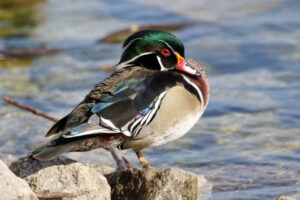
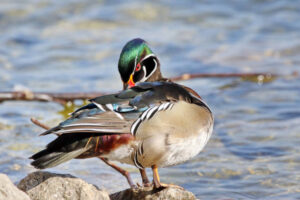
4.14. Mandarin (Muscovy‑type “Mandarin”)
- Origin: Southeast Asia, “Muscovy‑type” but smaller, ornamental.
- Weight: 3–4 lb (1.4–1.8 kg)
- Plumage: Exotic, iridescent green/blue with white patches; facial “caruncles” are less pronounced.
- Eggs: Small, white, ~80 yrly.
- Temperament: Curious, semi‑wild behavior, not overly tame.
- Climate: Adaptable; prefers warm, moist environments.
- Best For: Exotic pet collections, decorative garden ducks.
4.15. Crested Duck (Crested Orpington)
- Origin: United Kingdom, 1900s (bred from Orpington chickens & ducks).
- Weight: 4–5 lb (1.8–2.3 kg)
- Plumage: White with a distinctive feather “crest” on the head; orange bill.
- Eggs: White, 120–150 yrly.
- Temperament: Very tame, enjoys human interaction, good for kids.
- Climate: Moderately hardy; keep in shade during hot spells.
- Best For: Show, pet ducks, backyard flocks where personality is a priority.
5. Housing & Coop Design
5.1. The Basics
- Flooring – Use concrete or treated wood slats with a dry bedding layer (straw, pine shavings). Avoid cement alone; it becomes slippery when wet.
- Space Allocation – Minimum 3 sq ft per duck inside the coop, 10 sq ft per duck in an outdoor run. More space reduces feather‑pecking.
- Ventilation – Roof vents and side windows allow fresh air while protecting from drafts. Good ventilation prevents respiratory diseases like aspergillosis.
- Water Access – Ducks must have clean, fresh water at all times. Provide a 2–3 gal water container per bird for drinking, plus a larger pond (minimum 15 gal) for soaking and preening.
- Security – Install hardware cloth (½‑inch mesh) on all openings; bury the fence at least 12 in deep to deter foxes and raccoons.
5.2. Pond vs. Bucket
| Feature | Pond (Permanent) | Large Bucket/Water Tub |
|---|---|---|
| Pros | Natural behavior, cooling, breeding (if depth > 6 in) | Easy to clean, less water waste, portable |
| Cons | Mosquito breeding risk, heavier setup, winter freeze | Ducks may splash out, limited space for swimming |
| Best For | Larger flocks, meat/egg farms, water‑loving breeds (Muscovy, Pekin) | Small backyards, beginners, Call Ducks |
Tip: Use a filter pump or aerator for ponds to keep water oxygenated and prevent algae buildup.
5.3. Seasonal Adjustments
- Winter: Add dry straw or heating pads (low‑wattage) in the coop; use a drip‑free water system (heated water bowl) to avoid freezing.
- Summer: Provide shade sails, mud wallows, and mist sprayers to keep ducks cool. Replace water daily to prevent bacterial growth.
6. Feeding Fundamentals
6.1. Nutrient Requirements
| Nutrient | Primary Function | Approx. Daily Need (per 5‑lb duck) |
|---|---|---|
| Protein | Feathers, growth, egg formation | 16–20 % (starter), 14 % (grower), 12–14 % (layer) |
| Calcium | Eggshell quality, bone strength | 2–3 % (layer feed) |
| Energy (Carbs/Fats) | Heat production, activity | 2800 kcal/day (adult) |
| Vitamins & Minerals | Immune health, metabolism | Commercial duck feed is fortified; supplement with grit for digestion |
Starter feed (0–4 weeks) – 22–24 % protein.
Grower feed (4–8 weeks) – 16–18 % protein.
Layer feed (≥ 20 weeks) – 14–16 % protein, 2.5 % calcium.
6.2. Feeding Schedule
| Time | Activity |
|---|---|
| Morning (7–9 am) | Fresh feed (2–3 lb per 5 ducks). Clean water. |
| Midday | Provide fresh greens (lettuce, dandelion, clover). |
| Evening (5–7 pm) | Small second feeding (optional), ensure water is still clean. |
| Night | No feed; water should be checked for leaks. |
6.3. Foraging & Supplements
- Grains & Seeds: Corn, wheat, barley – good for energy.
- Insects: Mealworms, earthworms – boost protein, especially for laying ducks.
- Aquatic Plants: Duckweed, watercress – natural source of vitamins.
- Grit & Oyster Shell: Provide a deep dish of grit (small stones) and oyster shell for calcium, especially during egg‑laying.
6.4. What NOT to Feed
- Avocado – contains persin (toxic).
- Chocolate, caffeine, alcohol – toxic to birds.
- Raw beans (especially red kidney) – contain hemagglutinin.
- Moldy feed – can cause aflatoxicosis.
7. Health & Wellness
7.1. Common Ailments
| Disease | Signs | Prevention |
|---|---|---|
| Duckling Pasteurellosis (canker) | Swollen eyes, drooping head, nasal discharge | Clean bedding, isolate new birds, vaccinate if possible |
| Aspiration Pneumonia | Labored breathing, wheezing, lethargy | Keep water shallow, avoid feeding while birds are drinking |
| Bumblefoot (pododermatitis) | Swollen, painful foot pads, crusty lesions | Provide soft, dry bedding, keep coop dry |
| Egg‑binding | Straining, swollen abdomen, failure to lay | Adequate calcium, proper diet, monitor egg laying frequency |
| Parasitic Mites | Feather loss, itching, anemia | Regular dust baths, apply permethrin spray as directed |
| Duck Virus Enteritis (DVE) – also called Duck Plague | Sudden death, watery diarrhea, yellowing | Biosecurity, quarantine new birds, vaccinate in high‑risk areas |
7.2. Routine Health Checks
- Daily: Observe behavior, appetite, water intake. Check for wet feathers (sign of pond contamination).
- Weekly: Inspect feet, beak, and vent for swelling or discharge. Clean coop and replace bedding.
- Monthly: Weigh each bird; a sudden weight loss > 10 % warrants veterinary attention.
7.3. First‑Aid Basics
- Bleeding: Apply cornstarch or kaolin powder to clot; pressure with a clean cloth.
- Minor cuts: Clean with diluted iodine (1 % solution) and apply a vet‑approved topical antibiotic.
- Heat stroke: Move to shade, provide cool water, wet wings gently, and monitor body temperature (normal ≈ 104 °F).
7.4. Veterinary Care
- Find a veterinarian experienced with poultry (many rural vets treat ducks).
- Keep a health record: date of birth, breed, vaccinations, illnesses, treatments.
8. Breeding Basics
8.1. Natural vs. Incubator
| Factor | Natural Incubation | Incubator |
|---|---|---|
| Pros | No equipment cost, ducklings imprint on mother, natural behavior | Precise temperature/humidity control, higher hatch rates, can breed out‑of‑season |
| Cons | Requires broody hen/duck, higher predation risk, variable hatch window | Up‑front cost ($150‑$300), need electricity, requires monitoring |
8.2. Setting Up a Nest
- Nest Box Size: 12 × 12 × 12 in (30 × 30 × 30 cm).
- Material: Soft straw, shredded paper, or wood shavings.
- Location: Quiet, dim corner of coop, 3‑4 ft off the ground.
8.3. Incubation Parameters
| Parameter | Ideal Range |
|---|---|
| Temperature | 99.5 °F (37.5 °C) ± 0.5 °F |
| Humidity (Days 1‑18) | 55 % ± 5 % |
| Humidity (Days 19‑21) | 70‑75 % |
| Turning | Every 4 hours (or automatic turner) until day 18 |
| Hatch Window | 24–48 hours (most hatch on day 28 for ducks) |
8.4. Brooding Ducklings
- Heat Source: Brooder lamp set at 95 °F (35 °C) for the first week; reduce 5 °F each week until ambient temperature is safe.
- Flooring: Use paper towels or soft pine shavings (avoid cedar).
- Water: Small dish (1 cup) for drinking; replace twice daily.
- Feed: Starter mash (22 % protein) placed within 6 in of the ducklings; they will peck and splash.
8.5. Managing Sex Ratios
- Most breeds lay eggs with a female bias (≈ 55 % female).
- If you desire a male‑heavy flock for breeding, consider Muscovy (higher male ratio) or importing day‑old chicks from a reputable hatchery.
9. Legal & Ethical Issues
9.1. Zoning & Ordinances
- Setback requirements: Many cities demand a 25‑ft distance from property lines for waterfowl.
- Noise restrictions: Call ducks are loud; some HOA’s limit “noisy birds” after 10 pm.
- Permits: Some states (e.g., California) require a livestock permit if you keep more than 4 ducks.
9.2. Animal Welfare
- Provide adequate space, clean water, and enrichment (floating toys, water features).
- Avoid over‑crowding; stress leads to feather‑pecking and disease.
9.3. Biosecurity
- Quarantine new birds for at least 30 days before introducing them to the flock.
- Use dedicated footwear and hand washing when handling ducks.
- Disinfect equipment (waterers, feeders) with a 1 % bleach solution weekly.
10. Common Mistakes & How to Avoid Them
| Mistake | Consequence | Prevention |
|---|---|---|
| Insufficient water | Dehydration, poor feather upkeep, constipation | Provide daily fresh water; use a spill‑proof container. |
| No predator protection | Predation, loss of birds | Install hardware‑cloth fencing, lock coop at night, use motion‑activated lights. |
| Feeding only commercial feed | Nutrient gaps, boredom | Offer greens, insects, and occasional grains. |
| Neglecting winter water | Ice‑blocked water, frostbite | Use a heated water bowl or sub‑mersible heater. |
| Over‑crowding | Feather‑pecking, disease spread | Follow space guidelines; rotate birds into separate runs. |
| Ignoring foot health | Bumblefoot, lameness | Keep dry bedding, provide soft sand for dust baths. |
| Improper incubation | Low hatch rate | Calibrate incubator temperature & humidity; turn eggs regularly. |
| Letting ducks roam unsupervised | Escapes, predation, legal issues | Fence run securely; train ducks to return to coop at dusk. |
11. Frequently Asked Questions
Q1. Do ducks need a pond?
Not strictly, but they require a water source for soaking and cleaning their feathers. A shallow bucket (2‑3 gal) works for small flocks; larger flocks benefit from a proper pond.
Q2. How many eggs does a duck lay per year?
Highly breed‑dependent. Khaki Campbell and Indian Runner can exceed 300 eggs annually, while Muscovy averages 70‑100.
Q3. Can ducks live indoors?
Yes, but they need space to move, a safe water source, and proper ventilation. Indoor setups are common for Call Ducks in urban apartments.
Q4. Are ducks noisy?
All ducks make noises, but Call Ducks and Muscovy are the loudest. If you have close neighbors, consider a quieter breed like Swedish or Aylesbury.
Q5. What’s the difference between a “duck” and a “goose”?
Ducks are generally smaller, have a broad, flat bill, and prefer to dabble in water. Geese are larger, have a longer neck and more grazing behavior.
Q6. How long do ducks live?
Average lifespan is 7‑10 years, though well‑cared heritage ducks can live 12‑15 years.
Q7. Do ducks need a veterinarian?
Yes. Routine wellness checks, vaccinations (where available), and emergency care are essential for flock health.
Q8. Can I sell duck eggs?
In most U.S. states you can sell eggs if you have a farm‑stand permit and meet USDA labeling requirements. Check local regulations.
Q9. How do I keep ducks from escaping?
Use a secure perimeter with hardware cloth buried 12 in deep, double‑gate entry, and lock the coop each night.
Q10. Are duck eggs larger than chicken eggs?
Yes, a typical duck egg weighs 70‑90 g, compared to a large chicken egg at 57 g.
12. Final Checklist Before You Bring Home Your First Duck
| ✅ Item | Details |
|---|---|
| Space | ≥ 25 sq ft coop per adult duck, pond or water source, predator‑proof run. |
| Legal Clearance | Confirm zoning, permits, HOA rules. |
| Breed Selection | Match purpose (egg, meat, pet) and climate. |
| Feed & Water Supplies | Bulk starter/laying feed, grit, oyster shell, water containers. |
| Equipment | Coop kit, nesting boxes, brooders (if raising ducklings), incubator (optional). |
| Health Kit | First‑aid supplies, disinfectant, vitamin supplements. |
| Biosecurity Plan | Quarantine area, footbaths, hand‑washing station. |
| Emergency Vet | Contact info of a poultry‑savvy vet. |
| Budget | Calculate first‑year costs (birds, feed, utilities, veterinary). |
| Education | Read at least one reputable book or take a local workshop on waterfowl husbandry. |
Congratulations! You now have a solid foundation to start a thriving duck flock. With careful planning, proper care, and a dash of curiosity, ducks can enrich your garden, table, and heart for years to come.
#DuckBreeds101, #BackyardDucks, #DuckKeeping, #PoultryHobby, #DuckCare, #DuckFarm, #EggLayingDucks, #MeatDucks, #DuckLife, #DuckLovers, #DuckHealth, #DuckHousing, #DuckPond, #DuckCoop, #DuckBreeding, #MuscovyDuck, #KhakiCampbell, #IndianRunner, #PekinDuck, #AylesburyDuck, #CayugaDuck, #SwedishDuck, #CallDuck, #DuckNutrition, #DuckDIY, #FarmToTable, #SustainableLiving, #UrbanFarming, #PetDucks, #Waterfowl, #DuckShow, #DuckPhotography, #DuckEggs, #DuckMeat, #DuckFeed, #DuckSeason, #GardenPestControl, #Biosecurity, #DuckLegal, #DuckSafety, #DuckHatchery, #DuckIncubator, #DuckVet, #DuckFirstAid, #DuckEnrichment, #DuckFlock, #DuckKeeper, #FarmLife, #HomesteadLiving, #SmallScaleFarming, #AnimalWelfare, #EcoFriendly, #NatureLovers, #FarmLife, #OutdoorLiving, #GardenLife
Add comment