
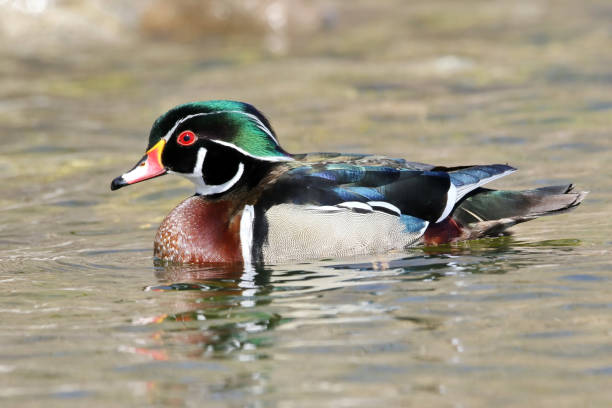
Ducks are fantastic companions for beginners, offering a unique blend of charm, utility, and low maintenance. Unlike chickens, ducks are resilient, often thriving in diverse climates and exhibiting fascinating behaviors like swimming and foraging. For beginners, choosing the right duck breed is critical to ensure ease of care, adaptability, and minimal stress. This guide explores the top 15 duck breeds ideal for newcomers, focusing on their hardiness, temperament, and practical care requirements. Whether you’re aiming for eggs, meat, or simply enjoying their presence, these breeds simplify duckkeeping while delivering rewarding experiences. Let’s dive into the world of ducks and discover the perfect fit for your homestead or backyard.
Key Factors to Consider When Choosing Duck Breeds
Selecting the right duck breed involves evaluating several factors to align with your lifestyle and environment:
- Climate Adaptability:
Ducks like Pekins and Cayugas thrive in cold weather due to their feathered feet and dense plumage, while others, such as Muscovies, prefer warmer climates. - Temperament:
Peaceful breeds like Khaki Campbells and Orpingtons are ideal for families, whereas more skittish breeds may require gradual socialization. - Space Requirements:
Larger breeds like Rouens need ample room, while compact breeds like Japanese (not covered here) suit small coops. - Dietary Needs:
Ducks are omnivores, but some breeds forage more efficiently than others. Buffs and Pekins excel at scavenging, reducing feed costs. - Egg Production:
For eggs, prioritize high-layers like Khaki Campbells or Welsh Harlequins, which lay consistently year-round. - Noise Levels:
Unlike chickens, ducks quack rather than crow, but some breeds are louder or more vocal during brooding seasons.
By aligning these factors with your goals, you’ll streamline your choice of a duck breed that thrives with minimal effort.
Top 15 Easy-to-Care-For Duck Breeds for Beginners
1. Pekin Duck
Origin: China, later popularized in the U.S.
Size: Large (8–9 lbs for males, 6.5–7.5 lbs for females).
Temperament: Gentle, sociable, and ideal for beginners.
Egg Production: 180–200 eggs/year.
Care Tips: Thrive in cold climates thanks to feathered feet. Provide a shallow pond or tub for swimming.
2. Khaki Campbell
Origin: England.
Size: Medium (6–7 lbs).
Temperament: Intelligent, active, and vocal.
Egg Production: 250–300 eggs/year—highest among all duck breeds.
Care Tips: Thrive in foraging environments. Ensure a balanced diet with premium duck feed.
3. Buff Orpington
Origin: England.
Size: Medium to large (7–9 lbs).
Temperament: Docile and affectionate, great for families.
Egg Production: 160–180 eggs/year.
Care Tips: Requires a clean nesting area. Sensitive to mites; maintain regular coop cleaning.
4. Cayuga Duck
Origin: England.
Size: Medium (6–7 lbs).
Temperament: Calm and curious, though initially shy.
Egg Production: 160–200 eggs/year.
Care Tips: Adaptable to cold weather. Provide a deep water source for swimming.
5. Appleyard Duck
Origin: England.
Size: Medium (5–7 lbs).
Temperament: Friendly and gentle, with striking tricolor plumage.
Egg Production: 150–180 eggs/year.
Care Tips: Requires moderate space. Thrives in mixed flocks with chickens.
6. Ancona Duck
Origin: Italy.
Size: Medium (5.5–7 lbs).
Temperament: Bold and curious, best for experienced handlers.
Egg Production: 200–220 eggs/year.
Care Tips: Needs room to roam and forage. Avoid hot climates, as they are less heat-tolerant.
7. Welsummer Duck
Origin: Netherlands.
Size: Medium (5.5–7 lbs).
Temperament: Alert and independent, though affectionate.
Egg Production: 160–180 eggs/year.
Care Tips: Provide a secure run to prevent wandering. Thrives in cooler regions.
8. Blue Swedish Duck
Origin: Sweden.
Size: Medium (5–7 lbs).
Temperament: Docile and friendly.
Egg Production: 150–180 eggs/year.
Care Tips: Requires a coop with nesting boxes. Hardy and disease-resistant.
9. Indian Runner Duck
Origin: India.
Size: Small to medium (4.5–6.5 lbs).
Temperament: Energetic and flighty, but loyal to handlers.
Egg Production: 140–160 eggs/year.
Care Tips: Prefer cooler weather. Provide perches for climbing and dry nesting areas.
10. Rouen Duck
Origin: France.
Size: Large (9–11 lbs).
Temperament: Majestic and calm, but slow-moving.
Egg Production: 160–180 eggs/year.
Care Tips: Requires ample space due to large size. Adapts to cold climates.
11. Aylesbury Duck
Origin: England.
Size: Large (8–10 lbs).
Temperament: Gentle and social.
Egg Production: 160–180 eggs/year.
Care Tips: Needs a large coop and pond. Susceptible to health issues if not fed properly.
12. Magpie Duck
Origin: Australia.
Size: Medium (6–7 lbs).
Temperament: Playful and curious, with black-and-white markings.
Egg Production: 140–160 eggs/year.
Care Tips: Thrives in wetland areas. Provide a low-protein diet to prevent health issues.
13. Silver Appleyard Duck
Origin: England.
Size: Medium (5–7 lbs).
Temperament: Friendly and affectionate.
Egg Production: 150–180 eggs/year.
Care Tips: Adaptable to various climates. Requires a companion for social interaction.
14. Welsh Harlequin Duck
Origin: Wales.
Size: Medium (5–7 lbs).
Temperament: Quiet and docile.
Egg Production: 200–220 eggs/year.
Care Tips: Excellent dual-purpose breed (eggs and meat). Thrives in small spaces.
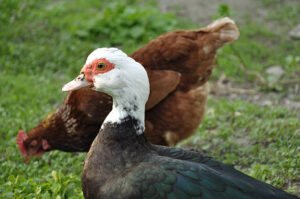
15. Muscovy Duck
Origin: South America.
Size: Large (10–14 lbs).
Temperament: Calm and non-noisy.
Egg Production: 100–130 eggs/year.
Care Tips: Requires a separate flock (not mixed with waterfowl). Best for meat production.
Essential Care Tips for Easy-to-Care-For Ducks
- Feeding: Use a balanced poultry feed (16–18% protein). Supplement with fresh greens and grit.
- Housing: Provide a draft-free coop with a waterproof floor and nesting boxes. Use straw or cedar shavings.
- Water Source: Ducks need a 6–8” deep water tub for swimming. Replace daily to prevent algae.
- Socialization: Introduce ducks young and handle regularly to build trust.
- Health Monitoring: Check for mites, lice, or sour crop weekly. Vaccinate against common diseases.
Raising and Care Essentials for Beginners
- Housing: A 2–3 sq. ft. coop per duck with a secure run. Use a predator-proof lock system.
- Water Management: Install a self-cleaning pond or a floating tub for bathing.
- Nesting Areas: Place 4–6 eggs per nest in a quiet, dark corner.
- Environmental Enrichment: Add perches, toys, and foraging materials to prevent boredom.
Common Health Issues in Ducks and Prevention
- Sour Crop: Caused by poor diet. Prevent with a balanced feed and clean water.
- Bumblefoot: From dirty conditions. Clean coops weekly and provide clean bedding.
- Parasites: Use natural remedies like garlic or diatomaceous earth.
- Respiratory Infections: Keep the coop warm and draft-free to avoid cold-related illnesses.
Conclusion
For beginners, the right duck breed can transform your homestead into a lively, productive space. Breeds like Pekins, Khaki Campbells, and Welsh Harlequins offer high egg yields, gentle temperaments, and low maintenance. By understanding their care needs and providing a safe environment, you’ll enjoy the rewards of duckkeeping for years. Start small, choose wisely, and let your ducks become cherished members of your farm.
#DuckBreedsForBeginners #BackyardDucks #EasyDuckCare #LowMaintenanceDucks #DuckKeepingTips #BestDuckBreeds #RaisingDucks #DuckEggProduction #BackyardPoultry #DuckCareGuide #BeginnerDucks #DuckRaisingFor Beginners #DuckFarming #DuckKeepingCommunity #DuckLovers #BackyardDuckRaising #DuckBreeds #DuckEggs #DuckOaks #DuckCoop #DuckCare #DuckFarmingTips #DuckCommunity #DuckKeeping #BackyardDuckCare #DuckKeepingFor Beginners

Add comment