
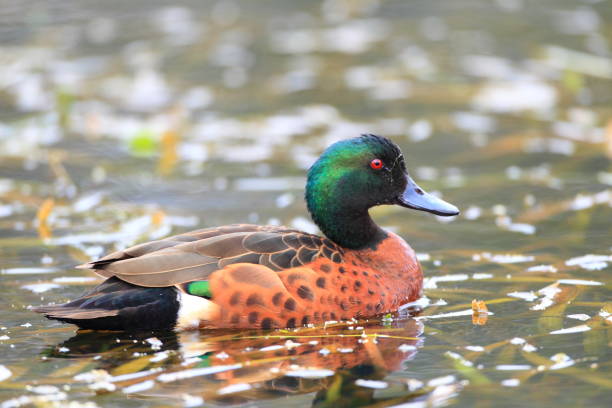
Duck Viral Enteritis (DVE), commonly referred to as Duck Plague, is a highly contagious and often fatal disease that affects birds, particularly mallards, domestic ducks, and various waterfowl species. Caused by the duck plague herpesvirus, this condition is characterized by acute enteritis and systemic effects, leading to significant mortality rates in affected populations. The virus belongs to the Alphaherpesviridae family and is closely related to other herpesviruses that infect various animals. DVE is notable for its ability to cause sudden and severe outbreaks in waterfowl, often resulting in high mortality rates, especially in large flocks.
The disease is primarily transmitted through direct contact with infected birds or through contaminated environments, including water, feed, and equipment. Additionally, the virus can persist in the environment and be spread via insect vectors or other carriers, making containment difficult once an outbreak occurs. The impact of Duck Plague on waterfowl populations is profound; it can lead to the decimation of local bird populations, especially in areas with high bird density.
This disease not only poses a threat to the survival of waterfowl species but also affects the ecosystems they inhabit. The loss of these birds can disrupt ecological balances, as they play crucial roles in seed dispersal, insect control, and nutrient cycling in wetland habitats. Furthermore, Duck Plague can affect other avian species, including geese and swans, making it a significant concern for wildlife conservation and management.
In terms of its classification, DVE is categorized as a highly contagious disease, necessitating stringent biosecurity measures to prevent its spread. Wildlife managers, conservationists, and poultry owners must be vigilant in monitoring for signs of the disease and implementing preventive strategies. Understanding the nature of DVE is essential for anyone involved in the care or management of waterfowl and poultry, as it is critical to the health of both individual birds and broader ecosystems. By raising awareness about the characteristics of Duck Plague, stakeholders can work together to mitigate its impact and protect vulnerable populations of birds from this fatal disease.
The Nature of the Duck Plague Herpesvirus
The duck plague herpesvirus, a member of the Alphaherpesviridae family, is responsible for the devastating disease known as Duck Viral Enteritis (DVE). This virus is characterized by its double-stranded DNA genome, which allows it to replicate rapidly within host cells. The primary mode of transmission is through direct contact with infected birds, particularly during the shedding phase of the virus. Infected birds can excrete the virus in their feces, saliva, and nasal secretions, contaminating the environment and leading to the potential exposure of healthy birds. Additionally, the virus can be transmitted indirectly through contaminated water sources, feed, and equipment, making it a significant threat in areas with high bird density.
In the lifecycle of the duck plague herpesvirus, once a susceptible bird is exposed to the virus, it establishes infection primarily in the gastrointestinal tract and the lymphatic system. The virus replicates within these tissues, leading to the characteristic symptoms of DVE, such as acute enteritis and systemic disease. Infected birds become carriers and can shed the virus for extended periods, increasing the risk of transmission to other members of the flock. This shedding is particularly concerning in poultry farms where large numbers of birds are kept in close proximity, as it can lead to rapid outbreaks.
Moreover, the duck plague herpesvirus demonstrates a marked affinity for lymphoid tissues, where it can evade the host’s immune response, further complicating recovery. This evasion allows the virus to persist in the host, leading to prolonged shedding and increasing the likelihood of transmission. The persistent nature of the virus, combined with its ability to spread through various vectors, highlights the importance of implementing biosecurity measures to prevent and control outbreaks.
The virus’s impact is not limited to domestic waterfowl; it can also affect wild populations of waterfowl, geese, and swans, further complicating conservation efforts. Monitoring and managing the spread of the duck plague herpesvirus is crucial for the health of both domestic and wild bird populations, as it poses a serious threat to biodiversity and ecosystem stability. Understanding the nature of the virus and its life cycle is essential for effective prevention strategies, as it informs the development of vaccines and management practices aimed at reducing its impact on bird populations. Ultimately, the complexities of the duck plague herpesvirus underscore the need for ongoing research and vigilance to combat this formidable pathogen. 😊
Modes of Transmission of the Duck Plague Herpesvirus
The transmission of the duck plague herpesvirus is a multifaceted process that occurs primarily through various vectors and environmental factors, making it a significant concern for both domestic and wild bird populations. Direct contact is the most common mode of transmission, as the virus can spread easily among birds in close proximity. This is particularly prevalent in settings such as poultry farms, wildlife refuges, and recreational areas where waterfowl congregate. Infected birds shed the virus in their feces, saliva, and nasal secretions, creating a direct route for transmission to uninfected individuals.
In addition to direct contact, indirect transmission is equally important. Contaminated environments, such as waterfowl habitats and water sources, can act as reservoirs for the virus. Wetlands, ponds, and lakes can become contaminated with the virus through the feces of infected birds or from runoff that carries the virus from affected areas. This creates a persistent risk where uninfected birds come into contact with contaminated water or surfaces. Equipment, feed, and water containers can also serve as fomites, facilitating the spread of the virus if not properly disinfected.
Fomites play a crucial role in the transmission dynamics of the duck plague herpesvirus. These objects, which can range from nets used in capturing birds to feeding troughs, can harbor the virus for extended periods if not cleaned and disinfected appropriately. The persistence of the virus on such surfaces increases the likelihood of transmission, especially in environments where birds are kept in close quarters. Therefore, implementing rigorous biosecurity measures is essential for minimizing the risk of indirect transmission.
Moreover, the role of vectors, such as insects and other animals, cannot be overlooked in the transmission of DVE. While direct bird-to-bird transmission is the primary concern, vectors can also contribute to the spread of the virus. Insects, particularly those that feed on bird blood, can act as mechanical vectors, transferring the virus from infected to uninfected birds. Additionally, other animals that share the same habitats as waterfowl may inadvertently contribute to the spread through their own interactions with contaminated environments.
Environmental factors also play a significant role in the transmission of the duck plague herpesvirus. The presence of waterfowl habitats, especially those that are shared by both domesticated and wild birds, can facilitate the intermingling of populations, thereby increasing the risk of transmission. The seasonal migration of waterfowl can also contribute to the spread of the virus, as birds move between different habitats and come into contact with new populations.
In summary, the transmission of the duck plague herpesvirus is a complex interplay of direct and indirect factors, including contact with infected individuals, contaminated environments, fomites, and vectors. Understanding these modes of transmission is vital for developing effective strategies to prevent and control outbreaks of DVE. By addressing these transmission pathways, stakeholders can work towards mitigating the impact of this deadly disease on waterfowl and poultry populations.
Common Symptoms of Duck Viral Enteritis
Duck Viral Enteritis (DVE) manifests through a range of clinical signs that can vary depending on the age of the affected bird and the specific species of waterfowl. Acute symptoms are often the first indicators of an outbreak and can include a sudden drop in appetite and overall energy levels. Infected ducks may exhibit clear signs of depression, characterized by lethargy and a lack of interest in their surroundings. This depression is often accompanied by a noticeable increase in the mortality rate, with many birds succumbing to the illness within a short period after symptoms appear.
One of the most alarming aspects of DVE is the high mortality rate it can induce in affected flocks. Once symptoms begin to show, infected birds often die suddenly, sometimes before any intervention can occur. This rapid onset can lead to a dramatic reduction in flock size, especially in populations where the disease is introduced for the first time. In severe cases, mortality rates can exceed 90%, making swift identification and response crucial for managing the disease and preserving the health of the remaining birds.
In addition to these acute signs, chronic symptoms may develop in some cases, particularly in birds that do not succumb immediately to the illness. These birds often display persistent signs of illness, such as poor weight gain, decreased egg production, and a general decline in health. Chronically affected ducks can act as carriers of the virus, shedding it in their feces and saliva, which can lead to prolonged outbreaks within flocks.
Another hallmark of DVE is the presence of neurological symptoms in some infected birds. Affected ducks may exhibit behaviors such as head tremors, ataxia (loss of coordination), and circling movements. These symptoms can be particularly distressing to observe and are often a sign of more severe disease. Neurological manifestations are typically attributed to the virus’s impact on the central nervous system, further complicating the clinical picture of the disease.
It is also essential to note that the symptoms of DVE can vary between species of waterfowl. For example, in swans and geese, the disease may present slightly differently, with some birds displaying more pronounced respiratory signs or changes in behavior. Understanding these species-specific variations is critical for accurate diagnosis and effective management, as it informs the approach to treatment and prevention strategies tailored to the specific waterfowl involved.
Given the potential for rapid transmission and high mortality rates in DVE, it is vital for birdkeepers and wildlife managers to be vigilant in monitoring their flocks for these symptoms. Early detection can lead to more effective interventions, including quarantine measures and treatment protocols, ultimately improving the chances of survival for affected birds and preventing further spread of the disease. Recognizing the clinical signs of DVE is, therefore, a crucial step in protecting not only individual birds but also the broader population dynamics of waterfowl species.
Risk Factors and Affected Duck Breeds
Duck Viral Enteritis (DVE) can affect a wide range of waterfowl species, including domestic ducks, geese, swans, and various wild waterfowl. However, certain breeds are more susceptible to the virus due to a combination of factors such as physiology, immune system responses, and environmental exposure. Understanding the risk factors and the breeds most affected by DVE is essential for implementing targeted prevention and management strategies.
One of the primary risk factors for DVE infection is the bird’s immune system. Ducks with compromised immune function due to stress, malnutrition, or concurrent diseases are more vulnerable to severe outbreaks. For example, young ducks (pullets) and ducks under stress from transport or environmental changes may exhibit weakened immune responses, making them more susceptible to DVE. Additionally, birds raised in high-density environments, such as commercial duck farms or recreational duck ponds, face increased exposure to the virus, which enhances the likelihood of transmission.
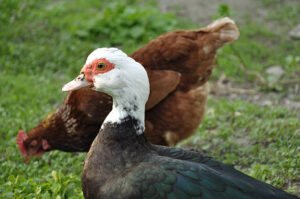
Domestic breeds such as the Pekin duck, Muscovy duck, and Khaki Campbell duck are particularly at risk. Pekin ducks, which are commonly raised for meat production, are highly susceptible to DVE due to their frequent housing in large flocks and controlled environments where the virus can easily spread. Muscovy ducks are also known to be more vulnerable, especially in mixed flocks, where they may be exposed to the virus through close proximity to other infected birds. Khaki Campbell ducks, which are valued for their high egg production, often reside in confined settings that increase their exposure to the virus and contribute to higher infection rates.
Among wild waterfowl, mallards (Anas platyrhynchos) are the most commonly affected species. These birds are widely distributed and frequently coexist with domestic ducks in natural wetlands, increasing the risk of interspecies transmission. Migratory mallards can carry and spread the virus over long distances, making them a critical vector in the persistence and geographic spread of DVE. Swans and geese, though less commonly affected than ducks, can still serve as reservoirs for the virus and contribute to disease transmission, particularly when in close contact with domestic flocks.
In addition to species-specific susceptibility, the management practices of duck proprietors play a significant role in disease risk. Poor biosecurity measures, such as inadequate sanitation, lack of quarantine for new birds, and insufficient vaccination programs, can exacerbate DVE outbreaks. Birds housed in environments with high humidity and contaminated water sources are also at an increased risk of infection, as the virus thrives in moist conditions.
Understanding these risk factors and the specific breeds most affected by DVE empowers birdkeepers and wildlife managers to implement effective disease prevention strategies. By recognizing the vulnerabilities of different duck breeds and their environments, proactive measures can be taken to reduce the occurrence and impact of this deadly disease.
Stages of Life Affected by Duck Viral Enteritis
Duck Viral Enteritis (DVE) presents varying levels of susceptibility across different life stages of ducks, with the most significant impact observed in young, juvenile, and adult ducks. Understanding these life stages and the associated risks is crucial for developing targeted prevention and management strategies to mitigate the spread and impact of this disease.
1. Young Ducks (Pullets):
Young ducks, typically those under eight weeks of age, are particularly vulnerable to DVE. Their immune systems are not fully developed, making them more susceptible to infections. The stress of being in a new environment, such as a farm or a pond, can further weaken their immune responses, increasing the likelihood of DVE infection. In this age group, the onset of symptoms can be abrupt, leading to rapid deterioration in health and high mortality rates. The young ducks often exhibit acute signs such as anorexia, depression, and sudden death, which can decimate a flock if not promptly addressed. Early detection and intervention are crucial for the survival of young ducks, especially in commercial operations where the financial implications of losses can be substantial.
2. Juvenile Ducks:
As ducks transition into the juvenile stage, they may begin to develop a stronger immune system; however, they remain susceptible to DVE. This life stage, characterized by a continued growth phase, can be a critical period for establishing immunity against various diseases. Juvenile ducks can act as carriers of the virus, shedding the herpesvirus in their feces and saliva even if they remain asymptomatic. This can lead to continuous transmission within a flock, especially in environments with high bird density. The juvenile stage is therefore not only a period of vulnerability but also a potential source for ongoing outbreaks if not managed carefully.
3. Adult Ducks:
Adult ducks, while generally more resilient due to a mature immune system, are not entirely impervious to DVE. In fact, adult ducks can experience both acute and chronic symptoms, depending on their exposure and overall health status. Acute cases in adult ducks can lead to severe illness, characterized by high mortality rates if left untreated. Chronic symptoms may manifest as persistent signs of ill health, such as poor weight gain and decreased egg production, which can significantly impact flock productivity. Additionally, adult ducks that recover from DVE may continue to shed the virus, contributing to the spread of the disease within the flock and to other birds in proximity.
Each life stage is influenced by specific risk factors, including environmental conditions, management practices, and the overall health status of the flock. For instance, young ducks raised in high-density environments or subjected to stress may face a higher risk of contracting the virus. Conversely, adult ducks in well-managed environments with proper nutrition and healthcare may exhibit better resilience against DVE.
In summation, the susceptibility to Duck Viral Enteritis varies significantly among different life stages of ducks, emphasizing the need for targeted interventions at each stage. By understanding the unique vulnerabilities of young, juvenile, and adult ducks, stakeholders can implement comprehensive strategies to protect their flocks and mitigate the impact of this deadly disease. This knowledge is vital for promoting the health and well-being of duck populations, both in domestic and wild settings, ultimately contributing to the sustainability of waterfowl management practices. 😊
Diagnostic Methods for Duck Viral Enteritis
Accurate diagnosis of Duck Viral Enteritis (DVE) is essential for implementing timely interventions and preventing the spread of the disease. Several diagnostic methods are employed, each with its own advantages and limitations in terms of speed, accuracy, and practicality. The primary methods include clinical diagnosis, histopathology, virus isolation, serology, and molecular techniques.
1. Clinical Diagnosis:
The initial step in diagnosing DVE involves a thorough clinical examination of affected birds. Veterinarians look for characteristic symptoms such as sudden death, depression, and anorexia. The presence of neurological signs, including ataxia and head tremors, can also indicate DVE. While clinical signs can raise suspicion of the disease, they are not pathognomonic for DVE and must be confirmed using other diagnostic methods. This approach is rapid and cost-effective but lacks specificity, especially in cases where symptoms may overlap with other diseases.
2. Histopathology:
Histopathological examination involves analyzing tissue samples from affected birds to identify specific pathological changes associated with DVE. Tissue samples from the liver, spleen, and other organs are examined under a microscope for characteristic lesions such as necrosis and infiltration of lymphocytes. This method provides detailed insights into the disease’s impact on the bird’s physiology and can confirm the presence of the duck plague herpesvirus. However, histopathology is a time-consuming process and requires specialized equipment and expertise. It is typically used for confirmatory diagnosis after clinical signs raise suspicion, making it a more extensive method that may not be feasible in urgent situations.
3. Virus Isolation:
Virus isolation is a standard method for confirming DVE. It involves cultivating the virus in cell cultures, such as duck embryo fibroblasts, to observe cytopathic effects indicative of DVE. This method is considered highly accurate and can provide definitive evidence of the virus’s presence. However, it requires a laboratory setup and skilled personnel, which may not be readily available in all situations. The time required for virus isolation can be several days, which may delay treatment and management decisions in the face of an outbreak.
4. Serology:
Serological tests, such as enzyme-linked immunosorbent assays (ELISA) and agar gel immunodiffusion (AGID), detect antibodies against the duck plague herpesvirus in the blood of affected birds. These tests are useful for determining the immune status of a flock and for monitoring the effectiveness of vaccination programs. Serology is advantageous because it can detect antibodies even in the absence of current disease, providing valuable insights into past exposure. However, serological tests may not distinguish between vaccinated and infected birds, leading to potential inaccuracies in interpretation.
5. Molecular Techniques:
Molecular diagnostic methods, such as polymerase chain reaction (PCR), have revolutionized the detection of DVE. PCR allows for the rapid identification of the duck plague herpesvirus by amplifying viral genetic material from clinical samples like feces, swabs, or blood. This technique is highly specific and sensitive, enabling the detection of the virus at very low concentrations. The speed and accuracy of PCR make it an ideal method for confirming DVE in the early stages of an outbreak, facilitating prompt intervention and management strategies. Moreover, PCR can be used to differentiate between the duck plague herpesvirus and other similar pathogens, enhancing the overall diagnostic accuracy.
In conclusion, the diagnostic landscape for Duck Viral Enteritis encompasses a range of methods that vary in speed, accuracy, and practicality. While clinical diagnosis and serology offer quick insights and monitoring capabilities, histopathology, virus isolation, and molecular techniques provide more definitive evidence of the virus’s presence. Employing a combination of these methods can enhance the accuracy of diagnosis and inform effective strategies to control and manage DVE outbreaks. Understanding the strengths and limitations of each diagnostic method is essential for veterinarians, poultry owners, and wildlife managers to make informed decisions regarding the health of their flocks and the broader ecosystems they inhabit.
Treatment Options for Duck Viral Enteritis
Treatment for Duck Viral Enteritis (DVE) is multifaceted and primarily focuses on supportive care, as there is no specific antiviral therapy available for this condition. The goal of treatment is to alleviate symptoms, improve the bird’s overall condition, and enhance recovery chances while addressing potential complications. Implementing targeted treatment strategies and monitoring for complications is essential to optimize outcomes for affected ducks.
1. Supportive Care:
Given the lack of a direct antiviral treatment for DVE, supportive care is the cornerstone of managing infected birds. This includes maintaining hydration, providing adequate nutrition, and ensuring a comfortable environment. Dehydration is a common issue in affected ducks, so it is crucial to administer fluids, either orally or via subcutaneous injections, to restore hydration levels. Electrolyte solutions can be beneficial in mitigating the effects of dehydration and maintaining essential electrolyte balance.
Nutritional support is also vital for affected ducks, as they often experience a loss of appetite. Offering a readily available, easily digestible diet can encourage food intake and support recovery. In severe cases, tube feeding may be necessary to ensure adequate nutrient delivery. Nutritional supplements rich in vitamins and minerals can further bolster the immune system and enhance the bird’s ability to fight off the infection.
2. Anti-Inflammatory Medications:
To manage symptoms such as fever and inflammation, anti-inflammatory medications can be administered under the guidance of a veterinarian. These drugs can help reduce the bird’s discomfort and support the body’s ability to combat the virus. However, it is essential to use these medications judiciously, as prolonged use can lead to adverse effects, and overdosing can exacerbate the condition.
3. Antibiotic Therapy:
Secondary bacterial infections can complicate DVE, particularly in birds with weakened immune systems due to the viral infection. Prophylactic antibiotic therapy may be considered in cases where the risk of secondary infections is high. Administering broad-spectrum antibiotics can help prevent bacterial infections from taking hold, improving the overall prognosis for the affected duck. However, antibiotic usage should be carefully monitored to prevent the development of antibiotic resistance and to ensure that the treatment is appropriate for the specific case.
4. Quarantine and Isolation:
To prevent the spread of DVE within a flock, infected birds should be quarantined immediately. Isolating affected individuals from the rest of the flock can help mitigate transmission and allow for focused care and treatment of the infected birds. Maintaining a clean and disinfected environment in the quarantine area is essential to reduce the risk of disease transmission to healthy birds.
5. Environmental Management:
Creating a stress-free environment for affected ducks is crucial for their recovery. Stress can exacerbate the health condition of the birds and hinder the immune response. Ensuring that the quarantine area is well-ventilated, warm, and free from drafts can help reduce stress and promote a conducive recovery environment.
6. Monitoring for Complications:
Close monitoring of affected birds is essential for identifying potential complications early. Watch for signs of severe dehydration, persistent fever, neurological symptoms, or any changes in behavior. These signs may indicate a worsening condition or the development of secondary complications. Regular veterinary check-ups can provide valuable insights into the bird’s progress and guide any necessary adjustments in the treatment plan.
In conclusion, treating Duck Viral Enteritis requires a comprehensive approach that emphasizes supportive care, anti-inflammatory measures, and the prevention of secondary infections. By implementing these targeted treatment strategies and closely monitoring for complications, stakeholders can enhance the chances of recovery for affected ducks and minimize the impact of this deadly disease on their flocks.
Prognosis and Complications of Duck Viral Enteritis
The prognosis for ducks afflicted with Duck Viral Enteritis (DVE) is generally poor, especially in acute cases where the disease progresses rapidly. Without timely and effective interventions, the mortality rates can be alarmingly high, often exceeding 90% in severe outbreaks. Ducks that survive the initial acute phase typically face a prolonged recovery period, during which they may exhibit chronic symptoms that can significantly impact their health and productivity.
Complications associated with DVE can manifest in various ways. One of the most severe complications is the development of secondary infections. As affected ducks are immunocompromised due to the viral onslaught, they become more susceptible to opportunistic bacterial infections that can further compromise their health. For example, secondary infections may lead to respiratory issues, such as pneumonia, which can exacerbate the bird’s overall condition and potentially lead to fatal outcomes. The presence of these infections can also complicate treatment, as managing the viral disease must be balanced with addressing the bacterial complications.
Another significant complication is chronic illness, characterized by prolonged malaise and a diminished capacity to thrive. Ducks that survive DVE may experience a range of long-term health issues, including poor weight gain, decreased egg production, and a general decline in overall health. These chronic symptoms can persist for weeks or even months, making it difficult for affected ducks to regain their former vitality.
In the context of flock dynamics, DVE can lead to significant disruptions. The loss of a large portion of the flock due to high mortality rates can have financial implications for duck proprietors, especially in commercial settings. Additionally, the remaining ducks may exhibit altered behavior, such as social withdrawal and reduced productivity, which can impact overall flock health and management.
Moreover, the presence of virus-carrier ducks that appear healthy but continue to shed the virus can lead to ongoing transmission risks within the flock and to other wild waterfowl populations. This complicates efforts to manage and control outbreaks, as it necessitates ongoing monitoring and management strategies to prevent further spread of the disease.
In summary, while some ducks can recover from DVE, the disease carries a high mortality rate, and those that survive often face a complex array of complications that can significantly affect their health and productivity. Understanding these potential outcomes underscores the importance of implementing effective prevention and management strategies to mitigate the impact of this deadly disease on duck populations.
Prevention Strategies for Duck Viral Enteritis (DVE)
Preventing the spread of Duck Viral Enteritis (DVE) requires the implementation of comprehensive biosecurity measures and effective vaccination protocols. These strategies are essential for minimizing the risk of disease transmission and protecting both domestic and wild bird populations.
1. Biosecurity Measures:
Biosecurity is the cornerstone of DVE prevention. The following biosecurity measures should be adopted to minimize the risk of infection and transmission:
- Quarantine Protocols: Isolate new or returning birds for a minimum of 30 days before introducing them to the existing flock. This allows time to monitor for any signs of illness and ensures that new additions do not carry the virus.
- Sanitation and Disinfection: Regularly clean and disinfect all areas of the duck house or habitat using effective disinfectants that are known to be active against herpesviruses. Focus on high-risk areas such as feeding and watering stations, nesting boxes, and any equipment that may come into contact with birds.
- Limiting Contact with Wild Birds: Avoid direct contact between domestic ducks and wild waterfowl, particularly in areas where DVE is prevalent. This includes preventing shared water sources and feeding grounds. Implement barriers to restrict access to ponds or other water sources frequented by wild birds.
- Use of Protective Clothing and Equipment: Encourage the use of dedicated clothing, boots, and equipment when handling ducks. This includes washing hands regularly and using gloves to minimize the risk of transmitting the virus between birds.
- Feed and Water Management: Ensure that feed and water sources are clean and free from contamination. Store feed in sealed containers and provide clean water to reduce the risk of disease transmission through contaminated sources.
2. Vaccination Protocols:
Vaccination is a critical component of DVE prevention and can significantly reduce the incidence of the disease in waterfowl populations. The following vaccination protocols are recommended for effective disease management:
- Vaccine Selection: Choose vaccines that are specifically formulated for DVE and approved for use in ducks. There are various types of vaccines available, including inactivated and live attenuated formulations, each with its own administration guidelines.
- Vaccination Schedules: Implement a vaccination schedule tailored to the specific needs of the flock. For optimal immunity, administer vaccines at appropriate intervals, particularly for young ducks. A common protocol involves initial vaccination at 4-6 weeks of age, followed by booster shots at intervals recommended by a veterinarian.
- Monitoring and Compliance: Ensure that all birds in the flock are vaccinated according to the schedule. Regularly monitor the flock for any adverse reactions to the vaccine and maintain accurate records of vaccination dates and compliance.
- Herdm Immunity: Achieving herdm immunity through vaccination can protect unvaccinated individuals and reduce the overall incidence of DVE in a population. A high vaccination rate among ducks can limit the spread of the virus and create a protective barrier for susceptible individuals.
By integrating these biosecurity measures and vaccination protocols, stakeholders can effectively reduce the risk of DVE outbreaks and protect their flocks. Regular monitoring for signs of illness, coupled with prompt intervention strategies, can further enhance the effectiveness of these preventative measures. Through proactive management and a commitment to best practices, duck proprietors can significantly mitigate the impact of Duck Viral Enteritis on their flocks and the broader ecosystem.
Dietary and Nutritional Considerations for Ducks and Their Impact on Duck Viral Enteritis (DVE)
Diet plays a vital role in the overall health of ducks, particularly in relation to their susceptibility to Duck Viral Enteritis (DVE). A well-balanced diet can greatly enhance the immune system, which is crucial for defending against viral infections such as DVE. Ducks require a nutrient-rich diet that includes a mix of proteins, carbohydrates, vitamins, and minerals. These essential nutrients work together to support the immune response, making the ducks less vulnerable to infections and improving their recovery potential if they do contract the disease.
Proteins are especially important in maintaining immune function. Ducks should be provided with high-quality protein sources, such as commercial duck feed, legumes, and insects. These sources help in the production of antibodies and immune cells that combat pathogens. Carbohydrates, on the other hand, provide the energy needed for metabolic processes, ensuring that the body can allocate resources effectively to fight infections.
In addition to macronutrients, essential vitamins and minerals are critical for immune health. For example, vitamin A supports the integrity of mucosal surfaces and immune cells, while vitamin C acts as an antioxidant, helping to reduce oxidative stress that can impair immune function. Zinc and selenium are also crucial for the development and function of immune cells. Including a variety of vegetables and fruits in the duck’s diet can supply these vitamins and minerals, further bolstering their defenses against DVE.
The types of food duck proprietors feed their birds can significantly influence their health and resistance to diseases. For instance, incorporating foods rich in probiotics, such as fermented grains or yogurt, can promote a healthy gut microbiome. A healthy gut is essential for a robust immune system, as much of the immune response is initiated in the gastrointestinal tract. Moreover, an adequate intake of fiber from sources like leafy greens and whole grains can enhance digestion and nutrient absorption, supporting overall health.
It is also essential for duck proprietors to avoid feeding their birds moldy or spoiled food, as these can introduce harmful mycotoxins that weaken the immune system and increase the risk of infections, including DVE. Instead, providing clean, fresh water and a varied diet of high-quality feed, vegetables, and grains can create a strong foundation for the duck’s health and resilience against infectious diseases.
In summary, a well-balanced diet that includes quality protein sources, essential vitamins and minerals, and a diverse array of healthy foods can significantly enhance a duck’s immune system. By making informed choices about what to feed their birds, duck proprietors can improve their flock’s resistance to DVE, ultimately contributing to the health and longevity of their ducks. This proactive approach to nutrition not only supports the ducks’ well-being but also plays a critical role in managing and preventing the spread of Duck Viral Enteritis within the flock. 😊
Zoonotic Risk of Duck Viral Enteritis
Duck Viral Enteritis (DVE) presents a low risk of transmission to humans, primarily due to the nature of the duck plague herpesvirus, which is species-specific. While the virus primarily affects birds, particularly ducks, geese, and swans, there is no documented evidence of it causing illness in humans. However, while the zoonotic risk is minimal, it is still important for individuals who come into contact with infected birds or their environments to be aware of potential health risks and take appropriate preventive measures.
The transmission of the duck plague herpesvirus to humans typically requires direct contact with infected birds or their secretions, such as saliva, feces, or nasal discharge. Although the likelihood of such transmission is low, it is not entirely negligible, especially in individuals with compromised immune systems or those who handle infected birds without proper protective measures. For example, poultry keepers, veterinarians, and wildlife rehabilitators who work closely with ducks may be at a slightly higher risk of exposure. However, it is essential to note that the incidence of human cases attributed to DVE is extremely rare.
To mitigate any potential risks, individuals should adhere to standard safety protocols when handling birds or working in environments where DVE is present. These protocols include wearing protective clothing, such as gloves and masks, to minimize the risk of contact with bodily fluids. Regular handwashing with soap and water is crucial after handling birds or their surroundings, especially before eating, drinking, or touching the face. It is also advisable to clean and disinfect all equipment and surfaces that come into contact with birds or their waste to prevent the spread of the virus within the environment.
In addition to personal protective measures, it is essential to maintain a safe distance from wild birds and avoid direct contact with any birds suspected of illness. If someone experiences symptoms such as fever, fatigue, or respiratory issues after exposure to ducks, it is important to seek medical attention and inform the healthcare provider of any potential contact with birds. Although the risk of DVE causing illness in humans is minimal, recognizing the signs of any health issues after exposure can lead to prompt medical evaluation and reassurance.
In conclusion, while Duck Viral Enteritis poses a low zoonotic risk to humans, individuals should remain vigilant about the safety measures necessary to protect themselves when working with ducks or their environments. By following recommended protective practices and being aware of the signs of illness, those working with birds can significantly reduce any potential health risks associated with the duck plague herpesvirus. This proactive approach not only safeguards the health of the individuals involved but also contributes to the overall management and prevention of DVE within poultry populations.





Add comment