
Duck Viral Hepatitis (DVH) is an infectious disease that affects ducks, particularly impacting young individuals, and is caused by a group of viruses that lead to hepatitis. This condition is classified into three distinct types: DVH Type 1, DVH Type 2, and DVH Type 3. Each type is characterized by specific pathogenic properties and clinical manifestations, yet they share commonalities in their effects on liver function and overall health of the avian hosts. The significance of DVH in commercial poultry cannot be overstated, as it poses a substantial threat to both the health of the flock and the economic viability of duck farming operations.
DVH is primarily a disease of young ducks, with Type 1 being the most severe, often leading to high mortality rates in ducklings under two weeks of age. Understanding the causes of DVH, which include the presence of the duck hepatitis virus, is crucial for implementing effective prevention and treatment strategies. The symptoms of DVH, ranging from jaundice and rapid death in acute cases to chronic liver failure, highlight the importance of early detection and intervention.
As the poultry industry continues to grow, the repercussions of DVH extend beyond the immediate health concerns of affected birds. The disease can lead to significant financial losses due to decreased productivity and increased mortality, emphasizing the need for comprehensive management practices to mitigate its impact. Additionally, the potential zoonotic risk associated with DVH further underscores the importance of understanding and addressing this disease within the context of animal and public health. Recognizing the critical nature of DVH within commercial poultry ensures that stakeholders can prioritize efforts to safeguard both avian populations and the broader agricultural ecosystem. 🦆
Causes of Duck Viral Hepatitis (DVH)
Duck Viral Hepatitis (DVH) is primarily caused by a group of avian adenoviruses and parvoviruses, each classified into distinct types—DVH Type 1, DVH Type 2, and DVH Type 3. The most common and severe form, DVH Type 1, is caused by the duck hepatitis virus type 1 (DHV-1), which belongs to the family Adenoviridae and the genus Siadenovirus. This virus is known to be highly pathogenic in young ducks, particularly those less than two weeks old, leading to acute liver damage and high mortality rates. DVH Type 2 is caused by an unknown virus, possibly a member of the Circoviridae or Parvoviridae families, while DVH Type 3 is associated with the goose parvovirus, which affects ducks as an incidental host.
The transmission of DVH occurs through various routes, depending on the specific type of virus involved. In the case of DHV Type 1, the primary mode of transmission is direct contact with infected birds, as well as contamination of feed, water, and the surrounding environment. The virus is shed in the feces, nasal discharges, and ocular secretions of infected ducks, allowing for rapid spread within flocks, especially in densely populated commercial duck farms. Vertical transmission through contaminated eggs has also been documented, enabling the disease to persist within breeding populations. For DVH Type 3, the virus spreads primarily through the environment, with outbreaks often occurring in areas where infected geese reside. This form of transmission is less direct but still highly effective in perpetuating the disease in susceptible duck populations.
One of the distinguishing features of DVH is its host specificity, as the viruses primarily affect ducks and geese rather than other bird species. However, there are variations in the transmission and pathogenicity of each type. For instance, while DHV-1 affects a wide range of duck breeds, particularly Pekin ducks, DHV-3 primarily targets breeding ducks and older individuals. The highly contagious nature of DVH, especially in young ducklings, underscores the importance of strict biosecurity measures in duck farming to prevent the introduction and spread of the virus. Understanding the causes and transmission routes of DVH is essential for developing effective prevention and control strategies to minimize disease impact on commercial poultry operations.
Signs and Symptoms of Duck Viral Hepatitis (DVH)
Duck Viral Hepatitis (DVH) manifests in a variety of clinical signs that can range from mild to severe, depending on the type of virus involved and the age of the affected ducks. The most common initial symptoms include anorexia, which can lead to rapid weight loss, along with listlessness and dehydration. As the disease progresses, affected ducks often exhibit characteristic jaundice, marked by a yellowish discoloration of the skin, eyes, and mouth membranes. This is a clear indicator of liver damage, a hallmark of DVH. Ducks may also experience ataxia, or difficulty in coordination, leading to unsteady gait and overall weakness.
In more severe cases, particularly with DVH Type 1, ducks can display acute liver failure, resulting in sudden death within 24 to 48 hours of symptom onset. The severity of the disease is often more pronounced in ducklings under two weeks of age, where the infection can lead to high mortality rates, sometimes exceeding 90% in severely affected flocks. In contrast, older ducks may exhibit a milder form of the disease, with symptoms such as liver enlargement and reduced egg production.
The differences in severity and symptoms across the three types of DVH are notable. DVH Type 1 is characterized by its aggressive and rapid course, often leading to acute liver necrosis and systemic complications. DVH Type 2, on the other hand, typically presents with less severe symptoms and a lower mortality rate, although it can still have significant implications for flock health. DVH Type 3 affects breeding ducks and may result in chronic liver disease, leading to long-term health issues and reduced productivity.
Recognizing these signs and symptoms is crucial for early detection and intervention, as prompt treatment can significantly improve outcomes for affected ducks. Understanding the distinctions between the types of DVH is essential for effective management strategies aimed at minimizing disease impact on both individual ducks and commercial poultry operations. 🦆
Duck Breeds at Risk of Duck Viral Hepatitis
Duck Viral Hepatitis (DVH) can affect a wide range of duck breeds, though some are more susceptible than others. Understanding the specific breeds at risk is crucial for implementing effective disease management strategies. Each breed has unique characteristics that influence their vulnerability to DVH, particularly in relation to age, immune responses, and production cycles.
Pekin ducks are among the most commonly affected breeds, especially in commercial settings. Renowned for their meat production, Pekin ducks are particularly susceptible to DVH Type 1, which can lead to severe illness and high mortality rates, particularly in young ducklings under two weeks of age. Their rapid growth rate and high demand in the poultry industry make Pekin ducks a key focus for DVH prevention and control measures.
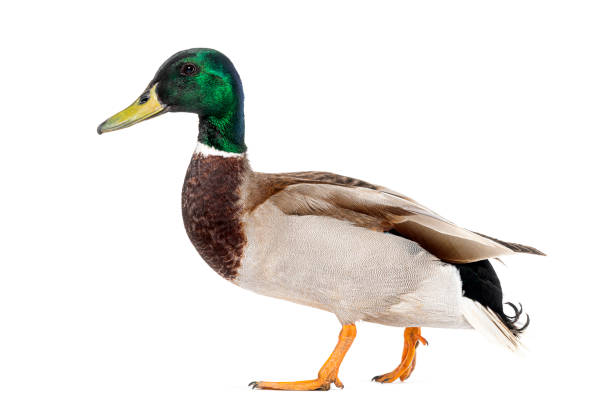
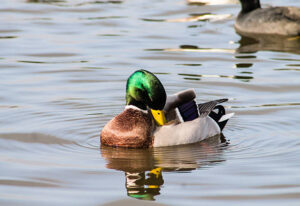
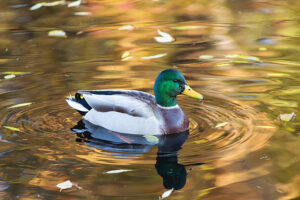
Mallards, on the other hand, are a wild breed that plays a significant role in the ecology of DVH. These ducks are often found in wetlands and can act as carriers of the virus, contributing to its spread among both wild and domestic populations. The presence of Mallards in proximity to farmed ducks increases the likelihood of virus transmission, especially in areas with high duck density, such as commercial farms and recreational areas.
Khaki Campbell ducks, known for their excellent egg-laying capabilities, are also at risk, particularly when exposed to DVH Type 3. Although generally more resilient than Pekin ducks, Khaki Campbells can still experience significant health issues when infected, leading to prolonged illness and potential long-term effects on productivity. Their susceptibility can be exacerbated by stress factors such as changes in environment or diet, making them a concern for duck keepers.
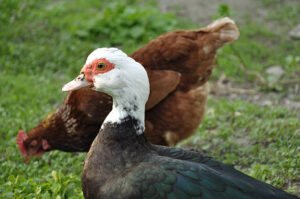
Moreover, Muscovy ducks have a lower rate of infection but are not immune to DVH. This breed is often raised in backyard settings and can serve as a reservoir for the virus, especially in mixed flocks with other duck breeds. Their unique physiology and lesser commercial focus may contribute to their lower recognition as a high-risk group, yet their presence can still impact the overall health dynamics of a flock.
Green-winged Teals are another wild breed that can harbor the virus, particularly in migratory patterns that intersect with domestic duck populations. Their ability to travel long distances increases the risk of spreading DVH, making them an important consideration for biosecurity protocols in duck farming.
Emu ducks, a less familiar breed, can also contract DVH, especially if they are in close proximity to infected birds. Although not typically raised in large numbers, their potential for disease transmission should not be overlooked, particularly in areas where multiple duck species coexist.
In conclusion, various duck breeds, including Pekin, Mallard, Khaki Campbell, Muscovy, Green-winged Teal, and Emu ducks, are at different levels of risk for DVH. Understanding these breed-specific vulnerabilities is essential for developing targeted prevention strategies and enhancing overall flock health management. 🦆
Affects of Duck Viral Hepatitis (DVH) by Lifestage
The impact of Duck Viral Hepatitis (DVH) varies significantly across different life stages of ducks, with the most severe consequences typically observed in young ducks. Neonatal ducks, those under two weeks of age, are particularly vulnerable to DVH Type 1, which can lead to acute liver failure and rapid mortality. This heightened susceptibility is attributed to their immature immune systems, which are unable to mount an effective response to the virus. In this age group, symptoms of DVH often manifest within the first few days of life, and the disease can progress so quickly that mortality rates in affected flocks may exceed 90%. The sudden death of ducklings can severely impact commercial duck operations, leading to significant economic losses due to decreased productivity and increased mortality.
Juveniles, typically between two and eight weeks of age, also face considerable risks from DVH, although the severity can vary. While mortality rates in this group are generally lower than those observed in neonates, they still require close monitoring. Juveniles may exhibit symptoms such as jaundice, ataxia, and anorexia, which can lead to stunted growth and developmental issues if not managed promptly. The health of these young ducks is crucial, as their ability to thrive and develop into productive layers or meat birds is directly influenced by their early life experiences. Additionally, the presence of DVH in this stage can result in prolonged recovery periods and potential long-term health complications, further emphasizing the need for effective management practices.
In contrast, adult ducks are less susceptible to DVH, with most experiencing milder symptoms or even asymptomatic infections. This decreased vulnerability is primarily due to their more developed immune systems, which can better manage the virus. However, it is essential to recognize that adult ducks can still serve as carriers of the virus, potentially contributing to the spread within flocks and to other susceptible birds. Moreover, certain factors such as stress, changes in diet, or concurrent infections can lower an adult duck’s resistance, making them more prone to disease. This is particularly relevant in commercial settings where a variety of stressors can impact the overall health of the flock.
Overall, the effects of DVH on ducks at different lifestages underscore the importance of age-specific management strategies. The neonatal period presents the highest risk, necessitating immediate and vigilant care to mitigate disease progression and improve survival rates. Juveniles require continued monitoring to ensure their health and development, while adult ducks, although less vulnerable, still need to be managed carefully to prevent the spread of the virus within the flock. Understanding these age-related dynamics is essential for implementing targeted interventions and ensuring the overall health and productivity of duck populations in both commercial and backyard settings. 🦆
Diagnosis of Duck Viral Hepatitis (DVH)
Diagnosing Duck Viral Hepatitis (DVH) typically involves a combination of clinical evaluation and laboratory testing to accurately assess the presence and type of the virus affecting the duck population. Clinical observations are the first step in diagnosis, as veterinarians evaluate symptoms such as jaundice, anorexia, and ataxia that are characteristic of DVH. However, these signs can be similar to those of other diseases, necessitating further investigation to confirm the diagnosis.
Laboratory methods play a crucial role in the detection and differentiation of DVH types. One of the most effective techniques is polymerase chain reaction (PCR) testing, which allows for the identification of viral genetic material in tissue samples or clinical specimens. This method is particularly useful for confirming the presence of DHV-1, DHV-2, or DHV-3 in affected birds and can help determine the specific type of virus involved. Histopathological examination of liver tissues is another vital diagnostic tool; it enables the identification of characteristic liver lesions, such as necrosis and inflammation, which are indicative of DVH.
Additionally, serological tests can be employed to detect antibodies against the virus in the blood of infected ducks, providing insights into the immune response and potential exposure history. Virus isolation through cell culture can also be used to confirm the presence of the pathogen, although this method is less commonly employed due to its complexity and time constraints.
Challenges in diagnosing DVH include the rapid progression of the disease, particularly in young ducks, which can lead to sudden death before clinical signs are evident. Furthermore, the similarity of DVH symptoms to those of other diseases, such as clostridial infections or aflatoxicosis, can complicate the diagnostic process. The need for rapid and accurate diagnosis is paramount, as early detection can significantly improve the chances of successful treatment and prevent the spread of the disease within flocks. Therefore, a comprehensive approach combining clinical signs and laboratory methods is essential for effective management and control of DVH. 🦆
Treatment of Duck Viral Hepatitis (DVH)
Treatment for Duck Viral Hepatitis (DVH) is primarily supportive rather than curative, as there are no specific antiviral drugs available for this disease. The primary focus of management is on alleviating symptoms and providing a supportive environment to enhance the duck’s recovery. Typically, affected ducks exhibit severe clinical signs such as anorexia, dehydration, and jaundice, necessitating immediate intervention.
Supportive care measures include the administration of fluids to combat dehydration, electrolytes to restore balance, and vitamins to support overall health. This can involve oral or intravenous administration, depending on the severity of the condition. Additionally, maintaining a clean and stress-free environment is crucial, as stress can exacerbate the disease and hinder recovery. Ducks should be isolated to prevent the spread of the virus and to reduce the risk of secondary infections.
Quarantine protocols are essential for managing DVH outbreaks. Infected ducks should be separated from healthy flocks to prevent transmission. It is important to monitor the health status of the remaining flock closely, as early detection of symptoms can lead to more effective management. In some cases, post-mortem examinations can provide valuable insights into the disease’s prevalence and help guide treatment strategies for the rest of the flock.
Preventive measures, such as vaccination, are more effective in managing DVH than cure-based treatments. Vaccines are available for certain types of DVH, particularly DHV-1, and can significantly reduce the incidence of the disease in commercial settings. Implementing a vaccination program tailored to the specific type of DVH prevalent in a given area can enhance the overall health of the flock and decrease the likelihood of future outbreaks. In conclusion, while the treatment of DVH may not be curative, a combination of supportive care and effective quarantine strategies can significantly improve outcomes for affected ducks and promote overall flock health. 🦆
Prognosis and Complications of Duck Viral Hepatitis (DVH)
The prognosis for Duck Viral Hepatitis (DVH) is intricately linked to the age of the affected ducks and the specific type of virus involved. For neonatal ducks, particularly those under two weeks of age, the prognosis can be dire. Infections caused by DVH Type 1 often result in high mortality rates, with some studies indicating that over 90% of infected ducklings may not survive. This severe outcome is attributed to the rapid progression of the disease and the ducks’ underdeveloped immune systems, which are ill-equipped to combat the virus effectively. In these cases, complications such as acute liver failure, secondary infections, and systemic inflammation can quickly overwhelm the young ducks, leading to a steep decline in their health.
In contrast, the prognosis for juvenile ducks, typically aged between two and eight weeks, may be slightly more favorable. While they face a heightened risk of exposure and infection, their immune systems are more mature than those of neonatal ducks. However, the mortality rate remains concerning, with some estimates suggesting that around 70-80% of juveniles may succumb to the disease if not managed promptly. The potential complications in this age group include chronic liver damage, which can affect their growth and overall health, as well as a longer recovery period that may hinder their productivity in commercial settings.
For adult ducks, the prognosis is generally more optimistic. Although they can still contract DVH, the mortality rate significantly decreases, with many adult ducks exhibiting mild symptoms or even asymptomatic infections. This is primarily due to their well-developed immune systems, which can often manage the viral load without severe consequences. Nevertheless, complications can arise if the virus persists, leading to long-term health issues such as liver dysfunction or reduced egg production, which can negatively impact the flock’s overall productivity.
In terms of zoonotic risk, the implications of DVH are not to be overlooked. The potential for zoonotic transmission from ducks to humans, particularly in cases of DHV-1, poses a risk to farm workers and veterinary staff. The disease can cause similar clinical signs in humans, including jaundice and liver enlargement, leading to health concerns for those in close proximity to infected birds. This underscores the importance of implementing strict biosecurity measures to prevent the spread of the virus and protect both animal and human health.
Overall, the prognosis of DVH varies significantly across different age groups of ducks, with the potential for severe complications and zoonotic risks emphasizing the need for effective management strategies in both commercial and backyard settings. 🦆
Prevention and Management of Duck Viral Hepatitis (DVH)
Preventing and managing Duck Viral Hepatitis (DVH) involves implementing a multi-faceted approach that incorporates biosecurity measures, vaccination strategies, and general duck farming practices tailored to minimize the risk of infection and transmission. One of the most crucial aspects of biosecurity is the establishment of strict quarantine protocols for new ducks or birds from external sources. Before introducing new stock, it is essential to isolate them for a minimum of two weeks to monitor for any signs of illness or disease. This period allows for the observation of clinical symptoms and reduces the chance of introducing the DVH virus into the existing flock, particularly from potentially infected carriers.
In addition to quarantine, maintaining a clean and hygienic environment is paramount in preventing the spread of DVH. Regular cleaning and disinfection of duck housing, feeding areas, and water sources can significantly reduce the viral load in the surroundings. Contaminated surfaces, especially those that come into contact with ducks, should be disinfected frequently using products effective against adenoviruses and parvoviruses. Furthermore, avoiding overcrowding within the flock is vital, as high population densities can increase the likelihood of direct transmission between birds, especially for the highly contagious DVH Type 1.
Vaccination plays a pivotal role in the prevention strategy, particularly for breeds at high risk of DVH. Commercial duck farms should consider implementing a vaccination program using available vaccines for DVH Type 1, which has been shown to provide significant protection against the most severe form of the disease. Vaccination protocols should be tailored to the specific needs of the flock, taking into account the age and health status of the ducks. Regular booster shots and monitoring for vaccine response can enhance the overall effectiveness of the vaccination strategy, ensuring that the flock remains protected against the virus.
Moreover, integrating good overall farming practices can further enhance the resilience of ducks against DVH. This includes providing a well-balanced diet rich in essential nutrients to support immune function and overall health. The use of high-quality feed and clean water is essential to prevent additional stressors that can compromise the ducks’ immune systems. Regular veterinary check-ups and health monitoring of the flock are also critical for early detection of symptoms and timely intervention if an outbreak occurs.
Lastly, education and awareness among duck farmers regarding the importance of biosecurity and preventive measures can significantly impact the management of DVH. Workshops or training sessions on best practices for disease prevention can empower farmers to implement effective strategies and reduce the risk of DVH in their flocks. By combining these various preventive measures, duck farmers can create a robust defense against Duck Viral Hepatitis, safeguarding the health of their flock and ensuring the sustainability of their operations. 🦆
Dietary and Nutritional Needs for Ducks with Duck Viral Hepatitis (DVH)
Diet and nutrition play a crucial role in the health and recovery of ducks affected by Duck Viral Hepatitis (DVH). A well-balanced diet can support immune function and overall health, potentially improving the prognosis for infected ducks. Ducks with DVH require specific nutrients to bolster their immune systems and promote liver health, as the disease often leads to hepatic complications. A diet rich in high-quality proteins, essential vitamins, and minerals is vital for recovery and maintaining optimal health.
High-quality proteins are essential for tissue repair and immune response, especially during recovery from illness. Including sources like fish meal, soybean meal, and other legumes in their diet can help meet these protein requirements. Additionally, incorporating amino acids such as lysine and methionine can enhance the ducks’ ability to fight off infections and promote healing.
Vitamins, particularly those from the B-complex family, play a significant role in liver function and metabolism. Adding sources of B-complex vitamins, along with vitamin E, can support the ducks’ liver health and reduce oxidative stress, potentially aiding in the recovery process. Vitamin A is also important for maintaining the health of mucosal membranes, which can be compromised during illness.
Minerals such as zinc, selenium, and copper are essential for immune function and liver health. Including these in the diet can help address any deficiencies that may arise during illness. Feeding ducks a diet fortified with these minerals ensures they receive adequate support for their immune systems.
In addition to a balanced diet, some nutritional supplements can be beneficial for ducks with DVH. Probiotics can enhance gut health and improve the absorption of nutrients, which is critical for overall recovery. Prebiotics, on the other hand, can promote the growth of beneficial bacteria in the digestive system, further supporting immune function.
Moreover, incorporating herbs and natural remedies known for their health benefits, such as garlic or turmeric, can provide additional immune support. These ingredients possess antimicrobial properties and can aid in the recovery process. However, it is essential to consult with a veterinarian before introducing any supplements or herbal remedies to ensure they are safe and effective for the specific health needs of the ducks.
By prioritizing the dietary and nutritional needs of ducks affected by DVH, keepers can significantly improve the health outcomes and recovery prospects for their flocks. 🦆
Zoonotic Risk and Human Impact of Duck Viral Hepatitis (DVH)
Duck Viral Hepatitis (DVH) poses a zoonotic risk, particularly with specific types that may have the potential to infect humans. The primary types of concern are DVH Type 1 and DVH Type 2, which have been implicated in outbreaks that affect both ducks and humans. Infections in humans typically occur through close contact with infected birds or their environment, especially in agricultural settings where individuals work closely with ducks or in areas where wild ducks harbor the virus. While rare, these zoonotic transmissions can lead to serious health complications for humans, resulting in symptoms that include jaundice, fatigue, and, in severe cases, liver failure.
Symptoms in humans can vary widely, but they often mimic those observed in affected ducks, including jaundice, which is a yellowing of the skin and whites of the eyes, and elevated liver enzymes. The risk is particularly pronounced among farm workers, veterinarians, and individuals who handle ducks, especially in cases where the virus is present in high concentrations. Close contact with contaminated surfaces, bird droppings, or saliva can increase the likelihood of transmission. It is important to note that individuals with compromised immune systems or pre-existing liver conditions may face greater risks and more severe outcomes when infected.
The impact on public health and agricultural communities can be significant. In regions where DVH is prevalent, outbreaks can lead to increased healthcare costs and a burden on local medical resources. Furthermore, the economic repercussions can be detrimental not only to the poultry industry but also to surrounding communities that rely on duck farming for their livelihood. The potential for zoonotic disease transmission necessitates proactive measures to prevent and manage DVH in both domestic and wild bird populations.
To mitigate risks associated with DVH, it is crucial to implement preventive strategies such as practicing good hygiene when handling ducks, wearing protective gear in high-risk environments, and ensuring proper biosecurity measures on farms. Education and awareness campaigns can also play a vital role in informing the public and those working in agriculture about the zoonotic potential of DVH and the importance of early detection and management of outbreaks. By addressing these zoonotic risks and enhancing preventive measures, communities can better protect both human and avian health. 🦆
Conclusion of Duck Viral Hepatitis (DVH) Guide
In summary, Duck Viral Hepatitis (DVH) is a significant disease that affects duck populations, posing serious risks to both individual birds and the broader poultry industry. Understanding the causes, symptoms, and types of DVH is crucial for effective management, as different types of the virus can lead to varying degrees of severity in infected ducks. Early detection is essential for mitigating the impact of DVH, which can be particularly acute in young ducks. Implementing robust biosecurity measures, such as quarantine protocols and proper sanitation, plays a vital role in preventing the spread of this contagious disease.
Vaccination is a cornerstone of prevention, especially for DVH Type 1, which is the most severe and can lead to high mortality rates in ducklings. Ensuring that vaccination programs are tailored to the specific needs of the flock can significantly enhance the ducks’ immunity against the virus. Additionally, providing a nutrient-rich diet supports overall health and may improve recovery outcomes for affected individuals. The zoonotic potential of DVH necessitates awareness and vigilance among those who work closely with ducks, emphasizing the importance of protective practices to minimize the risk of transmission to humans.
The importance of this guide lies not only in its comprehensive overview of DVH but also in its practical applications for disease management and prevention. Stakeholders in the poultry industry, including farmers, veterinarians, and public health officials, must collaborate to ensure the health of duck populations. Emphasizing the significance of early detection, proper vaccination, and effective management strategies can lead to healthier flocks and improved productivity. Furthermore, fostering a culture of education and awareness around DVH can empower communities to take proactive steps in preventing outbreaks, ultimately safeguarding the health of both avian and human populations. Through collective effort and informed practices, we can better combat the challenges posed by DVH and ensure a sustainable future for duck farming. 🦆
Additional Resources and References
To further support the information presented in this comprehensive guide on Duck Viral Hepatitis (DVH), a range of reputable and accessible online resources can provide valuable insights into disease management, prevention strategies, and the latest research findings. The World Organization for Animal Health (WOAH) offers detailed guidelines on the diagnosis and control of viral diseases affecting poultry, including DVH. Their website provides comprehensive information on the various types of DVH, their clinical manifestations, and recommended management practices that can be accessed at https://www.oie.int.
The Centers for Disease Control and Prevention (CDC) also provides resources on zoonotic diseases, which can be invaluable for understanding the potential risks associated with DVH for both animals and humans. Their website features guidelines for preventing zoonotic transmissions, which can be found at https://www.cdc.gov. Additionally, the Food and Agriculture Organization of the United Nations (FAO) offers insights into animal health and disease prevention strategies tailored for the poultry sector, especially for smallholder farmers. Their resources can be explored at https://www.fao.org.
For those interested in the latest scientific research and developments related to DVH, the National Library of Medicine (PubMed) is an excellent resource for accessing peer-reviewed studies and articles. By searching for “Duck Viral Hepatitis,” users can find a wealth of information on the pathogenesis, vaccine development, and treatment strategies for this disease. The PubMed database is accessible at https://pubmed.ncbi.nlm.nih.gov.
Furthermore, agricultural extension services from universities and state governments often provide localized advice on disease management in poultry, including DVH. These resources can be particularly useful for ducks raised in specific regions or environments. To find local agricultural extension offices, readers can visit their state’s department of agriculture or university extension website for tailored guidance.
Lastly, online forums and poultry breeding communities can serve as platforms for sharing experiences, managing DVH outbreaks, and learning from fellow duck keepers. Engaging with these communities can provide practical advice and insights that complement the scientific information available in formal resources. By utilizing these diverse sources, individuals can enhance their understanding of DVH and implement effective strategies for its management and prevention in duck populations.
#DuckHealth, #DVHVaccine, #DVHBreeds, #DuckViralHepatitis, #DuckFarming, #AnimalHealth, #ZoonoticDiseases, #DVHSymptoms, #DuckCare, #BirdDiseasePrevention, #DVHManagement, #DuckHealthcare, #DuckVaccination, #DVHTreatment, #DuckProtection, #DuckBreeding, #BirdHealth, #DVHOutbreaks, #FarmAnimalHealth 🦆

Add comment