
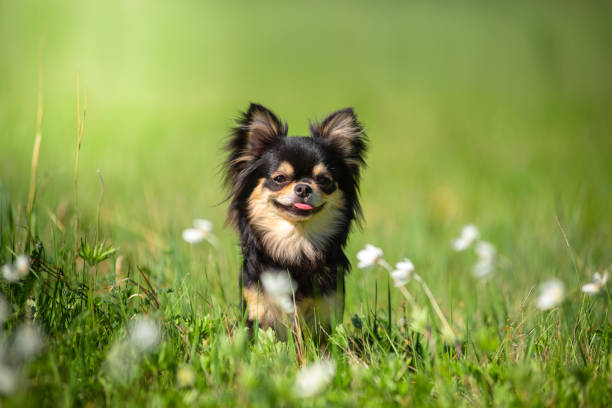
Bringing a new puppy into your home is an exciting time, filled with boundless energy and adorable antics. While you’re busy with potty training and obedience classes, it’s crucial not to overlook their fundamental health needs, including ear cleaning and dental care. Establishing good habits early on will set your puppy up for a lifetime of healthy ears and sparkling teeth, preventing potential pain, infections, and more serious health issues down the line.
This guide will walk you through the essential aspects of puppy ear cleaning and dental care, providing you with the knowledge and confidence to keep your furry friend happy and healthy.
Part 1: Puppy Ear Cleaning
Healthy ears are vital for a puppy’s overall well-being. They are not only essential for hearing but also play a role in balance and communication. Regular cleaning helps prevent infections, removes excess wax and debris, and allows you to inspect for any early signs of problems.
1. Understanding Puppy Ears:
- Anatomy: Puppies have ear canals that are L-shaped, with a vertical and a horizontal portion. This shape can trap moisture, debris, and hair, making them prone to issues.
- Breeds and Predispositions: Some breeds, particularly those with floppy ears (e.g., Cocker Spaniels, Basset Hounds) or excessive ear hair (e.g., Poodles, Schnauzers), are more prone to ear infections due to poor air circulation.
- Signs of Ear Problems: Be vigilant for any changes in your puppy’s ears. Symptoms of an ear infection or irritation can include:
- Excessive scratching or pawing at the ears.
- Shaking their head frequently.
- Redness, swelling, or discharge within the ear canal.
- Unpleasant odor emanating from the ears.
- Pain or sensitivity when touched.
- Changes in behavior, such as lethargy or irritability.
2. When to Start Ear Cleaning:
It’s ideal to start introducing your puppy to ear cleaning as soon as you bring them home. This allows them to get accustomed to the process gradually and associate it with positive experiences. Aim for once a week as a general guideline for most puppies. However, your veterinarian may recommend a different frequency based on your puppy’s breed, lifestyle, and any predispositions.
3. Essential Supplies for Ear Cleaning:
- Veterinary-Approved Ear Cleaner: Crucially, do not use hydrogen peroxide, rubbing alcohol, water, or human ear drops. These can irritate the delicate ear canal. Opt for a pH-balanced, veterinary-recommended ear cleaner specifically designed for dogs. Your vet can recommend the best product for your puppy.
- Cotton Balls or Gauze Pads: These are suitable for wiping the outer ear. Avoid using cotton swabs (Q-tips) inside the ear canal, as they can push debris further in and potentially damage the eardrum.
- Treats: High-value treats are essential for positive reinforcement.
- A Calm Environment: Choose a quiet, comfortable space where your puppy feels secure.
4. The Step-by-Step Ear Cleaning Process:
A. Preparation is Key:
- Positive Association: Before you even attempt to clean, get your puppy used to you touching their ears. Gently lift their ear flaps, massage the base of their ear, and offer treats. Do this regularly, even when not cleaning, to build positive associations.
- Gather Supplies: Have everything ready before you start.
- Choose the Right Time: Pick a moment when your puppy is relaxed and calm, perhaps after a play session or nap.
B. Cleaning the Outer Ear:
- Gently Lift the Ear Flap: Carefully pull the ear flap upwards and outwards to expose the ear canal opening.
- Wipe Away Visible Debris: Using a cotton ball or gauze pad moistened with warm water (not the ear cleaner itself yet, unless the instructions specify), gently wipe away any visible dirt, wax, or discharge from the outer part of the ear canal and the inside of the ear flap. Be gentle and avoid going deep.
C. Administering the Ear Cleaner:
- Read the Cleaner’s Instructions: Each product will have specific instructions.
- Gently Insert the Nozzle: Carefully insert the tip of the ear cleaner bottle into the ear canal. Do not force it.
- Fill the Ear Canal: Squeeze the bottle to fill the ear canal with the cleaning solution. You should see the fluid go in.
- Massage the Base of the Ear: With the ear flap still lifted, gently massage the base of the ear for about 20-30 seconds. You’ll likely hear a squishing sound as the fluid moves around inside. This helps loosen debris and wax.
- Allow Your Puppy to Shake: Release the ear flap and step back a little. Your puppy will instinctively want to shake their head. This is good! It helps to dislodge the loosened debris and excess cleaner. Be prepared for a bit of spray!
- Wipe Away Excess: Use a fresh cotton ball or gauze pad to wipe away any remaining cleaner and loosened debris from the outer ear canal and ear flap. Again, do not use cotton swabs inside the canal.
D. Rewards and Reinforcement:
- Praise and Treats: Lavish your puppy with praise and offer plenty of tasty treats throughout and after the cleaning process. This helps them associate ear cleaning with positive experiences.
5. When to Seek Veterinary Advice:
- Persistent Itching or Head Shaking: If your puppy continues to scratch or shake their head after cleaning.
- Bad Odor: A strong, foul smell from the ears is a definite sign of infection.
- Discharge: Any colored, thick, or excessive discharge.
- Redness or Swelling: Obvious inflammation in or around the ear.
- Pain: If your puppy cries out or recoils when you touch their ears.
- Changes in Hearing: If you suspect your puppy is not hearing as well.
- If You’re Unsure: It’s always better to consult your veterinarian if you have any doubts or concerns.
Part 2: Puppy Dental Care Basics
Dental health is an often-overlooked aspect of puppy care, but it’s crucial for their overall health and well-being. Proper dental hygiene from an early age can prevent painful dental diseases, tooth loss, and even systemic health problems linked to poor oral health.
1. Understanding Puppy Teeth:
- Deciduous Teeth (Baby Teeth): Puppies are born without teeth, but their first set, called deciduous or “baby” teeth, start to erupt around 2-4 weeks of age. They will have a full set of 28 deciduous teeth by around 6-8 weeks.
- Permanent Teeth: Around 3-4 months of age, the deciduous teeth will begin to loosen and fall out, making way for their permanent teeth. Puppies will have a full set of 42 permanent teeth by about 6-7 months.
- Common Puppy Dental Issues:
- Retained Deciduous Teeth: Sometimes, baby teeth don’t fall out, leading to overcrowding and potential misalignment of permanent teeth.
- Gingivitis: Inflammation of the gums, often an early sign of dental disease.
- Plaque and Tartar Buildup: Bacteria in the mouth form plaque, which hardens into tartar, leading to gum disease and tooth decay.
2. When to Start Dental Care:
The best time to start dental care is as soon as you bring your puppy home. Even if they only have baby teeth, you can begin getting them accustomed to having their mouth and teeth handled.
3. Essential Supplies for Puppy Dental Care:
- Puppy Toothbrush: Choose a toothbrush specifically designed for puppies. These often have soft bristles and a smaller head to fit comfortably in their mouth. Finger brushes are also a great starting point for very young puppies.
- Veterinary-Approved Enzymatic Toothpaste: Never use human toothpaste. Human toothpaste often contains fluoride and xylitol, which are toxic to dogs. Veterinary enzymatic toothpaste is formulated to be safe and effective, often containing enzymes that help break down plaque-causing bacteria. Many come in appealing flavors like chicken or beef.
- Dental Chews and Toys (as recommended by your vet): While brushing is the gold standard, certain dental chews and toys can help reduce plaque accumulation. Choose products approved by the Veterinary Oral Health Council (VOHC).
- Treats: For positive reinforcement.
4. The Step-by-Step Dental Care Process:
A. Acclimation (Getting Your Puppy Used to Mouth Handling):
- Start Slowly: Begin by gently touching your puppy’s muzzle and lips for a few seconds, then reward them with a treat and praise.
- Lift the Lips: Gradually progress to gently lifting their lips to expose their teeth and gums, continuing to offer rewards.
- Introduce Toothpaste: Once they are comfortable with you touching their mouth, put a small amount of doggy toothpaste on your finger and let them lick it off. This allows them to experience the taste.
B. Introducing the Toothbrush:
- Familiarize with the Brush: Let your puppy sniff and lick the toothbrush. You can even put a little toothpaste on it for them to lick off.
- Gentle Brushing: Once they are comfortable, gently place the toothbrush against a few teeth and gums and move it back and forth for a few seconds. Focus on areas that are easier to reach, like the outer surfaces of the back teeth.
- Gradual Increase: Over several days or weeks, gradually increase the amount of time you spend brushing and the number of teeth you clean. Aim for brushing the outer surfaces of all teeth.
C. The Brushing Technique:
- Secure Your Puppy: Have your puppy sit or lie down in a comfortable position.
- Lift the Lips: Gently lift your puppy’s lips to expose their teeth and gums.
- Angle the Brush: Hold the toothbrush at a 45-degree angle to the gum line.
- Gentle Strokes: Use short, gentle back-and-forth strokes, focusing on cleaning both the teeth and the gum line.
- Focus on Outer Surfaces: While it’s ideal to brush all surfaces, focus primarily on the outer surfaces of the teeth, as these tend to accumulate more plaque.
- Don’t Forget the Gums: Gently brush the gums as well, as this can stimulate circulation and help prevent gingivitis.
- Be Patient: If your puppy becomes restless, take a break and try again later. It’s better to have short, positive brushing sessions than a long, stressful one.
D. Frequency:
The goal is to brush your puppy’s teeth daily. If daily brushing is not achievable, aim for at least 3-4 times per week. Consistency is key to effective plaque prevention.
E. Dental Chews and Toys:
- Supplement, Not Replace: Dental chews and toys can be a helpful addition to a brushing routine, but they are not a substitute for regular brushing.
- Choose Wisely: Select VOHC-approved products. Avoid overly hard chews that could fracture teeth, and always supervise your puppy when they are using dental chews or toys.
- Appropriate Age: Ensure any dental chews are appropriate for your puppy’s age and chewing habits.
4. When to Seek Veterinary Advice:
- Bad Breath (Halitosis): Persistent bad breath is a strong indicator of dental issues.
- Red, Swollen, or Bleeding Gums: These are signs of gingivitis or more advanced gum disease.
- Yellow or Brown Buildup on Teeth: This is tartar, which requires professional cleaning.
- Difficulty Eating or Chewing: If your puppy seems to be in pain when eating or is dropping food.
- Loose or Broken Teeth: Any visible damage or wobbling of teeth.
- Retained Deciduous Teeth: If you notice any baby teeth still present when permanent teeth are erupting.
- Regular Dental Check-ups: Your veterinarian will examine your puppy’s teeth and gums during their regular wellness visits and can provide professional dental cleanings if necessary.
Conclusion: Building Lifelong Habits
Introducing ear cleaning and dental care to your puppy from a young age is an investment in their long-term health and happiness. By making these practices a consistent and positive part of their routine, you’ll not only prevent potential problems but also strengthen the bond between you and your furry companion.
Remember to always be patient, positive, and consult your veterinarian if you have any concerns. With a little dedication, you can ensure your puppy enjoys a lifetime of healthy ears and a bright, healthy smile!







Add comment