
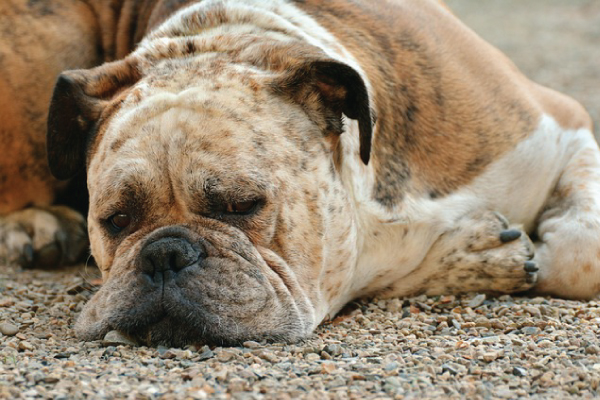
Ear infections are a common ailment in dogs, and while often treatable, some cases can lead to more complex and persistent issues. One such complication is the development of ear cysts, specifically cholesteatomas. These are non-cancerous growths that can cause significant discomfort and damage to the ear canal and middle ear if left unaddressed. This guide aims to provide an in-depth understanding of cholesteatomas in dogs, from their causes and symptoms to their diagnosis, treatment, and long-term management.
What are Ear Cysts (Cholesteatoma) in Dogs?
Cholesteatomas are abnormal skin growths that occur within the middle ear or mastoid bone of dogs. They are essentially collections of skin cells and keratin (a protein found in skin, hair, and nails) that slough off and accumulate. Instead of being expelled from the body, these cells get trapped and form a sac-like structure. This sac can then grow, eroding surrounding bone and soft tissues, including the delicate structures of the middle and inner ear. Despite the name “tumor” sometimes being used, cholesteatomas are not cancerous and do not spread to other parts of the body, but their destructive nature makes them a serious concern.
Causes of Ear Cysts (Cholesteatoma) in Dogs
The precise cause of cholesteatoma formation in dogs is not always clear-cut, but it is overwhelmingly associated with chronic or recurrent ear infections (otitis externa and media). Several factors contribute to their development:
- Chronic Middle Ear Inflammation (Otitis Media): This is considered the primary driver. When the middle ear becomes chronically inflamed, the normal mechanisms for clearing debris and secretions are disrupted. The lining of the middle ear (mucosa) can undergo changes, leading to squamous metaplasia, where normal secretory cells are replaced by skin-like cells. These skin-like cells then produce keratin, which accumulates.
- Eustachian Tube Dysfunction: The Eustachian tube connects the middle ear to the back of the throat and is crucial for equalizing pressure and draining fluid. If this tube becomes blocked or dysfunctional due to inflammation, swelling, or congenital abnormalities, it can trap secretions and debris in the middle ear, creating an environment conducive to cholesteatoma formation.
- Congenital Abnormalities: In some rare cases, dogs may be born with a predisposition to developing cholesteatomas due to anatomical defects in the ear canal or middle ear structures. This is more common in certain breeds.
- Trauma to the Ear: While less common, significant trauma to the ear canal or middle ear could potentially lead to changes in the tissue lining, creating a nidus for cholesteatoma development.
- Previous Ear Surgery: In some instances, if the ear canal is surgically removed or altered (e.g., via lateral ear canal resection), there’s a theoretical risk of skin being displaced into areas where it can form a cholesteatoma.
- Improper Treatment of Ear Infections: Inadequately treated or recurring ear infections can create a persistent inflammatory environment that sets the stage for cholesteatoma development.
It’s important to understand that cholesteatomas are often secondary complications. The underlying issue is usually a chronic or severe ear infection that has compromised the middle ear.
Signs and Symptoms of Ear Cysts (Cholesteatoma) in Dogs
The signs of cholesteatoma in dogs can be subtle at first, often mimicking those of a chronic ear infection. As the cholesteatoma grows and causes damage, the symptoms become more pronounced and specific.
Early Signs (often mistaken for chronic ear infection):
- Head Shaking: Persistent and often vigorous head shaking.
- Scratching at the Ear: Intense itching and discomfort leading to obsessive scratching.
- Ear Odor: A foul or pungent smell emanating from the affected ear.
- Ear Discharge: Greasy, waxy, or pus-like discharge from the ear canal. The color can vary from yellow to brown to bloody.
- Ear Redness and Swelling: Inflammation of the ear canal and surrounding areas.
- Pain: The dog may yelp or react painfully when the ear is touched.
Advanced Signs (indicating cholesteatoma involvement and potential complications):
- Dullness or Muted Vocalization: If the cholesteatoma affects the middle ear structures involved in hearing, the dog may appear less responsive to sounds or their vocalizations may sound muffled.
- Hearing Loss: Progressive or significant hearing loss in the affected ear.
- Vestibular Signs: If the cholesteatoma erodes into the inner ear, it can affect balance. This may manifest as:
- Head Tilt: The dog consistently tilts its head to one side.
- Loss of Balance: Stumbling, difficulty walking, or circling.
- Nystagmus: Involuntary rapid eye movements (often side-to-side or up-and-down).
- Vomiting or Nausea: Due to dizziness and disorientation.
- Facial Nerve Weakness: Rarely, the cholesteatoma can compress or damage the facial nerve, leading to drooping of the ear or eyelid on the affected side, or difficulty eating or drinking.
- Visible Mass in the Ear Canal: In some cases, an examiner might see a whitish or yellowish mass deeper within the ear canal.
- Neurological Signs: In very severe and advanced cases, if intracranial complications arise (though rare), more severe neurological signs like seizures could occur.
It is crucial to note that the presentation can vary greatly depending on the size, location, and extent of the cholesteatoma.
Diagnosis of Ear Cysts (Cholesteatoma) in Dogs
Diagnosing a cholesteatoma requires a thorough veterinary examination and often advanced diagnostic imaging.
- Complete Physical and Otoscopic Examination:
- The veterinarian will start with a physical exam, observing the dog’s overall condition and checking for external signs of ear disease.
- Otoscopy is the primary tool for visualizing the ear canal and tympanic membrane (eardrum). A special instrument called an otoscope allows the vet to look deep into the ear canal. They will look for masses, inflammation, discharge, and the integrity of the eardrum. In cases of cholesteatoma, the vet may observe a mass obstructing the view or signs of severe middle ear disease.
- Cytology and Culture:
- Samples of ear debris and discharge are collected and examined under a microscope (cytology) to identify bacteria, yeast, inflammatory cells, and other cellular material.
- A bacterial culture and sensitivity test may be performed to identify specific bacteria and determine which antibiotics will be most effective.
- Diagnostic Imaging (Crucial for Cholesteatoma):
- X-rays (Radiographs): While X-rays can show changes in the bones around the ear, they are often not detailed enough to definitively diagnose a cholesteatoma. They can reveal signs of chronic middle ear disease, such as bone lysis (destruction) or fluid accumulation.
- Computed Tomography (CT) Scan: This is the gold standard for diagnosing cholesteatomas in dogs. A CT scan provides detailed cross-sectional images of the ear canal, middle ear, and surrounding bones. It allows the veterinarian to:
- Visualize the size, shape, and exact location of the cholesteatoma.
- Assess the extent of bone erosion.
- Determine if the inner ear structures are affected.
- Identify other concurrent ear problems.
- Magnetic Resonance Imaging (MRI): MRI may be used in conjunction with or sometimes instead of CT, especially if there is concern about involvement of the brain or other soft tissues.
- Myringotomy and Middle Ear Fluid Analysis:
- If the tympanic membrane is intact but suspected of having disease behind it, a myringotomy (a small incision in the eardrum) might be performed under anesthesia to collect fluid samples from the middle ear for analysis. This can help confirm infection or the presence of abnormal cells.
- Biopsy (Less Common for Diagnosis, More for Confirmation/Exclusion):
- In some cases, a tissue sample might be taken during surgery for histopathological examination to confirm the diagnosis and rule out other types of growths. However, imaging is typically sufficient for diagnosis.
Treatment of Ear Cysts (Cholesteatoma) in Dogs
The treatment of cholesteatomas in dogs is primarily surgical, as these growths rarely resolve on their own and require complete removal to prevent recurrence and further damage. The specific surgical approach depends on the size, location, and extent of the cholesteatoma, as well as the overall health of the ear.
- Medical Management (Often Pre- and Post-Surgery):
- Antibiotics: Oral or injectable antibiotics are typically prescribed to treat any underlying or concurrent infection in the ear canal and middle ear. The choice of antibiotic is guided by culture and sensitivity results.
- Anti-inflammatory Medications: Steroids (oral or injectable) or non-steroidal anti-inflammatory drugs (NSAIDs) may be used to reduce inflammation and pain, especially before surgery.
- Topical Ear Cleaners and Medications: Medicated ear drops containing antibiotics, antifungals, and anti-inflammatory agents are used to clean the ear canal and manage infection.
- Surgical Intervention:
- Lateral Ear Canal Resection (LECR): This procedure involves surgically opening and widening the vertical ear canal. It provides better visualization and access for cleaning and topical treatments, and can sometimes be sufficient for very small, early cholesteatomas that are primarily within the ear canal itself. However, it does not directly address the middle ear.
- Vertical Ear Canal Ablation (VECA): This is a more extensive surgery that involves removing the entire vertical ear canal. It offers better access to the horizontal canal and can be a precursor to or part of a total ear canal ablation.
- Total Ear Canal Ablation (TECA) with Bulla Osteotomy: This is the most common and definitive surgical treatment for cholesteatomas that have invaded the middle ear. It involves:
- Total Ear Canal Ablation: Complete removal of both the vertical and horizontal ear canals.
- Ventrolateral Bulla Osteotomy: Surgical opening of the bony chamber (bulla) that houses the middle ear. This allows for direct visualization and thorough cleaning out of the cholesteatoma, infected tissue, and debris from the middle ear space.
- Cranial Bulla Osteotomy: Similar to ventrolateral bulla osteotomy, but accessed from a different approach, often used when more extensive middle ear disease is present.
- Laser Ablation/Endoscopic Removal: In some specialized cases with very small cholesteatomas, advanced endoscopic techniques might be used to remove the growth through the ear canal with minimal invasiveness. However, this is less common for extensive cholesteatomas.
Key aspects of surgical treatment:
- Anesthesia: All surgical procedures require general anesthesia.
- Thorough Debridement: The goal of surgery is to completely remove the cholesteatoma and all affected tissue to prevent recurrence.
- Histopathology: The removed tissue is typically sent to a pathologist for confirmation of the diagnosis.
Prognosis and Complications
The prognosis for dogs with cholesteatomas varies depending on several factors:
- Size and Location of the Cholesteatoma: Smaller, localized cholesteatomas have a better prognosis.
- Extent of Bone Erosion: Significant bone destruction increases the complexity and risk.
- Involvement of Inner Ear/Nerves: If the inner ear or cranial nerves are affected, the prognosis for regaining function (like hearing or balance) is poorer.
- Presence of Concurrent Infections: Effective management of secondary infections is vital.
- Completeness of Surgical Removal: If the cholesteatoma is not completely excised, recurrence is likely.
Prognosis:
- Good: For dogs with early-stage cholesteatomas that are completely removed surgically, the prognosis for preventing recurrence and restoring comfort is generally good.
- Fair to Guarded: For dogs with extensive cholesteatomas, significant bone erosion, or involvement of the inner ear, the prognosis is more guarded. Hearing loss and vestibular deficits may be permanent. Regular monitoring will be necessary.
Potential Complications:
- Recurrence: If any cholesteatoma tissue is left behind, it can regrow, leading to a recurrence of symptoms and requiring further treatment.
- Persistent Discharge/Infection: Even after surgery, some dogs may experience ongoing discharge or infection if all inflammatory factors are not resolved.
- Hearing Loss: Damage to the middle or inner ear structures can result in permanent hearing loss in the affected ear.
- Vestibular Dysfunction: Permanent head tilt, balance issues, or nystagmus can occur if the inner ear is significantly damaged.
- Facial Nerve Damage: Although rare, surgical manipulation or the cholesteatoma itself can injure the facial nerve, leading to temporary or permanent facial paralysis.
- Pain and Discomfort: Post-operative pain is expected and managed with pain medication.
- Anesthesia Risks: As with any surgical procedure, there are inherent risks associated with general anesthesia. Scarring and changes in ear appearance can also occur.
Prevention
Preventing cholesteatomas primarily involves diligent ear care and prompt, effective management of ear infections:
- Regular Ear Cleaning:
- Breed Predisposition: Dogs with floppy ears (e.g., Cocker Spaniels, Basset Hounds) or hairy ear canals (e.g., Poodles, Schnauzers) are more prone to ear infections and thus cholesteatomas. These dogs require more frequent ear cleaning.
- Routine Cleansing: Use a veterinarian-approved ear cleaner to gently flush and wipe out debris from your dog’s ear canal on a regular basis (frequency depends on breed and individual susceptibility, often weekly or bi-weekly). Avoid cotton swabs, which can push debris deeper.
- Prompt Treatment of Ear Infections:
- Recognize Early Signs: Be vigilant for signs of ear irritation, scratching, head shaking, or odor. Do not delay seeking veterinary attention if you suspect an ear infection.
- Complete the Treatment Course: If your veterinarian prescribes ear medication, ensure you administer it exactly as directed for the full prescribed duration, even if symptoms seem to improve. Incomplete treatment can lead to chronic infections and increase the risk of complications.
- Diet and Allergy Management:
- Allergies: Underlying allergies (food or environmental) are a very common cause of chronic ear infections in dogs. If your dog has recurrent ear issues, work with your veterinarian to identify and manage any underlying allergies. This may involve dietary trials or allergy testing and medication.
- Balanced Diet: A high-quality, balanced diet supports overall health, including immune function, which can help the body fight off infections.
- Avoid Irritants:
- While bathing, try to prevent water from entering the ear canal. If water does get in, dry it thoroughly with a towel and use an ear cleaner afterward.
- Avoid using harsh or unapproved ear cleaning solutions, as they can irritate the ear canal.
Diet and Nutrition
While diet doesn’t directly cause cholesteatomas, it plays a crucial role in managing underlying conditions that can predispose dogs to chronic ear infections, which in turn can lead to cholesteatoma formation.
- Allergy Management Diet:
- Hypoallergenic Diets: If allergies are suspected as a root cause of chronic ear infections, your veterinarian may recommend a prescription hypoallergenic diet. These diets utilize novel protein sources and carbohydrate sources that the dog has not been previously exposed to, or hydrolyzed proteins that are broken down into smaller molecules that are less likely to trigger an immune response.
- Elimination Trials: A strict elimination diet trial is often recommended to identify specific food allergens. This involves feeding a novel protein and carbohydrate source exclusively for 8-12 weeks, then reintroducing suspected allergens one by one to pinpoint triggers.
- Omega-3 Fatty Acids:
- Anti-inflammatory Properties: Omega-3 fatty acids (found in fish oil) have potent anti-inflammatory properties. Supplementing your dog’s diet with omega-3s can help reduce overall inflammation in the body, including inflammation that contributes to ear infections and skin issues.
- Dosage: Always consult your veterinarian for the appropriate dosage and source of omega-3 fatty acid supplements for your dog.
- High-Quality, Balanced Diet:
- Immune Support: A diet rich in essential vitamins, minerals, and antioxidants supports a healthy immune system, enabling the body to fight off infections more effectively.
- Lean Protein and Healthy Fats: These provide energy and support cellular health.
- Avoid Fillers and Artificial Additives: Opt for foods with whole food ingredients and minimal artificial additives, as these can sometimes contribute to sensitivities in some dogs.
- Hydration:
- Ensure your dog has constant access to fresh, clean water. Proper hydration is essential for all bodily functions, including immune response and waste removal.
In summary, a balanced, high-quality diet, particularly one tailored to address underlying allergies or inflammatory conditions, is a vital component in supporting a dog’s overall health and reducing the likelihood of chronic ear issues that can lead to cholesteatoma formation. Always discuss dietary changes and supplements with your veterinarian to ensure they are appropriate for your dog’s specific needs.
#DogEars #CanineHealth #DogInfections #EarCysts #CholesteatomaInDogs #VeterinaryTips #DogHealth #PetHealth #DogCare #EarCare #OtitisInDogs #DogSurgery #TECA #VeterinaryMedicine #DogOwners #PetCareTips #HealthyDog #DogWellness #CanineEarHealth #FidoHealth #MuttLife #DogLovers #PetWellness #CanineCare #EarInfection #VeterinaryAdvice





Add comment