
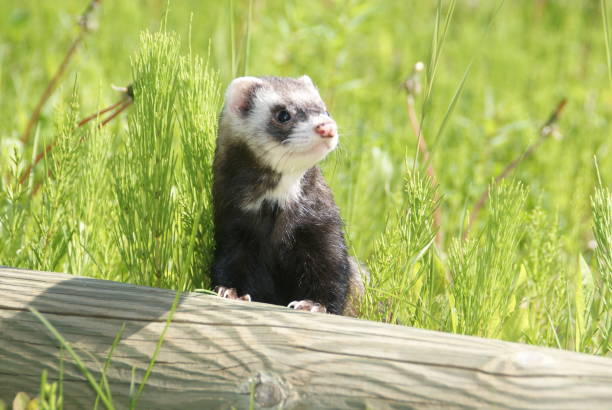
Ear mites (Otodectes cynotis) are tiny, parasitic organisms that infest the ear canals of various animals, including ferrets. These relentless pests cause significant discomfort, characterized by intense itching, dark debris resembling coffee grounds, and potential complications like secondary infections. While ear mites are more commonly associated with cats and dogs, they can also affect ferrets, often remaining underdiagnosed due to the species’ unique physiology and behavior. This guide provides an in-depth exploration of Otodectes cynotis in ferrets, covering causes, signs, diagnosis, treatment, and prevention. By understanding this condition, ferret owners can take proactive steps to ensure their pets’ health and well-being.
Understanding Otodectes Cynotis in Ferrets
What Are Ear Mites?
Otodectes cynotis, a species of mite from the Sarcoptidae family, thrives in the warm, moist environment of the ear canal. These mites spend their entire lives on their hosts, feeding on ear wax and secretions. Their life cycle lasts approximately 3 weeks, with eggs hatching into larvae and progressing through nymphal stages before maturing into adults. Ferrets, like other animals, can become hosts due to close contact with infested pets or contaminated environments.
Why Ferrets Are Susceptible
Ferrets are particularly vulnerable to ear mites due to their social behavior and frequent interactions with other animals. While not as commonly reported as in cats, ferrets with compromised immune systems, young kits, or those living in poor sanitary conditions are at higher risk. The mites are highly contagious and spread rapidly in shared enclosures or pet facilities.
Causes of Ear Mite Infestation in Ferrets
- Direct Contact with Infested Animals
Ferrets in multi-pet households or shelters face a higher risk of contracting ear mites from fellow pets. Sharing bedding, toys, or feeding bowls with an infested animal can facilitate transmission. - Environmental Contamination
Mites can survive briefly off the host in the environment, clinging to objects like brushes, blankets, or cages. An infested pet left untreated contaminates these items, posing a risk to other animals. - Lack of Hygiene
Poor grooming practices or infrequent cleaning of a ferret’s living space create ideal conditions for mites to proliferate. - Stress and Immune Compromise
Ferrets under stress (e.g., due to illness, overcrowding, or environmental changes) experience weakened immune systems, making them more susceptible to infestations. - Overcrowding
High-density living conditions, such as in commercial breeding facilities, increase the likelihood of mite transmission among animals.
Signs and Symptoms of Ear Mite Infestation
Recognizing the signs of ear mites in ferrets is crucial for early intervention. Common symptoms include:
1. Intense Scratching and Head-Shaking
Ferrets may vigorously scratch their ears or shake their heads frequently to relieve the intense itching caused by mite activity.
2. Dark, Waxy Debris
The ear canal may fill with a dark, crumbly substance resembling coffee grounds. This debris is a mix of ear wax, blood, and dead mites.
3. Redness and Inflammation
Chronic irritation leads to reddened, inflamed ear tissues, which can worsen without treatment.
4. Odor and Discharge
Secondary bacterial or yeast infections may develop, producing a foul smell and yellow or green discharge.
5. Behavioral Changes
Ferrets may become irritable, lose appetite, or exhibit restlessness due to discomfort.
6. Hearing Loss
In severe cases, mites and debris can block the ear canal, leading to temporary or permanent hearing impairment.
7. Self-Trauma
Prolonged scratching can cause abrasions, ulcers, or even a ruptured eardrum.
Diagnosis of Ear Mites in Ferrets
Clinical Examination
A veterinarian begins with a thorough physical exam, focusing on the ears. They look for the telltale dark debris and signs of irritation. A bright light is often used to visualize mites or their movement in the ear canal.
Otoscopic Evaluation
Using an otoscope, the vet examines the ear canal for mites, redness, or swelling. This tool helps identify mites directly or signs of secondary infections.
Microscopic Analysis
Ear swabs are taken using a cotton-tipped applicator coated in mineral oil to trap mites. The sample is examined under a microscope to confirm the presence of Otodectes cynotis.
Differential Diagnoses
To rule out similar conditions, the vet may test for:
- Bacterial or yeast infections (common in ferrets due to their moist ears)
- Foreign bodies (e.g., seeds or debris lodged in the ear canal)
- Tumors or polyps (rare but possible in older ferrets)
Treatment Options for Ferret Ear Mites
1. Anti-Parasitic Medicated Drops
Topical medications containing selamectin (Revolution) or ivermectin (used off-label) are often prescribed. These drops kill mites and provide relief from itching. Ferrets typically require 7–10 days of treatment.
Important: Ferrets are highly sensitive to certain medications. Never use products labeled for dogs or cats without veterinary guidance, as some (e.g., pyrethrin-based products) are toxic to ferrets.
2. Systemic Treatments
Oral parasiticides like milbemycin oxime (used for heartworm prevention in ferrets) may be administered in severe cases.
3. Ear Cleaning
Before applying medication, the vet will gently clean the ear canal using a ferret-safe ear cleaner to remove debris and mites. This step enhances medication efficacy.
4. Secondary Infection Management
If a bacterial or yeast infection is present, antibiotics (e.g., enrofloxacin) or antifungal drops may be prescribed.
5. Environmental Decontamination
All bedding, toys, and cages should be washed or replaced to prevent reinfestation. Regular cleaning of the ferret’s habitat is essential.
Prognosis and Potential Complications
Prognosis
With prompt treatment, ferrets typically recover within 2–3 weeks. Early intervention prevents complications and ensures a full recovery.
Complications
Untreated ear mites can lead to:
- Chronic Ear Infections
Mites create an ideal environment for bacteria and yeast, escalating the problem. - Eardrum Rupture
Severe scratching or mite activity can puncture the eardrum, requiring surgical repair. - Hearing Loss
Blockage or damage to the ear canal may result in permanent hearing impairment. - Behavioral Issues
Chronic discomfort can lead to aggression, anxiety, or self-harm.
Prevention of Ear Mite Infestations
1. Regular Veterinary Check-Ups
Scheduling biannual visits allows early detection of ear mites and other health issues.
2. Isolation of New Pets
New ferrets should be quarantined for 2–3 weeks to prevent spreading mites to existing pets.
3. Avoid Overcrowding
Provide spacious, clean enclosures to reduce stress and transmission risks.
4. Maintain Hygiene
Regularly clean food bowls, bedding, and toys with mild disinfectants safe for ferrets.
5. Preventive Medications
Some antiparasitic products (e.g., selamectin) offer broad-spectrum protection, including mites. Discuss these with your vet.
6. Monitor for Symptoms
Promptly address signs like scratching or dark ear discharge to prevent escalation.
Diet and Nutrition for Ferret Ear Health
A balanced diet plays a crucial role in preventing ear mite infestations and promoting overall immune health.
1. Protein-Rich Diet
Ferrets are obligate carnivores, requiring a diet of 30–40% protein. High-quality ferret foods or raw meat diets support strong immunity and skin health.
2. Vitamins and Minerals
Supplements like vitamin E and biotin may strengthen skin and reduce susceptibility to parasites.
3. Hydration
Adequate water intake prevents dry, flaky skin, which can harbor mites.
4. Avoid Fillers and Grains
Ferret foods with high grain or vegetable content can lead to obesity and weakened immunity.
Zoonotic Risk and Human Safety
Transmissibility
Otodectes cynotis is not a zoonotic parasite, meaning it cannot infect humans. However, the mites may cause temporary itching or skin irritation if they come into contact with human skin.
Protecting Humans
- Wash hands thoroughly after handling an infested ferret.
- Avoid scratching the ferret’s ears manually.
- Use gloves and antiseptic solutions when cleaning the pet’s ears.
Conclusion
Ear mites in ferrets are a treatable but often overlooked issue that can significantly impact your pet’s quality of life. By understanding the causes, recognizing symptoms, and seeking prompt veterinary care, ferret owners can ensure their pets remain healthy. Preventive measures, a balanced diet, and a clean environment further reduce the risk of infestation. Always consult a vet experienced in ferret care to tailor treatment plans and ensure the safety of your furry companion.
#FerretHealth, #PetParasites, #EarMiteTreatment, #FerretCare, #PetHealthTips, #ZoonoticDiseases, #FerretDiet, #ExoticPetCare, #VeterinaryTips, #OtodectesCynotis, #AnimalHealth, #FerretVet, #FerretWellness, #EarMiteSymptoms, #PetSafety, #FerretOwner, #ExoticAnimalParasites, #FerretEarCare, #FurryFriendHealth




Add comment